
Choosing the right baby wipe is a critical decision for parents managing a baby’s sensitive skin. While Unilove baby wipes have gained significant popularity for their accessibility and gentle formulations, determining whether they are the right choice compared to other popular brands requires a close look at ingredients, material texture, and your baby’s specific skin triggers.
Quick Answer: Evaluating Unilove for Sensitive Skin
In tropical climates like the Philippines, the combination of high humidity, heat, and constant diaper wear creates a microclimate that easily irritates delicate skin. Unilove offers several variants, and their suitability depends heavily on which one you select. For instance, their unscented options are generally much better tolerated by sensitive skin than their scented counterparts.
Because every baby’s skin barrier is unique, there is no single option that works universally for all infants. Parents must verify the ingredient list on the packaging, look for specific dermatological claims, and always perform a localized patch test on a small area of the baby’s arm or leg before committing to full-body use.
Products mentioned in this guide
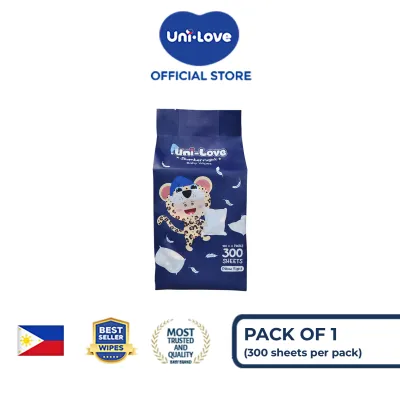
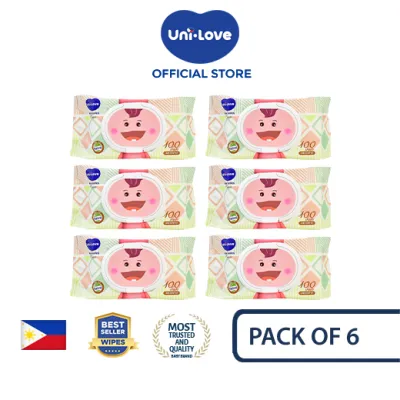
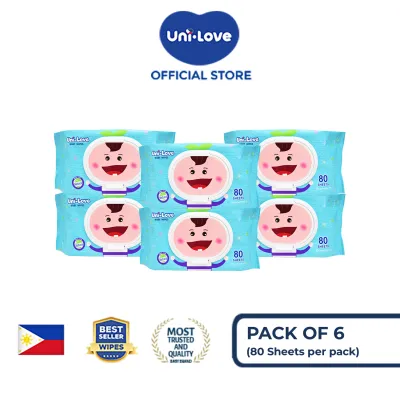
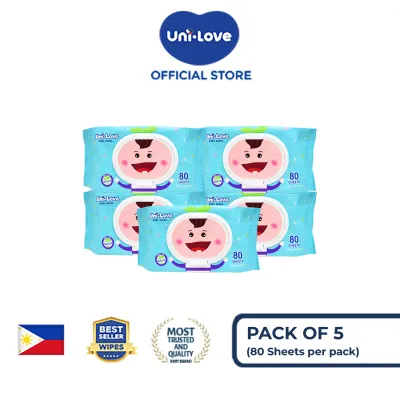
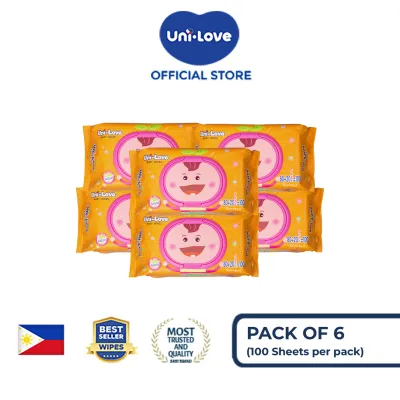
Prices are valid at publication and may change. Please refer to the product page for the latest price.
Key Factors to Compare for Sensitive Skin
When reviewing baby wipes, the ingredient list is your most reliable guide. Sensitive skin has a compromised outer barrier that reacts quickly to harsh chemicals. Avoid products containing drying alcohols (such as isopropyl alcohol), parabens, and synthetic fragrances, which are primary triggers for contact dermatitis. Phenoxyethanol is a common preservative used to prevent bacterial growth in wet wipes; while generally considered safe in low concentrations, some highly sensitive babies may still react to it, making a short, transparent ingredient list highly desirable.

The physical structure of the wipe plays a massive role in skin health. In warm, humid weather, sweat and friction can quickly lead to chafing and painful rashes. A wipe that is too thin or rough requires repeated rubbing to clean a diaper mess, which physically damages the skin barrier. Look for wipes made of soft, thick, and embossed fabrics. Embossing helps lift messes with minimal friction, reducing the number of wipes needed per change and minimizing skin irritation.
Healthy baby skin maintains a slightly acidic pH level, which acts as a natural defense mechanism against bacteria and irritants. Diaper messes, particularly urine and stool, are highly alkaline. When these substances sit on the skin, they disrupt the pH balance, leading to diaper rash. High-quality sensitive wipes are formulated to match the skin’s natural pH. Additionally, the moisture level must be carefully balanced; wipes that are too dry cause excessive friction, while wipes that are overly saturated can leave excess moisture trapped in the skin folds, creating a breeding ground for yeast infections in humid conditions.
How to Check Unilove Baby Wipes for Sensitive Skin
To evaluate Unilove baby wipes effectively, parents must look beyond the front label and analyze the specific product details. Unilove offers a variety of wipes, including their popular unscented and scented versions. For sensitive skin, the primary focus should be on the unscented variants, which eliminate the risk of fragrance-induced irritation.
Turn the package over to inspect the ingredient list. Verify that the formulation is free from harsh chemicals. Unilove wipes often highlight features like the inclusion of soothing natural ingredients, such as aloe vera or vitamin E, which can help moisturize and protect the skin barrier. However, parents should verify if their baby has any known sensitivities to these botanical extracts, as even natural ingredients can occasionally cause mild reactions in highly sensitive individuals.
Next, check for specific safety claims and certifications printed on the packaging. Look for terms like “hypoallergenic” and “dermatologically tested.” These labels indicate that the product has undergone evaluations to minimize the risk of allergic reactions. Keep in mind that these certifications are brand-specific, so it is always wise to cross-reference these claims with how your baby’s skin actually reacts during initial use.
What to Look for in Competing Baby Wipe Brands
When comparing Unilove to other popular brands in the market, establishing a standardized checklist helps you make an objective decision. Start by evaluating the water purification process. Many premium sensitive wipes utilize 99% pure water, often purified through multi-stage filtration systems like EDI (electrodeionization). This high water content reduces the need for complex chemical preservatives, making them highly suitable for newborns and babies with compromised skin barriers.
Compare the preservative systems and added ingredients of competing brands. Some brands use food-grade preservatives or completely avoid phenoxyethanol, opting for alternative gentle preservation methods. Look closely at whether the competitor adds any lotions, oils, or botanical extracts. While these additives can provide extra hydration, they also introduce more variables that could potentially trigger an allergic reaction.
Finally, assess the physical design and packaging functionality. Look at the wipe size, thickness, and fold design. Wipes with an interlocking fold dispense one at a time, preventing multiple wipes from pulling out at once. This not only reduces waste but also prevents you from touching and contaminating the remaining wipes in the pack. Additionally, a sturdy, resealable plastic lid is crucial in a tropical climate to prevent the wipes from drying out prematurely, ensuring each wipe remains moist and effective until the pack is empty.
Decision Guide: Which Wipe Fits Your Baby's Needs?
Making the final choice comes down to matching the wipe’s specific properties with your baby’s skin condition and your daily routine.
Choose Unilove if you are looking for an accessible, cost-effective option for daily use, and your baby’s skin has shown no adverse reactions to its specific formulation. The unscented variant is an excellent choice for standard diaper changes, offering a reliable balance of moisture and softness that handles everyday cleanups without the added risk of synthetic fragrances.
Choose a competing brand if your baby has extremely reactive skin that requires a minimalist formula, such as a 99% pure water wipe with fewer preservatives. You might also opt for a competitor if you prefer a significantly thicker cloth texture that minimizes physical friction during heavy cleanups, or if you find a specific brand’s dispensing mechanism more convenient for one-handed use.
However, if your baby is currently dealing with severe diaper rash, broken skin, bleeding, or diagnosed conditions like eczema, you must pause the use of all over-the-counter baby wipes. In these cases, even the mildest wipes can cause stinging and further irritate the skin. Switch to using warm water with soft cotton balls or a clean, damp cloth, and consult your pediatrician or a pediatric dermatologist immediately to get a proper medical diagnosis and treatment plan.
Frequently Asked Questions (FAQ)
Can I use baby wipes on a newborn's face and hands?
The skin on a newborn’s face is exceptionally delicate and much thinner than the skin on their diaper area. Furthermore, because babies frequently put their hands and fingers into their mouths, any chemical residue left behind by a wipe could be accidentally ingested. Parents should always check the manufacturer’s label to see if the wipes are explicitly certified as safe for facial and hand use. If the packaging does not specify this, avoid using them on the face. For newborns, the safest and most gentle method for cleaning the face and hands is using a clean washcloth dampened with plain, lukewarm water.
What should I do if my baby develops a rash after using a new wipe?
If your baby develops redness, small red bumps, dry patches, or signs of discomfort after you introduce a new brand of wipes, stop using the product immediately. Gently cleanse the irritated area using plain, lukewarm water and a soft cloth, avoiding any rubbing or scrubbing. Allow the skin to air dry completely before putting on a fresh diaper, as trapping moisture can worsen the irritation. You may apply a thin layer of a pediatrician-approved barrier cream to protect the skin. If the rash does not begin to improve within two to three days, spreads to other parts of the body, or appears to cause your baby significant pain, consult your pediatrician promptly for professional guidance.
Community discussion
Share your experience or ask a question. Comments are reviewed before publication.