
Choosing between Unilove, Pigeon, and Huggies baby wipes depends on your baby’s specific skin needs, your daily usage volume, and your budget. In the tropical climate of the Philippines, where heat and humidity can make diaper rash a frequent concern, finding the right balance of moisture, thickness, and gentle ingredients is essential.
This guide provides a practical framework to evaluate these popular brands based on observable features, packaging labels, and cost per sheet. By focusing on verifiable criteria, you can make an informed decision that suits your household’s unique requirements without relying on a single universal winner.
Understanding the Core Criteria for Baby Wipes
When comparing baby wipes, the material thickness and ply count are critical for effective cleanup. A thicker wipe generally prevents messes from seeping through to your hands, which reduces the total number of sheets required per diaper change. You can observe this by holding a sheet up to the light to check the density of the weave.
Products mentioned in this guide
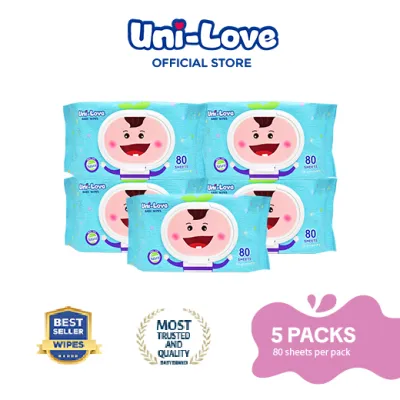
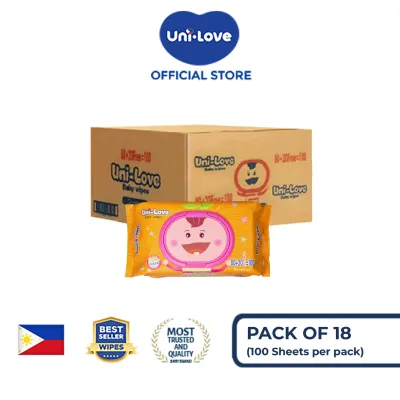
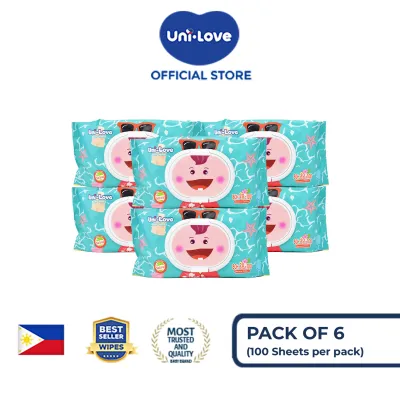
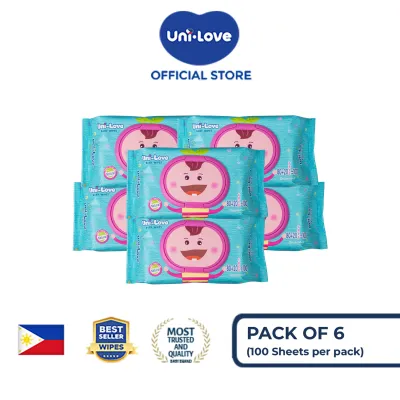
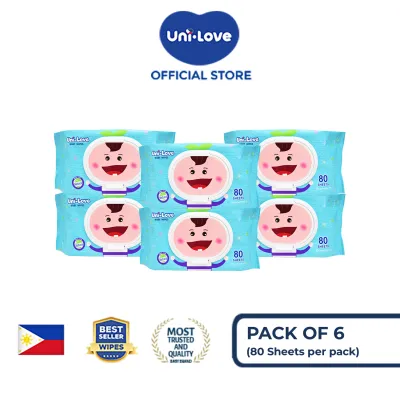
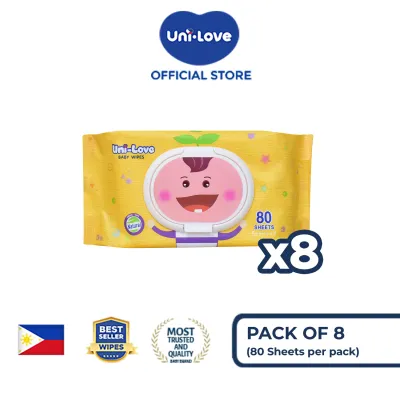
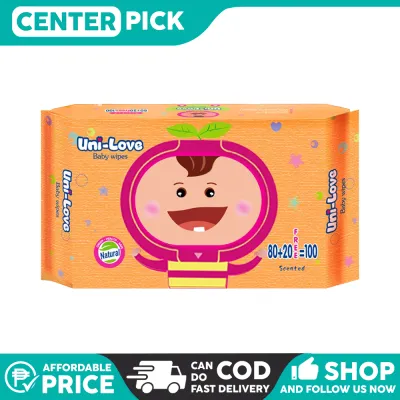
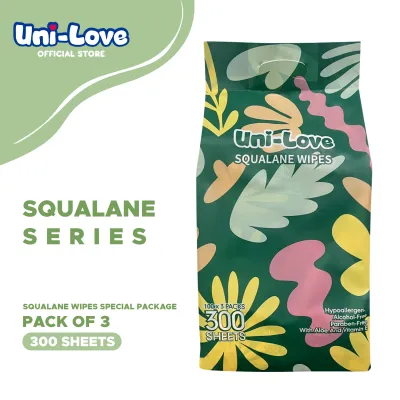
Prices are valid at publication and may change. Please refer to the product page for the latest price.
Moisture level and the liquid-to-wipe ratio also play a significant role in how easily a wipe glides across your baby’s skin. Wipes that are too dry can cause friction and irritation, especially during frequent changes in hot weather. Conversely, overly wet wipes can leave excess moisture on the skin, which may trap humidity inside the diaper and contribute to skin irritation.
Ingredient transparency is another vital metric to consider. Parents should look for clear labeling regarding fragrance-free and hypoallergenic claims. Because baby skin is thinner and more sensitive than adult skin, checking the back of the pack for a complete list of ingredients helps you identify potential irritants before they touch your child’s skin.
Evaluating Unilove Baby Wipes for Daily Care
Unilove wipes for baby have gained popularity in the Philippines due to their accessible price point and distinct packaging features. When examining these wipes, you will notice they often feature a textured, dotted pattern designed to help grip and lift messes from the skin. This embossed texture is intended to provide a soft yet effective cleaning surface for daily diaper changes.

Moisture retention in Unilove packaging is supported by a plastic resealable lid, which is a common feature across their larger packs. This hard-top cover helps prevent the sheets from drying out prematurely in warm, tropical environments. Additionally, the dispensing mechanism is designed to pull out one sheet at a time, though you should observe if multiple sheets occasionally cling together during rapid use.
The brand offers several variants, including fragrance-free options and lightly scented versions. For daily care, especially on newborns or babies with sensitive skin, the fragrance-free variant is generally recommended to minimize the risk of contact dermatitis. Always check the specific packaging labels to confirm which variant matches your baby’s current developmental stage and skin tolerance.
Comparing Pigeon and Huggies Alternatives
Pigeon baby wipes are widely recognized for their focus on gentle, water-based formulations. Many of their product lines emphasize high water content and minimal additives, making them a common choice for parents prioritizing skin sensitivity. When evaluating Pigeon wipes, look at the ingredient list to verify the percentage of purified water and the absence of unnecessary chemical binders.
Huggies baby wipes, on the other hand, often emphasize durability and thickness. Their sheets are typically designed with a unique cloth-like texture that aims to contain heavy messes efficiently. This structural integrity is particularly useful during the transition to solid foods, when diaper cleanups can become more challenging and require a sturdier wipe.
To make an objective comparison, you can cross-reference these alternative brands with Unilove by examining their physical attributes side by side. Note the stretchability of each sheet, how much liquid is released when you squeeze a single wipe, and whether the material leaves any lint or residue behind. This hands-on observation allows you to assess performance based on your actual daily routine.
Key Comparison Dimensions to Verify on the Label
Reading the ingredient list on the back of the packaging is the most reliable way to identify potential skin irritants. Look closely for the presence of alcohol, parabens, or strong synthetic fragrances, which can strip natural oils from your baby’s skin and lead to redness. A shorter, simpler ingredient list is often easier to evaluate for compatibility with sensitive skin.
You should also check for specific certifications or testing claims, such as dermatological testing or pediatrician approval seals. Because these claims can vary by brand and region, look for the name of the testing body or standard printed on the label. Keep in mind that terms like “hypoallergenic” are not universally standardized, so verifying the actual ingredient list remains your primary line of defense.
Finally, always verify the manufacturing date and shelf life before purchasing or opening a new pack of wipes. In humid climates, expired or improperly stored wipes can lose their moisture or, in rare cases, harbor microbial growth. Most manufacturers print a batch code and expiration date on the bottom or side of the plastic wrap, which you should inspect to ensure product freshness.
Assessing Value: Calculating Price Per Sheet
To determine which brand offers the best value for your household budget, it is helpful to calculate the exact cost per sheet. You can do this by taking the total retail price of the pack in Philippine Pesos (₱) and dividing it by the total number of sheets inside. Standardizing this calculation allows you to compare brands of different sizes objectively.
When performing this calculation, consider how pack sizes influence the overall value. Bulk packs and multi-packs generally offer a lower cost per sheet compared to smaller, travel-sized packs. However, travel packs are lighter and easier to carry in a diaper bag, making them a convenient choice for outings despite the slightly higher unit cost.
To get the most accurate pricing data, check the current listings on official brand stores and reputable online marketplaces in the Philippines. Prices can fluctuate due to local promotions, shipping fees, or bundle discounts. Comparing these prices regularly ensures you are getting the best available deal for your preferred brand without relying on outdated or estimated price points.
Decision Framework: Choosing the Right Wipe for Your Baby
Selecting the right baby wipe involves balancing your baby’s skin tolerance with your family’s daily budget and convenience. You might choose Unilove if you prioritize wide local availability, budget-friendly bulk options, and a textured sheet that handles everyday cleanups reliably. Their accessible price point makes them a practical choice for high-volume daily use.
Alternatively, you might opt for Pigeon if your baby has highly sensitive skin and you prefer a formulation that focuses heavily on water-based ingredients. These wipes are often suitable for parents who want to minimize the number of chemical components coming into contact with their baby’s delicate skin barrier.
If your primary concern is maximum thickness and durability for containing heavy messes, Huggies may be the more suitable option. Their sturdy, cloth-like sheets are designed to hold up well during difficult cleanups, potentially reducing the total number of wipes you need to use per session.
Before making a final decision or switching brands, always verify if your baby has any diagnosed skin conditions, such as eczema or severe diaper rash. If your baby exhibits persistent redness, swelling, or discomfort after using any wipe, stop using the product immediately and consult a qualified pediatrician for professional guidance.
Frequently Asked Questions (FAQ)
Can I use baby wipes on my newborn's face and hands?
Before using any baby wipe on your newborn’s face or hands, you must check the packaging label to confirm it is explicitly rated for facial use. The skin on a baby’s face is thinner and more sensitive than the skin on their bottom, making it more susceptible to irritation from fragrances or mild cleansing agents.
If the label indicates the wipes are safe for hands and face, ensure you are using a fragrance-free and alcohol-free variant. For the first few weeks of a newborn’s life, many pediatricians recommend using plain water and sterile cotton balls instead of commercial wipes to minimize exposure to any synthetic ingredients.
How should I store baby wipes to prevent them from drying out?
To preserve the moisture and usability of your baby wipes, always ensure the plastic flap or adhesive lid is sealed completely after every single use. Even a small gap can allow air to enter, causing the top sheets to dry out quickly in the warm Philippine climate.
Store your wipe packs in a cool, dry place away from direct sunlight, hot vehicles, or heat-emitting appliances. If a pack begins to dry out or develops an unusual odor, discontinue use immediately, as this can indicate a compromise in the product’s preservative system or potential microbial contamination.
Community discussion
Share your experience or ask a question. Comments are reviewed before publication.