
Quick Answer: Which Wipe is Safer for Sensitive Skin?
When comparing Unilove and Pigeon baby wipes for sensitive skin, there is no single, universal winner. Both brands offer specialized variants designed to minimize irritation, but the safest choice for your child depends entirely on their individual skin triggers, the specific product line you select, and how their skin reacts to the texture. A formulation that keeps one infant’s skin perfectly clear might cause redness or a flare-up in another due to unique sensitivities to specific preservatives, botanical extracts, or physical friction.
To determine the best option, caregivers must look closely at the exact product variant—such as pure water formulations versus those infused with soothing botanical ingredients—rather than relying solely on the brand name. Because sensitive skin is highly reactive, performing a localized patch test on a small area of your baby’s skin is the only definitive way to verify compatibility before using any new wipe for full diaper changes or daily cleanups.
Formulation and Ingredients: What to Check on the Label
Evaluating the ingredient list on the physical packaging is the most critical step in protecting sensitive skin. The skin barrier of an infant is significantly thinner and more permeable than that of an adult, making babies highly susceptible to absorbing topical chemicals. When comparing Unilove and Pigeon, you will find distinct differences in their formulation philosophies, which directly impact how they interact with reactive skin.
Products mentioned in this guide
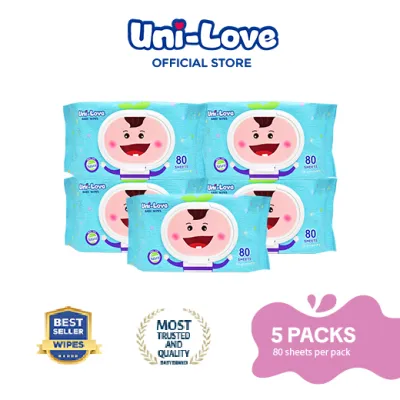
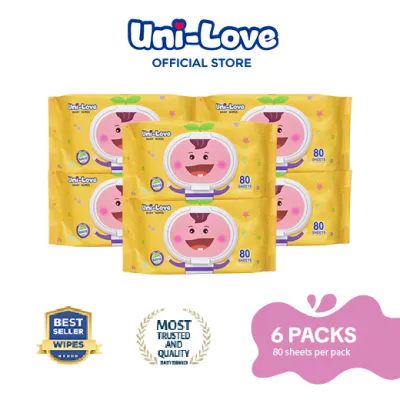
Prices are valid at publication and may change. Please refer to the product page for the latest price.

Unilove has gained significant popularity in the Philippines by focusing on highly simplified, water-based formulations. Their sensitive-skin variants, such as the 99% Water Wipes, prioritize a minimalist ingredient list. By reducing the number of active chemical components, these wipes lower the statistical probability of contact irritation. This straightforward approach is highly effective for infants who react negatively to complex skincare formulations or those with mild eczema.
In contrast, Pigeon leverages its extensive heritage in pediatric research to offer scientifically developed formulations. Their product lines often include specialized ingredients designed to mimic the natural moisture barrier of a newborn’s skin. While some Pigeon variants contain only purified water and mild preservatives, others incorporate soothing botanical agents or skin conditioners. These additions aim to nourish the skin, but they also introduce more complex organic compounds that highly sensitive babies might occasionally reject.
Regardless of which brand you consider, you must physically inspect the packaging to verify the explicit absence of high-risk chemical irritants. Ensure the label clearly states that the product is free from:
- Alcohol (specifically ethanol or isopropyl alcohol): This ingredient dries out the skin rapidly, leading to micro-cracking and severe irritation.
- Parabens: These chemical preservatives are widely avoided in modern baby products due to concerns over skin sensitivity.
- Artificial Fragrances (Parfum): Fragrances are among the leading causes of pediatric contact dermatitis and should be avoided entirely for sensitive skin.
- Harsh Surfactants (such as SLS or SLES): These foaming agents can strip the skin of its natural lipid barrier, leaving it exposed to moisture loss and bacterial invasion.
Additionally, check if the formula is explicitly labeled as pH-balanced. The natural surface of healthy baby skin is slightly acidic, typically maintaining a pH of around 5.5. Using wipes that are too alkaline can disrupt this protective acid mantle, making the diaper area more vulnerable to diaper rash and fungal infections. For highly reactive skin, starting with the “pure water” or “99% water” variant from either brand is generally the safest approach, as these formulations minimize chemical complexity.
Thickness and Texture: Minimizing Friction on Delicate Skin
The physical build and material composition of a baby wipe play a massive role in skin health. Friction is a primary trigger for diaper rash; repetitive wiping with a rough, thin, or dry sheet can cause mechanical trauma to the skin barrier. Understanding how thickness and texture differ between these brands will help you choose a wipe that cleans efficiently with minimal physical contact.
Wipe thickness is technically measured in grams per square meter (GSM). While manufacturers rarely print the exact GSM on consumer packaging, the thickness directly influences how many wipes you need per diaper change. Thicker wipes provide a more effective physical barrier between your hand and the mess, preventing moisture from soaking through and allowing you to clean a substantial mess with just one or two sheets. This reduction in the number of passes over the skin directly minimizes friction-induced irritation.
The texture of the wipe material also determines its cleaning efficiency. Both brands utilize different fabric technologies across their product lines:
- Embossed or Pearl-Textured Sheets: These wipes feature raised patterns on the surface. The dimensional texture is designed to grab and lift solid waste quickly, reducing the need for firm wiping. However, if the material itself is not exceptionally soft, the raised patterns can sometimes feel slightly abrasive on highly inflamed skin.
- Ultra-Smooth Spunlace Sheets: These flat, non-woven sheets glide effortlessly over the skin with minimal resistance. They are highly recommended for wiping raw, sensitive, or already irritated diaper areas, though they may require slightly more sheets to clean sticky or heavy messes.
To evaluate the physical quality of the wipes at home, you can perform three simple assessments. First, conduct the stretch test by gently pulling a single wipe in both directions; high-quality spunlace fabric will stretch and hold its shape rather than tearing or thinning out immediately. Second, check the opacity by holding the wipe up to a light source; a denser, more opaque wipe indicates a higher fiber density that will protect your hands and the baby’s skin. Finally, perform a surface feel test by rubbing the damp wipe gently against the sensitive skin on the inside of your own wrist to check for any scratchiness or rough fibers.
Skin-Friendliness: Verifying Safety Claims and Managing Reactions
When browsing baby wipes, you will encounter numerous marketing claims such as “hypoallergenic,” “dermatologically tested,” and “pediatrician approved.” It is vital to understand what these terms actually mean. “Hypoallergenic” indicates that the ingredients have a lower statistical likelihood of causing an allergic reaction, while “dermatologically tested” means the product was evaluated on human skin under professional supervision. Neither term guarantees that your specific baby will not experience an allergic reaction.
To ensure maximum safety, always look for recognized certification seals on the physical packaging and verify these claims through official brand channels or manufacturer documentation. Do not rely solely on front-of-pack marketing claims. Once you have selected a product, you must establish a safe introduction protocol to protect your baby from potential widespread skin reactions.
Before using any new wipe brand for full diaper changes, conduct a controlled patch test by following these steps:
- Select a small, clear patch of skin on your baby's inner arm or upper thigh, away from any existing rashes.
- Gently wipe the selected area with a single sheet from the new pack.
- Allow the moisture to air-dry completely without washing it off.
- Monitor the test area closely over the next 24 hours for any signs of physical reaction.
- If the skin remains clear, smooth, and free of redness, you can safely proceed with regular use.
If you observe any localized redness, swelling, tiny red bumps, dry peeling skin, or if your baby cries or shows signs of pain during wiping, stop using the product immediately. Clean the area gently with plain water and a soft cotton cloth. Do not attempt to self-diagnose or apply multiple over-the-counter medicated creams without professional advice. If the irritation does not improve within 24 to 48 hours, or if you notice blistering, oozing, or spreading redness, consult a qualified pediatrician or pediatric dermatologist immediately.
Cost and Packaging: Practical Value in a Humid Climate
In the tropical, high-humidity environment of the Philippines, practical packaging is not just a matter of convenience—it is a critical safety factor. High heat and humidity accelerate moisture loss, which can turn a premium pack of wet wipes into dry, useless sheets within days. More importantly, poorly sealed packages can trap ambient moisture and airborne contaminants, creating an ideal breeding ground for mold and harmful bacteria.
When evaluating the cost-effectiveness of Unilove and Pigeon, do not simply compare the retail price of the package. Instead, calculate the true value by determining the cost per sheet. Divide the total price of the pack by the number of wipes inside. Keep in mind that a slightly more expensive pack of thicker, high-quality wipes can often be more economical in the long run because you will use fewer sheets per diaper change compared to a cheaper, thinner alternative.
Packaging design plays a major role in preserving the integrity of the wipes in a tropical climate. Compare the two primary sealing mechanisms available:
- Hard Plastic Flip-Top Lids: This is the gold standard for humid environments. The rigid lid snaps securely shut, creating an airtight seal that locks in moisture and prevents dust, insects, and bacteria from entering. Both Unilove and Pigeon offer variants with flip-top lids, which are highly recommended for home use.
- Resealable Adhesive Stickers: Commonly found on travel-sized packs, these stickers lose their adhesive properties quickly when exposed to high humidity, diaper cream residue, or dust. Once the seal fails, the wipes dry out rapidly, compromising their usability and safety.
Finally, always purchase your baby wipes from official brand stores, authorized distributors, or reputable online malls. Because both Unilove and Pigeon are household names in the Philippines, counterfeit products are common on unregulated online marketplaces. Counterfeit wipes are not subject to quality control and may contain banned chemical preservatives, industrial-grade ingredients, or high bacterial counts that can pose severe health risks to sensitive infant skin.
Decision Framework: Which Brand Should You Choose?
To make your final decision, evaluate your baby’s specific skin needs, your daily cleaning routine, and your household budget using this conditional framework:
- Choose Unilove if:
- You want a highly cost-effective, budget-friendly option for high-volume, everyday use.
- You prefer a simple, water-based formulation with minimal active ingredients to reduce chemical sensitivity risks.
- You prefer thick, durable cross-woven spunlace fabric that resists tearing during heavy cleanups.
- Choose Pigeon if:
- You trust a global pediatric heritage brand with extensive dermatological testing and research.
- You are looking for specialized premium variants, such as ultra-soft wipes designed specifically for delicate newborns or hand-and-mouth cleaning.
- You prefer exceptionally smooth, low-friction fibers that glide gently over highly reactive or eczema-prone skin.
- Verify first if:
- Your baby has a diagnosed skin condition, such as severe atopic dermatitis or contact allergies, in which case you must consult your pediatrician and review the full ingredient list for specific personal allergens before purchasing.
Regardless of which brand aligns with your preferences, the ultimate deciding factor must always be your baby’s individual skin tolerance. Purchasing a small travel pack of your chosen variant to conduct a patch test is the most practical and safest strategy before investing in bulk quantities.
Frequently Asked Questions (FAQ)
Can I use baby wipes on a newborn's face?
While many sensitive baby wipes are formulated to be gentle, the skin on a newborn’s face is exceptionally delicate and thin. Even mild preservatives or water-based formulations can cause irritation around the sensitive areas of the eyes and mouth. For newborns, it is safest to use a soft cotton ball or cloth dipped in plain, warm water for facial cleaning. If you must use a wipe, ensure it is explicitly labeled by the manufacturer as safe for face and hands, fragrance-free, and dermatologically tested for facial use.
How do I know if my baby is allergic to a specific wipe brand?
An allergic reaction to a baby wipe, known as contact dermatitis, typically presents as localized redness, tiny red bumps, dry peeling skin, or swelling directly on the areas that come into contact with the wipe. You may also notice your baby crying or showing signs of discomfort during or immediately after wiping. Contrast this with a standard diaper rash, which is usually confined to the warm, moist creases of the diaper area. If a rash appears on other parts of the body wiped by the sheet, such as the hands or thighs, it is likely an allergic reaction to the wipe’s ingredients.

Community discussion
Share your experience or ask a question. Comments are reviewed before publication.