
Quick Answer: Which Wipe Is Safer for Sensitive Skin?
Determining the gentlest baby wipe for your child depends heavily on their specific skin triggers and the product line you select. There is no single, absolute winner between Unilove and Pigeon, as both brands manufacture multiple variants with varying formulations. For highly reactive or eczema-prone skin, wipes formulated with pure water and minimal, low-risk preservatives are generally safer than those containing added botanical extracts, moisturizers, or fragrances.
In the tropical climate of the Philippines, where heat and humidity can exacerbate skin irritation, choosing the wrong wipe can quickly lead to contact dermatitis. Parents should prioritize variants that explicitly list a high percentage of purified water and contain the shortest possible ingredient list. Ultimately, because every baby’s skin barrier is unique, performing a localized patch test at home is the only definitive way to confirm compatibility before using any new wipe brand regularly.
Core Comparison Dimensions for Sensitive Baby Skin
When evaluating baby wipes for sensitive skin, parents must look beyond attractive packaging and generic marketing claims. The term “gentle” is often used loosely, making it essential to understand the scientific and physical properties that actually protect a baby’s delicate skin barrier. In a humid environment, the skin is already prone to sweat-induced friction and moisture trapping, which increases the risk of diaper rash and fungal infections.
Products mentioned in this guide
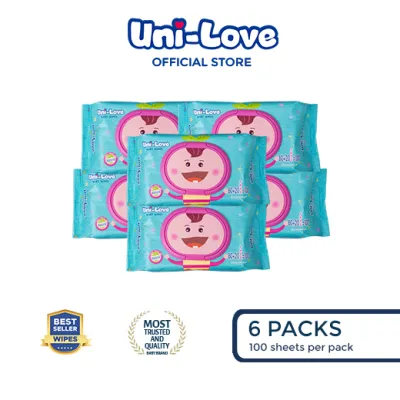
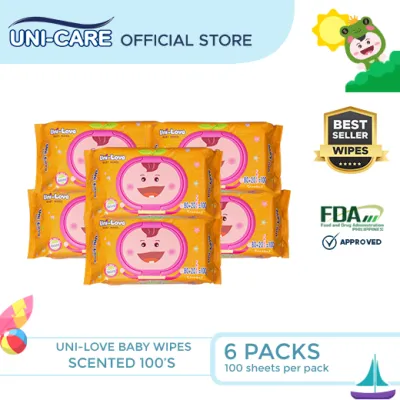
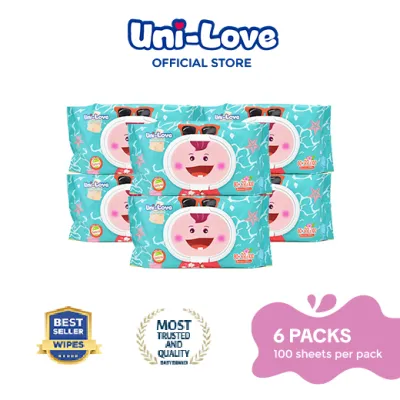
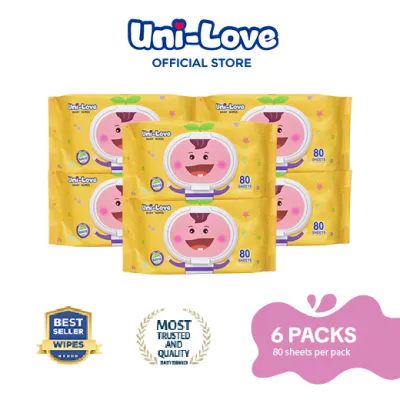
Prices are valid at publication and may change. Please refer to the product page for the latest price.

To make an informed decision, caregivers should systematically analyze three core areas: the chemical composition of the liquid solution, the physical texture and moisture level of the fabric, and the practical compatibility of the product with their baby’s skin. By focusing on these verifiable dimensions, you can transition from guessing to making a calculated, safe choice for your child.
Ingredient Transparency and Fragrance
Reading the ingredient list on the back of a packaging sleeve is the most reliable way to assess a wipe’s safety. Many parents confuse the terms “unscented” and “fragrance-free,” but they carry very different regulatory meanings. Unscented products may still contain chemical masking agents designed to neutralize the natural odor of the ingredients, whereas fragrance-free products contain no added perfume or masking chemicals, making them far safer for reactive skin.
Caregivers must actively scan ingredient lists for common skin irritants that can disrupt the acid mantle of a baby’s skin. Avoid products containing alcohol (which dries out the skin), parabens (used as preservatives but linked to skin sensitization), phenoxyethanol, or strong essential oils. While natural plant extracts like chamomile or aloe vera are marketed as soothing, they can occasionally trigger allergic contact dermatitis in infants with compromised skin barriers.
It is also critical to recognize that a brand name alone does not guarantee safety across all its product lines. Both Unilove and Pigeon offer basic utility wipes alongside their specialized sensitive or pure water variants. Parents must evaluate each specific pack individually, ensuring they select the premium, minimal-ingredient options rather than assuming all wipes from the same manufacturer share the same formulation.
Moisture Retention and Fabric Texture
The physical interaction between the wipe fabric and your baby’s skin plays a major role in maintaining skin integrity. A wipe that is too dry requires repeated rubbing to clean away stool and urine, creating mechanical friction that micro-tears the delicate epidermis. Conversely, a wipe that is oversaturated can leave a thick layer of wet residue on the skin, which, when trapped inside a diaper under tropical Philippine heat, leads to skin maceration and painful diaper rashes.
Fabric thickness and texture also dictate how many passes are needed to clean a mess. Wipes with an embossed, raised, or pearl-patterned texture are designed to lift waste away from the skin on the first swipe, minimizing overall friction. Thicker sheets prevent the liquid waste from seeping through onto the caregiver’s hands and ensure the wipe retains its moisture evenly from the top of the pack to the very bottom.
When comparing brands, feel the fabric thickness and observe how well the sheet holds its shape when pulled. A high-quality wipe should stretch slightly without tearing easily, maintaining a soft, non-abrasive surface throughout the diaper change. If a wipe feels rough, thin, or soapy to the touch, it is more likely to cause physical irritation over time.
Evaluating Skin Compatibility at Home
Because laboratory dermatological tests cannot predict how an individual child will react, conducting a systematic patch test at home is a crucial safety step. This is especially important when transitioning between brands or trying a new product variant for the first time. A proper patch test helps isolate potential allergens before a product is applied to highly sensitive diaper areas.
To perform a patch test, gently swipe a single wipe over a small, clean area of your baby’s skin, such as the inner arm or the side of the thigh. Allow the liquid to dry naturally without rinsing it off, and monitor the area closely over the next 24 hours. Keep the area clean and avoid applying other new lotions or creams during this testing window to ensure clear results.
During the observation period, check the test site for localized signs of incompatibility, which may include redness, tiny raised bumps, dry patches, or localized warmth. If any of these symptoms appear, stop using the product immediately and wash the area with plain, cool water. If a severe reaction occurs or if a rash spreads, consult your pediatrician or a pediatric dermatologist for professional guidance.
Evaluating Unilove Wipes for Sensitive Skin
Unilove has established a strong presence in the Philippine market, widely recognized for offering accessible baby care solutions. When considering Unilove wipes for sensitive skin, parents should focus on their specialized unscented and pure water product lines. These variants are specifically designed to minimize chemical exposure during daily diaper changes.
To assess these wipes, parents should verify the physical packaging for explicit certifications and safety claims. Look for labels indicating that the product is “hypoallergenic” or “dermatologically tested,” which indicates the formulation has undergone standardized skin patch testing. Keep in mind, however, that these labels serve as quality indicators rather than absolute guarantees against skin reactions.
Because preservatives are necessary to prevent bacterial and mold growth in wet wipes, pay close attention to the manufacturing date printed on the Unilove packaging. Ensure the plastic resealable lid or adhesive sticker is completely intact upon purchase. A compromised seal can expose the wipes to ambient air, drying out the product and potentially rendering the preservative system ineffective against tropical contaminants.
Evaluating Pigeon Wipes for Sensitive Skin
Pigeon is a well-known international brand with a long history in pediatric care, offering several specialized wipe variants globally and locally. Their product range often includes formulations infused with moisturizing agents, such as botanical extracts or specialty water bases, designed to preserve skin hydration. While these moisturizing properties can benefit babies with dry skin, they require careful scrutiny if your child has highly reactive eczema.
For babies prone to severe contact dermatitis, caregivers should actively seek out Pigeon’s 99% Pure Water or dedicated sensitive skin lines. These formulations focus on maximum water purity and minimize the presence of complex botanical additives that could serve as potential allergens. Always read the ingredient deck on the back of the package to confirm the exact formulation of the specific pack you are holding.
Additionally, evaluate the physical design of Pigeon’s packaging, particularly the closure mechanism. Many of their premium packs feature rigid plastic flip-top lids, which provide a tighter seal than simple adhesive stickers. This design is highly beneficial in hot climates, as it prevents evaporation, keeps the wipes sterile, and ensures the liquid remains evenly distributed throughout the stack.
Side-by-Side Label Checklist
This checklist is designed to help parents compare key features on physical packaging while shopping in-store or reviewing products online. Use this table to identify what specific wording, symbols, or structural designs to look for on each brand’s sensitive or pure water variants.
| Feature | Unilove (Sensitive/Pure Water Variant) | Pigeon (Sensitive/Pure Water Variant) |
|---|---|---|
| Primary Liquid Base | Verify if the packaging lists "Purified Water" or "99% Water" as the first ingredient. | Verify if the packaging lists "99% Pure Water" or "Deionized Water" as the primary base. |
| Fragrance Status | Look for an explicit "Fragrance-Free" or "Unscented" label on the front panel. | Look for "Fragrance-Free" or "0% Perfume" markings on the packaging. |
| Chemical Exclusions | Check the back label for "0% Alcohol," "Paraben-Free," or "Methylisothiazolinone (MIT)-Free." | Check the back label for "Alcohol-Free," "Paraben-Free," or "Phenoxyethanol-Free" declarations. |
| Fabric Thickness & Texture | Feel the pack or check labels for descriptions like "Spunlace Non-woven," "Cross-woven," or "Embossed." | Feel the pack or check labels for terms like "Lattice Structure," "Embossed Sheet," or "Ultra-Soft Fabric." |
| Seal Type | Check whether the pack uses a rigid plastic flip-top lid or a standard adhesive sticker seal. | Check whether the pack features a double-barrier resealable sticker or a rigid plastic flip-top lid. |
Decision Framework: Which Brand Fits Your Baby's Needs?
Selecting the right baby wipe requires balancing your child’s unique skin tolerance with practical, daily usage needs. Use this structured framework to guide your purchasing decisions based on specific scenarios and observable skin conditions.
- Choose Unilove if… your baby has normal to mildly sensitive skin, and you prefer a widely accessible product that offers a reliable, unscented formulation for everyday mess cleanup. This option is highly practical if your home patch tests show no adverse reactions to their specific preservative blend, and you require a durable, cross-woven fabric that handles heavy diaper changes without tearing.
- Choose Pigeon if… your baby's skin is prone to dryness and benefits from specialized moisturizing formulations, or if you prefer premium fabric textures designed to clean thoroughly with minimal friction. This brand is suitable if you prioritize rigid, high-integrity packaging closures that preserve moisture levels in hot environments, and your child's skin responds well to their purified water formulations.
- Neither may fit if… your child suffers from severe, active diaper dermatitis, open skin lesions, or diagnosed allergies to common synthetic preservatives. In these highly sensitive cases, discontinue the use of all commercial wet wipes. Instead, transition to using sterile, dry cotton balls or soft cotton squares moistened with plain, warm water until the skin barrier fully heals.
- Verify first if… you are purchasing a new product variant, a bulk box, or an imported pack from an online marketplace. Always purchase a single, small travel pack first to conduct a localized patch test. Check the manufacturing and expiration dates on the packaging, and inspect the seal to ensure the product has not been compromised during transit or storage.
Storage and Usage Tips for Humid Climates
In the tropical climate of the Philippines, high ambient temperatures and humidity levels present unique challenges for maintaining baby wipes. Excess heat can accelerate the chemical degradation of mild preservative systems, reducing their ability to suppress bacterial and fungal growth inside the wet pack. Additionally, open packs exposed to warm air currents dry out rapidly, rendering them abrasive and irritating to a baby’s skin.
To preserve product safety and integrity, store all baby wipe packs in a cool, dry location away from direct sunlight, heat sources, or damp bathroom environments. Never leave wipe packs inside a hot vehicle or near windows where solar heat can build up. When opening a pack, always peel back the adhesive seal carefully and press the plastic lid firmly until it clicks shut, preventing moisture from escaping.
Caregivers should also avoid stockpiling excessive quantities of wet wipes if their home storage areas are prone to temperature fluctuations. It is safer to purchase what you need for one to two months to ensure you are always using fresh products within their optimal shelf life. If you notice a change in the color, odor, or texture of a wipe, discard the entire pack immediately to protect your baby from potential contamination.
Frequently Asked Questions (FAQ)
Can I use these wipes on a newborn's face and hands?
While many pure water and sensitive baby wipes are marketed as safe for multi-purpose or full-body use, caregivers must exercise extreme caution. A newborn’s facial skin is significantly thinner, more permeable, and more sensitive than the skin on their bottom or limbs. The friction of wiping, combined with even mild preservatives, can easily trigger redness or dry patches around the delicate mouth and eye areas.
Before using any wipe on your newborn’s face, check the manufacturer’s packaging for explicit instructions regarding facial application. If your baby has highly reactive skin, eczema, or active drool rash, avoid commercial wet wipes on the face entirely. Instead, use a clean, soft washcloth or sterile cotton pads dampened with plain, lukewarm water to gently clean their face and hands.
How do I know if my baby is reacting to the wipe or the diaper?
Differentiating between contact dermatitis caused by a baby wipe and a standard diaper rash requires careful observation of the affected area. Wipe-induced reactions typically present as diffuse redness, small bumps, or dry patches that mirror the exact path where the wipe was dragged. This includes the outer thighs, lower abdomen, groin folds, and sometimes the hands or face if the same product was used there.
In contrast, standard diaper rash is primarily caused by prolonged exposure to wetness, friction, and chemical irritants in stool and urine. This type of rash is usually concentrated in areas directly covered by the diaper, such as the buttocks and perineum, often sparing the deep skin folds where the diaper fabric does not make direct contact. If a rash persists for more than three days, worsens, or develops blisters, stop using all commercial wipes and consult a pediatrician for an accurate diagnosis.
Community discussion
Share your experience or ask a question. Comments are reviewed before publication.