
Finding the right diaper for your baby in the Philippines involves balancing performance against daily household expenses. With tropical humidity and high temperatures, diaper performance is not just about holding liquid; it is also about keeping your baby’s skin dry and free from heat rash. Unilove, Pampers, Huggies, and Equator each offer distinct design philosophies, material compositions, and pricing structures. Because every baby has a unique body shape, skin sensitivity, and wetting pattern, there is no single diaper that works perfectly for every infant. Instead of relying on generic recommendations, parents can make an informed decision by systematically evaluating absorbency technologies, physical comfort features, and the actual cost per unit. This guide establishes a practical framework to help you compare these four brands under real-world conditions, ensuring your baby stays comfortable while protecting your family budget.
How to Evaluate Diaper Absorbency and Leak Protection
Absorbency is the primary defense against leaks and skin irritation, especially during long sleep stretches or active daytime play. When comparing Unilove, Pampers, Huggies, and Equator, start by examining the product packaging for specific absorbent core technologies. Modern disposable diapers generally rely on Superabsorbent Polymer (SAP) channels or sheets to lock away moisture. Look for descriptions indicating whether the SAP is distributed evenly in channels or concentrated in a single core block. Channel-based designs help distribute liquid front-to-back, preventing the diaper from sagging heavily in the middle when wet, which is a common cause of side leaks.
Beyond the internal core, the top sheet—the layer in direct contact with your baby’s skin—plays a critical role in wicking moisture away rapidly. Check if the brand specifies a textured or 3D embossed top sheet, which minimizes the surface area touching the skin and allows air to circulate. During actual use, observe how quickly the wetness indicator changes color. A reliable wetness indicator helps you monitor saturation without opening the diaper, though you should verify its accuracy by checking if the color shift aligns with actual dampness.
Products mentioned in this guide
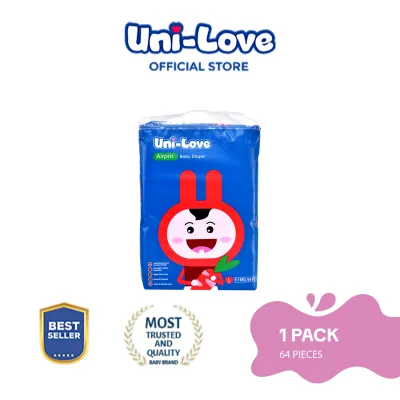
Prices are valid at publication and may change. Please refer to the product page for the latest price.
Finally, inspect the physical height and elasticity of the double leak-guard barriers around the thighs. In tropical climates, where babies may drink more fluids to stay hydrated, these barriers must stand upright to contain sudden, high-volume wetness. If you notice frequent blowouts or leg leaks, it is often a sign that the barrier height is insufficient for your baby’s current size or that the diaper has reached its saturation point. Adjust your changing frequency accordingly, aiming for more frequent changes during hot, humid afternoons to maintain skin health.
Comparing Comfort, Fit, and Skin Sensitivity
A diaper can have excellent absorbency, but if the materials are stiff or the fit is restrictive, your baby will experience discomfort. To evaluate comfort, begin by verifying the material labels on the packaging of Unilove, Pampers, Huggies, and Equator. Look for terms like “cottony soft,” “breathable back sheet,” or indications of hypoallergenic materials. In the Philippines, high humidity makes breathability essential; a diaper with a plastic-like outer cover traps heat and sweat, significantly increasing the risk of diaper dermatitis and heat rash.

The elasticity of the waistband and leg cuffs is another critical factor for active babies. Gently stretch the waistband of each diaper before putting it on your baby. It should expand easily and retract smoothly without feeling stiff or abrasive. After your baby has worn the diaper for a few hours, check the skin around the waist and thighs during a change. If you observe deep red marks or indentations, the elastic may be too tight, or the diaper cut may not suit your baby’s body shape. A proper fit should be snug enough to prevent gaps but gentle enough to leave no lasting impressions on the skin.
Skin sensitivity varies wildly from one infant to another. Some diaper lines incorporate soothing additives like aloe vera, chamomile, or vitamin E into the top sheet to protect the skin barrier. However, some babies may react negatively to added fragrances or botanical extracts. Monitor your baby’s skin closely during the first few days of trying any new brand. If you notice persistent redness, small bumps, or signs of discomfort, stop using that specific diaper immediately. Keep the area clean and dry, and consult a pediatrician if the irritation does not improve within 24 to 48 hours.
Analyzing Price and Value Across the Four Brands
Managing a household budget requires looking past the shelf price of a diaper pack and calculating the actual cost per piece. Because pack sizes vary significantly between Unilove, Pampers, Huggies, and Equator—ranging from small travel packs to jumbo boxes—comparing the total package price can be highly misleading. To find the true value, divide the total cost of the pack by the number of diapers inside to determine the price per diaper (₱). Keep a simple log of this unit price as your baby grows, as the cost per piece typically increases with larger sizes.
Size-specific pricing is an important variable to factor into your long-term budget. As your baby transitions from newborn to small, medium, large, and extra-large sizes, the number of diapers per pack usually decreases while the pack price remains similar. This means your cost per diaper will rise over time. To offset these increases, evaluate the cost-effectiveness of bulk purchases or subscription models versus smaller trial packs. While bulk boxes offer a lower unit price, they represent a larger upfront investment and carry the risk of wastage if your baby suddenly outgrows the size before the box is finished.
Additionally, always verify the final checkout prices on your preferred online marketplaces or at local retail stores. Promotional discounts, vouchers, and bundle deals can significantly alter the price per diaper. However, be cautious of hidden costs such as shipping fees or high minimum spend thresholds required to unlock discounts on ecommerce platforms. Factor these extra expenses into your final calculation to ensure that a perceived discount is genuinely saving you money.
Side-by-Side Specification Checklist
To make an objective decision, it is helpful to compile your observations and pricing data into a structured format. Because manufacturers frequently update diaper designs, materials, and sizing specifications, you should verify these details directly from the physical packaging or official brand stores at the time of purchase. Use the following checklist template to compare Unilove, Pampers, Huggies, and Equator based on your local availability and current market prices.
| Evaluation Dimension | Unilove | Pampers | Huggies | Equator |
|---|---|---|---|---|
| Core Technology Claim | Verify on package | Verify on package | Verify on package | Verify on package |
| Top-Sheet Texture | Verify on package | Verify on package | Verify on package | Verify on package |
| Wetness Indicator | Yes / No | Yes / No | Yes / No | Yes / No |
| Waistband Elasticity | Rate: Low / Med / High | Rate: Low / Med / High | Rate: Low / Med / High | Rate: Low / Med / High |
| Available Weight Range | Check size chart | Check size chart | Check size chart | Check size chart |
| Price per Diaper (₱) | Calculate local price | Calculate local price | Calculate local price | Calculate local price |
Note: Always refer to the manufacturer’s weight guidelines printed on the packaging rather than relying solely on age recommendations, as babies of the same age can vary significantly in weight and build.
Decision Framework: Which Brand Fits Your Baby's Needs?
Choosing the right diaper is rarely about finding a single universal winner; instead, it is about matching a brand’s specific strengths to your daily routine and your baby’s developmental stage. By mapping out different scenarios, you can optimize both comfort and cost. For overnight long-wear, prioritize diapers that feature advanced SAP distribution and high-capacity cores to prevent sleep-disrupting leaks. For daytime high-frequency changes, especially during hot weather when frequent changes are necessary to prevent sweat rash, a highly cost-effective option with basic, reliable absorbency may be the most practical choice.
If your baby has highly sensitive skin or is prone to eczema, prioritize diapers that explicitly state they are hypoallergenic, fragrance-free, and highly breathable. Before committing to a large bulk purchase of any brand, always buy a small trial pack first. This allows you to test the fit, observe how the materials interact with your baby’s skin, and verify the diaper’s real-world absorbency over a few days without risking a large financial loss.
As your baby grows and becomes more active, keep a close eye on physical cues that signal it is time to switch sizes or brands. Frequent leaks, sagging even when the diaper is not fully saturated, or red marks around the thighs and waist are clear indicators that the current diaper no longer fits properly. Additionally, if your baby begins crawling or walking, you may need to transition from tape-style diapers to pants-style diapers to accommodate their movement and make changing times easier.
Frequently Asked Questions (FAQ)
Can I mix different diaper brands for day and night use?
Yes, mixing different diaper brands is a highly effective strategy used by many parents to balance performance and budget. You can use a highly absorbent diaper for overnight sleep or long outings where changes are difficult, ensuring your baby stays dry and comfortable for extended periods. During the day, when you can change your baby more frequently, you can switch to a more economical brand. This hybrid approach allows you to maximize the value of budget-friendly diapers while reserving high-performance options for when they are truly needed, ultimately lowering your overall monthly diaper expenses.
How do I know if a diaper brand is causing a rash?
To determine if a specific diaper brand is causing a rash, observe the pattern and timing of the skin irritation. A rash caused by sensitivity to a diaper’s materials, fragrances, or chemicals typically presents as localized redness, bumps, or scaling directly where the diaper contacts the skin, such as the waistband or leg cuffs. In contrast, a rash caused by prolonged exposure to moisture or friction usually appears in the skin folds and creases. If a rash develops shortly after switching to a new brand and does not improve with frequent changes and barrier creams, stop using that brand immediately. If the rash persists, spreads, or causes your baby distress, consult a pediatrician for proper diagnosis and treatment.

Community discussion
Share your experience or ask a question. Comments are reviewed before publication.