
Quick Answer: Is Unilove the Gentlest Choice for Sensitive Skin?
Finding the ideal baby wipe for sensitive skin in the Philippines is rarely a one-size-fits-all decision. If you are considering the popular unilove wipes pack of 6, the short answer is that while Unilove offers highly competitive, budget-friendly options that many parents rely on, whether it is the absolute gentlest choice depends entirely on your baby’s specific skin triggers.
Sensitive infant skin can react to a variety of different elements, such as specific preservatives, added botanical extracts, or even the physical friction of the fabric itself. While Unilove has variants specifically formulated to minimize the risk of irritation, other brands in the local market might use different preservative systems or alternative cloth materials that could suit your baby’s skin barrier better.
Therefore, parents must look beyond brand names and general marketing claims. The right choice requires matching the specific formulation of the wipe variant you buy to your child’s unique skin tolerance, especially in a warm, humid climate where diaper rash and sweat-induced irritation are common daily challenges.
Products mentioned in this guide
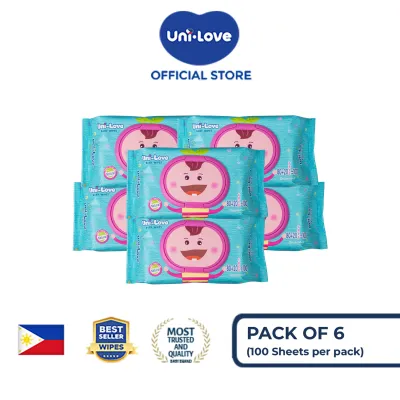
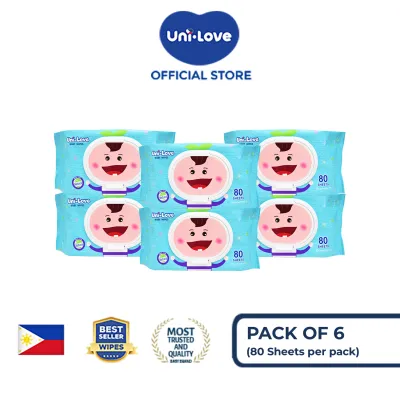
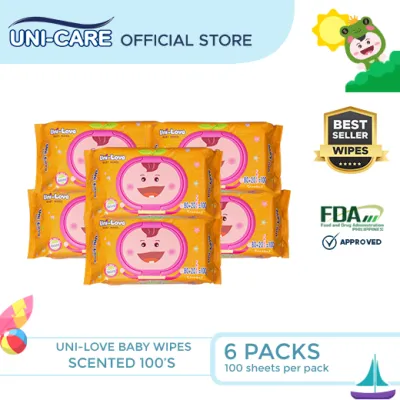
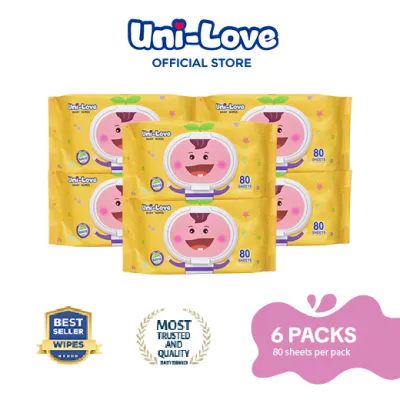
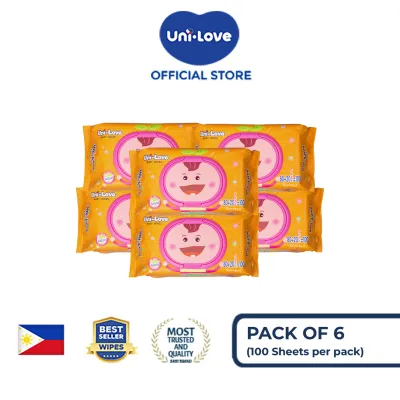
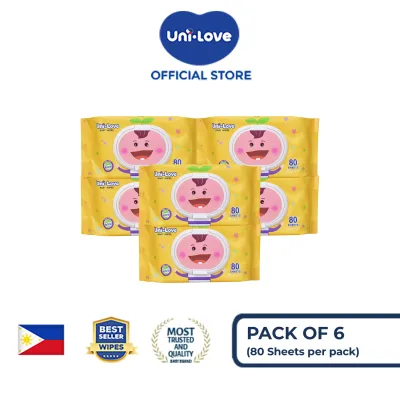
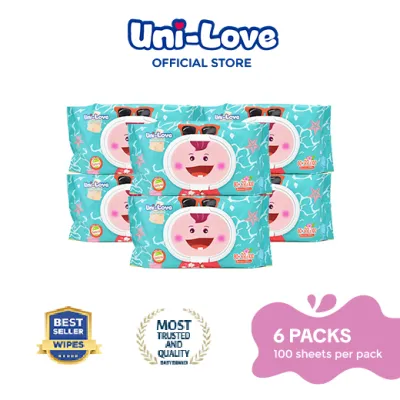
Prices are valid at publication and may change. Please refer to the product page for the latest price.
Crucial Ingredient Checks for Sensitive Baby Skin
When comparing Unilove with other baby wipe brands, the ingredient list on the back of the pack is your most reliable guide. Infant skin is significantly thinner and more permeable than adult skin, making it highly susceptible to chemical irritants and contact dermatitis. Knowing which ingredients to avoid and which to look for can help you prevent painful rashes and skin barrier damage.

Ingredients to Avoid:
- Drying Alcohols: Always check labels for drying alcohols like ethanol or isopropyl alcohol. These ingredients strip away the skin's natural lipid barrier, leading to severe dryness and increased vulnerability to irritants, which is particularly problematic in tropical climates where sweat and friction already stress the diaper area.
- Synthetic Fragrances: Often listed simply as "Parfum" or "Fragrance," these are a leading cause of contact allergies in infants. Scented wipes might mask odors, but they introduce unnecessary chemical complexity to a baby's delicate skin.
- Harsh Preservatives: Avoid wipes containing parabens, methylisothiazolinone (MIT), or formaldehyde-releasing preservatives. While preservatives are mandatory to prevent bacterial and mold growth in wet wipes, some are known sensitizers that can trigger allergic reactions.
Ingredients to Look For:
- Purified Water (Aqua): This should always be the primary ingredient, ideally making up over 99% of the formulation for sensitive skin variants.
- Soothing Botanicals: Naturally derived additives like aloe vera, chamomile, or calendula can offer mild anti-inflammatory and soothing benefits, provided your baby does not have a specific botanical allergy.
- Mild Preservatives: Look for highly tolerated, food-grade preservatives such as sodium benzoate, citric acid (used to balance pH), or potassium sorbate, which protect the product from microbial contamination with a lower risk of skin irritation.
Verifying Claims: Marketing terms like “hypoallergenic” or “dermatologically tested” are not legally binding guarantees of safety. They indicate that the product has undergone some level of testing, but the specific protocols, panel sizes, and results are rarely disclosed on the packaging. To protect your baby, turn the pack over and read the full ingredient list yourself, and look for recognized third-party safety seals or certifications rather than relying solely on front-of-pack marketing claims.
Evaluating Unilove Wipes Pack of 6 and Bulk Options: What to Expect
Bulk purchasing is highly popular among Filipino families due to its practical cost-efficiency. Diaper changes are frequent, and buying a unilove wipes pack of 6 is a common way to ensure a steady supply while keeping household expenses manageable. These bulk packs are widely available in local supermarkets, baby specialty stores, and online marketplaces, making them a highly accessible choice for daily, high-volume use.
However, when purchasing bulk packs, you must verify the exact variant included in the bundle. Unilove produces several types of wipes, and they are not all formulated equally. For instance, their unscented or “pure water” variants are designed with sensitive skin in mind, focusing on a simpler, fragrance-free formula. Conversely, other variants within their product portfolio may contain fragrances or active antibacterial agents that are excellent for cleaning hands, toys, or high chairs but are too harsh for a newborn’s delicate diaper area. Always read the packaging details of the specific bundle before finalizing your purchase to avoid accidentally buying a scented or active-ingredient variant for sensitive skin.
Once you open a new pack from your bulk supply, perform a physical inspection of the product. High-quality sensitive wipes should feel adequately moist but not dripping wet. They should have no detectable chemical or floral odor if labeled unscented. The fabric should feel soft to the touch and possess sufficient structural integrity; if a wipe tears easily during a diaper change, it increases the risk of messy cleanups and forces you to use more friction on your baby’s skin, which can trigger redness and irritation.
How Unilove Compares to Other Brands Across Key Dimensions
To make an informed choice, parents should compare Unilove against other popular local and international brands across several physical and functional dimensions. Evaluating these factors helps you understand how different products perform in real-world scenarios, particularly under the demanding conditions of a tropical climate.
Material Texture and Friction
The physical texture of a baby wipe plays a massive role in maintaining skin health. Baby wipes are typically made from non-woven spunlace fabric, which can be finished as a smooth, flat sheet or embossed with a textured pattern, such as dots or honeycombs. Textured wipes are highly effective at grabbing and lifting solid messes with fewer passes, which many parents appreciate for quick diaper changes.
However, for babies with highly sensitive or easily irritated skin, smooth wipes are often the safer choice. Smooth surfaces generate less mechanical friction against the skin barrier during wiping. If your baby is currently dealing with diaper rash or has a condition like eczema, the repetitive rubbing of a textured wipe can exacerbate the irritation. When comparing Unilove to other brands, feel the fabric thickness and surface smoothness; a thicker, smoother wipe often provides a gentler glide than a thin, heavily textured alternative.
Moisture Levels and Formulation
The balance of moisture in a wipe affects both its cleaning efficiency and its potential to cause skin irritation. Pure water-based wipes, which typically consist of 99% or more purified water and a minimal preservative system, leave almost no chemical residue on the skin. This clean finish is ideal for sensitive skin because it prevents the buildup of ingredients that could cause irritation over time.
On the other hand, some brands infuse their wipes with moisturizing lotions, oils, or specialized cleansers. While these additives can make the wipe feel incredibly soft and leave a protective barrier on healthy skin, they can also leave a film that traps moisture or triggers contact allergies in highly sensitive babies. Additionally, pay attention to the saturation level: wipes that are too dry require more physical pressure to clean, while overly saturated wipes leave the diaper area excessively wet, contributing to skin maceration and fungal diaper rashes in warm, humid weather.
Packaging and Humidity Protection
In the Philippines, the hot and humid climate presents a unique challenge for storing wet wipes. If a package does not seal properly, the wipes will dry out rapidly, rendering them useless and increasing friction if you attempt to use them. Furthermore, a poor seal allows airborne bacteria and mold spores to enter the pack, which can quickly multiply in the warm environment.
When comparing brands, evaluate the packaging design closely. Wipes featuring a rigid plastic flip-top lid over a resealable sticker offer far superior protection compared to those with only a simple adhesive sticker seal. The plastic lid creates a tight barrier that preserves moisture levels and maintains hygiene throughout the lifespan of the pack. If you are buying bulk formats like a pack of 6, ensuring that each individual pack has a robust, functional lid is essential for maintaining product quality over several weeks of storage.
Decision Framework: Which Baby Wipes Should You Choose?
To help you make the final decision for your household, consider how your baby’s skin profile and your daily routine align with the following scenarios.
- Choose Unilove if: You have checked the ingredient list of a specific Unilove variant—such as their unscented or pure water options—and confirmed it contains no ingredients that trigger your baby's skin. Unilove is an exceptional choice if you are looking for a highly cost-effective, budget-friendly option for daily high-volume use, and you want the convenience of buying a unilove wipes pack of 6 to keep your nursery well-stocked. It offers a solid balance of softness, moisture, and reliable packaging at a highly accessible price point.
- Choose a Competitor if: Your baby's skin reacts to the specific mild preservatives or botanical extracts used in Unilove's formula, or if you prefer a highly specialized product type. For example, some parents choose premium brands that offer 100% biodegradable, plant-based bamboo fibers, or medical-grade sterile water wipes that feature an extremely stripped-back ingredient list. If your budget allows for a higher price per wipe and your baby requires these specialized materials, a premium competitor may be more suitable.
- Verify First if: Your baby has a diagnosed, severe skin condition, such as active eczema, severe diaper dermatitis, or open skin lesions. In these situations, stop comparing commercial wipe brands and consult a pediatrician or pediatric dermatologist. They can recommend specialized therapeutic cleansing routines or prescribe medicated creams, as even the gentlest commercial wet wipes can cause discomfort or delay healing on a severely compromised skin barrier.
Safe Usage and Storage Tips for Tropical Climates
Proper care and application techniques are just as important as choosing the right brand of baby wipes. In a tropical climate like the Philippines, taking extra precautions ensures your wipes remain safe, hygienic, and gentle on your baby’s skin.
- Storage: Always store your bulk packs of wipes in a cool, dry place, completely away from direct sunlight, heat sources, or humid areas like bathrooms. High temperatures can accelerate the evaporation of the liquid formula, alter the pH level of the solution, and potentially compromise the effectiveness of the preservative system, allowing harmful microbes to grow. Keep the plastic flip-top lid tightly closed after every single use to lock in moisture and keep out environmental contaminants.
- Usage Technique: When cleaning your baby's diaper area, avoid rubbing or scrubbing the skin vigorously. Instead, use a gentle patting or sweeping motion. Rubbing creates mechanical friction that can damage the delicate outer layer of the skin, making it more susceptible to diaper rash and chemical irritation. After wiping, let the skin air-dry completely, or gently pat it dry with a clean, soft cotton cloth or a dry tissue before putting on a fresh diaper. Locking in excess moisture under a diaper in a hot climate is a primary cause of fungal infections.
- Patch Testing: Before introducing any new wipe brand or variant to your daily routine, always conduct a simple patch test. Gently wipe a small, discreet area of your baby's skin, such as the inner thigh or the inside of the arm, with the new wipe. Wait 24 hours and monitor the area closely for any signs of redness, swelling, bumps, or itching. If no reaction occurs, you can proceed with using the wipes for regular diaper changes. If you notice any irritation, discontinue use immediately and consult your pediatrician.
Community discussion
Share your experience or ask a question. Comments are reviewed before publication.