
Choosing between Unilove, Pampers, and Huggies depends heavily on your baby’s unique body shape, skin sensitivity, and your family’s budget. Because diaper performance varies significantly from one baby to another, there is no single universal winner. In the warm, humid climate of the Philippines, finding a diaper that balances moisture control with skin breathability is essential for daily comfort. Instead of relying on general claims, this guide provides a practical framework to help you evaluate absorbency, test the physical fit, and calculate the true cost per diaper, empowering you to make the best choice for your baby’s daily comfort and your peace of mind.
Every baby has a different activity level and physical build, meaning a diaper that works excellently for one family might cause leaks or irritation for another. By focusing on observable signs—such as skin dryness, elastic marks, and actual usage rates—you can systematically determine which brand aligns with your parenting routine. Let us explore how to test and compare these three popular options in your own home.
Evaluating Absorbency and Leak Protection
Absorbency is the primary defense against diaper rash and sleep disruptions, making it the most critical factor to test. When evaluating Unilove, Pampers, or Huggies, start by observing the accuracy and color-change speed of the wetness indicator. In high-humidity tropical environments, ambient moisture can sometimes cause indicators to change color slightly even before the diaper is heavily soiled. Therefore, treat the indicator as a helpful guide rather than an absolute rule, and always verify wetness with a quick manual check.
Products mentioned in this guide

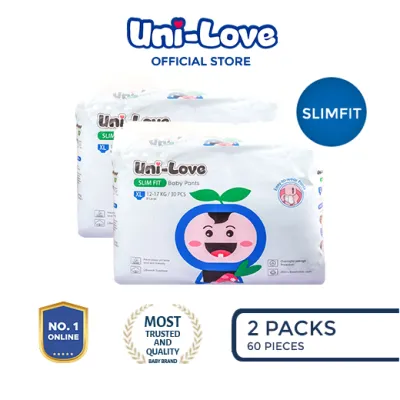




Prices are valid at publication and may change. Please refer to the product page for the latest price.
Next, pay close attention to how the diaper’s core responds to heavy wetting. Look for structural sagging, gel bead leakage, or clumping when the diaper is full. High-quality superabsorbent polymers should distribute liquid evenly across the core rather than letting it pool in one spot. If a diaper clumps heavily or sags between your baby’s legs, it can restrict their natural movement and cause friction against the inner thighs, potentially leading to skin chafing.
Monitoring overnight dryness is another excellent way to gauge performance. When your baby wakes up in the morning, run a clean, dry finger along the inner lining of the diaper. The material should feel dry to the touch, indicating that the moisture-lock layer has successfully pulled wetness away from the skin. If the skin feels damp, clammy, or cold, the diaper may not be venting heat or locking away liquid effectively enough for long stretch use.
Finally, note how the diaper handles active play during the hottest parts of the day. Warm weather increases perspiration, which can compound diaper wetness. A diaper with poor breathability will trap heat, leading to a sweaty waistband and an increased risk of heat rash. Check if the outer cover feels excessively warm or if the skin underneath shows signs of localized perspiration after active crawling or walking.
Comparing Fit, Sizing, and Comfort
A diaper can have excellent absorbency, but if the physical cut does not match your baby’s proportions, leaks are inevitable. Begin your fit assessment by examining the waistband stretch, flexibility, and fastener grip. During active movement, the waistband must expand and contract smoothly without slipping down. Fastener tabs should secure firmly to the landing zone and remain anchored even when your baby twists, rolls, or sits up.

Leg cuffs require equal scrutiny to ensure a reliable seal. Run your finger along the elastic leg bands after putting the diaper on to ensure the inner guards are flared outward rather than tucked inward. The cuffs should fit snugly in the groin crease to prevent liquid from escaping, but they must not leave deep, persistent red marks on your baby’s thighs. If you notice deep indentations that do not fade within a few minutes of diaper removal, the elastic may be too tight or the cut may be too narrow for your baby’s build.
It is also important to adjust your size expectations when switching between brands. Weight ranges printed on diaper packaging are general guidelines and often overlap significantly. A baby who fits comfortably in a medium-sized diaper from one brand might require a large in another due to differences in waistband height, hip width, and overall fabric stretch. If your baby is near the upper limit of a size bracket, or if they have particularly chubby thighs, sizing up is often the easiest way to prevent side leaks.
Lastly, evaluate the diaper’s overall bulkiness and how it interacts with your baby’s everyday clothing. In tropical climates, babies often wear lightweight, single-layer cotton onesies or simple t-shirts. A bulky, thick diaper can bunch up under clothing, restricting movement and trapping extra heat. A thinner, more streamlined profile can offer greater freedom of movement while still providing adequate containment, provided the core technology is efficient.
Calculating Overall Value and Cost per Diaper
Determining the true financial value of a diaper brand requires looking beyond the upfront price of a single package. To establish a clear budget comparison, calculate the exact cost per piece (₱) across different pack sizes and product lines. Divide the total retail price of the pack by the number of diapers inside. Generally, larger bulk boxes or mega packs offer a lower cost per unit than small travel packs, though travel packs remain highly useful for initial testing.
Your calculation must also factor in daily change frequency. A lower-priced diaper is not necessarily more economical if its absorbency limits require you to change your baby twice as often to prevent leaks. For instance, if a slightly more expensive diaper keeps your baby dry for six hours without leaking, while a cheaper alternative requires a change every three hours, the pricier option may actually reduce your overall monthly diaper consumption and save you money.
Availability and convenience also play a significant role in long-term value. Consider how easy it is to source your preferred brand in your local area. Relying on a brand that is frequently out of stock at your local supermarket can lead to stressful, last-minute brand switches. Compare the convenience of purchasing bulk boxes online with the immediate availability of smaller packs at nearby convenience stores or pharmacies for emergency situations.
To optimize your spending, monitor official brand stores on major ecommerce platforms for recurring promotions, bundle deals, or subscription discounts. Many brands offer significant markdowns during monthly sales campaigns or holiday events. Stocking up on your baby’s current size during these promotional windows can substantially lower your average cost per diaper over the course of a year.
Decision Framework: Choosing the Right Diaper
To finalize your choice, synthesize your observations of your baby’s physical comfort, skin reaction, and your household budget into a clear decision framework. Because diaper performance is highly individualized, the best brand is simply the one that matches your baby’s current developmental stage and physical proportions without causing skin irritation or financial strain.
Consider choosing Unilove if you find its specific cut aligns well with your baby’s thigh shape and the local pack sizes fit comfortably within your monthly household budget. This brand is often favored by families looking for a practical, cost-effective daily option that performs reliably during regular daytime change intervals.
Opt for Pampers if your baby responds well to its specific material lining and you prefer its wetness indicator design for timely, hassle-free changes. This option is highly suitable for parents who prioritize a soft inner texture and a lightweight, low-profile design under thin summer clothing.
Select Huggies if your baby’s body proportions benefit from its specific leg cuff structure and waistband design to minimize side gaps and back leaks. This brand is particularly useful for highly active babies who require a secure, stay-in-place fit during crawling, climbing, and walking.
Before committing to a bulk purchase of any brand, verify if your baby has highly sensitive skin. Always perform a trial run with a smaller pack to check for localized redness or irritation. If your baby develops a persistent diaper rash or skin inflammation, stop using the diaper immediately, ensure the area is kept clean and dry, and consult a qualified pediatrician or healthcare professional for guidance.
Frequently Asked Questions (FAQ)
How do I know if I need to size up in a specific brand?
You can identify the need to size up by looking for clear physical signs rather than relying solely on the manufacturer’s weight chart. If you notice persistent red marks or deep elastic indentations on your baby’s thighs or waist after diaper removal, the diaper is too tight. Frequent leaks or sudden blowouts, especially around the leg cuffs or back waistband, also indicate that the diaper’s capacity and coverage area are no longer sufficient. Additionally, if the fastener tabs struggle to reach the center panel securely or pop open during movement, it is time to transition to the next size.
Can I mix different diaper brands for day and night use?
Yes, mixing diaper brands is a highly practical and cost-effective strategy for many families. You can balance your monthly budget by using a standard, lower-cost diaper for frequent daytime changes when you can easily monitor and replace it. For overnight use or long outings, you can switch to a highly absorbent diaper designed to lock away moisture for extended periods. If you choose to mix brands, ensure both options fit your baby well to avoid adjusting clothing sizes, and monitor your baby’s skin closely to ensure that switching between different inner materials does not cause skin irritation.

Community discussion
Share your experience or ask a question. Comments are reviewed before publication.