
Choosing the right baby wipes in a tropical climate like the Philippines requires careful evaluation of ingredients and materials. High humidity, heat, and frequent sweating can exacerbate diaper rash and skin irritation, making sensitive skin particularly vulnerable to harsh chemicals. While Unilove has become a highly visible option during online sales and supermarket runs, determining how it compares to other popular brands requires looking past promotional banners and directly analyzing product labels, material structures, and your baby’s unique skin tolerance.
Every baby’s skin barrier is unique, and what works seamlessly for one infant might trigger redness or discomfort in another. To make an informed decision, caregivers must understand how to read ingredient lists, evaluate the physical properties of the wipes, and calculate the true value of their purchases. This guide provides a comprehensive framework to help you compare Unilove with other available options, ensuring you select a product that supports your baby’s skin health without compromising your budget.
Key Factors for Choosing Wipes for Sensitive Skin
A baby’s skin barrier is up to thirty percent thinner than an adult’s, making it highly susceptible to dryness, environmental irritants, and chemical sensitivity. When evaluating baby wipes, the first line of defense is identifying and avoiding common chemical irritants on the ingredient label. Alcohol is a primary culprit to avoid, as it strips natural oils and dries out the skin, leading to micro-cracks and irritation. Synthetic fragrances and harsh preservatives, such as parabens or methylisothiazolinone, are also known triggers for contact dermatitis and should be avoided entirely for sensitive skin.
Products mentioned in this guide
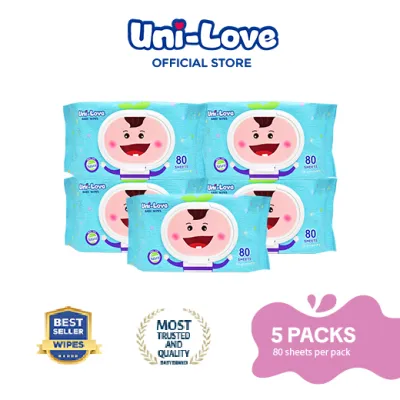
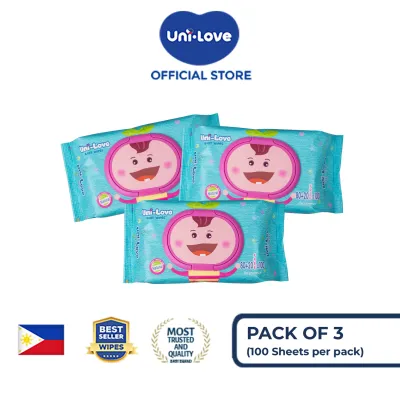
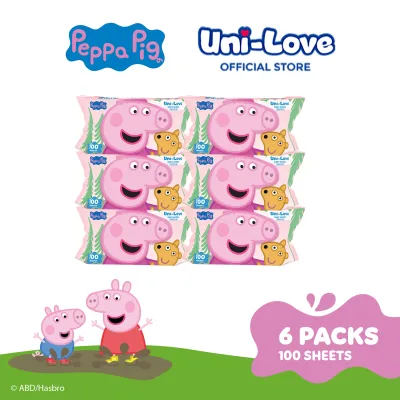
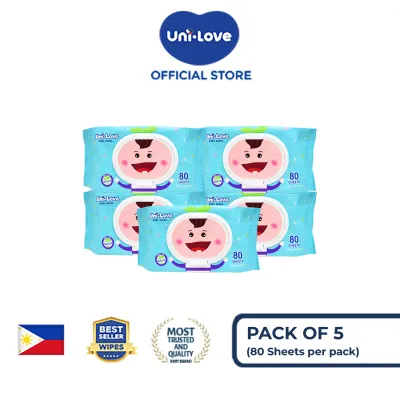
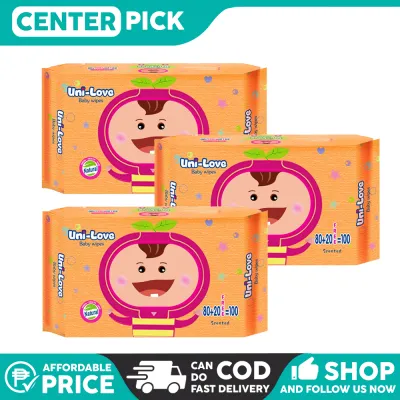
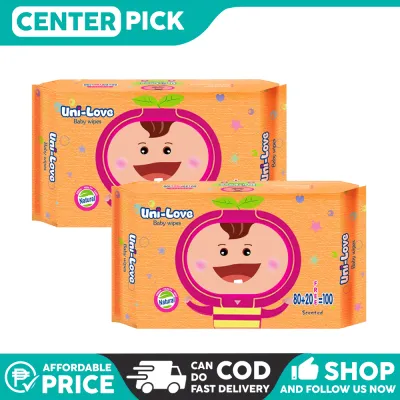
Prices are valid at publication and may change. Please refer to the product page for the latest price.
Maintaining the skin’s natural pH is another critical factor in preventing diaper rash and bacterial growth. Healthy baby skin typically has a slightly acidic pH of around 5.5, which helps maintain the protective acid mantle. Wipes formulated to match this pH level help preserve this natural barrier. When shopping, look for explicit “pH-balanced” claims on the packaging, and verify if the manufacturer provides details on the dermatological testing standards used to back up these assertions.
Beyond the liquid formulation, the physical material of the wipe plays a significant role in skin health. Rough or thin fibers can cause mechanical irritation through friction during cleanup, especially when dealing with stubborn messes. A high-quality wipe should be soft, thick, and pliable enough to clean effectively with minimal strokes. This minimizes friction and prevents the physical disruption of the delicate skin barrier during daily diaper changes.
Evaluating Unilove Baby Wipes for Sensitive Skin
To determine if Unilove baby wipes are suitable for your baby’s sensitive skin, start by closely examining the packaging of the specific variant you plan to purchase. Unilove offers several options, including unscented and scented versions. For sensitive skin, locate the ingredient list on the back of the pack and verify that it is free from added fragrances, alcohol, and harsh preservatives. Checking the exact placement of ingredients can also give you an idea of their concentration within the formula.

Next, assess the physical attributes of the wipe as described on the label and through direct handling. Look for indications of material thickness, often measured in grams per square meter or described as “extra thick” on the packaging. A thicker wipe helps protect your hands during use and reduces the number of sheets required per change. Additionally, check the label for texture descriptions, such as embossed or cross-woven patterns, which are designed to lift residue efficiently without requiring excessive rubbing.
Finally, look for specific certifications or testing claims printed on the Unilove packaging. Claims such as “hypoallergenic,” “pediatrician-tested,” or “suitable for sensitive skin” indicate that the formulation has undergone evaluation. However, because labeling standards can vary, caregivers should treat these claims as indicators to verify. Check the manufacturer’s official documentation or website to understand the testing protocols and ensure they align with your standards for sensitive skin care.
Comparing Unilove to Other Popular Brands
When comparing Unilove to other popular baby wipe brands available in the Philippines, it is helpful to focus on three main areas: everyday accessibility, label transparency, and physical wipe properties. The local market offers a wide range of options, from budget-friendly local brands to premium imported sensitive-skin specialties. Understanding how these brands stack up against each other allows you to balance cost and performance effectively.
It is important to remember that there is no universal “best” wipe for every baby. A product that performs exceptionally well for one infant might cause a mild reaction in another due to specific, individual skin triggers. By focusing on objective comparison criteria rather than brand popularity, you can identify the specific formulation and material that best support your baby’s skin health.
Ingredients and Fragrance Additives
Comparing the ingredient lists of Unilove and competing brands reveals how different manufacturers approach preservation and scent. Some brands rely on traditional preservative systems that may include phenoxyethanol, while others utilize alternative, plant-derived preservatives. When reading labels, check for the presence of parabens, phenoxyethanol, and essential oils, as these substances can sometimes cause reactions in highly sensitive or compromised skin.
It is also crucial to understand the distinction between “unscented” and “fragrance-free” labels on baby wipes. An unscented wipe may still contain chemical masking agents designed to neutralize the natural odors of the active ingredients, which can occasionally irritate sensitive skin. A truly fragrance-free wipe contains no added scent chemicals or essential oils whatsoever. Always prioritize fragrance-free options when dealing with reactive skin or conditions like eczema.
To identify hidden fragrances or potential irritants on any brand’s packaging, use this quick checklist when reading the ingredient list:
- Look for generic terms like "parfum" or "fragrance," which can represent a mixture of undisclosed chemicals.
- Check for specific aromatic compounds such as limonene, linalool, or geraniol, which are common fragrance components.
- Identify natural essential oils, such as lavender, citrus, or tea tree oil, which can act as contact allergens despite their natural origin.
- Verify that the preservative system does not rely on formaldehyde releasers or methylisothiazolinone.
Wipe Material and Texture
The physical texture of a baby wipe directly influences how gently it cleanses the skin. Unilove and several competing brands offer embossed textures, which feature raised patterns or 3D pearls designed to trap and lift mess easily. Other brands opt for completely smooth sheets, which glide easily over flat areas but may require more physical wipes to clean textured skin folds. Embossed textures are generally preferred for minimizing the number of wipes needed, thereby reducing friction.
Thickness and durability are equally important when comparing physical properties. Thin wipes tend to bunch up, tear, or allow moisture to seep through during use, which often leads to more aggressive wiping and increased skin irritation. Thicker wipes maintain their structural integrity, providing a reliable barrier between your hand and the mess while ensuring a gentler, more consistent clean with fewer strokes.
The fiber composition of the wipe material also varies across brands. Many standard wipes utilize synthetic non-woven fabrics, such as polyester or polypropylene blends, which are strong and cost-effective but can sometimes feel slightly rough. Premium sensitive-skin alternatives often incorporate plant-based fibers, such as viscose, bamboo, or cotton. These natural fibers are typically softer and highly absorbent, making them gentler on compromised skin barriers.
Moisture Content and Preservatives
The moisture level of a baby wipe must be carefully balanced to ensure effective cleaning without causing skin issues. If a wipe is too dry, it increases friction and requires more physical rubbing to clean the skin, which can damage the delicate epidermal barrier. Conversely, if a wipe is too wet, it can leave excess moisture sitting in the baby’s skin folds. In the humid Philippine climate, lingering moisture can create a breeding ground for fungal infections, such as candidal diaper rash.
Because water-based wipes are highly susceptible to bacterial and mold growth, effective preservative systems are absolutely necessary. Manufacturers must balance the need for robust preservation with the risk of skin sensitization. Compare the preservatives used across different brands; milder options like sodium benzoate, citric acid, and potassium sorbate are widely used in sensitive-skin formulations to keep the wipes sterile while minimizing the risk of contact allergies.
Many brands also enrich their wipe solutions with soothing agents, such as aloe vera, chamomile, or vitamin E, to help calm irritated skin. While these additives can be beneficial for normal skin, they can occasionally act as allergens for babies with highly reactive skin or active eczema. When introducing a wipe with added botanical extracts, monitor your baby’s skin closely to ensure these soothing ingredients do not trigger an unexpected reaction.
Assessing Price and Value Across Brands
When managing household expenses, evaluating the cost-effectiveness of baby wipes requires looking beyond the initial retail price in ₱. To find the true value, calculate the cost per individual wipe by dividing the total price of the pack by the number of sheets it contains. A pack that seems inexpensive upfront may actually contain fewer sheets or thinner wipes, requiring you to use twice as many per diaper change compared to a slightly more expensive, thicker option.
Buying in bulk is a highly effective way to reduce your overall expenditure on baby wipes. Many brands, including Unilove, offer significant discounts on multi-packs or box sets during online marketplace sales or supermarket promotions. If you have verified that a specific brand works well for your baby’s skin, purchasing larger quantities can lower the cost per wipe and ensure you always have a reliable supply on hand.
However, it is important to balance budget considerations with your baby’s skin needs. While standard budget wipes are highly economical for everyday use on normal skin, investing in premium, sensitive-skin wipes with high-quality plant fibers and minimal ingredients may be necessary if your baby is prone to severe diaper rash or eczema. In such cases, the reduced risk of skin irritation and potential savings on diaper rash creams can justify the higher cost per sheet.
Decision Guide: Which Wipes Should You Choose?
To help you make the best choice for your baby’s daily care, use this structured decision framework based on your specific needs, budget, and skin considerations.
Choose Unilove if:
- You have verified the ingredient list of the unscented variant and confirmed it is free from your baby's specific skin triggers.
- You prefer a wipe with a distinct thickness and embossed texture that helps clean messes with fewer sheets.
- The brand fits comfortably within your monthly budget, especially when taking advantage of bulk discounts and local sales.
Choose an alternative brand if:
- Your baby has a known sensitivity to specific preservatives or ingredients found in the Unilove formulation.
- You prefer wipes made from one hundred percent certified organic, biodegradable plant fibers like bamboo or pure cotton.
- You require a specialized, ultra-minimalist water wipe formulation with fewer than five ingredients for highly reactive skin.
Verify first if:
- Your baby has severe eczema, open wounds, or a persistent diaper rash that does not improve with standard care. In these situations, always perform a localized patch test or consult a pediatrician before introducing any new brand of wipes to ensure it will not worsen the condition.
Frequently Asked Questions (FAQ)
Can I use scented wipes if my baby has sensitive skin?
It is highly recommended to avoid scented wipes if your baby has sensitive skin. Synthetic fragrances and even natural essential oils are among the most common triggers for contact dermatitis and skin irritation in infants. These aromatic compounds can easily penetrate a compromised skin barrier, leading to redness, itching, and persistent diaper rash. For babies with sensitive skin or eczema, always opt for products explicitly labeled as fragrance-free rather than simply unscented, and verify the ingredient list to ensure no masking scents are present.
How do I safely test a new wipe brand on my baby?
To safely introduce a new wipe brand, perform a simple patch test before using it during a regular diaper change. Gently swipe a single wipe on a small, less sensitive area of your baby’s skin, such as the inner arm or the thigh, and wait twenty-four to forty-eight hours. Monitor the area closely for any warning signs of irritation, such as redness, dryness, swelling, or a raised rash. If any of these symptoms appear, discontinue use immediately, wash the area with clean water, and consult your pediatrician if the reaction persists.

Community discussion
Share your experience or ask a question. Comments are reviewed before publication.