
Choosing the right diaper for your baby in the Philippines requires balancing several practical factors, including tropical humidity, active movement, and household expenses. While established global brands like Pampers and Huggies have long been household names in Filipino homes, newer alternatives like Unijoy have gained popularity as budget-friendly options. Finding the best fit for your little one involves looking beyond marketing claims to evaluate how each diaper performs under real-world conditions.
Every baby has a unique body shape, skin sensitivity level, and wetting pattern, meaning there is no single diaper that works perfectly for every household. A diaper that keeps one baby dry overnight might cause leaks or skin irritation for another. By understanding how to assess diaper design, test absorbency at home, and calculate the true cost per piece, you can build a customized diapering routine that keeps your baby comfortable without overstretching your budget.
Understanding Diaper Design and Sizing Basics
Before purchasing a large supply of diapers, it is essential to understand the design elements and sizing structures of Unijoy, Pampers, and Huggies. Each brand utilizes different manufacturing technologies to manage moisture and airflow. When examining diaper packaging, look closely at the manufacturer’s descriptions of the absorbent core and outer materials. Many modern diapers use a superabsorbent polymer (SAP) core designed to lock away liquid, combined with a breathable outer cover that allows heat and moisture to escape, which is particularly important in hot and humid tropical climates.
Products mentioned in this guide

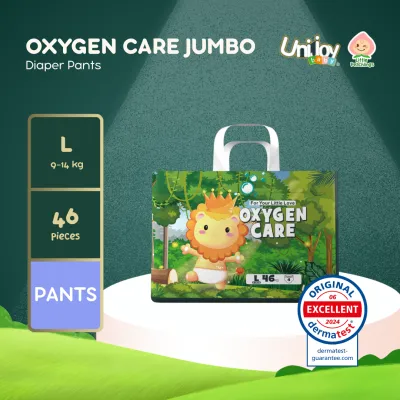

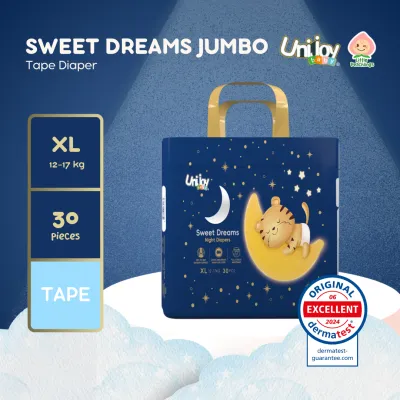
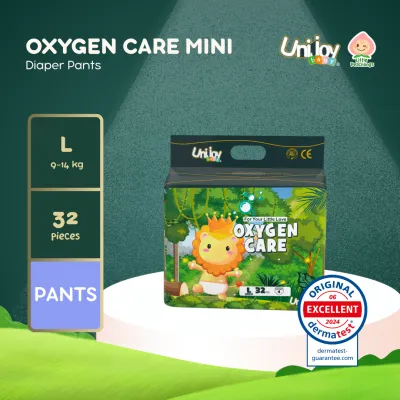

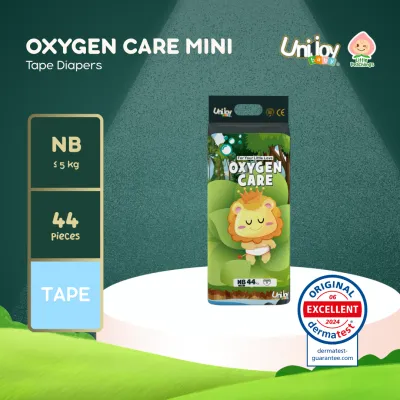
Prices are valid at publication and may change. Please refer to the product page for the latest price.
Sizing is another critical factor that varies significantly between brands. While diaper packaging always displays a recommended weight range, these numbers are general guidelines rather than absolute rules. A baby who weighs 8 kilograms might wear a medium in Pampers but require a large in Huggies or Unijoy due to differences in the cut of the leg openings or the stretchability of the waistband. To ensure a proper fit, compare the physical dimensions of the diapers side-by-side and observe how high the waistband sits on your baby’s torso.
To make an accurate comparison, you must also ensure you are evaluating equivalent product tiers. Both Pampers and Huggies offer multiple product lines, ranging from basic, budget-friendly options to premium, high-performance variants with specialized features like wetness indicators and extra-soft materials. Unijoy also offers different product lines designed for varying needs. Comparing an entry-level diaper from one brand to a premium line from another will not give you an accurate picture of their relative performance, so always check the specific product line name on the packaging.
Evaluating Absorbency and Leak Protection at Home
While diaper manufacturers often advertise long hours of dryness, the most reliable way to evaluate absorbency is through direct observation in your own home. You can perform a simple touch test during regular diaper changes to assess how well the core locks away moisture. After your baby has worn the diaper for a few hours, gently press a clean, dry paper towel against the inner lining of the wet diaper. If the paper towel remains dry, the diaper’s core is successfully keeping moisture away from your baby’s skin; if the paper towel dampens quickly, the surface material may be retaining wetness.

In addition to core absorbency, the physical structure of the leak guards plays a vital role in preventing messy accidents. Before putting a diaper on your baby, inspect the elastic leg cuffs and the inner barrier walls. These barriers should stand upright and feel soft yet resilient. When the diaper is fastened, the leg cuffs should wrap snugly around your baby’s thighs without leaving gaps, acting as a physical barrier against liquid escape. If the elastic is too loose or the barrier walls are too flat, leaks are much more likely to occur, regardless of the core’s absorbency.
Monitoring the frequency and timing of leaks can help you determine if a specific brand or size is meeting your baby’s needs. If leaks occur primarily during high-output periods, such as overnight sleep or long car rides, it may indicate that the diaper’s absorption capacity is being exceeded. Conversely, if leaks occur shortly after a change while your baby is crawling or playing, the issue is likely related to the fit or the flexibility of the elastic bands rather than the absorbency of the core itself.
Checking Fit, Comfort, and Skin Reactions
A diaper must fit your baby’s body comfortably to prevent physical discomfort and skin irritation. Every time you remove a diaper, take a moment to inspect your baby’s skin, particularly around the waistline and the thighs. Deep red marks, indentations, or chafing indicate that the elastic bands are too tight, the material is too stiff, or the diaper size is too small. A well-fitting diaper should leave only faint, temporary marks that fade quickly after removal, allowing your baby to move freely without restriction.
Skin sensitivity is a primary concern for parents, especially in warm climates where sweat and moisture can easily trap bacteria against the skin. Review the diaper packaging carefully for material lists, fragrance indicators, and skin-care claims. Some diapers are infused with mild lotions or fragrances to mask odors, while others are formulated to be completely fragrance-free and hypoallergenic. If your baby has sensitive skin, heavily fragranced diapers may increase the risk of contact dermatitis, making fragrance-free options a safer starting point.
To identify the cause of any skin irritation, keep a simple mental or written log of your baby’s skin condition. Note any redness or diaper rash and correlate it with recent changes, such as switching to a new diaper brand, introducing new solid foods, or experiencing a sudden rise in daily temperatures. If skin irritation develops immediately after transitioning to a new diaper brand and resolves when you switch back, your baby may be reacting to a specific material or adhesive used in that brand’s manufacturing process.
Calculating Value and Planning Usage Scenarios
Managing the ongoing cost of diapers requires looking beyond the retail price of a single package. To find the true value of each brand, calculate the cost per piece by dividing the total price of the pack by the exact number of diapers inside. For example, a pack costing ₱450 containing 50 diapers results in a cost of ₱9.00 per piece. Comparing these unit prices across Unijoy, Pampers, and Huggies allows you to see exactly how much you are spending per change and how those costs accumulate over a month.
Many experienced parents optimize their household budgets by adopting a hybrid diapering strategy. This involves using a highly cost-effective diaper, such as Unijoy, during the daytime when changes are frequent and easily managed. For overnight use or long outings when frequent changes are impractical, parents often transition to a premium, high-capacity diaper from Pampers or Huggies. This approach ensures your baby remains dry and comfortable during sleep while keeping your overall diaper expenses manageable.
Before making a bulk purchase, verify the current pricing, bundle deals, and official store promotions on major e-commerce platforms and online marketplaces. Buying in larger quantities or participating in subscription programs can significantly reduce the cost per piece. However, avoid stocking up on too many packs of a single size, as babies grow rapidly and may transition to the next size before you can finish your current supply.
Decision Framework: Matching the Diaper to Your Baby
Choosing between Unijoy, Pampers, and Huggies ultimately comes down to matching each brand’s characteristics to your baby’s physical needs and your family’s budget. If your home observations show that Unijoy provides reliable dryness during the day and your baby does not experience skin irritation, choosing this brand can lead to substantial long-term savings. It serves as an excellent, practical option for standard daily wear and frequent daytime changes.
If your baby is an exceptionally heavy wetter, has highly active movement patterns, or requires maximum overnight protection, investing in the specialized lines of Pampers or Huggies may be necessary. These established brands often feature advanced elastic waistbands, wetness indicators, and high-capacity absorbent channels designed to distribute liquid evenly and prevent sagging. These features can be particularly valuable for supporting uninterrupted nighttime sleep for both you and your baby.
Regardless of which brand you choose, always prioritize your baby’s comfort and health. If your baby has known skin sensitivities, eczema, or persistent diaper rash, consult a pediatrician before committing to a new diaper brand or making a bulk purchase. A medical professional can provide personalized guidance on managing skin health and help you identify which diaper materials are least likely to trigger an adverse reaction.
Frequently Asked Questions (FAQ)
How often should I change my baby's diaper regardless of the brand?
Pediatric guidelines generally recommend changing a newborn’s diaper every two to three hours, or immediately after a bowel movement. As babies grow and their bladder capacity increases, the interval between changes may extend slightly, but regular monitoring remains essential. In tropical climates, changing diapers promptly is crucial to prevent sweat and moisture buildup, which can quickly lead to painful heat rashes and skin infections.
Can I mix different diaper brands for daytime and nighttime use?
Yes, mixing diaper brands is a highly practical and cost-effective strategy for many families. Using a budget-friendly brand for daytime hours allows you to maintain frequent changes without high expenses, while reserving a premium, high-absorbency brand for nighttime ensures your baby stays dry throughout sleep. If you decide to use multiple brands, monitor your baby’s skin closely during the transition to ensure they do not experience adverse reactions to either material.
What are the signs that I need to size up my baby's diaper?
Several physical indicators suggest it is time to transition to a larger diaper size. If you notice persistent red marks around your baby’s thighs or waist, frequent leaks despite proper fastening, or if the waistband sits significantly below your baby’s belly button, the current size is likely too small. Before purchasing the next size, check the manufacturer’s weight chart on the packaging to ensure your baby falls within the recommended range for a secure fit.

Community discussion
Share your experience or ask a question. Comments are reviewed before publication.