
When choosing between Uni Love and other baby wipes for sensitive skin, there is no single brand that holds a universal title of being the absolute safest. The ideal choice depends entirely on your baby’s unique skin triggers, the specific ingredients used in the formulation, and how the wipe’s physical texture interacts with their skin barrier. Every baby’s skin is different, and what works seamlessly for one infant might cause immediate irritation for another.
Uni Love has gained a strong reputation among parents in the Philippines, frequently favored for its minimalist ingredient profiles and absence of harsh chemical irritants. This makes the brand an excellent baseline option for daily diaper changes. However, alternative brands might be necessary if your baby requires a thicker fabric to handle heavy messes with fewer passes, or if their skin responds better to a different level of moisture saturation.
It is important to remember that marketing terms like “hypoallergenic” or “dermatologically tested” are not absolute guarantees of safety. Parents should always perform a patch test by gently wiping a small, controlled area on the baby’s leg or arm and waiting 24 hours to monitor for any signs of redness or irritation. If your baby has a diagnosed skin condition such as eczema, consult a pediatrician before introducing any new topical product to their care routine.
Products mentioned in this guide
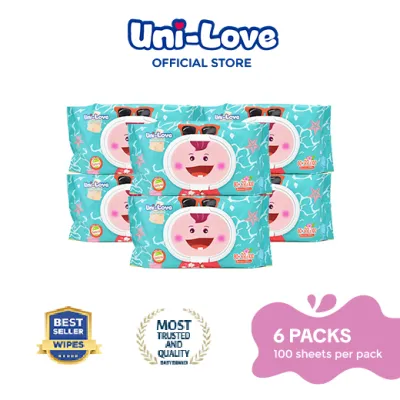
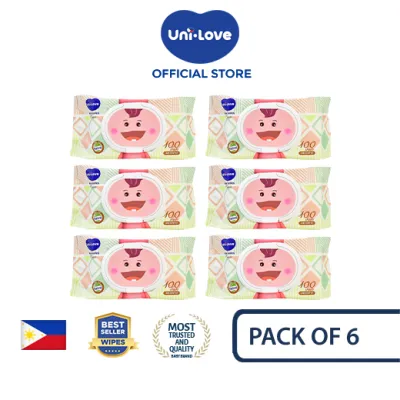
Prices are valid at publication and may change. Please refer to the product page for the latest price.
Ingredient Breakdown: Navigating Preservatives and Fragrances
Learning to read and interpret the ingredient list on the back of a package is far more reliable than relying on front-of-pack marketing claims. Manufacturers often highlight appealing terms like “pure” or “natural” in bold letters, but the actual chemical composition is only revealed in the fine print. Understanding these components allows you to make informed decisions rather than purchasing based on branding alone.
When evaluating wipes for sensitive skin, there are several common triggers you should actively look out for and avoid. Artificial fragrances, drying alcohols like ethanol or isopropyl alcohol, parabens, and harsh preservatives such as methylisothiazolinone are notorious for disrupting the delicate epidermal barrier. These substances can cause contact dermatitis, leading to painful rashes, dryness, and persistent skin discomfort during or after diaper changes.
Minimalist brands like Uni Love typically design their formulations around a high percentage of purified water combined with mild, food-grade preservatives like sodium benzoate and citric acid. This simple approach contrasts sharply with standard commercial wipes, which often incorporate botanical extracts like aloe vera, chamomile, or lavender. While these plant extracts are marketed as soothing, they actually contain complex organic compounds that can act as hidden allergens for highly sensitive skin.
Always make it a habit to check the exact ingredient list on the physical packaging upon delivery, as formulations can change or vary by region without immediate updates to online product descriptions. A formula that you purchased six months ago might have been subtly updated by the manufacturer to include a different preservative system or a new botanical oil. Verifying the physical label ensures you always know exactly what is touching your baby’s skin.
It is also crucial to distinguish between “fragrance-free” and “unscented” labels, as these terms carry different regulatory meanings. A fragrance-free product contains no added scent chemicals or masking agents whatsoever, making it the preferred choice for reactive skin. In contrast, an unscented product may actually contain chemical masking fragrances designed to neutralize the natural, sometimes unpleasant smells of the raw ingredients, which can still trigger allergic reactions.
Fabric Thickness, Texture, and Friction Control
The physical properties of a baby wipe play a direct role in skin health, as the amount of friction applied during a diaper change can either protect or damage the skin barrier. Repetitive rubbing with a rough or thin wipe can cause micro-tears in the stratum corneum, the outermost layer of the skin. Once this barrier is compromised, moisture, enzymes from stool, and bacteria can easily penetrate, leading to severe diaper rash.

Thicker, textured wipes—which are common among premium alternative brands—often feature embossed patterns or 3D honeycombs designed to lift waste away from the skin efficiently. Because these designs grab messes easily, caregivers can clean the diaper area using fewer passes. Minimizing the number of times you swipe across the baby’s skin directly reduces friction, which is highly beneficial for infants prone to redness.
Conversely, smoother and thinner wipes, which are common in many budget-friendly or minimalist water-based lines like certain Uni Love variants, feel incredibly soft to the touch but may require using more sheets per change. If a wipe is too thin, it can slip or fold over during use, requiring extra rubbing to clean sticky or heavy messes. This extra physical contact can inadvertently irritate highly sensitive skin if not handled with extreme care.
Moisture levels also dictate how much friction is generated during use. Wipes that are too dry will drag across the skin, causing mechanical irritation and discomfort. On the other hand, overly saturated wipes can leave behind excess moisture in the deep skin folds. In the humid climate of the Philippines, trapped moisture can easily contribute to diaper rash or fungal infections if the area is not patted dry with a clean cloth before a fresh diaper is applied.
When choosing a fabric type, consider your baby’s current developmental stage and the typical messes you need to clean. A smooth, highly saturated water wipe is often ideal for the liquid stool of newborns, as it cleanses gently without dragging. As your baby transitions to solid foods, transitioning to a thicker, textured wipe can help you manage heavier, stickier messes quickly and with minimal skin contact.
Packaging and Moisture Retention in Humid Climates
In tropical environments like the Philippines, packaging design is not just a matter of convenience; it directly affects product hygiene and longevity. High ambient temperatures and humidity levels can accelerate the evaporation of moisture from opened packages. Furthermore, warm, humid air can encourage the growth of environmental contaminants if the package is not sealed properly between uses.
When comparing packaging, hard plastic flip-lid closures consistently outperform simple adhesive sticker seals. A rigid plastic lid provides a secure, mechanical snap-lock that keeps the air out, ensuring that even the very top wipe in the stack remains moist and soft. This reliable seal prevents the wipes from drying out into rough, abrasive sheets that would otherwise have to be discarded.
While adhesive sticker seals are more compact and convenient for travel, they present distinct disadvantages over time. The adhesive surface easily collects dust, lint, diaper cream residue, and moisture from your hands, which rapidly degrades its stickiness. Once the sticker loses its seal, the wipes inside are exposed to the air, leading to premature drying and a higher risk of bacterial contamination.
Another important aspect of packaging is the dispensing mechanism, specifically whether the wipes pull out one at a time or pull out in a large, tangled clump. High-quality packaging designs utilize a pop-up system that separates each sheet cleanly. When wipes clump together, parents often pull out three or four sheets at once, leading to unnecessary waste and tempting them to stuff unused, potentially contaminated wipes back into the package.
Safe Purchasing: Using the Official Store and Verifying Labels
To safeguard your baby’s health, it is highly recommended to purchase baby care products exclusively from authorized physical retailers or the brand’s official digital storefronts. Buying through the uni love official store on reputable ecommerce platforms ensures that you are receiving authentic, properly stored merchandise. Counterfeit baby products are a growing issue, and their unregulated formulations can pose serious chemical risks to sensitive skin.
Purchasing from unauthorized third-party sellers carries significant risks that can directly impact your baby’s safety. These sellers may distribute expired inventory, products with tampered packaging, or counterfeit wipes manufactured in unhygienic facilities. Furthermore, unauthorized sellers often store their stock in hot, unventilated warehouses, which degrades the mild preservative systems in the wipes and allows mold or bacteria to multiply before the package even reaches your home.
When your order arrives, establish a quick inspection routine to verify the safety and integrity of the product before using it on your child:
- Verify the safety seal: Ensure the outer plastic wrap or the inner security sticker is completely intact and shows no signs of peeling or re-application.
- Check the dates: Look for clearly printed manufacturing and expiration dates on the back or bottom of the pack to confirm the product is fresh.
- Review the ingredient list: Confirm that the ingredients printed on the physical pack match the minimalist formula you researched online.
- Inspect the product: Pull out a single wipe to check for any unusual chemical odors, discoloration, or dry spots.
If you notice damaged packaging, an unusual or sour smell, or any discoloration in the liquid or fabric, stop use immediately. Do not attempt to use the wipes on your baby, and contact the manufacturer or authorized seller to report the issue and request a replacement. It is always better to err on the side of caution when dealing with an infant’s developing skin barrier.
Final Verdict: How to Choose the Right Wipe for Your Baby
Selecting the best wipe for your baby does not require finding a single, globally superior brand; instead, it requires matching the product’s specific characteristics to your baby’s daily skin needs and your household budget. Both Uni Love and alternative brands offer distinct advantages depending on how you prioritize ingredients, fabric performance, and cost.
Choose Uni Love if:
- You want a highly cost-effective option, with budget-friendly prices typically ranging from ₱50 to ₱90 per pack.
- Your baby has reactive skin that flares up when exposed to botanical extracts, essential oils, or masking fragrances.
- You prefer a straightforward, water-heavy formulation for routine, everyday diaper changes.
Choose Alternative Brands if:
- Your baby requires a thicker, heavily textured or embossed sheet to handle solid messes with fewer passes.
- You prefer specialized organic or biodegradable fabric certifications that match specific environmental preferences.
- Your baby's skin is healthy and tolerates mild, soothing botanical additives like aloe vera or calendula without irritation.
Verify First if:
- Your baby has an active, diagnosed skin condition like eczema or psoriasis; always consult a pediatrician or pediatric dermatologist before switching brands.
- You are planning to buy in bulk; purchase a single travel pack first to perform a patch test and confirm long-term skin compatibility.
Frequently Asked Questions (FAQ)
Can I use baby wipes on my newborn's face and hands?
While many minimalist, water-based baby wipes are marketed as safe for multi-purpose use, you must always check the manufacturer’s specific packaging labels for age and area restrictions. The skin on a newborn’s face is significantly thinner and more sensitive than the skin on their diaper area. For newborns, it is generally safest to use a separate, dedicated facial wipe or a soft, clean cotton cloth moistened with plain, lukewarm water. This practice prevents the accidental transfer of diaper-area bacteria and avoids placing residual cleansing agents near your baby’s eyes and mouth.
What should I do if my baby develops a rash after using a new wipe?
If your baby develops a rash, redness, or small bumps after you introduce a new wipe, stop using the product immediately. Revert to cleaning the diaper area with plain water and a soft, dry cotton cloth, or temporarily switch back to a previously tolerated brand. Keep the affected skin clean, dry, and exposed to the air as much as possible, and apply a thin layer of a gentle barrier cream if recommended by your healthcare provider. If the rash does not improve within a few days, begins to blister, oozes, or is accompanied by a fever, consult a pediatrician or qualified healthcare professional immediately for a proper diagnosis and treatment plan.
Community discussion
Share your experience or ask a question. Comments are reviewed before publication.