
When welcoming a newborn, every choice regarding their delicate skin feels monumental. If you are considering Tenderoo baby lotion, the most reliable way to determine its safety is to examine the physical packaging for its official ingredient list. Because manufacturers can update formulations without warning, relying on general online descriptions or front-label marketing claims is not enough. A newborn’s skin barrier is up to thirty percent thinner than adult skin, making it highly permeable and susceptible to absorbing topical chemicals. To protect your baby, you must cross-reference the actual ingredients printed on the bottle against established pediatric skincare guidelines and perform a cautious patch test before any widespread application.
In tropical environments like the Philippines, managing a newborn’s skin moisture requires a careful balance. High humidity can sometimes make heavy creams feel sticky, while frequent bathing or air conditioning can dry out sensitive skin. Understanding exactly what goes onto your baby’s skin helps prevent unnecessary irritation, heat rash, or contact dermatitis. By learning how to decode the product label, you can make an informed decision that supports your baby’s skin health.
How to Read the Ingredient List on the Product Label
Reading a cosmetic label can feel like translating a foreign language, but a standardized system makes it manageable. Skincare products use the International Nomenclature of Cosmetic Ingredients (INCI) standard, which mandates that ingredients be listed in descending order of concentration by weight. This means the first few ingredients on the Tenderoo baby lotion bottle make up the vast majority of the formula, while those listed at the very end are present in only trace amounts. If water or a gentle oil is the first ingredient, you know it forms the moisturizing base of the product.
Products mentioned in this guide
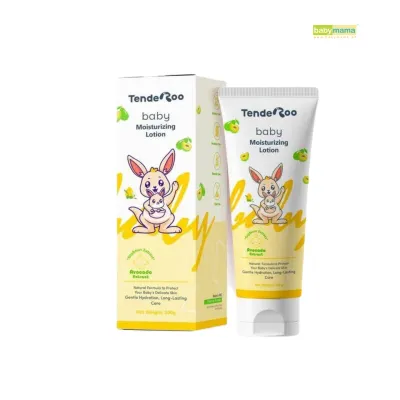
![[FDA Approved] Tenderoo Baby Moisturizing Lotion Avocado Plant Extract Gentle Safe Soothing 200ml](https://img.lazcdn.com/g/p/c537dad3153611e9e058bdbe2e97956d.jpg_400x400q80.jpg_.webp)

Prices are valid at publication and may change. Please refer to the product page for the latest price.
To decode the list, look for common chemical names that represent everyday, gentle ingredients. For example, “aqua” simply refers to water, which provides essential hydration. “Tocopherol” is the scientific name for vitamin E, a common antioxidant used to stabilize oils and nourish the skin. “Glycerin” is a highly effective humectant that draws moisture into the skin. Recognizing these scientific terms prevents unnecessary worry over long, complex-sounding names that are actually safe and beneficial.
However, you must also look closely at the end of the ingredient list, where preservatives, stabilizers, and fragrances usually reside. Broad terms like “fragrance,” “parfum,” or “aroma” can mask a complex mixture of dozens of individual chemicals, some of which may trigger allergic reactions in newborns. Essential oils, though natural, also contain volatile compounds that can irritate highly sensitive skin. Preservatives are necessary to prevent bacterial growth in water-based lotions, but some are much gentler than others. Identifying these components at the bottom of the list is crucial before applying the lotion to your baby.
Common Safe and Irritating Ingredients in Baby Lotions
When evaluating any baby lotion, including Tenderoo, it helps to have a mental checklist of safe, nourishing ingredients versus potential irritants. Generally recognized safe moisturizers for infants focus on supporting the skin barrier without causing occlusion or irritation. Glycerin is an excellent humectant that keeps newborn skin hydrated in both humid and dry conditions. Ceramides are lipids naturally found in the skin barrier that help lock in moisture, while squalane and plain petrolatum provide a protective layer that prevents transepidermal water loss without clogging delicate pores.

On the other hand, several common ingredients should ideally be avoided on newborn skin due to their potential to cause irritation or systemic absorption. Artificial fragrances and synthetic colorants serve no therapeutic purpose and are leading causes of cosmetic contact dermatitis. Parabens and phthalates, often used as preservatives and plasticizers, are frequently avoided by parents seeking to minimize exposure to endocrine-disrupting chemicals. Formaldehyde-releasing preservatives, such as DMDM hydantoin or imidazolidinyl urea, can release trace amounts of formaldehyde over time, which is a known skin sensitizer. Harsh surfactants or emulsifiers can also strip the skin of its natural oils, leaving it dry and vulnerable.
To make an informed choice, compare the physical label of your Tenderoo baby lotion directly against these categories. If you spot any of the high-risk preservatives or synthetic fragrances, it may be wise to reconsider using the product on a newborn whose skin barrier is still developing. If the formula consists primarily of gentle humectants, plant-derived emollients, and safe, mild preservatives, it is much more likely to be suitable for daily use. Always prioritize simple, minimalist formulas with fewer ingredients to minimize the risk of an adverse reaction.
How to Safely Test the Lotion on Your Newborn's Skin
Even if an ingredient list appears perfectly safe on paper, every baby’s skin is unique. Before applying Tenderoo baby lotion to your newborn’s entire body, you should always perform a localized patch test. This simple precautionary step helps you identify any potential sensitivity or allergic reaction on a very small, controlled area of skin, minimizing discomfort for your baby if a reaction does occur.
To conduct a patch test, select a small, discreet area of your baby’s skin where they cannot easily rub the lotion into their eyes or mouth. The inner forearm or the area just behind the ear are excellent choices. Apply a tiny, pea-sized amount of the lotion to this spot and gently pat it in. Do not wash the area immediately; let it absorb naturally as it would during normal use.
Monitor this specific spot closely over an observation window of 24 to 48 hours. Delayed allergic reactions or contact dermatitis can take up to two days to manifest, so patience is essential. During this time, keep the test area clean and dry, and avoid applying any other skincare products to that spot. Before you begin the test, always check the physical product packaging for any specific age recommendations, warnings, or manufacturer instructions regarding newborn use, as some formulations are only intended for babies of a certain age.
Recognizing Skin Irritation and When to Stop Use
As a caregiver, recognizing the early signs of skin irritation is vital for maintaining your newborn’s comfort and health. Contact dermatitis or an allergic reaction to a lotion can present in several ways. Look for localized redness, small raised bumps, hives, or patches of dry, peeling skin in the areas where the lotion was applied. Behavioral changes can also indicate discomfort; if your baby becomes unusually fussy, restless, or tries to scratch their skin shortly after application, they may be experiencing itching or burning.
If you observe any of these signs, take immediate action to prevent further irritation. Discontinue use of the lotion immediately and gently cleanse the affected area with lukewarm water to remove any remaining product residue. Avoid rubbing the skin with a towel; instead, gently pat it dry with a clean, soft cloth. Do not apply other scented products, home remedies, or adult creams to soothe the irritation, as these can exacerbate the reaction.
While mild redness often resolves on its own once the offending product is removed, certain situations require professional medical advice. If the irritation spreads beyond the application site, develops into open sores, blisters, or oozing patches, or if your baby develops a fever, stop all topical applications immediately. Consult a pediatrician or a pediatric dermatologist for a professional evaluation. They can provide an accurate diagnosis, recommend safe soothing treatments, and help you identify specific ingredients your baby should avoid in the future.
Frequently Asked Questions (FAQ)
Is it safe to use a fragrance-free adult lotion on a newborn?
It is generally not recommended to use adult lotions on a newborn, even if they are labeled fragrance-free. Adult skin has a different pH, a thicker barrier, and different moisture needs than infant skin. Consequently, adult formulations often contain active ingredients, penetration enhancers, or preservatives that are perfectly safe for mature skin but can easily penetrate and irritate a newborn’s thin skin barrier. Always choose products specifically formulated and tested for infants to ensure the ingredients are mild enough for their delicate system.
How often should I apply lotion to my newborn's skin?
The frequency of lotion application should be guided by your baby’s individual skin condition and environmental factors rather than a rigid daily schedule. Generally, the best time to apply lotion is within a few minutes after a bath, while the skin is still slightly damp, to lock in moisture. In warm, humid climates like the Philippines, daily full-body moisturizing may not be necessary unless your baby has naturally dry skin or spends significant time in air-conditioned rooms, which can strip moisture from the skin. If you notice dry patches, a gentle application once or twice a day is usually sufficient, but always consult your pediatrician for personalized guidance.

Community discussion
Share your experience or ask a question. Comments are reviewed before publication.