
Selecting the right infant formula is one of the most significant decisions parents make in the early stages of their child’s life. For families in the Philippines exploring organic options, Hipp has become a prominent name on supermarket shelves and online marketplaces. Understanding the specific ingredients in this formula is crucial for determining if it aligns with your baby’s nutritional needs, digestive tolerance, and your family’s feeding preferences.
Evaluating formula ingredients requires looking beyond the front-of-pack marketing. By learning how to read the nutrition facts panel, verify organic certifications, and compare formulations, you can make an informed choice that supports your baby’s growth. This guide provides a practical framework to help you navigate the ingredient list and make the best decision for your household.
Reading the Core Nutritional Profile on the Label
To evaluate any formula, start with the nutrition facts panel on the back of the tin. This panel breaks down the essential macronutrients: proteins, fats, and carbohydrates. In Hipp formulas, the primary carbohydrate source is typically lactose, which mirrors the natural sugars found in breast milk. Parents should check the ingredient list to confirm whether a specific variant contains alternative carbohydrates like maltodextrin or starch, which are sometimes added to older-stage formulas to increase thickness and satiety.
Products mentioned in this guide
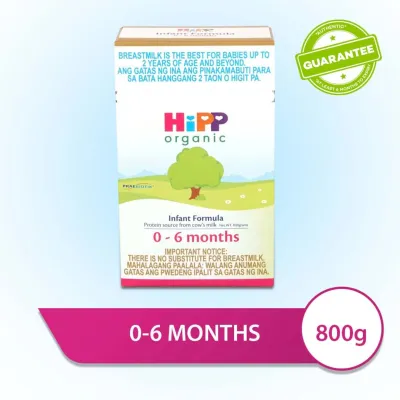
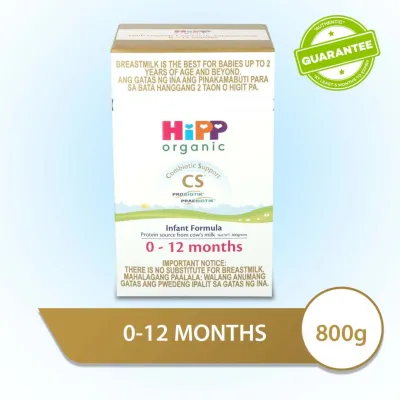
Prices are valid at publication and may change. Please refer to the product page for the latest price.
Next, examine the protein ratio. Infant formulas generally balance whey and casein proteins. Early-stage formulas often feature a higher whey-to-casein ratio to make digestion easier for newborns, while follow-on stages may adjust this ratio as the baby’s digestive system matures. You can verify these ratios by reading the detailed ingredient breakdown on the label.
Fats are another critical component, providing the primary energy source for growing infants. Hipp utilizes a blend of vegetable oils—such as palm, rapeseed, and sunflower oils—to replicate the fatty acid profile of breast milk. When reading the label, look for the inclusion of essential long-chain polyunsaturated fatty acids (LCPs), specifically Docosahexaenoic Acid (DHA) and Arachidonic Acid (ARA), which support brain and visual development.
Micronutrients must also meet strict regulatory standards. Scan the label for essential vitamins, including Vitamin A, C, D, E, K, and the B-complex group, alongside vital minerals like calcium, iron, zinc, and iodine. These elements are crucial for bone density, immune function, and overall metabolic health.
Verifying Organic and Natural Sourcing Claims
Organic labeling is highly regulated, and parents should not rely solely on front-of-pack marketing terms. To verify that a tin of Hipp formula is genuinely organic, look for official certification seals on the packaging. The most common mark on European imports is the EU Organic Bio-logo (a leaf formed by stars), which guarantees that at least 95% of the product’s agricultural ingredients originate from certified organic farming.

In the Philippines, imported organic products may also carry local regulatory clearances or recognized international organic seals. These certifications ensure that the dairy cows are raised on biodynamic pastures without the use of synthetic fertilizers, chemical pesticides, or prophylactic antibiotics.
When scanning the ingredient list of a certified organic formula, you should observe a lack of artificial flavors, synthetic colors, and chemical preservatives. Organic standards strictly prohibit these additives. By verifying these seals and reading the ingredient list closely, parents can ensure they are paying for authentic organic quality rather than standard commercial formulations with organic-sounding names.
Comparing Ingredients With Other Formula Brands
When comparing Hipp with other mainstream formula brands available in the Philippines—such as NAN, Enfagrow, or Nido—it is helpful to focus on specific ingredient categories. Start with the primary milk source. While many conventional brands use standard non-organic cow’s milk, Hipp emphasizes its organic milk base. Some alternative brands may also offer specialized bases, such as goat’s milk or soy-based proteins, which serve different digestive needs.
Another key point of comparison is the presence of prebiotics and probiotics. Many Hipp variants include prebiotic dietary fibers (such as galacto-oligosaccharides or GOS derived from lactose) and natural lactic acid culture probiotics originally isolated from breast milk. Compare this with other brands, which may use different strains of probiotics or rely solely on prebiotics to support gut health.
To assess the financial value of these ingredients, parents should calculate the cost-to-weight ratio. Because premium organic ingredients generally command a higher price, compare the retail price in ₱ against the net weight in grams (for example, comparing an 800g tin to a 900g tin of a conventional brand). This calculation helps determine if the organic premium fits within your monthly household budget.
Keep in mind that the “best” formula is the one that your baby tolerates well and that fits your family’s circumstances. If your baby has a diagnosed medical condition, such as a cow’s milk protein allergy, conventional or organic intact cow’s milk formulas may not be suitable. In such cases, alternative specialized formulas—such as extensively hydrolyzed or amino acid-based options—should be discussed with your pediatrician.
Choosing the Right Stage and Variant for Your Baby
Formula brands design their products in stages to match a baby’s changing nutritional requirements as they grow. Hipp uses an age-based staging system clearly marked on the front of the packaging. Stage 1 is typically formulated for newborns and infants from birth up to six months, focusing on easy digestibility. Stage 2 is designed for follow-on feeding from six months onward, often coinciding with the introduction of solid foods, and may contain adjusted iron and protein levels. Stage 3 is tailored for toddlers from twelve months and beyond to supplement a diversified diet.
Always check the age and weight recommendations on the specific packaging before transitioning your baby to a new stage. Transitioning too early can strain a young infant’s developing kidneys and digestive tract, while staying on an early stage too long might not provide sufficient iron or calcium for an active toddler.
In addition to standard stages, specialized variants exist to address common infant digestive discomforts. These include “Comfort” formulations for colic and constipation, “Anti-Reflux” (AR) formulations thickened with natural carob bean gum to reduce spitting up, and “Sensitive” options for mild digestive sensitivities. These specialized variants should only be used under the direct guidance of a healthcare professional.
Parents must remain vigilant for signs that a formula variant may not be agreeing with their baby. Stop using the formula and consult your pediatrician immediately if your baby exhibits adverse reactions such as persistent vomiting, severe diarrhea, blood in the stool, unexplained skin rashes, extreme irritability after feeding, or poor weight gain.
Frequently Asked Questions (FAQ)
How should I transition my baby to a new formula brand?
A safe transition to a new formula brand should always be gradual to allow your baby’s digestive system to adapt. Start by replacing just one feed per day with the new formula, keeping the remaining feeds as the old formula. Over the course of several days to a week, slowly increase the number of new formula feeds while phasing out the old one. During this transition period, closely monitor your baby for signs of intolerance, such as sudden changes in stool consistency, excessive gas, vomiting, or skin rashes. If any of these symptoms occur, pause the transition and consult your pediatrician.
Does the preparation method affect the nutritional value of the formula?
Yes, the way you prepare formula directly impacts its safety, digestibility, and nutritional integrity. Always follow the manufacturer’s exact preparation instructions printed on the tin. Using water that is too hot (above the recommended temperature, typically around 40°C to 50°C) can destroy heat-sensitive vitamins and beneficial probiotics. Conversely, using water that is too cold may prevent the powder from dissolving completely, leading to clumping. Additionally, never alter the water-to-powder ratio; over-diluting the formula can lead to severe nutritional deficiencies and water intoxication, while over-concentrating it can strain your baby’s kidneys and cause dehydration.
Where can I verify the authenticity of the formula purchased locally?
To ensure the formula you feed your baby is genuine, safe, and has been stored under proper conditions, always purchase from authorized physical pharmacies, official brand stores, or verified online marketplaces in the Philippines. Before opening the tin, inspect the packaging thoroughly. Verify that the safety seal is completely intact, check the expiration date, and locate the batch or lot number printed on the bottom of the container. Proper storage is especially critical in the tropical climate of the Philippines; high humidity and heat can degrade the nutrients and spoil the powder quickly, so store unopened and opened tins in a cool, dry place away from direct sunlight.
Community discussion
Share your experience or ask a question. Comments are reviewed before publication.