
Bepanthen moisturizers are widely used to support delicate skin, but verifying their safety for your baby requires looking closely at the specific formulation on your product’s packaging. Because ingredients can vary by product line and region, parents must learn how to read the label, understand the key ingredient categories, and perform a safe patch test before regular application.
How to Check the Actual Ingredient List on Your Product
When evaluating any skincare product for your baby, the physical packaging is your most reliable source of information. The International Nomenclature of Cosmetic Ingredients (INCI) list is typically printed on the back of the tube, bottle, or the outer cardboard box. This list details every component in order of concentration, allowing you to see exactly what will touch your baby’s skin.
Formulations under the same brand name can vary significantly depending on the region where they are sold, the specific product line, or the manufacturing batch. A formula purchased online from an international seller might not contain the same ingredients as one bought from a local pharmacy in the Philippines. Always check the packaging of the exact item in your hands rather than relying solely on general online descriptions.
Products mentioned in this guide
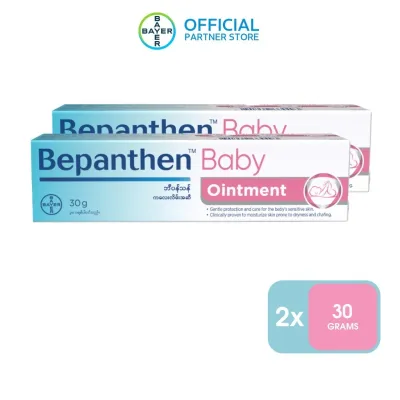
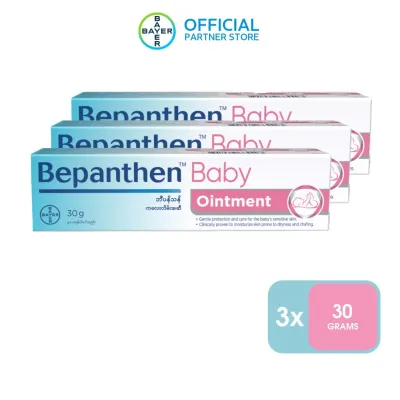
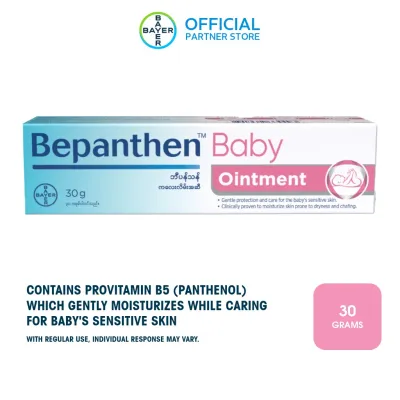
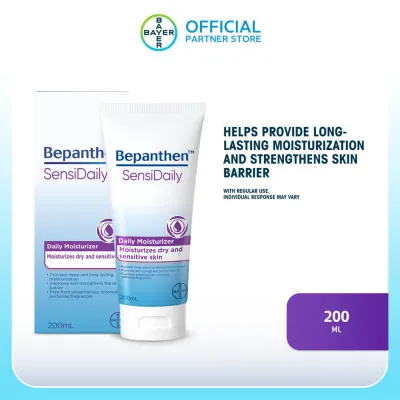
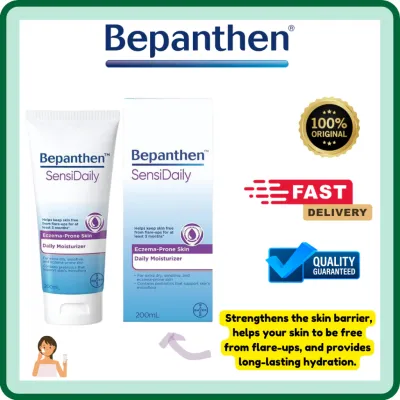
Prices are valid at publication and may change. Please refer to the product page for the latest price.
Before applying any cream, locate the batch code and expiration date, which are usually stamped on the crimp of the tube or the bottom of the container. In hot and humid tropical climates, proper storage is essential to prevent ingredients from separating or spoiling. If the packaging is damaged, or if the product has passed its expiration date, do not use it on your baby.
Understanding Common Ingredient Categories in Baby Skincare
Baby moisturizers generally rely on a combination of three main ingredient types to protect and hydrate delicate skin: humectants, emollients, and occlusives. Humectants, such as glycerin or panthenol (provitamin B5), work by drawing water into the outer layers of the skin. These ingredients help maintain hydration levels, which is especially important for babies whose skin barriers are still developing and lose moisture quickly.

Emollients and occlusives work together to lock that moisture in and shield the skin from external irritants. Emollients, which include lipids and oils, smooth the skin by filling in tiny gaps between skin cells. Occlusives, such as petrolatum or specific waxes, form a physical barrier on top of the skin to prevent water loss through evaporation, which is highly beneficial in air-conditioned environments or dry weather.
Many baby formulations also include soothing agents designed to calm minor irritation and support skin comfort. When reviewing your product’s packaging, cross-reference the printed INCI list with these categories to identify which ingredients are providing hydration, which are sealing the barrier, and which are intended to soothe. Understanding these roles helps you look past marketing claims and make an informed decision based on your baby’s specific skin needs.
Evaluating Safety Claims and Product Labels
Product labels often feature terms like “hypoallergenic,” “dermatologically tested,” or “pediatrician approved” to reassure parents. While these labels indicate that the manufacturer has taken steps to minimize irritation risks, they do not guarantee that a product is completely free of potential allergens for every individual baby. These terms are helpful indicators, but they should always be paired with a careful reading of the actual ingredient list.
It is also crucial to distinguish between “fragrance-free” and “unscented” on baby skincare labels. A “fragrance-free” product is formulated without any added fragrance chemicals or masking agents, making it the safer choice for highly sensitive or eczema-prone baby skin. In contrast, an “unscented” product may contain neutralizing chemicals to mask the natural smell of the raw ingredients, which can still trigger reactions in sensitive individuals.
Always look for specific age recommendations, usage instructions, and warning labels provided directly by the manufacturer on the packaging. Some formulations are designed specifically for infants from birth, while others may be intended for older babies or specific body areas. Following these official guidelines ensures you are using the product safely and as intended.
How to Safely Introduce a New Moisturizer
Before applying any new moisturizer to your baby’s entire body, it is highly recommended to perform a simple patch test. Apply a tiny, pea-sized amount of the product to a small, discreet area of clean skin, such as the inside of the baby’s forearm or the side of their neck. This precaution helps you identify any potential sensitivity before widespread use.
Observe the test area closely for 24 to 48 hours, keeping it dry and free from other products during this period. Look for any signs of localized reaction, such as redness, tiny bumps, swelling, or signs of itching, which might cause your baby to scratch the area. If the skin remains clear and normal after this observation window, the product is generally considered suitable for broader application.
When you begin regular use, apply the moisturizer to clean, slightly damp skin, such as immediately after a bath, to help lock in maximum moisture. Always follow the manufacturer’s specific application directions, including how often to apply and which areas of the body to avoid. Applying the product correctly supports the skin barrier while minimizing the risk of accidental ingestion or eye irritation.
Signs of Irritation and When to Consult a Professional
Even products formulated for sensitive skin can occasionally cause reactions, so parents must know what signs to watch for. Common indicators of contact dermatitis or an allergic reaction include persistent redness, raised hives, dry or peeling patches, or sudden swelling. You may also notice your baby showing unusual fussiness or discomfort, which can indicate that the skin feels itchy or painful.
It is important to differentiate between mild, temporary warmth or redness from rubbing and a true allergic reaction. Temporary redness from application usually fades within a few minutes, whereas an allergic reaction or irritation persists, spreads, or worsens over several hours. If you observe any lasting changes in your baby’s skin texture or color, stop using the product immediately and wash the area gently with plain water.
If adverse symptoms do not improve, or if your baby has a pre-existing skin condition like severe eczema, consult a pediatrician or a pediatric dermatologist before introducing any new skincare products. A qualified professional can provide personalized guidance and help you identify specific ingredients to avoid. Never attempt to treat a severe skin reaction with other over-the-counter creams without professional medical advice.
Frequently Asked Questions (FAQ)
Can I use Bepanthen moisturizer on my newborn?
To determine if a specific Bepanthen moisturizer is suitable for a newborn, you must check the product packaging for explicit age recommendations. Newborn skin is exceptionally thin and permeable, making it highly sensitive to external substances. Always consult your pediatrician before applying any new skincare product or moisturizer to an infant under one month old.
What is the difference between Bepanthen moisturizer and nappy care ointment?
Bepanthen moisturizers and nappy care ointments are formulated for different purposes and have distinct textures. Moisturizers are typically lighter creams designed to hydrate the skin barrier on the face and body, whereas nappy care ointments are thicker, barrier-forming pastes designed to protect the diaper area from moisture and friction. Always verify the specific product name, intended use, and application instructions on the packaging before use.
Does Bepanthen moisturizer contain steroids?
Daily cosmetic moisturizers, including those from the Bepanthen range, do not contain steroids. Steroids are active pharmaceutical ingredients found only in medicated creams prescribed by healthcare professionals to treat specific inflammatory skin conditions. To confirm the classification of your product, verify the active ingredients list and regulatory labels printed on the outer box.

Community discussion
Share your experience or ask a question. Comments are reviewed before publication.