
Choosing a pillow for pregnant women depends on your sleeping habits, bed size, and where you need support. A U-shaped pillow is ideal for restless sleepers who toss and turn and need full-body enclosure. A C-shaped pillow suits dedicated side sleepers who want targeted contouring along the front or back of their body. A wedge pillow offers compact, localized support for the belly or lower back without taking up the entire bed.
As pregnancy progresses, your body undergoes significant physical transformations. The growing belly shifts your center of gravity forward, which naturally increases the strain on your lower back, pelvis, and hips. These changes make finding a comfortable sleeping position increasingly difficult as the weeks advance.
Healthcare professionals generally recommend side-sleeping, particularly on the left side, during the second and third trimesters. This position helps optimize blood flow and kidney function, but maintaining it all night can be physically challenging without proper support. A specialized pillow helps keep your body aligned in this recommended position.
Products mentioned in this guide


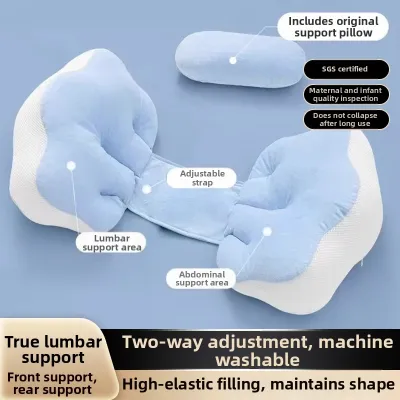
Prices are valid at publication and may change. Please refer to the product page for the latest price.
Without a dedicated support system, many expectant mothers experience joint pressure, hip misalignment, and lower back pain. A specialized pregnancy pillow acts as a physical barrier and support cushion, helping you maintain a comfortable side-sleeping posture while relieving pressure on key areas.
In a warm and humid climate like the Philippines, choosing the right support also means balancing physical comfort with heat management. Sleeping hot can further disrupt your rest, making the material and shape of your pillow critical factors for overall comfort.
U-Shaped Pregnancy Pillows: Full-Body Enclosure
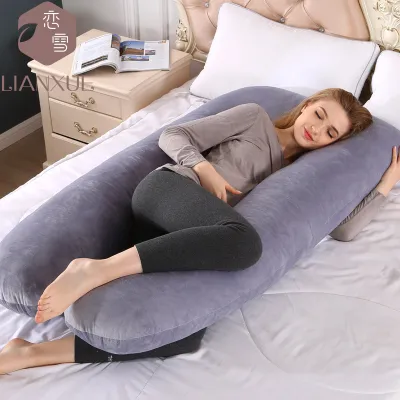
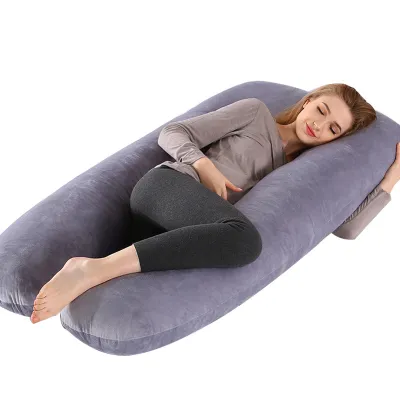
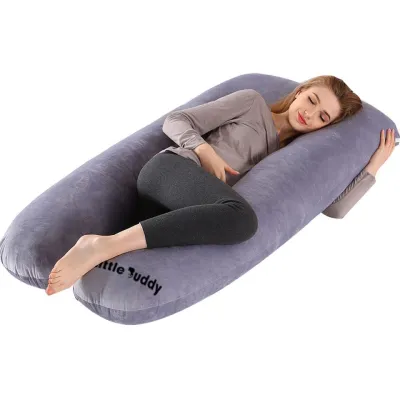
The U-shaped pregnancy pillow is designed as a massive, symmetrical loop that cradles your entire body. It provides simultaneous support for your head, back, belly, and knees without requiring you to turn the pillow when you switch sides. This design offers a sense of security and alignment from head to toe.
This design is highly beneficial for restless sleepers. If you frequently turn from left to right during the night, you can simply roll over within the center of the “U” and find the exact same level of support waiting for you on the other side. There is no need to drag a heavy pillow across the bed with you.
However, this comprehensive support comes with practical trade-offs. U-shaped pillows are exceptionally bulky and occupy a significant amount of mattress space. They can easily crowd a standard double or queen-sized bed, leaving very little room for a partner and making the bed feel cramped.
In warm, humid environments, the enclosing nature of a U-shaped pillow can also trap body heat. Because you are surrounded by cushioning on both sides, air circulation is naturally limited, which can lead to discomfort if your bedroom is not well-ventilated.
Because sizes vary widely, you should always verify the exact length and width on the product label or online marketplace listing before purchasing. Ensuring the pillow fits your bed dimensions and your height is crucial to getting the expected comfort.
C-Shaped Pregnancy Pillows: Targeted Contouring
The C-shaped pillow features a curved, asymmetrical design that hugs one side of your body. The top curve supports your head and neck, the middle section cushions your back or belly, and the bottom curve tucks between your knees to align your hips. This configuration offers a more tailored approach to side-sleeping.

This shape is excellent for dedicated side sleepers who do not toss and turn frequently. It provides targeted contouring and helps keep your spine aligned, which is crucial for reducing pelvic and hip discomfort during the later stages of pregnancy.
Because it only hugs one side of your body, a C-shaped pillow is generally more compact than a U-shaped model. This makes it a practical choice for smaller mattresses or for those who share a bed and want to conserve space for their partner.
The primary limitation is that if you do decide to switch sides, you must manually drag the entire pillow over to the other side of the bed. This movement can disrupt your sleep cycle and require physical effort, which becomes more challenging as your pregnancy progresses.
When shopping, check the manufacturer’s specifications for the depth of the curve. A curve that is too shallow might not comfortably accommodate a rapidly growing belly in the third trimester, so verifying these dimensions beforehand is highly recommended.
Wedge Pregnancy Pillows: Compact and Localized Support
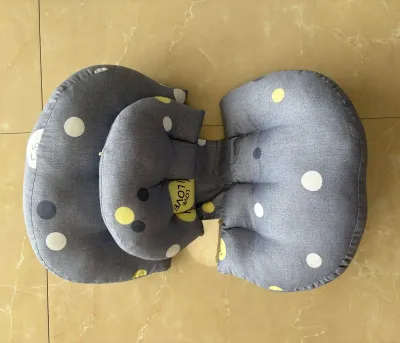
A wedge pregnancy pillow is a small, firm, slope-shaped cushion designed for targeted support. You can slide the thin edge of the wedge under your belly to prevent it from pulling on your lower back muscles, or place it behind your back to keep you from rolling onto your spine while sleeping.
The compact size of a wedge makes it highly versatile and portable. It is easy to pack for travel, fits effortlessly into any bed size, and can be used alongside your favorite regular head pillows without disrupting your established sleeping setup.
It is also typically the most budget-friendly option, often costing around ₱400 to ₱1,000 on local online marketplaces. This makes it an accessible entry point for pregnancy comfort if you are hesitant to invest in a massive full-body pillow.
The main drawback is that a wedge does not offer full-body alignment. It does not support your head, neck, or knees simultaneously, meaning you will still need to rely on separate standard pillows to cushion those areas and keep your hips aligned.
Before purchasing, review the product details to check the wedge’s firmness and slope angle. A wedge that is too soft will flatten under the weight of your belly, while one that is too steep or hard may cause discomfort instead of relief.
Matching Pillow Shape to Your Sleeping Style
Selecting the right pillow requires balancing your sleep habits, physical pain points, and bedroom space. There is no single option that works for everyone, so analyzing your daily routine is the best way to make a decision.
Choose a U-shaped pillow if you are a restless sleeper who switches sides often, experience widespread joint pain across your back and hips, and have a larger bed with ample space. This shape minimizes the effort needed to stay comfortable throughout the night.
Choose a C-shaped pillow if you prefer to stay on one side throughout the night, want full-body support that aligns your spine, and need to conserve mattress space for your partner. It offers the benefits of full-body support without completely taking over the bed.
Choose a wedge pillow if you only need localized support under your belly or behind your back, travel frequently, or share a smaller bed where a full-sized pillow would be impractical. It is also ideal if you prefer to keep using your existing head pillows.
If you experience specific medical conditions during pregnancy, such as severe acid reflux, pelvic girdle pain, or symphysis pubis dysfunction, consult your healthcare professional. They can provide specialized positioning guidance that may dictate a specific pillow configuration to manage your symptoms safely.
What to Check on the Product Label Before Buying
Look closely at the cover materials listed on the product label. In tropical climates, highly breathable, moisture-wicking fabrics like 100% cotton or bamboo-derived rayon are preferable to synthetic polyesters, which tend to trap heat and cause sweating.
Ensure the cover is removable and machine washable. Regular washing is essential for maintaining hygiene, especially since you may continue to use the pillow during postpartum recovery, breastfeeding, or tummy time with your baby.
Verify the filling material to balance firmness and heat retention. Polyester fiberfill is lightweight and adjustable but can clump over time, while memory foam offers excellent contouring support but can retain heat unless formulated with cooling channels or gel.
Confirm the seller’s return policy or trial period before finalizing your purchase. Because comfort is highly subjective and depends on your unique body shape, having the option to return or exchange the pillow if it does not suit your sleeping style is a valuable safeguard.
Frequently Asked Questions (FAQ)
Do I need a specialized pillow in the first trimester?
While a specialized pillow is rarely a necessity during the first trimester, some expectant mothers choose to use one early to manage general fatigue, breast tenderness, or to train themselves to sleep on their side. The physical need for targeted support typically increases during the second and third trimesters as the belly grows and side-sleeping becomes the recommended position.
Can I use a regular body pillow instead?
A regular, straight body pillow can provide basic support for your belly and knees, helping you maintain a side-sleeping position. However, specialized pregnancy pillows are ergonomically contoured to match the specific weight distribution and physical changes of pregnancy, offering more targeted relief for your back, hips, and abdomen than a standard straight cushion.
Community discussion
Share your experience or ask a question. Comments are reviewed before publication.