
Finding the right pregnant women pillow is a highly personal decision because no single shape works for every expectant mother. Your ideal choice depends on your primary sleeping position, the specific physical discomforts you experience as your body changes, and the physical space available on your mattress. While a U-shaped pillow offers comprehensive, dual-sided support for those who toss and turn, a C-shaped design provides targeted alignment for dedicated side sleepers, and a compact wedge pillow offers localized relief without crowding your bed. In warm and humid tropical climates like the Philippines, selecting a design that balances physical support with breathability is essential for maintaining a comfortable sleeping temperature throughout the night.
How U-Shaped, C-Shaped, and Wedge Pillows Actually Differ
Understanding the structural differences between these three primary shapes is the first step in determining which one will best support your body. Each design addresses the physical challenges of pregnancy through a distinct approach to weight distribution and body alignment.
The U-shaped pillow is a symmetrical, full-length cushion designed to wrap around your entire body. It features two long arms connected at the top, allowing you to nestle directly in the center. This design provides equal support to your front and back simultaneously, eliminating the need to reposition the pillow when you turn over.
Products mentioned in this guide
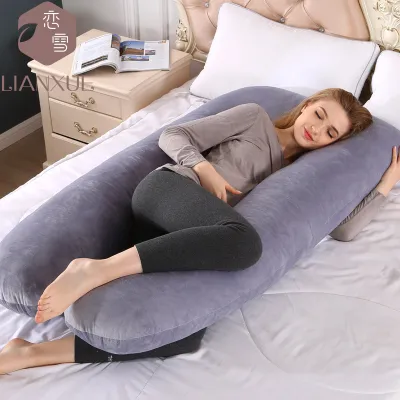
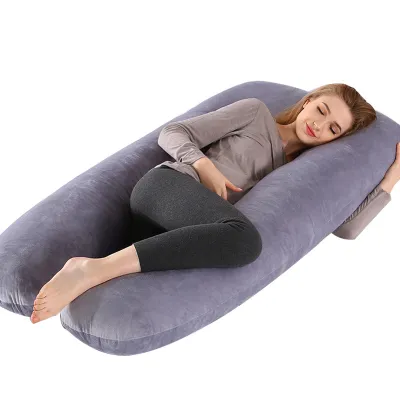


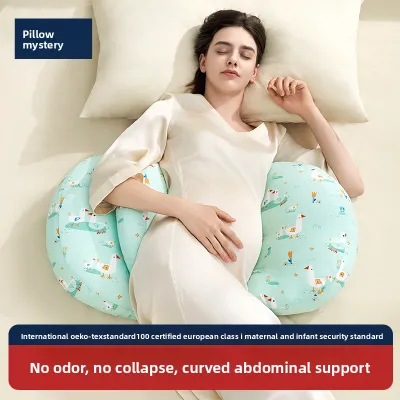
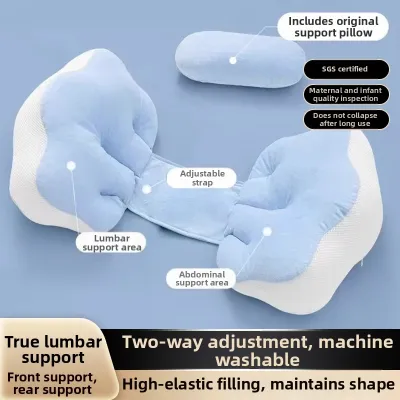
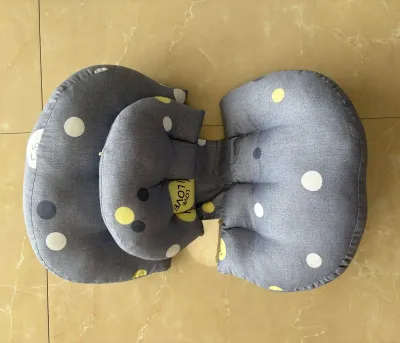
Prices are valid at publication and may change. Please refer to the product page for the latest price.
The C-shaped pillow utilizes a curved, semi-enclosed design that resembles the letter C. It is engineered to support your head, neck, back, and knees along a single continuous curve. By wrapping around the front or back of your body, it hooks between your legs to align your hips while offering a supportive cushion for your head and torso.
The wedge pillow is a compact, triangular or sloped cushion that focuses entirely on localized support. Unlike full-body options, it does not attempt to cradle your entire frame. Instead, it slides under specific areas, such as your growing belly or behind your lower back, to prevent rolling and relieve targeted pressure points.
Matching Pillow Shapes to Your Specific Pregnancy Symptoms
As your pregnancy progresses, your body undergoes rapid changes that can lead to localized aches, joint strain, and disrupted sleep. Matching your specific physical symptoms to the structural mechanics of each pillow shape ensures you get the relief you need.

Lower back pain and hip misalignment often occur as your center of gravity shifts forward. To counter this, you need a solution that keeps your pelvis neutral and prevents your upper leg from dropping forward when sleeping on your side. Belly strain, on the other hand, requires direct upward support to ease the pull on your uterine ligaments.
Your natural sleep movement also plays a critical role in this selection. If you tend to switch sides frequently throughout the night, a single-sided pillow may require constant, disruptive adjustments. Conversely, if you remain in one position, a massive full-body pillow might provide more structure than you actually need.
Finally, practical constraints like mattress size and partner proximity cannot be ignored. In many households, sharing a standard-sized bed means a massive pillow can crowd out your partner or restrict airflow. Balancing your physical comfort with the realities of your sleeping environment is key to a restful night.
Best for Full-Body Support and Restless Sleepers (U-Shaped)
The U-shaped pregnant women pillow is an excellent option for individuals who experience generalized body aches and find themselves tossing and turning. Because it features identical supportive arms on both sides, you can roll from left to right without having to drag, flip, or readjust your bedding.
This symmetrical design provides continuous back support to prevent you from rolling onto your back—a position often discouraged in later pregnancy stages—while simultaneously offering a soft barrier to support your belly on the opposite side. It also keeps your neck, shoulders, and hips aligned regardless of which direction you face.
However, this comprehensive support comes with a significant trade-off in terms of physical size. U-shaped pillows have a massive footprint that can easily take up more than half of a queen-sized mattress. If you sleep in a smaller bed or share your space with a partner, the sheer volume of fabric and filling can restrict movement and trap heat.
Best for Dedicated Side Sleepers and Hip Alignment (C-Shaped)
For those who naturally prefer sleeping on one side and do not change positions frequently, the C-shaped pillow offers excellent targeted alignment. The top curve of the C cradles your head and neck, the long spine supports either your back or your belly, and the bottom hook tucks between your knees.
Tucking the lower portion of the pillow between your knees is highly effective for relieving pelvic pressure and hip strain. It keeps your knees stacked parallel to one another, which prevents your pelvis from twisting and reduces strain on your lower spine.
The primary limitation of the C-shaped design is its asymmetrical nature. If you decide to turn over to face the opposite direction, you must manually flip the entire pillow with you to maintain the same level of front or back support. This movement can wake you up and disrupt your sleep cycle if you are a light sleeper.
Best for Targeted Relief and Limited Bed Space (Wedge)
The wedge pillow is a highly practical, minimalist solution for expectant mothers who do not want a bulky cushion taking over their bed. Its compact, sloped design is engineered specifically for localized support, making it highly versatile and easy to position exactly where you feel the most tension.
Placing the wedge under your belly provides a gentle upward lift that counteracts gravity, significantly reducing the pulling sensation on your lower back and abdomen. Alternatively, placing it flat-side-down behind your back acts as a physical stopper, preventing you from rolling onto your back while you sleep.
Because of its small size, the wedge pillow is highly portable, making it an excellent option for travel or office use. It also integrates seamlessly with your existing household pillows, allowing you to keep your preferred head pillow while adding just enough targeted support to keep you comfortable.
Essential Specs and Safety Checks Before You Buy
Before purchasing a pregnant women pillow, it is important to evaluate specific product details and safety guidelines to ensure the item meets your daily needs and remains safe for your household.
Cover and Hygiene: In warm, humid environments, night sweats and elevated body temperatures are common during pregnancy. Verify that the pillow features a removable, machine-washable outer cover made from breathable, moisture-wicking fabrics like cotton or bamboo rayon. This makes it easy to keep the pillow clean and prevents heat buildup during the night.
Filling and Firmness: Check the manufacturer’s specifications for the filling material. Polyester fiberfill offers a plush, adjustable feel but may flatten over time, while memory foam provides dense, contouring support but can retain more body heat. Ensure the firmness level is sufficient to support the weight of your belly and limbs without completely collapsing.
Safety Warnings: Always read the manufacturer’s safety guidelines, especially regarding postpartum use. While it is tempting to repurpose these large pillows for infant lounging, nursing, or co-sleeping, doing so can pose serious safety risks. Verify all warnings regarding infant suffocation hazards and ensure the pillow is kept out of your baby’s unsupervised sleep environment.
Quick Comparison: U-Shaped vs C-Shaped vs Wedge
To help you quickly evaluate your options, the table below summarizes the key differences in support, space requirements, and ideal use cases for each pillow shape.
| Pillow Shape | Primary Support Area | Space Required | Ideal Sleep Position | Best Use Case |
|---|---|---|---|---|
| U-Shaped | Head, neck, back, belly, and knees simultaneously | Large (takes up significant bed space) | Restless sleepers who turn frequently | Full-body support and back-rolling prevention |
| C-Shaped | Head, neck, hips, and either back or belly | Medium (fits most standard beds) | Dedicated side sleepers | Hip alignment and pelvic pressure relief |
| Wedge | Localized (under belly, behind back, or between knees) | Minimal (highly compact and portable) | Side sleepers needing targeted relief | Small beds, travel, and budget-friendly support |
Your Final Decision Framework
Choosing the right pregnant women pillow comes down to assessing your sleep habits, your physical environment, and any specific discomforts you are facing. Use this simple framework to guide your final purchase decision:
- Choose a U-shaped pillow if: You frequently toss and turn throughout the night, require simultaneous support for both your back and belly, and have a king- or queen-sized bed with ample space.
- Choose a C-shaped pillow if: You are a dedicated side sleeper who stays on one side, need structured support to keep your hips and spine aligned, and want full-body comfort without the massive footprint of a U-shape.
- Choose a wedge pillow if: You only need targeted relief for your belly or back, share a smaller mattress, travel often, or want an affordable option that works alongside your current pillows.
Before making your final choice, remember to verify your specific physical needs. If you experience severe pelvic girdle pain, chronic acid reflux, or other pregnancy-related medical conditions, consult your healthcare provider or physical therapist. They can provide tailored advice on the safest and most comfortable sleep positioning for your unique body.
Frequently Asked Questions (FAQ)
Can I use regular household pillows instead of a specialized pregnancy pillow?
Yes, you can use standard household pillows to support your body during pregnancy. By placing one pillow under your head, another between your knees, and a tucked pillow under your belly, you can mimic the support of a C-shaped or wedge pillow. However, this setup often requires constant readjustment throughout the night as individual pillows slide out of place, and it lacks the unified, contoured support that a specialized pregnant women pillow provides.
When is the best time to start using a pregnancy pillow?
There is no strict calendar date to start using a pregnancy pillow, as every pregnancy progresses differently. Most expectant mothers begin using one during the second trimester, around week 16 to 20, when the belly begins to expand and sleeping on your side becomes highly recommended. However, you should base your decision on your personal comfort levels; if you begin experiencing hip pain, lower back stiffness, or sleep disruptions earlier, you can start using a pillow at any time.
Are pregnancy pillows safe to use after the baby is born?
Many mothers find pregnancy pillows highly useful during the postpartum recovery period, using them to prop themselves up in bed or to provide comfortable arm support while bottle-feeding or nursing. However, you must strictly follow all manufacturer safety warnings regarding your infant. Large, soft pregnancy pillows should never be used as infant sleep positioners, lounging cushions, or placed inside a crib, as they present a severe suffocation and sudden infant death syndrome (SIDS) risk for unsupervised babies.
Community discussion
Share your experience or ask a question. Comments are reviewed before publication.