
Quick Answer: Which Nursing Pillow Shape Fits Your Needs?
Finding the right nursing pillow is a deeply personal decision that directly impacts your physical comfort during those long, frequent feeding sessions. The “best” shape is not a one-size-fits-all solution. Instead, it depends on several key factors: your body type, your postpartum recovery journey (such as healing from a Caesarean section), your preferred feeding positions, and the physical dimensions of the breastfeeding chair for mommy that you use in your nursery.
To help you make an informed choice, here is a quick summary of how the three main shapes compare:
- U-Shaped Pillows offer full 360-degree wraparound support. They are ideal for mothers recovering from a C-section who need to keep the baby's weight off their abdomen, as well as those nursing twins or seeking comprehensive lower back support.
- C-Shaped Pillows provide classic, flexible crescent-shaped support. They are highly versatile for traditional cradle holds, easy to slide on and off, and adjust comfortably to various body types.
- Wedge Pillows are compact, angled blocks of firm foam. They are excellent for tight spaces, travel, and older infants who only require targeted elevation rather than full-body cradling.
Understanding the 3 Main Nursing Pillow Shapes
Every nursing pillow is designed with a primary ergonomic goal: to bridge the gap between your lap and your baby, lifting them to the level of your breast. This elevation prevents you from hunching forward, which is a leading cause of neck, shoulder, and lower back strain during postpartum recovery. However, the physical structure of each pillow shape achieves this goal in very different ways, offering distinct advantages and trade-offs.
Products mentioned in this guide
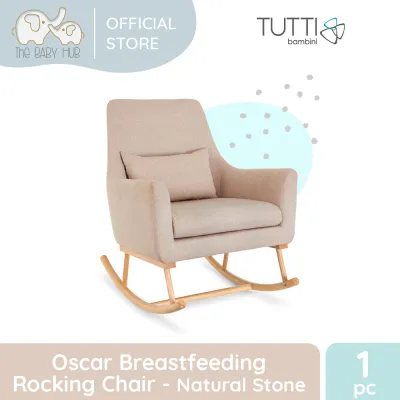
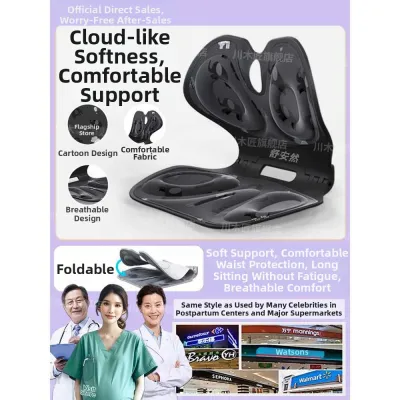
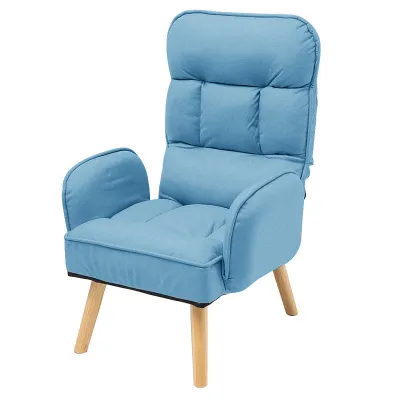
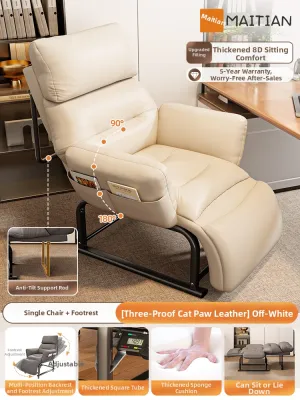
Prices are valid at publication and may change. Please refer to the product page for the latest price.

U-Shaped Nursing Pillows (Full Wraparound)
U-shaped nursing pillows feature a comprehensive design that completely encircles your torso. They typically slide around your waist and secure at the back or side using an adjustable strap, belt, or buckle system. This securing mechanism is designed to keep the pillow firmly in place, preventing any gaps from forming between your body and the pillow where the baby could potentially slip or roll.
This full-body attachment offers exceptional stability, making it highly beneficial for mothers recovering from a C-section. By securing the pillow tightly above the waist, you can distribute the baby’s weight away from your sensitive abdominal incision. Additionally, the wide sides of a U-shaped pillow make it the premier choice for tandem feeding twins, as it provides a stable platform on both the left and right sides of your body simultaneously.
However, this extensive support comes with physical bulk. U-shaped pillows have a large footprint, making them difficult to store in compact nurseries. The rigid, wraparound design can also make you feel physically restricted or uncomfortably warm, and it may not fit comfortably if your seating area is narrow.
C-Shaped Nursing Pillows (Classic Crescent)
C-shaped nursing pillows are the traditional crescent designs that have been a staple of nurseries for generations. Unlike the U-shaped variety, a C-shaped pillow features an open-back design. It is meant to slide easily onto your lap from the front or side, resting gently against your abdomen without any straps or buckles holding it in place.
This open design makes the C-shaped pillow incredibly versatile and accommodating for various body shapes and sizes. It is easy to reposition on the fly, allowing you to transition quickly between different feeding holds. Because it lacks a securing strap, it is also much faster to put on and take off, which is a major convenience during late-night feedings when every second counts.
The primary trade-off with a C-shaped pillow is its tendency to shift. Because it is not buckled to your body, the pillow can slide forward or gap if you or your baby move, requiring you to use one hand to hold it in place or constantly adjust your posture. Furthermore, because it does not wrap around your sides or back, it offers no built-in lower back or lumbar support.
Wedge Nursing Pillows (Compact and Angled)
Wedge nursing pillows are firm, triangular, or sloped blocks of dense foam that do not wrap around your body at all. Instead of cradling your waist, a wedge pillow is designed to be placed directly on your lap or next to your body, providing a firm, angled incline to support the baby’s head and torso.
This angled design is highly efficient for targeted elevation. It is particularly well-suited for older, heavier babies who no longer require the full-body cradling of a wrap-around pillow but still need to be lifted to relieve strain on your arms and wrists. Because they are made of dense foam, wedge pillows maintain their shape exceptionally well under heavier weights.
Portability is the standout feature of the wedge design. They are lightweight, highly compact, and easy to toss into a diaper bag, suitcase, or the basket of a stroller. This makes them the ultimate option for travel, dining out, or visiting family. The main limitation is that they offer no lateral support or security for small newborns, who require careful, active holding to prevent them from rolling off the firm, sloped surface.
Comparing Support, Positions, and Daily Usability
To choose the right pillow, you must evaluate how these shapes perform across the practical realities of daily life, including ergonomic strain, feeding positions, storage, and maintenance in your home environment.
Ergonomics and Strain Relief
When breastfeeding, mothers often unconsciously lean forward to meet the baby’s mouth, especially when managing a difficult latch. This slouched posture strains the trapezius and rhomboid muscles in the upper back. A high-quality nursing pillow acts as a firm platform, allowing you to sit back comfortably against your chair’s backrest while keeping the baby at the correct height.
A U-shaped pillow provides the most comprehensive structural support, stabilizing your arms and elbows on both sides while keeping your lower back supported. A C-shaped pillow offers excellent lap support but requires you to rely entirely on your chair for back comfort. A wedge pillow focuses purely on targeted elevation, relieving arm strain but offering no surrounding body support.
Feeding Positions
Different pillow shapes excel at different feeding holds:
- Cradle and Cross-Cradle Holds: The C-shaped pillow is the classic choice here. Its curved inner border hugs your waist naturally, providing a soft, level surface for the baby's body to rest parallel to your chest.
- Football (Clutch) Hold: The U-shaped pillow is highly effective for this position. Because the pillow extends far along the sides of your torso, the baby can be tucked securely under your arm, resting along the side of the pillow with their feet pointing toward your chair's backrest. This is highly recommended for mothers with large breasts or those recovering from a C-section.
- Upright Feeding: The wedge pillow is highly effective for upright feeding positions, which are often recommended for babies experiencing acid reflux or frequent spit-ups. The firm incline keeps the baby's head elevated above their stomach, promoting better digestion.
Portability and Storage
In modern homes where space is at a premium, the physical size of baby gear is a major consideration. A U-shaped pillow is notoriously difficult to pack or transport, often requiring its own large carrying case. It is best kept as a permanent fixture in the nursery.
C-shaped pillows are slightly more flexible and can be squeezed into car trunks or large strollers. Wedge pillows are the clear winner for portability, taking up minimal space and serving multiple purposes, such as a backrest for you when not nursing.
Climate and Material Care
This is a critical factor for families living in the tropical, humid climate of the Philippines. Breastfeeding is a warm, skin-to-skin activity that naturally generates body heat, often leading to sweating for both mother and baby. A nursing pillow made of synthetic, non-breathable materials can quickly become hot, sticky, and uncomfortable, potentially causing heat rashes on the baby’s sensitive skin.
To combat this, prioritize pillows with covers made from highly breathable, natural fibers such as 100% organic cotton, bamboo rayon, or linen. These materials allow air to circulate and absorb moisture effectively. Furthermore, frequent sweating, drool, and milk spills mean the pillow cover must be washed regularly to maintain hygiene and prevent the growth of mold or mildew in humid conditions.
Always verify the manufacturer’s care label before washing; many pillows feature removable, machine-washable covers, while the inner foam or stuffing may require spot cleaning or gentle hand washing.
Matching the Pillow to Your Breastfeeding Chair for Mommy and Nursery Space
A nursing pillow does not exist in isolation; its usability is heavily dictated by the seating you choose. When selecting a breastfeeding chair for mommy, such as a specialized glider, a plush rocking chair, or a deep armchair, you must consider how the pillow will interact with the chair’s armrests and seat width.
Many dedicated breastfeeding chairs feature padded, narrow armrests designed to support your elbows while holding the baby. If you pair a narrow chair with a wide, bulky U-shaped pillow, the pillow will likely get compressed between your hips and the armrests. This compression can cause the pillow to buckle upward, pushing the baby too high and forcing your shoulders into a tense, shrugged position that defeats the ergonomic purpose.
Conversely, a C-shaped pillow offers more flexibility in narrow seating because its open-back design allows it to conform slightly to the space, though it can still feel cramped if the seat depth is shallow. Wedge pillows are highly compatible with almost any breastfeeding chair for mommy because they do not wrap around your body. They can be placed on your lap or wedged directly against one armrest, making them ideal for compact nursery gliders or smaller armchairs where space is limited.
Before making a purchase, it is highly recommended to measure the inner width of your breastfeeding chair’s seat (the distance between the two armrests) and compare it to the outer dimensions of the nursing pillow. Ensure there is enough clearance for the pillow to sit flat on your lap without being squeezed or distorted by the chair’s structure.
Decision Framework: Choose the Right Shape for You
To make your final decision, consider your physical recovery, feeding goals, and nursery setup. Use these guidelines to select the shape that best matches your circumstances:
- Choose a U-shaped pillow if: You are recovering from a Caesarean section and need a firm barrier to protect your incision from the baby's weight; you are nursing twins and require a stable, dual-sided platform for tandem feeding; you experience chronic lower back pain and need integrated lumbar support; or you want a hands-free, secure fit that fastens tightly around your waist.
- Choose a C-shaped pillow if: You prefer traditional cradle or cross-cradle feeding positions and want a pillow that is easy to slide on and off; you want a versatile design that can accommodate different body shapes; or your breastfeeding chair for mommy has a relatively wide seat that can comfortably accommodate a classic crescent shape.
- Choose a Wedge pillow if: You have a highly compact nursery setup or a narrow breastfeeding chair that cannot accommodate bulky wrap-around pillows; you travel frequently or need a lightweight, highly portable support option; or you are feeding an older, heavier baby who only requires targeted elevation under their head and torso.
Verify first: Before finalizing your choice, verify your specific postpartum recovery needs and physical comfort. If you experience persistent latch difficulties, severe muscle strain, or unique physical challenges, consult a certified lactation consultant or a healthcare provider. They can provide personalized ergonomic guidance and help you adjust your positioning to ensure a safe, comfortable, and successful breastfeeding experience.
Frequently Asked Questions (FAQ)
Can I use a regular bed pillow instead of a nursing pillow?
While it is physically possible to use a standard bed pillow, it is generally not recommended as a long-term solution. Regular bed pillows are typically filled with soft down, feathers, or loose polyester fiberfill, which compress easily under the baby’s weight. This lack of firmness forces you to lean forward or use your wrists and arms to support the baby, leading to muscle strain, fatigue, and poor posture over time.
Specialized nursing pillows are engineered with dense, firm foam or structured filling designed to maintain their shape, ensuring the baby remains at the optimal height for a secure latch while allowing your upper body to relax.
When should I stop using a nursing pillow?
Most families find that they naturally transition away from using a nursing pillow when the baby is between 4 and 6 months old. At this stage of development, infants typically gain significant neck and trunk control, allowing them to sit up with minimal assistance and hold their heads steady. As the baby’s body grows longer and heavier, a bulky pillow may actually begin to get in the way of a comfortable hold.
Always observe your baby’s physical developmental cues and closely follow the manufacturer’s specific weight, age, and safety guidelines. Never leave a baby unattended on a nursing pillow, and ensure all feeding sessions are supervised by an adult.
Community discussion
Share your experience or ask a question. Comments are reviewed before publication.