
When choosing XXXL diaper pants for a larger toddler, the right fit and absorbency depend heavily on your child’s unique body shape and daily routine. Without independent laboratory test data, determining whether Twins Lampein XXXL outperforms Pampers, Huggies, or Equator requires checking manufacturer specifications, observing physical design features, and conducting real-world trial runs. This guide helps you evaluate these major brands based on sizing standards, leak protection, and comfort to make an informed purchase decision.
Finding the best diaper for a larger toddler involves balancing the physical cut of the diaper with its absorbent capacity. While premium brands like Pampers and Huggies often emphasize advanced channel technologies and high-stretch waistbands, budget-friendly options like Twins Lampein and Equator focus on generous sizing and practical, everyday protection. The ideal choice depends on whether your toddler has a rounder belly, thicker thighs, or requires heavy-duty overnight absorbency. Because every child’s body shape is different, a diaper that works perfectly for one toddler might cause leaks or red marks on another.
Understanding XXXL Sizing and Weight Limits Across Brands
To establish a proper baseline fit, parents must first look beyond the age recommendations on the packaging and focus on the manufacturer’s stated weight ranges. For larger toddlers, the transition to XXXL diaper pants is often driven by physical discomfort rather than weight alone. When comparing Twins Lampein, Pampers, Huggies, and Equator, you will find that each brand defines its XXXL weight limits slightly differently. Some brands design their XXXL size for toddlers starting at 15 kilograms, while others target 18 kilograms or more. Checking these labels carefully is the first step in avoiding a diaper that is either too tight or prone to sagging.
Products mentioned in this guide
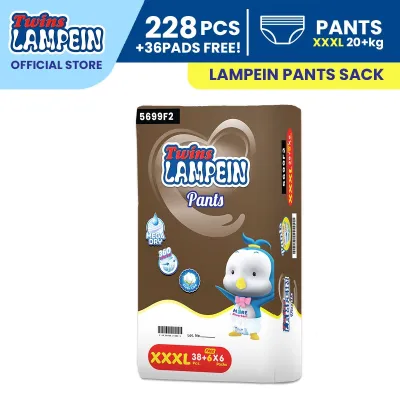
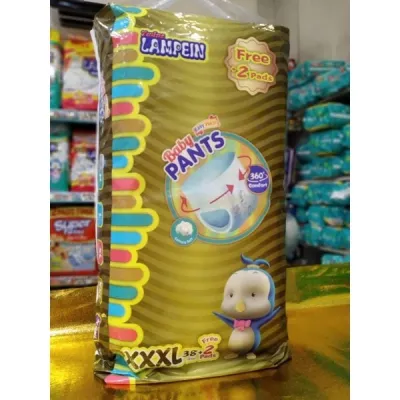
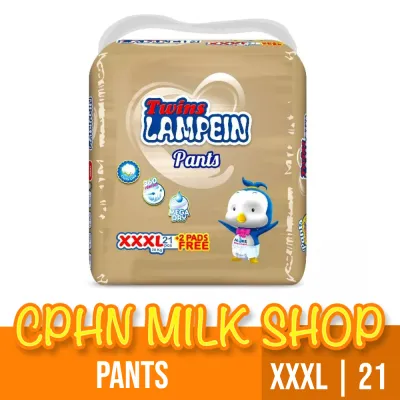
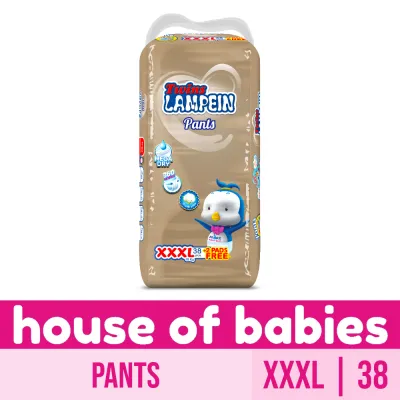
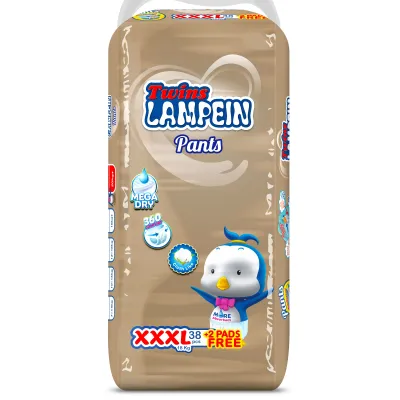
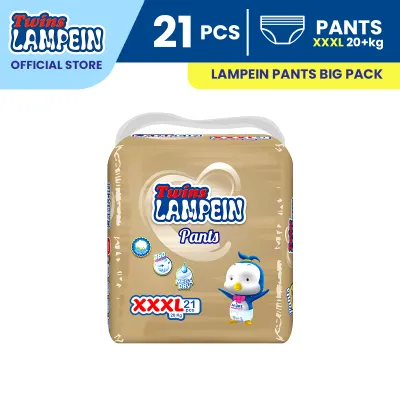
Prices are valid at publication and may change. Please refer to the product page for the latest price.
Beyond weight numbers, the actual cut and proportions of the diaper vary significantly between brands. Some diaper pants feature a high-rise waist that sits comfortably above the belly button, while others have a lower cut. The elasticity of the waistband and thigh cuffs also plays a critical role. A diaper with highly elastic, multi-strand waistbands will stretch easily to accommodate a toddler’s natural belly expansion after meals. Conversely, stiffer elastic might dig into the skin, causing discomfort during active play.
To find the most accurate fit, measure your toddler’s current waist and thigh circumference using a soft, flexible measuring tape. Compare these measurements against the product specifications on the packaging or the manufacturer’s sizing charts. Relying solely on weight can be misleading, as a tall, lean toddler weighing 18 kilograms requires a completely different fit than a shorter, stockier toddler of the same weight. Matching your child’s specific proportions to the diaper’s design minimizes the risk of purchasing a large pack of diapers that do not fit properly.
Evaluating Absorbency for Daytime and Overnight Use
Absorbency requirements change dramatically depending on the time of day and your toddler’s activity level. During active daytime play, the primary goal is to balance absorbency and breathability. A diaper core that is too thick can become bulky and heavy when wet, limiting your toddler’s mobility and causing the diaper to sag. When evaluating Twins Lampein, Pampers, Huggies, and Equator, observe how the absorbent core behaves when wet. A high-quality core should distribute liquid evenly throughout the diaper rather than letting it pool in one spot, which can lead to premature sagging and leaks.

For overnight use, the diaper must handle a larger volume of liquid over an extended period, typically eight to twelve hours. To prevent middle-of-the-night wake-ups, inspect the height and structure of the leak-guard barriers along the leg openings. These inner standing ruffles act as a physical barrier to contain liquid before it can escape. A taller, more robust leak guard is especially important for toddlers who move frequently in their sleep or sleep on their stomachs. Check if the diaper pants you are evaluating have double-layered leg cuffs, which provide an extra layer of defense against side leaks.
To evaluate the real-world performance of these brands without relying on laboratory claims, perform a simple surface dryness touch-test at home. After your toddler has worn the diaper for three to four hours, gently press a dry paper towel against the inner lining immediately after removal. If the paper towel remains dry, it indicates that the top sheet successfully draws moisture away from the skin. Additionally, utilize the wetness indicator strip on the outside of the diaper, if available, to monitor how quickly the core fills up during the day.
Comparing Fit and Comfort for Active Toddlers
Active toddlers put their diapers through rigorous movement, including running, climbing, squatting, and bending. The waistband of an XXXL diaper pant must offer excellent stretch and recovery to stay securely in place without slipping down. When examining a diaper, gently stretch the waistband to its limit and observe how quickly and smoothly it snaps back into its original shape. A waistband with poor recovery will stretch out permanently after a few hours of wear, leading to a loose fit that invites leaks at the back.
Another critical area to inspect is the leg openings. After your toddler has spent an hour playing actively, gently pull back the leg cuffs and check for any red marks, chafing, or friction lines on their inner thighs. Red marks are a clear sign that the elastic is too tight, the leg openings are too small, or the material is too abrasive for your child’s skin. If you notice persistent redness, you may need to switch to a brand that offers wider leg openings or a softer, more flexible elastic blend.
In tropical climates where humidity and heat are constant factors, the breathability of the diaper materials is paramount. Poor airflow traps heat and moisture against the skin, creating an ideal environment for heat rash and diaper dermatitis. Feel the outer cover of the diaper pants; it should feel soft and cloth-like rather than stiff or plastic-like. A breathable outer layer allows hot air to escape while keeping liquid contained, helping to keep your toddler’s skin dry and cool even during the warmest hours of the day.
Price, Availability, and Value Assessment
When managing a household budget, the cost of diapering a toddler can be a significant recurring expense. To make an accurate financial comparison between Twins Lampein XXXL, Pampers, Huggies, and Equator, calculate the cost per piece (₱). Simply divide the total price of the diaper pack by the exact number of diapers inside. This calculation allows you to compare the true value of each brand directly, as pack sizes and diaper counts vary widely across different manufacturers and retail outlets.
While purchasing large bulk boxes often yields a lower cost per piece, it is wise to start with smaller trial packs when transitioning to a new brand or size. Buying a massive box of XXXL diapers before verifying the fit can lead to wasted money if the diaper turns out to be too small or causes skin irritation. Look for official brand stores on online marketplaces or local retail outlets that offer smaller packaging options for testing purposes. This approach allows you to verify the fit and performance with minimal financial risk.
Additionally, consider the consistent availability of XXXL sizes in your area. Because XXXL is a specialized size for older toddlers, it is often less stocked in local supermarkets and convenience stores compared to standard sizes like Medium or Large. Verify the reliability of online supply chains and delivery times on your preferred ecommerce platforms. Choosing a brand that is consistently in stock and easily accessible ensures that you will not be left stranded without diapers when your supply runs low.
Decision Framework: Which Brand Fits Your Toddler Best?
To choose the right diaper pants for your toddler, weigh your budget against your child’s specific physical needs and daily routine. If your primary goal is to find a budget-friendly option for frequent daytime changes, Twins Lampein XXXL is a practical choice, provided its physical cut matches your toddler’s thigh measurements. This brand is often favored by parents who prioritize cost-effective bulk sizing for daytime wear, where diapers are changed more frequently, and long-term overnight absorbency is less of a priority.
On the other hand, if your toddler is a heavy wetter overnight or has highly sensitive skin, you may want to consider Pampers, Huggies, or Equator. These brands often feature specialized absorbent cores and high-stretch waistbands that are clearly detailed on their product labels. If your child has a rounder belly and requires a highly flexible waistband that adapts to movement without digging in, look for a brand that emphasizes 360-degree stretch technology. If side leaks during sleep are your main challenge, prioritize a brand with reinforced, double-layered leg cuffs.
Before committing to a bulk purchase of any brand, always verify your toddler’s skin sensitivity and current fit requirements. If you are transitioning from a smaller size, buy a single trial pack first. Observe your child’s skin for any signs of redness or irritation after the first few uses, and check that the diaper does not sag excessively when moderately wet. By taking these observational steps, you can confidently select the XXXL diaper pant that offers the best balance of comfort, protection, and value for your family.
Frequently Asked Questions (FAQ)
When should I transition my toddler to XXXL diaper pants?
You should consider transitioning your toddler to XXXL diaper pants when you notice physical signs of a tight fit, such as deep red marks around their waist or thighs after wear. Another common indicator is frequent side leaks or blowouts, which suggest that the current size’s absorbent capacity is no longer sufficient for your growing child. Additionally, if the waistband of the current diaper sits well below the belly button or feels difficult to pull up over your toddler’s hips, it is a clear sign that they have outgrown the XXL size and require a larger, more accommodating cut.
How can I prevent leaks at night for a heavy wetter in XXXL?
To prevent overnight leaks, always ensure that the inner standing leak guards and outer leg cuffs are fully pulled out and not tucked inward after putting the diaper pants on. Tucked cuffs are a primary cause of side leaks, as they allow liquid to bypass the absorbent core. If leaks persist, verify that the diaper is positioned symmetrically on your toddler’s body, with the waistband sitting level at both the front and back. For exceptionally heavy wetters, you may also want to check if the manufacturer offers a specialized overnight variant or consider adjusting the diaper size to ensure a snugger fit around the thighs.
Community discussion
Share your experience or ask a question. Comments are reviewed before publication.