
When choosing between Twins Lampein, Pampers, Huggies, and EQ, there is no single “best” diaper for every baby. The ideal choice depends on your child’s unique body shape, skin sensitivity, and your family’s daily routine. In the tropical climate of the Philippines, where high humidity and heat are constant factors, finding a diaper that balances breathability, reliable absorbency, and a comfortable fit is essential for preventing diaper rash and ensuring your baby stays happy throughout the day and night.
This guide breaks down how to evaluate these four popular brands across absorbency, leak protection, fit, and comfort. By focusing on observable physical features, material checks, and practical cost-per-piece calculations, you can establish a reliable routine that keeps your baby dry without overstretching your household budget.
Evaluating Absorbency and Leak Protection Features
To understand how well a diaper performs, you must look closely at its core construction rather than relying solely on packaging promises. Start by inspecting the absorbent core descriptions on the packaging. Look for mentions of Super Absorbent Polymer (SAP), which is the standard material responsible for trapping liquid and turning it into a dry gel. Some brands distribute this polymer evenly throughout the diaper, while others concentrate it in specific zones. When preparing a diaper for use, gently pat the core to feel its thickness and distribution; a clumpy or uneven core may lead to sagging once wet.
Products mentioned in this guide
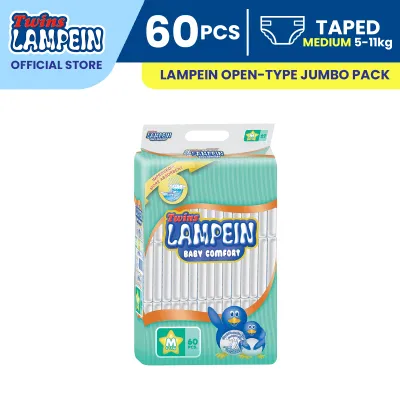
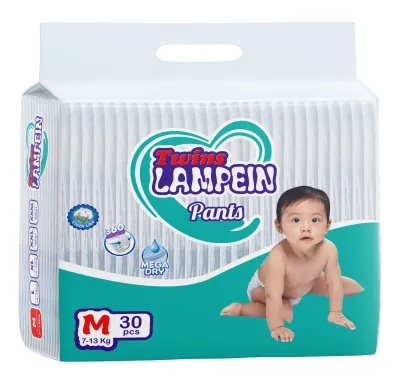
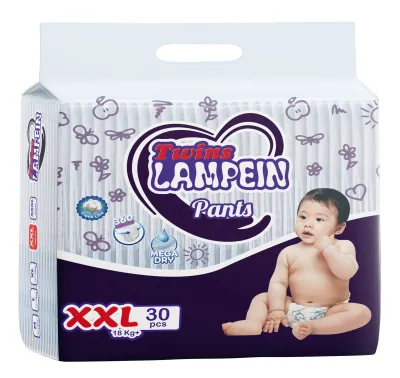
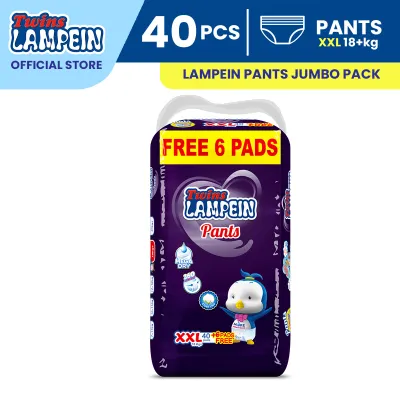
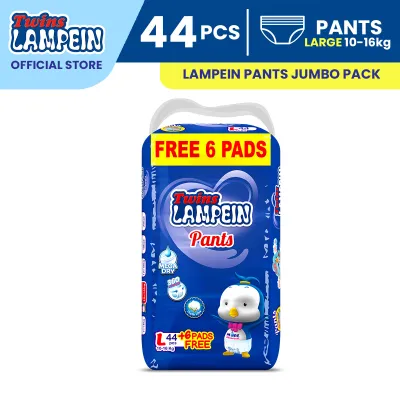
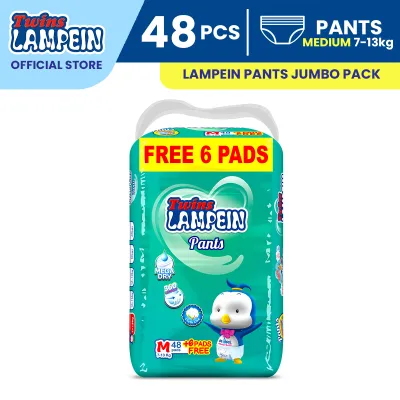
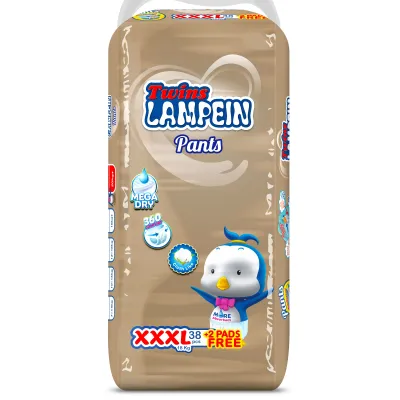
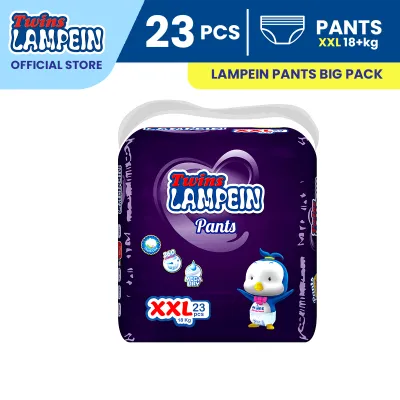
Prices are valid at publication and may change. Please refer to the product page for the latest price.
Wetness indicators are another highly practical feature to verify on the packaging. These color-changing lines on the outer shell of the diaper turn from yellow to blue or green when exposed to moisture, signaling that a change is needed. While many premium variants of Pampers and Huggies include this feature across all sizes, budget-friendly options or basic lines from Twins Lampein and EQ may omit it in certain sizes to keep production costs low. Checking the package labels before purchasing ensures you know whether you will need to rely on manual checks or a quick visual cue.
Structural leak prevention relies heavily on the design of the leg cuffs and the waistband. When opening a new diaper, run your fingers along the inner leg cuffs to assess the height and elasticity of the double-layered leak guards. These barriers should stand upright and feel soft yet resilient. A higher barrier provides better containment for sudden liquid surges, which is especially important for breastfed infants or highly active toddlers. Additionally, check the back waistband for elasticity; a stretchy back pocket or elastic band helps prevent messy blowouts up the back during movement.
Real-world monitoring is the ultimate test of a diaper’s absorbency. After your baby has worn the diaper for a few hours, observe how the material behaves. Look for signs of severe sagging, pooling of liquid, or surface dampness when you perform a change. If the outer shell of the diaper feels cold and damp to the touch, or if your baby’s skin is wet upon removal, the core has likely reached its absorption limit. This indicates that the diaper may not be suitable for long overnight stretches, even if the size is correct.
Assessing Fit, Comfort, and Skin Compatibility
A diaper’s cut and material composition directly affect your baby’s comfort and skin health, particularly in warm, humid weather. Compare the physical profiles of the four brands to see how they suit your baby’s build. Some brands feature a slim, contoured cut that fits snugly under clothing and allows for unrestricted leg movement. Other brands may have a wider, bulkier profile that offers more surface coverage but can feel heavy when wet. For babies who are beginning to roll, crawl, or take their first steps, a flexible, low-profile diaper often provides better mobility.

Fastening tabs are critical for securing a proper fit on tape-style diapers. Examine the tabs to ensure they are wide, stretchable, and capable of refastening multiple times. High-quality tabs allow you to adjust the waistband as your baby’s tummy expands and contracts throughout the day. If the tabs tear easily or lose their grip after a single adjustment, it can lead to a loose fit and subsequent leaks, especially when your baby is active.
Skin compatibility is a primary concern for parents managing sensitive skin in tropical conditions. Trapped sweat and friction can quickly cause chafing and diaper rash. Check the diaper packaging for dermatological testing claims, hypoallergenic material disclosures, or fragrance-free certifications. If your baby is prone to eczema or localized irritation, prioritize variants that explicitly state they are free from added fragrances, lotions, and elemental chlorine. Fragrance-free options minimize the risk of chemical sensitivities triggering skin flare-ups.
Always look for physical signs of a poor fit during and after use. Red marks or deep elastic indentations around your baby’s thighs, hips, or waist indicate that the diaper is too tight or the cut is too narrow for their body shape. Conversely, gaps between the leg cuffs and your baby’s skin, or frequent side leaks despite proper fastening, suggest that the diaper is too loose. Caregivers must monitor these physical signs daily and adjust the fastening style or diaper brand accordingly.
If your baby develops persistent skin redness, severe diaper rash, or open chafing marks, stop using the current diaper brand immediately. Clean the area gently with warm water, allow the skin to air-dry completely, and consult a pediatrician or qualified healthcare professional. Do not rely on changing diaper brands alone to resolve severe or worsening skin conditions, as professional medical advice is necessary to ensure proper healing.
Comparing Cost, Sizing, and Retail Availability
Managing a household budget requires a clear understanding of the long-term costs associated with daily diaper changes. To determine the true value of each brand, calculate the cost per piece rather than comparing total pack prices. Divide the retail price in Philippine Pesos (₱) by the total number of diapers in the package. Budget-friendly options like Twins Lampein and standard EQ lines typically offer a lower cost per piece, making them highly economical choices for families who prioritize frequent daytime changes to maintain hygiene.
Sizing standards are not identical across all manufacturers, meaning a size Medium in one brand may not fit the same as a size Medium in another. Always verify the specific weight ranges and physical dimensions printed on the packaging. Keep in mind that these weight ranges often overlap between sizes. If your baby is near the upper limit of a weight range, or if they have a rounder tummy and chubbier thighs, you may need to size up early to prevent leaks and red marks, regardless of what the weight chart suggests.
Retail availability and stock consistency are crucial for maintaining a seamless daily routine. Some brands, such as EQ and Pampers, are widely distributed and easily found on the shelves of local supermarkets, neighborhood convenience stores, and major drugstores across the Philippines. Other brands, including Twins Lampein, may be more consistently stocked in bulk packages on official brand stores within online marketplaces or large wholesale clubs. Ensure your preferred brand is easily accessible to avoid sudden shortages that force you to switch brands abruptly.
Decision Framework: Choosing the Right Brand for Your Baby
Selecting the right diaper involves matching a brand’s specific design strengths with your baby’s physical needs and your daily routine. Consider the following conditional framework to guide your next purchase:
- Choose Twins Lampein if your baby's body shape fits its specific cut without leaking, and you are looking for a highly budget-friendly option. This brand is particularly suitable for frequent daytime changes, allowing you to maintain excellent hygiene and keep your baby fresh without straining your daily budget.
- Choose Pampers or Huggies if you require specialized, high-absorbency variants designed for extended overnight wear or if your baby has highly sensitive skin. These brands offer premium lines with advanced absorbent cores and breathable, fragrance-free materials that help keep skin dry during long sleep stretches.
- Choose EQ if you are seeking a dependable, middle-ground option that balances everyday absorbency with local cost-effectiveness. As a widely available household staple, EQ offers a reliable performance profile that fits easily into both daytime and moderate nighttime routines.
Before committing to bulk purchases of any new brand, always buy a small trial pack first to test the fit and skin compatibility. If your baby has a history of persistent skin conditions, severe diaper rash, or unusual fit issues, consult a pediatrician before making any major changes to their diapering routine. A professional medical evaluation ensures that any underlying skin sensitivities are addressed safely.
Frequently Asked Questions (FAQ)
Can I mix different diaper brands for day and night use?
Yes, mixing different diaper brands for daytime and nighttime use is a highly practical and cost-effective strategy. Many parents use a budget-friendly brand like Twins Lampein or standard EQ during the day when they can monitor and change the diaper frequently. For nighttime, they switch to a high-absorbency, premium variant from Pampers or Huggies to ensure the baby remains dry and comfortable through uninterrupted sleep.
When implementing this strategy, monitor your baby’s skin closely for any signs of irritation. Switching between different material compositions, elastic designs, and cuts can sometimes cause localized chafing if one brand rubs against the skin differently than the other. Ensure both brands fit well and do not cause red marks before fully committing to a mixed routine.
How do I know if it is time to size up in a specific brand?
There are several clear physical indicators that your baby has outgrown their current diaper size. If you experience frequent side leaks or blowouts despite securing the diaper correctly, the absorbent core may no longer be large enough to handle your baby’s output. Additionally, look for deep red marks or elastic indentations on your baby’s thighs, hips, or waist after removing the diaper.
Another practical check is the positioning of the fastening tabs on tape-style diapers. If the tabs struggle to reach the center zone of the landing strip, or if the diaper sits too low on your baby’s waist, it is time to move up to the next size. Always refer to the specific brand’s weight and size chart on the packaging, as sizing standards vary between manufacturers and a baby’s growth spurts can quickly change how a diaper fits.
Community discussion
Share your experience or ask a question. Comments are reviewed before publication.