
Quick Answer: Which Diaper Brand is Actually Best for Your Baby?
Finding the right diaper for your baby in the tropical climate of the Philippines is a balancing act between comfort, absorbency, and budget. With high humidity and active play, what works perfectly for one infant might cause leaks or irritation for another.
Without standardized, independent laboratory testing, no single brand among Tutuba, Pampers, Equator, or Huggies can be declared the absolute best in absorbency or leak protection. The ideal choice depends heavily on your baby’s unique skin sensitivity, body shape, thigh thickness, and daily activity level.
While premium brands like Pampers and Huggies often focus on specialized materials and advanced core technologies, value-driven options like Tutuba and Equator frequently compete on everyday reliability and cost-effectiveness. Your goal is to match these design priorities with your baby’s specific physical needs.
Products mentioned in this guide
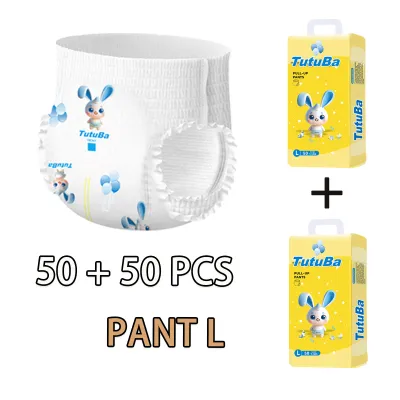
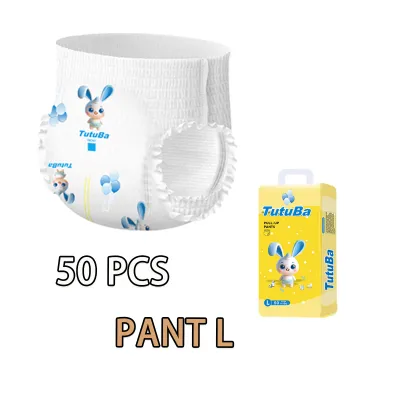
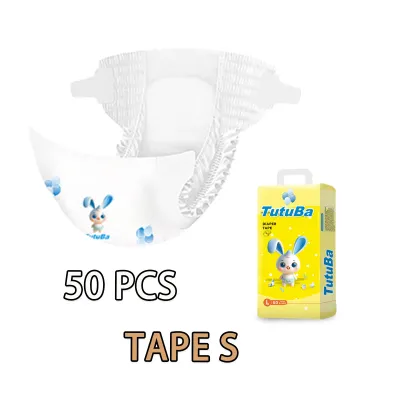
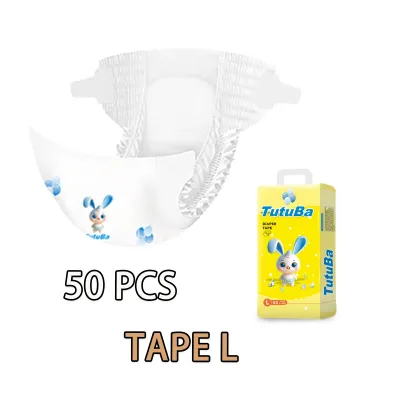
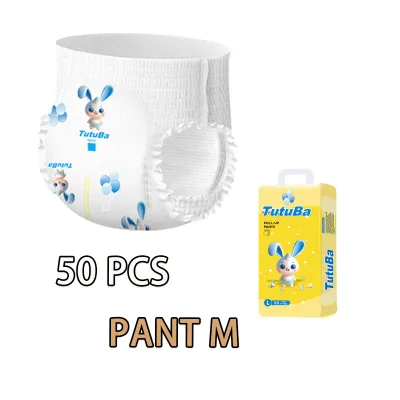
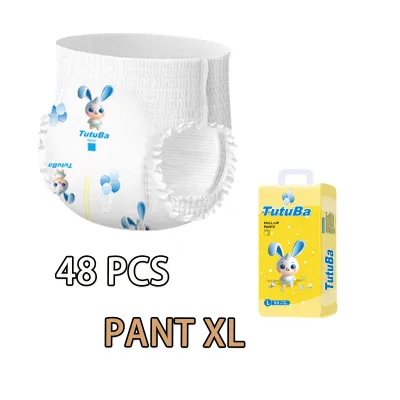
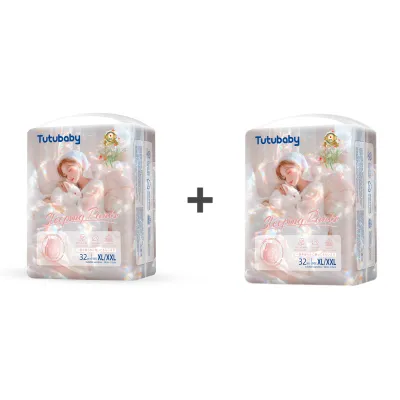
Prices are valid at publication and may change. Please refer to the product page for the latest price.
Understanding the Contenders: Brand Focus and Design Priorities
To make an informed decision, it helps to understand what each brand prioritizes in its product design. Every manufacturer targets a specific segment of the market, balancing material costs with functional features.

Tutuba Diapers
Tutuba is generally positioned as a budget-friendly, value-driven option in the local market. When considering this brand, parents should carefully check the packaging for specific material claims, core thickness, and the presence of breathable backing materials. It is designed for families looking to manage daily diapering expenses without sacrificing basic containment.
Pampers Diapers
Pampers is widely recognized for its focus on skin dryness and specialized absorbency channel technologies. Depending on the specific product line, such as their premium or standard offerings, the features will vary significantly. Parents should verify whether the specific pack offers extra lotion coatings or specialized breathable layers designed to combat tropical humidity.
Equator Diapers
Equator typically aims to balance cost and everyday performance, making it a popular mid-range choice. When examining Equator packaging, look for stated features like wetness indicators, breathable outer covers, and stretchable waistbands. These features help caregivers monitor wetness quickly in warm weather, reducing the risk of prolonged moisture exposure.
Huggies Diapers
Huggies is known for its focus on secure fit designs, featuring pocketed waistbands and leak-lock systems to prevent messy blowouts. They offer a clear distinction between their standard everyday lines and their premium sensitive-skin options. This variety allows parents to choose a level of protection that matches their baby’s developmental stage and skin tolerance.
Key Performance Factors: What to Check on the Diaper Packaging
Evaluating a diaper goes beyond reading the brand name on the front of the box. Parents can become savvy consumers by learning to read the technical specifications and physical design cues printed on the packaging.
Absorbency Indicators
When assessing absorbency, look for explicit terms on the packaging such as “multi-layer core” or “Super Absorbent Polymer (SAP).” Some brands may also print specific hour claims for dryness, such as “up to 12 hours of protection.” Because these claims are tested under controlled manufacturer conditions, you should verify them through real-world trials during your baby’s longest sleep stretches.
Leak Protection Features
To prevent leaks during active movement, inspect the diaper for physical design cues. Look for double leak guards, standing leg cuffs, and highly elasticized waistbands. These physical barriers are crucial for containing liquid, especially when your baby is sitting, crawling, or rolling on the floor.
Fit and Comfort Elements
A comfortable diaper prevents red marks and chafing on delicate skin. Examine the stretchability of the side panels and the softness of the top sheet material. Additionally, a reliable wetness indicator line that changes color when wet is a highly useful feature for busy caregivers, helping to prevent unnecessary diaper changes or delayed swaps.
Skin Safety and Certifications
In a humid environment, skin safety is paramount to prevent painful diaper rash. Verify dermatological testing claims, hypoallergenic labels, and the explicit absence of added fragrances, lotions, or chlorine on the packaging. If your baby has highly reactive skin, choosing a fragrance-free, plain top sheet is often the safest starting point.
Matching Diaper Features to Your Baby's Body and Routine
No two babies are shaped exactly alike, and their daily routines change rapidly as they grow. Matching specific diaper features to your baby’s physical traits and activity levels is the most effective way to minimize leaks and skin irritation.
For Active or Crawling Babies
Once your baby starts rolling, crawling, or walking, diaper movement increases the risk of side leaks. Prioritize diaper designs with highly stretchable side panels and secure, refastenable fastening tabs. These features allow the diaper to stretch and flex with your baby’s movements without sagging or shifting out of place.
For Heavy Wetters or Overnight Use
For long stretches of sleep or for babies who drink large amounts of fluids before bed, standard daytime diapers may not suffice. Focus on packaging that explicitly states extended absorbency, features a thicker core design, or belongs to a dedicated nighttime product line. A high-capacity core keeps moisture away from the skin for longer periods, promoting uninterrupted sleep.
For Sensitive Skin and Rash Prevention
Tropical heat and humidity can trap moisture against your baby’s skin, leading to rapid bacterial growth and diaper rash. Select options with highly breathable back sheets that allow air to circulate freely. Avoid scented variants entirely, as artificial fragrances are a common trigger for contact dermatitis and skin irritation.
For Chunky or Slender Thighs
Diaper sizing is not universal, and weight ranges on packaging are merely guidelines. If your baby has chunky thighs, a diaper with tight leg cuffs might leave deep red marks, requiring you to size up even if their weight falls within the lower end of the range. Conversely, slender babies may require a diaper with highly elasticized, snug leg cuffs to prevent gaps that lead to leaks.
Calculating True Value: Cost Per Diaper and Hidden Expenses
Comparing diaper prices on the shelf can be highly misleading due to varying pack sizes and marketing terms like “mega” or “jumbo.” To find the most economical option for your household, you must look past the initial price tag.
To calculate the true cost, divide the total pack price in Philippine Pesos (₱) by the precise number of diapers inside the package. For example, a pack costing ₱400 containing 40 diapers results in a unit cost of ₱10 per diaper. Comparing this unit cost across brands gives you an accurate financial baseline.
However, a lower unit cost does not always translate to long-term savings. If a cheaper diaper has lower absorbency, you may find yourself changing your baby twice as often, or dealing with frequent leaks that require extra laundry. In such cases, a slightly more expensive, highly absorbent diaper may actually cost less per day because you use fewer pieces.
To optimize your budget, look for bulk-buy options, subscription discounts, or official brand store promotions on major ecommerce platforms. Purchasing larger boxes during online sales events can significantly lower your cost per diaper.
Finally, remember to factor in the potential hidden costs of skin irritation. A cheaper, less breathable diaper that causes persistent diaper rash can quickly lead to unexpected expenses, including medicated barrier creams, specialized washes, or pediatrician consultations. Investing in a diaper that suits your baby’s skin can prevent these costly medical interventions.
Decision Framework: Which Brand Should You Try First?
Choosing the right diaper is a process of elimination based on your baby’s unique needs and your family’s budget. Use this structured framework to decide which brand to try first and when to adjust your strategy.
When to Choose Pampers or Huggies
Consider starting with Pampers or Huggies if your primary goal is established premium features, advanced skin-care technologies, or specialized overnight protection. These brands are highly suitable if you have a flexible budget and want to minimize the trial-and-error process, especially during the newborn stage when skin is exceptionally delicate.
When to Choose Tutuba or Equator
Opt for Tutuba or Equator if you are looking for a highly cost-effective daily option for a baby without severe skin sensitivities. These brands are excellent choices if you practice frequent diaper changes throughout the day, which is highly recommended in hot and humid weather to maintain hygiene and freshness.
Crucial Safety and Verification Steps
Regardless of the brand you choose, always verify the exact ingredient and material list on the specific packaging before purchasing. If your baby has known allergies, eczema, or highly reactive skin, avoid any products containing added fragrances or botanical extracts. Always check the manufacturer’s weight and size guidelines, and supervise your baby during changes to ensure the diaper is fastened securely but comfortably.
If your baby experiences persistent skin redness, severe diaper rash, frequent blowouts, or constant leaking, stop using the current product immediately. Consult a pediatrician or a qualified healthcare professional to rule out allergic reactions or infections. You may need to switch to a larger size, a different brand, or a specialized sensitive-skin product line to restore your baby’s comfort.
Community discussion
Share your experience or ask a question. Comments are reviewed before publication.