
Finding the right diaper for your baby in the Philippines involves balancing performance, comfort, and cost. While legacy brands like Pampers and Huggies have long dominated local supermarket shelves, newer alternatives like Turuba and value-focused options like Equator present parents with more choices than ever. Because independent, standardized laboratory testing data comparing these specific brands is not publicly available, making an informed decision requires a systematic approach. By learning how to verify manufacturer specifications, inspect physical design features, and calculate the true cost per wear, you can confidently choose the best option for your baby’s needs.
Every baby has a unique body shape, skin sensitivity level, and wetting pattern, meaning there is no single diaper that works perfectly for every household. A diaper that prevents leaks for one infant might cause blowouts or skin irritation for another. Therefore, understanding the underlying technology of these products and knowing how to run simple, safe evaluations at home will save you both money and frustration. This guide provides a practical framework to help you compare Turuba, Pampers, Equator, and Huggies across the key metrics of absorbency, fit, and overall value.
Brand Positioning and Core Design Features
To make a fair comparison, it is essential to understand where each brand sits in the market and what design philosophies they prioritize. Legacy brands like Pampers and Huggies typically position themselves as premium or standard tier options, investing heavily in proprietary material research and advanced manufacturing. These brands often offer multiple product lines, ranging from basic daytime diapers to premium, high-absorbency overnight pants. When evaluating these legacy options, always identify which specific line you are looking at, as features vary significantly between a brand’s entry-level and premium offerings.
Products mentioned in this guide
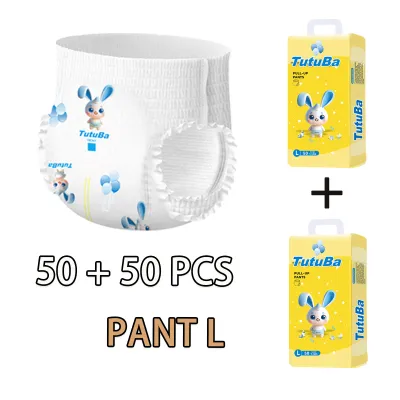
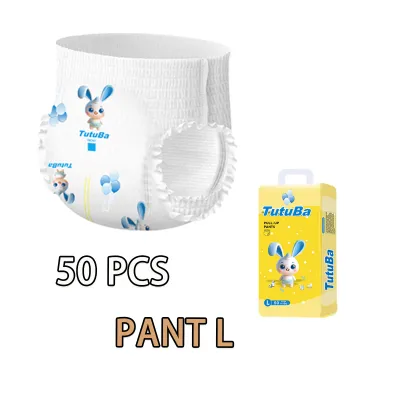
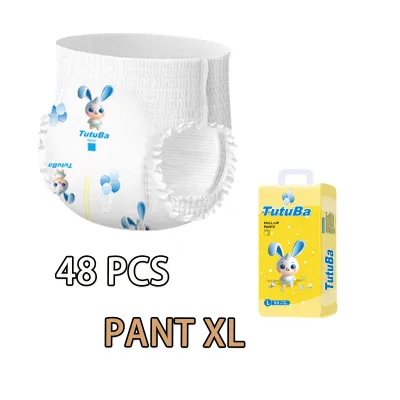
Prices are valid at publication and may change. Please refer to the product page for the latest price.
Turuba enters the market as a modern alternative, often aiming to bridge the gap between premium design features and accessible pricing. This brand typically highlights contemporary diaper construction trends, such as ultra-thin absorbent cores and integrated wetness indicators, which were once exclusive to high-end products. By positioning itself as a competitive alternative, Turuba appeals to parents who want modern diaper features without paying the premium legacy brand tax.
Equator, on the other hand, is widely recognized as a highly practical, value-first option. Its design philosophy focuses on the essentials of containment and basic absorption, making it a popular choice for daytime use when diapers are changed more frequently. Because Equator prioritizes budget efficiency, it may omit some of the secondary convenience features found on premium diapers, such as wetness-indicating color strips or highly elasticized waistbands, focusing instead on functional utility.
When comparing these four brands, always ensure you are evaluating products of the same type, such as comparing tape-style diapers to tape-style, or pants to pants. Additionally, look closely at the packaging for key feature claims. Modern diaper designs generally feature 3D leak guards, which are raised fabric barriers along the edges, and ultra-thin cores designed to prevent bulkiness between the baby’s legs. Noting these claims on the packaging gives you a baseline of what to expect before you open the pack.
How to Verify Absorbency and Leak Protection
Absorbency is the most critical function of any diaper, but relying solely on marketing claims like “up to 12 hours of dryness” can be misleading. To truly assess a diaper’s capacity, you must look at the construction of its absorbent core. Most modern diapers rely on Super Absorbent Polymer (SAP) mixed with wood pulp or housed within a specialized channel structure. SAP is the material responsible for turning liquid into a gel, preventing wetness from pressing back up against your baby’s skin.

When examining a diaper, gently feel the dry core through the outer cover. A high-quality core should feel uniform, without large clumps or empty gaps where the absorbent material is missing. Look for packaging descriptions that mention “distribution channels” or “absorbent grids.” These designs are engineered to distribute liquid evenly along the length of the diaper, preventing the sagging and clumping that often leads to leaks when a baby sits down or moves around.
Beyond the core, leak protection relies heavily on the physical barriers around the legs and waist. Inspect the leg cuffs of the diaper; they should feature double-layered elastic barriers that stand upright when the diaper is opened. These barriers act as a dam to contain sudden rushes of liquid. If the elastic is too loose, or if the barrier height is negligible, the diaper is highly susceptible to side leaks, regardless of how absorbent the central core might be.
To compare the absorbency of Turuba, Pampers, Equator, and Huggies without risking a blowout on your baby, you can perform a simple and safe at-home test using a single diaper from each brand. Lay the diapers flat on a clean, waterproof surface. Measure 100 to 150 milliliters of lukewarm water—which roughly simulates a baby’s urine output—and pour it steadily onto the center of each diaper. Note how quickly the liquid sinks into the core, and after two minutes, gently press a dry paper towel onto the surface. The diaper that leaves the paper towel the driest has the most effective moisture-locking capability.
Evaluating Fit, Comfort, and Skin Safety
A diaper can have excellent absorbency, but if it does not fit your baby’s specific body shape, leaks and discomfort are inevitable. Waistband elasticity is a key factor here. Some brands design their diapers with highly stretchable back waistbands, which are excellent for preventing “blowouts” up the back, especially for active babies. Other brands focus elasticity around the side tabs or the leg gathers. If your baby has chunkier thighs, look for brands with soft, wide leg gathers that stretch easily without leaving red marks on the skin.
In the tropical climate of the Philippines, heat and high humidity make diaper breathability a major priority for skin health. Trapped moisture and heat create an ideal environment for diaper rash, locally known as bungang araw or diaper dermatitis. To verify breathability claims, look for packaging that specifies “micro-pore backsheets” or “breathable outer covers.” These materials allow hot air and vapor to escape while keeping liquid safely contained inside.
Skin safety also depends heavily on the materials that come into direct contact with your baby’s skin. Parents of babies with sensitive skin should carefully check packaging labels for hypoallergenic certifications, dermatological testing, and the explicit absence of added fragrances, latex, or elemental chlorine bleaching. Fragrances are a common trigger for skin irritation, so unscented options are generally safer for newborns and sensitive infants.
Always monitor your baby’s skin closely whenever you transition to a new diaper brand. If you notice persistent redness, chafing, or a bumpy rash in the diaper area, stop using the product immediately. Keep the area clean and dry, and consult a pediatrician for proper guidance rather than relying on diaper brand changes to resolve a medical issue.
Calculating Price and Overall Value
To find the true cost-effectiveness of any diaper brand, you must look past the retail price of the package and calculate the unit cost. Because diaper packs come in varying quantities and prices fluctuate based on size, comparing package prices directly is highly misleading. Use this simple formula to find the real cost: divide the total price of the pack by the number of diapers inside to get the price per piece (₱).
Keep in mind that the price per piece naturally increases as you move up in sizes. A size Small diaper will always cost less per unit than a size Extra Large diaper of the exact same brand because larger sizes require more raw materials. When comparing Turuba, Pampers, Equator, and Huggies, make sure you are comparing the unit prices of the exact same size tier (e.g., comparing Medium to Medium) to keep your calculations accurate.
Your purchasing channel also plays a significant role in the final price. Buying standard-sized packs at physical supermarkets offers convenience and immediate availability, but it usually carries a higher unit cost. Conversely, purchasing bulk boxes from official brand stores on online marketplaces often unlocks substantial savings through bulk discounts, subscription options, and digital vouchers. However, bulk buying requires a higher upfront cost and carries the risk of your baby outgrowing the size before you finish the box.
Finally, factor in leak frequency when calculating overall value. If a budget-friendly diaper costs ₱6 per piece but frequently leaks, requiring you to change your baby’s clothes, run extra laundry, and use two diapers instead of one, the actual cost of using that diaper rises dramatically. A premium diaper costing ₱10 per piece that keeps your baby dry through the night without leaking may actually save you money, time, and effort in the long run.
Final Decision Framework
To choose the right diaper for your household, align your choice with your budget, your baby’s daily routine, and their specific physical needs.
- Choose Turuba if: You want to try a modern, alternative diaper that offers contemporary design features like an ultra-thin core and wetness indicators at a competitive price point, and your baby has standard skin tolerance.
- Choose Pampers or Huggies if: You prefer the peace of mind that comes with legacy brand consistency, require specialized premium features for overnight wear, and have the household budget to support a higher price per diaper.
- Choose Equator if: Your primary goal is maximizing budget efficiency for frequent daytime changes, your baby does not have highly sensitive skin, and you have verified that the basic cut fits your baby securely without leaking.
- Verify first if: Your baby has highly sensitive skin, a history of severe diaper rash, or specific allergies. In these cases, always consult your pediatrician first, and prioritize verified hypoallergenic, fragrance-free labels over brand reputation or cost savings.
Frequently Asked Questions (FAQ)
Do diaper sizes run differently across these four brands?
Yes, diaper sizes can vary significantly across Turuba, Pampers, Equator, and Huggies because each manufacturer uses its own proprietary cutting patterns and elastic materials. While the weight ranges printed on the packaging serve as a helpful general guideline, they are not standardized across the industry. A medium diaper from a brand that uses highly elastic side panels may fit a larger baby comfortably, whereas a medium from a brand with stiffer materials might feel too tight or restrictive.
When switching between these brands, do not rely solely on the size letter or weight range. Instead, physically check how the diaper sits on your baby’s body, paying close attention to the snugness of the waistband and the tightness of the leg cuffs. If you notice red marks on your baby’s thighs or tummy, or if you experience frequent blowouts, it is usually a sign that you need to size up. To avoid wasting money on a large pack that does not fit, always purchase a small trial pack of a new brand to verify the fit before committing to a bulk box purchase.

Community discussion
Share your experience or ask a question. Comments are reviewed before publication.