
Deciding between a regular diaper cream and a heavy-duty triple paste can make a significant difference in how quickly your baby’s skin heals. While standard creams are excellent for daily protection, severe or stubborn diaper rash requires a much more robust physical barrier. Knowing when to switch from a light preventative cream to a thick, medicated ointment helps prevent unnecessary discomfort and protects your baby’s delicate skin barrier.
To make the right choice, you must evaluate the severity of the rash, how long it has lasted, and how your baby reacts during diaper changes. Understanding the distinct roles of these two skincare products ensures you do not over-treat mild irritation or under-treat a painful, spreading rash.
What Makes Triple Paste Different from Regular Diaper Cream?
Regular diaper creams and heavy-duty triple pastes serve entirely different purposes in a baby’s daily skincare routine. Standard diaper creams are generally formulated for daily prevention and mild, temporary irritation. They often have a lighter, smoother consistency that is easy to spread and wipe away. These everyday creams typically contain lower concentrations of active barrier ingredients, such as zinc oxide, combined with soothing emollients like aloe or calendula to keep healthy skin protected from occasional wetness.
Products mentioned in this guide
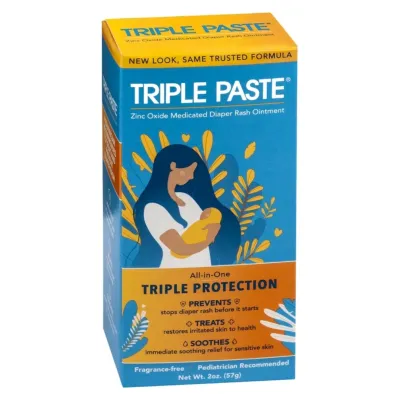
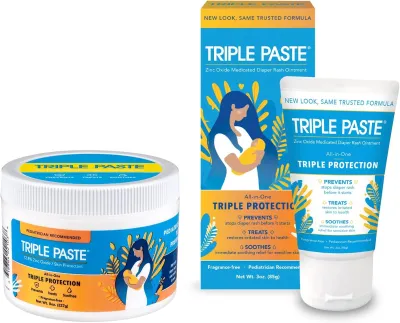
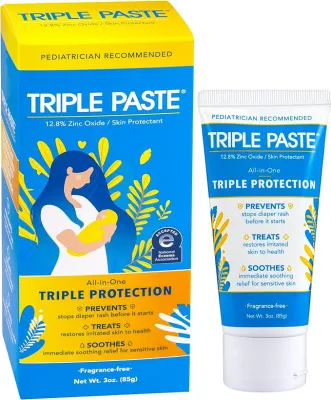
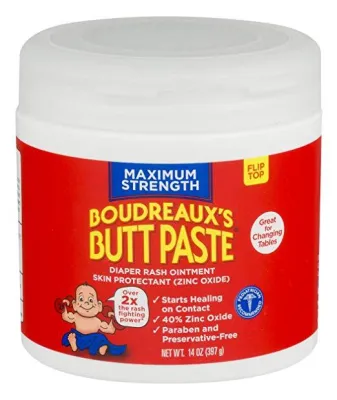
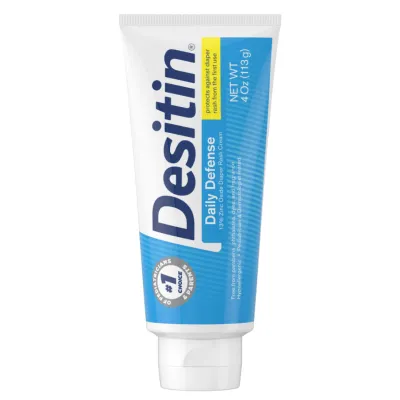
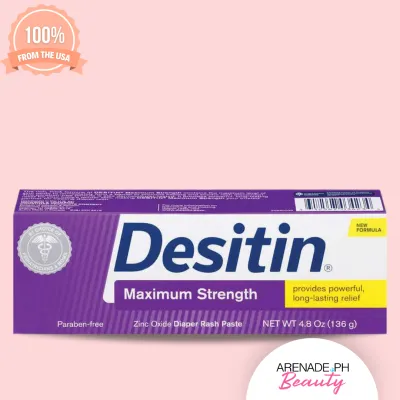
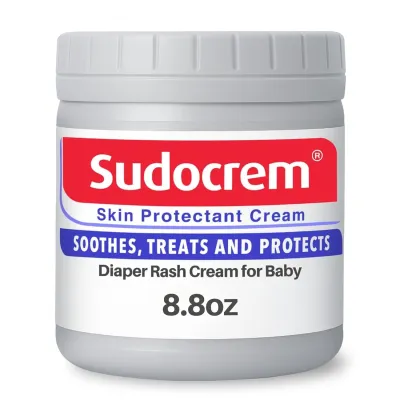
Prices are valid at publication and may change. Please refer to the product page for the latest price.
In contrast, a “triple paste” or heavy-duty medicated ointment is a much thicker, highly concentrated barrier cream. These formulations are specifically engineered to treat severe, stubborn, or prolonged diaper rashes that do not respond to standard care. They contain a higher percentage of zinc oxide, which creates an impenetrable physical shield over compromised skin. This thick consistency allows the ointment to stay in place much longer, resisting breakdown from urine and friction.
When choosing a diaper care product, it is crucial to look beyond marketing terms. Always check the specific product label for the exact active ingredients, age recommendations, and manufacturer instructions. Different brands may use terms like “ointment,” “paste,” or “cream” interchangeably, but the active ingredient concentration and the base formulation dictate how the product behaves on your baby’s skin.
The local climate also plays a major role in how these products perform. In hot and highly humid environments, such as the tropical climate of the Philippines, choosing the right thickness is especially important. While a thick paste provides superior protection against diaper wetness, applying a heavy barrier over skin that is not completely dry can trap sweat and ambient moisture against the body. This trapped moisture can lead to heat rash or worsen existing diaper irritation, making proper application techniques vital.
Signs It Is Time to Switch to a Stronger Ointment
Using a standard cream when your baby’s skin requires a heavy-duty barrier can prolong their discomfort. Recognizing the physical and behavioral signs that indicate a need for a stronger ointment helps you intervene before the rash becomes severe.

The Rash Persists Beyond a Few Days
Monitoring the timeline of a diaper rash is one of the easiest ways to gauge its severity. A mild diaper rash caused by brief contact with wetness should begin to fade within 24 to 48 hours of consistent, standard care. If you have been diligent with frequent diaper changes, gentle cleaning, and regular barrier cream for two to three days without seeing any visible improvement, the skin barrier requires a more concentrated protective layer. Continuing with a light cream at this stage is often insufficient to allow the underlying tissue to heal.
Severe Redness and Deep Inflammation
The visual appearance of your baby’s skin provides immediate clues about the level of inflammation. Mild irritation usually presents as a light pink hue or scattered pink spots. However, if the diaper area exhibits a bright, angry redness that covers a large, continuous portion of the skin, the natural barrier is significantly compromised. This deep inflammation indicates that the skin is highly irritated and vulnerable, requiring the dense, soothing coverage that only a heavy-duty paste can provide.
Raw Patches or Minor Skin Breakdown
When a diaper rash progresses, the skin can begin to look chafed, raw, or slightly peeled. This minor skin breakdown means the outermost protective layer of the skin has worn away, exposing the sensitive layers beneath. At this stage, contact with acidic urine and digestive enzymes in stool causes intense pain and further damage. A thick, heavy-duty paste is essential in this scenario because it acts as an artificial skin barrier, shielding the exposed, raw tissue from external irritants while the body repairs itself.
Intense Fussiness During Changes
Your baby’s behavior is a direct indicator of their pain levels. If your baby is normally calm during diaper changes but suddenly begins to cry intensely, squirm, or arch their back when you wipe them or when they urinate, their skin is highly sensitized. This level of discomfort suggests that the nerve endings in the skin are exposed and irritated. Upgrading to a thick, cushioning paste helps soothe the burning sensation and provides a physical buffer that reduces friction during movement and cleaning.
Standard Creams Fail to Protect During Frequent Changes
In some cases, you may notice that the standard diaper cream you apply seems to disappear completely by the next change, leaving the skin wet and unprotected. This often happens when a baby has frequent or loose stools, which can easily wash away lighter creams. If your current cream fails to stay on the skin despite frequent, gentle diaper changes, it is time to switch to a water-resistant, heavy-duty paste. These thick formulations are designed to adhere firmly to the skin, ensuring continuous protection even between changes.
When a Regular Diaper Cream is Sufficient
While heavy-duty pastes are highly effective for severe rashes, they are not always the best choice for everyday use. Standard diaper creams are the ideal option for daily prevention, routine protection, and addressing mild pinkness that clears up quickly. If your baby has resilient skin and rarely suffers from breakouts, a light, breathable cream applied during bedtime or long car rides is usually all that is needed to maintain healthy skin.
Using a heavy, highly concentrated paste when only mild prevention is required can actually lead to unnecessary complications. Because heavy-duty pastes are designed to stick tenaciously to the skin, they are much harder to wash off. Attempting to scrub these thick ointments off delicate, healthy skin during every diaper change can cause friction damage and irritation. Additionally, applying thick barriers unnecessarily in warm, humid weather can trap natural sweat, creating a warm environment that promotes irritation.
Ultimately, no cream or paste can replace the foundational steps of good diaper hygiene. Frequent diaper changes, allowing the skin to air-dry completely, and gentle cleansing remain your primary defenses against diaper rash. A standard cream should be viewed as a supportive layer to keep healthy skin hydrated and slightly shielded, rather than a heavy cure-all for everyday diapering.
Red Flags: When to Skip the Cream and See a Doctor
It is vital for parents to recognize the limits of over-the-counter diaper treatments. No diaper cream, ointment, or heavy-duty paste can cure an underlying fungal or bacterial infection. Applying thick barriers over an active infection can trap the pathogens against the skin, making the condition worse and delaying proper medical treatment.
You should stop using over-the-counter creams and consult a pediatrician or qualified healthcare professional immediately if you observe any of the following red flags:
- Satellite lesions: The rash is bright red or purple and features distinct, small red spots or bumps (satellite lesions) spreading outward from the main rash area, which is a classic sign of a yeast (Candida) infection.
- Blisters or pustules: You notice fluid-filled blisters, pus-filled bumps, open sores, peeling skin, or active bleeding in the diaper area.
- Spreading rash: The rash spreads beyond the immediate diaper region onto the baby's abdomen, thighs, back, or face.
- Systemic symptoms: Your baby develops a fever, becomes unusually lethargic, or shows signs of systemic illness alongside the rash.
- No improvement: The rash does not show any signs of improvement after two to three days of using a heavy-duty paste.
If you suspect your baby’s rash is caused by an allergy to a specific diaper brand, wipe ingredient, or laundry detergent, consult a doctor for a proper diagnosis rather than attempting to treat the symptoms with stronger creams. Always prioritize professional medical advice when the skin barrier is severely compromised.
Best Practices for Applying Heavy-Duty Pastes
To get the maximum benefit from a heavy-duty diaper paste without causing further irritation, you must apply and remove it correctly. Following these practical steps ensures the skin is protected and allowed to heal.
First, clean the diaper area with extreme gentleness. Use warm water and cotton balls or soft, fragrance-free baby wipes. Avoid rubbing or scrubbing the skin; instead, gently pat the area clean. Once clean, allow the skin to dry completely. In humid climates, you can gently pat the skin with a clean, dry cloth or let your baby go diaper-free for a few minutes to ensure no moisture is trapped beneath the heavy paste.
Next, apply the paste using the “frosting” technique. Spread a thick, visible layer of the ointment over the irritated areas, similar to how you would spread frosting on a cake. The layer should be thick enough that you can no longer see the baby’s skin underneath. This ensures that the diaper fabric and any bodily waste come into contact with the paste rather than the healing skin.
When it is time for the next diaper change, do not try to scrub off all the remaining clean paste. Aggressive wiping to remove every trace of a heavy ointment will cause friction damage to the healing skin. If the paste is clean and has not been soiled by stool, simply wipe away the top soiled layer gently, clean the surrounding areas, and apply a fresh layer of paste directly over the clean, remaining ointment. Always consult the specific product’s label for any unique removal or reapplication instructions.
Frequently Asked Questions (FAQ)
Can I use triple paste for every diaper change?
While some heavy-duty pastes are safe for daily use, they are generally formulated for active treatment rather than routine prevention. For daily care, a lighter, more breathable cream is usually preferred to prevent trapping sweat, especially in humid climates. Check the manufacturer’s label or consult your pediatrician to determine if a specific heavy paste is suitable for long-term, daily preventative use on your baby’s skin.
Does a thicker paste mean it works faster?
A thicker paste does not contain magical healing ingredients that speed up skin regeneration; rather, its thickness provides a superior physical barrier. By completely blocking out moisture, urine, and fecal enzymes, the paste creates the optimal, protected environment for the skin to heal itself naturally. The speed of healing depends on keeping the skin clean, dry, and shielded from friction.
Can I mix regular cream with triple paste?
You should avoid mixing different diaper cream formulations together. Combining products can dilute the active ingredients in the heavy-duty paste, reducing its effectiveness and compromising its water-resistant barrier properties. To achieve the best results, choose one appropriate product based on the severity of the rash and apply it according to the manufacturer’s instructions.

Community discussion
Share your experience or ask a question. Comments are reviewed before publication.