
Caring for your baby’s oral health is a milestone that begins much earlier than many parents expect. When those first pearly whites begin to peek through the gums, you should purchase an infant toothbrush featuring extra-soft bristles, a compact brush head, and a secure grip, alongside a mild, age-appropriate toothpaste formulated specifically for babies. Introducing these tools at the right developmental stage helps prevent early childhood caries and establishes a positive, lifelong routine.
As those first tooth tiny buds begin to emerge, navigating the baby care aisle can feel overwhelming. Selecting safe, effective products requires understanding your baby’s developmental needs, local environmental factors, and safety guidelines. By focusing on gentle materials and proper techniques, you can keep your baby’s new teeth clean and healthy while keeping the experience comfortable and stress-free.
When to Start Cleaning Baby's First Teeth
Many parents wonder exactly when they should begin cleaning their baby’s mouth. Oral hygiene actually starts before the very first tooth visible in the mouth erupts. Wiping your baby’s gums after feedings helps remove food residue and limits the buildup of bacteria that can cling to oral tissues. This early practice also helps desensitize your baby to having their mouth cleaned, making the transition to a toothbrush much smoother later on.
Products mentioned in this guide
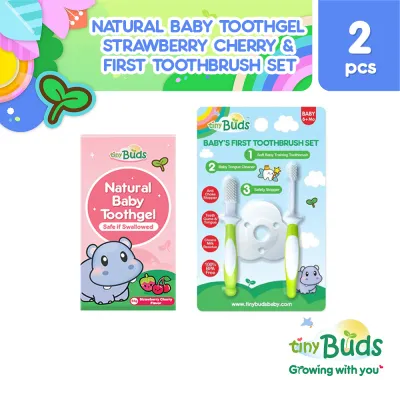
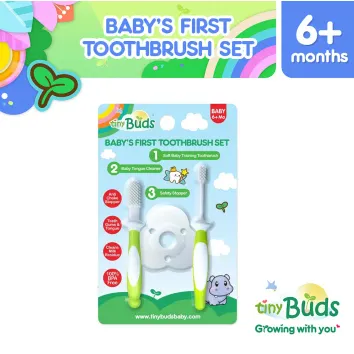
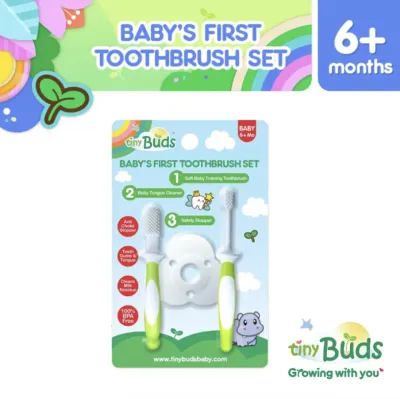
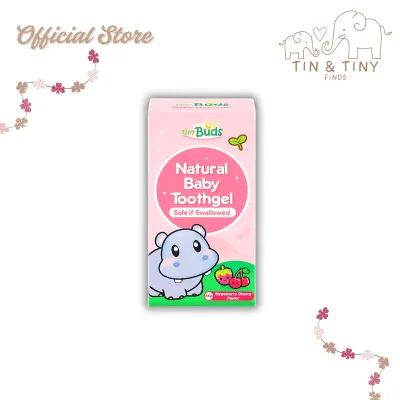
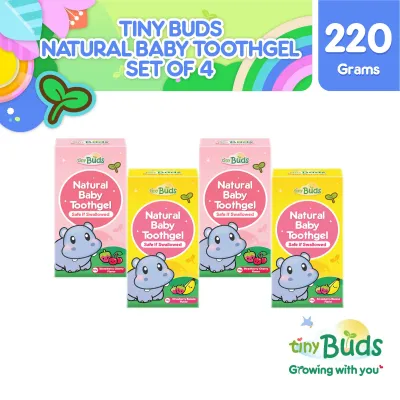
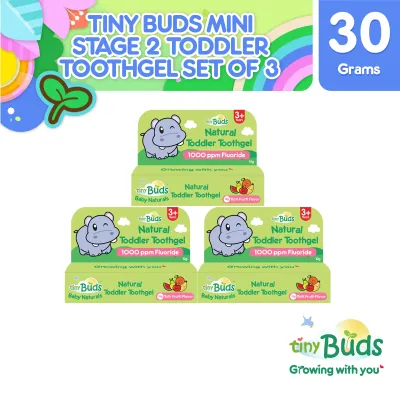
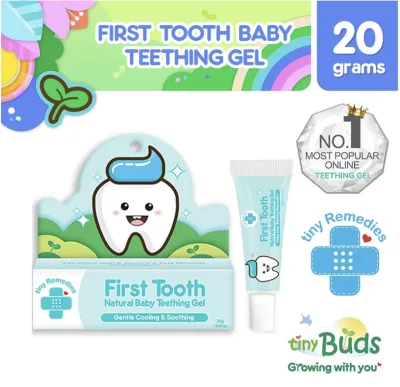
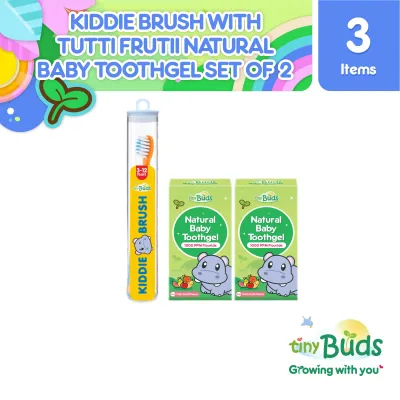
Prices are valid at publication and may change. Please refer to the product page for the latest price.
To clean your infant’s gums before teething begins, wrap a clean, damp washcloth or a soft silicone finger wipe around your clean index finger. Gently pat and wipe the upper and lower gums after the morning feeding and right before bedtime. In warm, tropical climates like the Philippines, keeping your baby hydrated and their mouth clean is particularly helpful, as dry mouth from heat can sometimes encourage bacterial activity.
When the first tooth tiny buds finally break through the gum line, it is time to transition from a simple cloth to a proper infant toothbrush. This milestone typically occurs between six and ten months of age, though every baby develops on their own timeline. Once that first hard surface is present in the mouth, plaque can begin to form, making mechanical cleaning with soft bristles necessary.
Recognizing the signs of teething can help you prepare for this transition. Common symptoms include increased drooling, a constant desire to chew on hard objects, swollen or slightly red gums, and mild irritability or fussiness. You might also notice your baby rubbing their cheeks or pulling at their ears as a response to the pressure of the emerging tooth.
While teething can cause mild discomfort, it is crucial to understand its limits. Teething does not cause high fevers, severe diarrhea, or systemic illness. If your baby experiences a fever over 38°C, persistent vomiting, or extreme lethargy, do not attribute these symptoms to teething. Always consult a pediatrician or healthcare professional to rule out infections or other medical conditions.
Choosing the Right Toothbrush for Tiny Buds
Selecting the perfect toothbrush for an infant requires looking closely at the brush’s physical characteristics. A baby’s oral cavity is incredibly small and delicate, meaning an adult or even a toddler toothbrush will be too large and abrasive. The ideal infant toothbrush must feature extra-soft bristles made of high-quality nylon to gently sweep away plaque without scratching the soft, developing enamel or irritating the sensitive gums.

In addition to soft bristles, the brush head must be exceptionally small and rounded. A compact head allows you to navigate the tight spaces of a baby’s mouth comfortably, reaching the back of the gums without causing a gag reflex. The handle should be ergonomically designed for adult hands, providing a non-slip, secure grip so you can maintain precise control even if your baby moves unexpectedly.
When shopping, you will likely encounter two main types of early oral care tools:
- Silicone finger brushes: These slip over an adult's finger and feature soft, flexible silicone bumps. They are excellent for massaging sore gums during the peak of teething and are highly effective for introducing the sensation of brushing. However, they have limited plaque-removal capabilities and should be replaced by a bristled brush once multiple teeth begin to erupt.
- Traditional infant manual toothbrushes: These look like miniature versions of adult toothbrushes but feature ultra-soft nylon bristles and specialized handles. They are the superior choice for thorough cleaning once teeth have fully emerged, as the fine bristles can clean the grooves and spaces around the teeth much better than silicone bumps.
Safety features are another critical consideration when choosing an infant toothbrush. Look for models equipped with a wide handle or a built-in protective collar, often referred to as a choke guard. This shield prevents the toothbrush from sliding too far into the baby’s mouth if they suddenly grab the handle or try to mimic your brushing motions, protecting their throat from accidental injury.
Before finalizing your purchase at a local baby boutique or online marketplace, always verify the manufacturer’s age recommendation on the packaging. Most brands clearly label their products with age brackets such as “0-2 years” or “First Tooth.” These guidelines ensure that the brush head size, bristle stiffness, and safety features are developmentally appropriate for your child’s specific age group.
Selecting a Safe Toothpaste for Babies
Choosing a toothpaste for your baby involves balancing effective cavity prevention with safety, particularly regarding ingredients that might be swallowed. The primary decision point for many parents is whether to use a fluoridated or fluoride-free toothpaste. Fluoride is highly effective at strengthening tooth enamel and preventing decay, but because infants cannot spit reliably, the risk of swallowing too much fluoride must be carefully managed.
To make an informed choice, consult a pediatric dentist or check the current guidelines from recognized pediatric dental associations. In the Philippines, local water systems vary widely in their natural fluoride content, and some municipal water supplies are not fluoridated at all. A dental professional can assess your baby’s specific risk factors, taking into account your local water supply and dietary habits, to recommend the exact right time to introduce fluoridated toothpaste.
Understanding the difference between training toothpastes and fluoridated toothpastes will help you manage daily brushing safely:
- Training toothpastes: These are formulated to be completely fluoride-free and are designed to be safe if swallowed in small quantities. They are ideal for babies who are just learning to tolerate the brushing routine and have not yet developed the coordination to spit out excess paste.
- Fluoridated baby toothpastes: These contain a controlled, low concentration of fluoride appropriate for young children. When using fluoridated paste, you must strictly limit the amount used to a tiny smear to minimize the risk of mild dental fluorosis, which can occur if excessive fluoride is ingested during tooth development.
When reading ingredient labels, there are several additives you should actively avoid. Sodium Lauryl Sulfate (SLS) is a common foaming agent found in adult toothpastes that can cause tissue dryness and painful mouth ulcers in sensitive infant mouths. You should also avoid toothpastes containing artificial dyes, harsh chemical preservatives, or strong abrasives that can wear down thin baby enamel.
Flavor plays a major role in how your baby reacts to brushing. Strong, spicy mint flavors common in adult toothpastes can cause a burning sensation or trigger a gag reflex, leading to a strong aversion to oral care. Opt for mild, baby-friendly flavors such as natural strawberry, banana, or apple, which make the experience pleasant and encourage your baby to cooperate during brushing sessions.
Always check the product packaging for clear safety certifications and age-appropriate labels. Ensure the manufacturer explicitly states that the formula is safe for infants and lists all active and inactive ingredients transparently. If a product lacks clear labeling or ingredient lists, it is best to choose an alternative from a reputable, established baby care brand.
How to Brush Baby's First Teeth Safely
Brushing a baby’s teeth requires a gentle touch, patience, and a comfortable, secure position. To begin, find a well-lit area where you can clearly see inside your baby’s mouth. A highly effective position is the cradle hold: sit comfortably on a chair or the floor, cradle your baby in one arm, and support their head gently with your hand. Alternatively, you can sit your baby on your lap facing away from you, leaning their head back slightly against your chest so you can look down directly over their mouth.
Once your baby is securely positioned, wet the toothbrush bristles slightly with clean water. Apply the correct amount of toothpaste based on your dentist’s advice. If you are using a fluoridated toothpaste, the portion must be no larger than a tiny smear, roughly the size of a single grain of rice. For fluoride-free training toothpaste, a small pea-sized amount is generally appropriate, but always refer to the manufacturer’s instructions.
To brush effectively, follow these practical steps:
- Lift the lip: Gently lift your baby's upper or lower lip with your free hand to get a clear view of the tooth surfaces and the gum line.
- Angle the bristles: Place the brush at a slight angle against the teeth, pointing toward the gum line where plaque tends to accumulate.
- Use gentle motions: Move the brush in very small, gentle circular motions rather than scrubbing back and forth aggressively. Clean both the front and back surfaces of each emerging tooth.
- Wipe away excess: If your baby cannot spit yet, use a clean, damp cloth to gently wipe away any excess foam or toothpaste from their lips and gums after you finish brushing.
Establishing a positive association with brushing is just as important as the physical cleaning. If your baby becomes highly distressed, cries intensely, or fights the toothbrush, stop immediately. Forcing the brush into their mouth can create a lasting fear of oral care, making future brushing sessions increasingly difficult. Instead, take a break, offer a teething toy, and try again later when your baby is calm and relaxed.
Remember that young children do not possess the hand-eye coordination or manual dexterity required to clean their own teeth effectively. While you can let your toddler hold the brush to practice and mimic your movements, you must fully assist and supervise the actual cleaning. Parents should continue to actively brush or thoroughly touch up their child’s teeth until they reach school age, typically around seven or eight years old.
Quick Checklist for Shopping Online or In-Store
When you are browsing local pharmacies, baby specialty boutiques, or online marketplaces, having a quick reference list can help you make a safe purchase. Use these checklists to evaluate products before adding them to your cart.
Baby Toothbrush Checklist
- Material: Must be constructed from BPA-free, non-toxic, and food-grade materials.
- Bristles: Labeled explicitly as "extra-soft" or "super-soft" nylon; avoid medium or firm bristles.
- Size: Features a very small, rounded brush head designed specifically for infants aged 0 to 2 years.
- Safety: Includes a wide, easy-grip handle or a built-in choke guard to prevent the brush from going too deep into the mouth.
- Age Label: Clearly marked with an appropriate age range matching your baby's developmental stage.
Baby Toothpaste Checklist
- Fluoride Status: Clearly states whether it is fluoride-free (training paste) or contains a specific, low ppm of fluoride for infants.
- Foaming Agents: Free from Sodium Lauryl Sulfate (SLS) and other harsh surfactants.
- Abrasives: Formulated with low-abrasive cleaning agents to protect delicate, thin baby enamel.
- Flavor: Flavored with mild, natural fruit extracts rather than strong, synthetic mint or artificial sweeteners.
- Instructions: Provides clear, easy-to-read guidelines on the physical packaging regarding proper dosage and what to do if swallowed.
Always read the physical packaging, ingredient lists, and safety warnings thoroughly before using any new oral care product on your baby. Formulations and manufacturing details can change over time, so verifying the label directly ensures you are always providing the safest possible care for your little one.
Frequently Asked Questions (FAQ)
Can I use a regular adult toothbrush for my baby's first tooth?
No, you should never use an adult toothbrush on a baby’s teeth or gums. Adult toothbrushes have brush heads that are far too large for an infant’s tiny oral cavity, making it impossible to navigate their mouth safely or clean the teeth effectively. Furthermore, adult toothbrush bristles are much too firm and stiff. Using them can easily scratch your baby’s delicate gums, cause bleeding, and damage the thin, newly formed enamel of their emerging teeth. Always choose a brush specifically designed for infants.
What should I do if my baby swallows the toothpaste?
If your baby swallows a small amount of fluoride-free training toothpaste, there is generally no cause for concern, as these are formulated specifically to be safe when swallowed in tiny amounts. If you are using a fluoridated toothpaste, ensuring you only use a tiny, rice-grain-sized smear minimizes any risk of ingestion issues. However, if your child accidentally consumes a large, concentrated quantity of fluoridated toothpaste directly from the tube, contact a healthcare professional or a local poison control center immediately for guidance.
How often should I replace my baby's toothbrush?
You should replace your baby’s toothbrush every three to four months, or even sooner if you notice the bristles becoming splayed, frayed, worn, or discolored. Worn bristles lose their effectiveness and can harbor bacteria. Additionally, it is highly recommended to replace the toothbrush immediately after your baby recovers from an illness, such as a cold or flu, to prevent the risk of reinfection. Inspect the brush head regularly to ensure no parts are loose or damaged.
Community discussion
Share your experience or ask a question. Comments are reviewed before publication.