
When your baby is drooling, irritable, and constantly chewing on their fists, finding a safe way to soothe their sore gums becomes your top priority. Tiny Buds teething gel is a popular choice among parents in the Philippines looking for a gentle, topical solution to ease teething discomfort. However, because infants swallow whatever is applied to their gums, verifying the safety of any oral care product is a critical step before use. Ensuring a teething gel is safe for your baby involves carefully inspecting the physical packaging for the most current ingredient list, checking for age-appropriate usage guidelines, and understanding how to apply the product correctly.
Every infant develops at a different pace, and their oral tissues are incredibly sensitive to external substances. What works safely for an older toddler might not be appropriate for a younger infant whose digestive and immune systems are still maturing. By taking a proactive approach to ingredient verification, you can confidently navigate the teething phase while protecting your baby’s overall health.
How to Verify the Ingredient List on Tiny Buds Teething Gel
To ensure the teething gel you hold in your hand is safe for your infant, you must inspect the physical product packaging and the official manufacturer’s insert. Manufacturers occasionally update their formulations to align with new pediatric research or regulatory standards. Relying solely on third-party e-commerce listings, online marketplace descriptions, or outdated blog reviews can be risky, as these digital platforms may not reflect the exact formulation of the batch you purchased.
Products mentioned in this guide
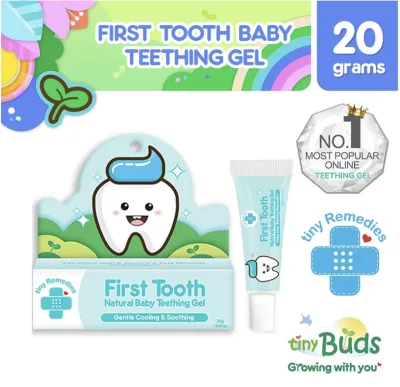
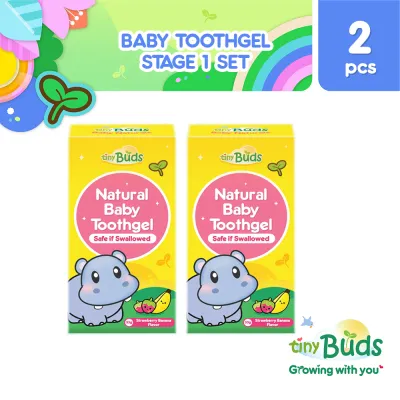
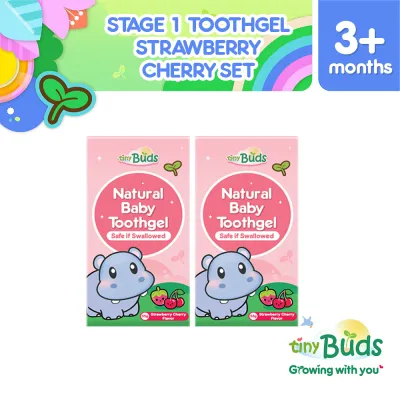
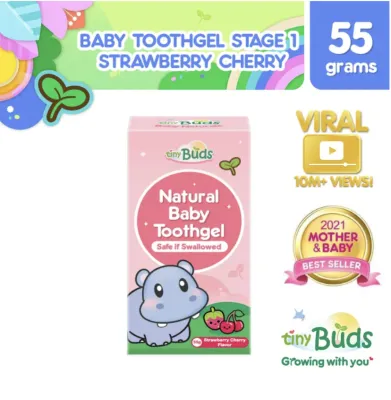
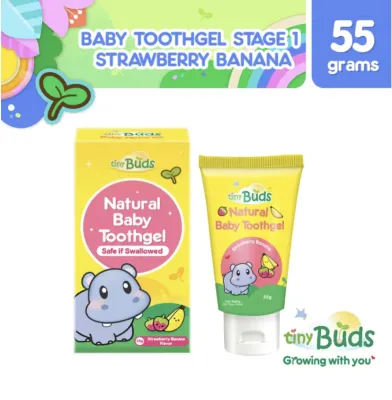
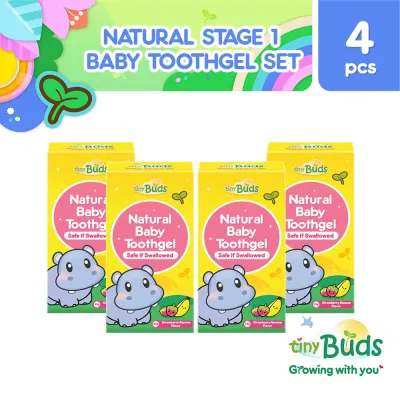
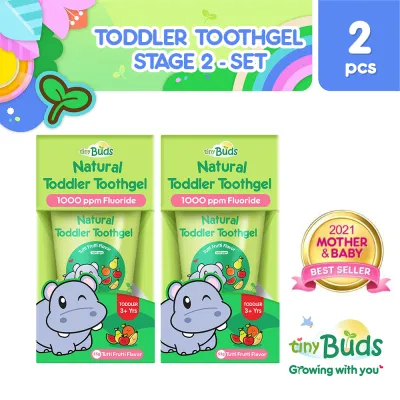
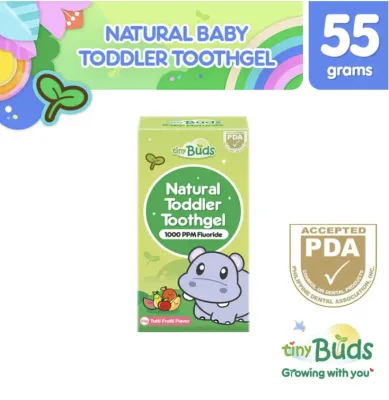
Prices are valid at publication and may change. Please refer to the product page for the latest price.
Always look for the complete International Nomenclature of Cosmetic Ingredients (INCI) or the detailed active and inactive ingredient list printed directly on the box or tube. This list provides the most accurate record of what is inside the product. If the packaging lacks a clear ingredient list, or if the print is smudged or missing, it is best to avoid using that specific tube until you can verify its contents directly with the manufacturer.
Additionally, locate the manufacturer’s stated minimum age requirement and specific usage warnings on the packaging. Some oral gels are formulated for babies who are at least three months old, while others are intended for older infants. Verifying these details on the physical label ensures you do not accidentally apply a product that is unsuitable for your baby’s current developmental stage.
Key Teething Gel Ingredients and Safety Considerations
When evaluating oral care products for infants, understanding the role of different ingredient categories helps you make an informed decision. Pediatric health authorities worldwide maintain strict guidelines regarding what should and should not be applied to an infant’s sensitive oral mucosa.

Topical anesthetics are a primary concern for pediatricians. Ingredients such as benzocaine and lidocaine, which are sometimes found in adult oral pain relievers, are widely advised against by major health authorities for children under two years old. These local anesthetics carry risks of rare but serious conditions like methemoglobinemia, which reduces the amount of oxygen carried through the blood. Parents must verify that any teething gel they choose is completely free of these numbing agents.
Natural and botanical extracts, such as chamomile or clove oil, are frequently used in baby products as alternatives to synthetic chemicals. While plant-based ingredients can be soothing, they require careful verification. Concentrated essential oils can be highly irritating to an infant’s delicate mucous membranes and may trigger allergic reactions if not properly diluted. Check the packaging to ensure any botanical ingredients are specifically formulated and diluted for infant use.
Preservatives and sweeteners are also crucial to examine. To protect your baby’s emerging teeth from early decay, ensure the formulation is sugar-free. Additionally, look for products that avoid harsh artificial dyes, parabens, or strong synthetic preservatives that could cause irritation or unnecessary chemical exposure for your growing baby.
Safe Application Guidelines and Age Restrictions
Applying teething gel requires strict adherence to the manufacturer’s instructions and pediatric safety boundaries. Never use any teething gel on an infant who is younger than the minimum age specified on the product packaging. If your baby has not yet reached that developmental milestone, stick to physical soothing methods instead.
When applying the gel, always follow the exact dosage instructions on the label, which typically recommend a small, pea-sized amount. Do not exceed the maximum number of applications allowed within a 24-hour period, as overapplication can lead to accidental ingestion of excessive amounts of the gel.
To apply the product safely, wash your hands thoroughly with soap and water first. Use your clean index finger or a sterilized, dedicated silicone finger applicator to gently massage the gel onto the baby’s gums. Avoid squeezing the gel directly from the tube into the baby’s mouth, as this makes it difficult to control the dosage and can introduce bacteria to the tube’s nozzle.
Timing is also an important safety factor. Avoid applying teething gel immediately before your baby sleeps or feeds. Slippery gels or mild soothing agents can temporarily coat the throat or slightly alter the swallowing reflex, which may pose a choking or aspiration hazard while the baby is lying down or nursing.
Adverse Reactions: When to Stop and Seek Medical Help
Even when using a product with gentle ingredients, every baby’s system is unique, and adverse reactions can occur. Parents must monitor their infants closely after the first few applications for any signs of sensitivity or allergic response.
Stop using the teething gel immediately if you notice localized signs of irritation. These include increased redness on the gums, swelling of the lips or tongue, hives on the face, or sudden, excessive drooling that seems linked to discomfort rather than normal teething.
Be alert for systemic warning signs that require immediate emergency medical attention. If your baby exhibits breathing difficulties, unusual lethargy, or pale, grey, or blue-tinged skin and lips, seek professional help right away. These symptoms can indicate a severe allergic reaction or a systemic response to an ingredient.
It is also vital to distinguish teething symptoms from illness. While teething can cause mild fussiness and a slight increase in saliva, it does not cause a high fever, vomiting, or severe diarrhea. If your baby experiences these symptoms, stop using the gel and consult a pediatrician immediately to diagnose and treat the underlying infection.
Drug-Free Alternatives for Teething Relief
If you prefer to minimize the use of topical gels, several highly effective, drug-free physical methods can soothe your baby’s sore gums. These simple techniques rely on pressure and cool temperatures to reduce inflammation naturally.
Solid, chillable teething rings made of safe, BPA-free silicone or medical-grade rubber are excellent tools. Place the teething ring in the refrigerator to cool it down, but never put it in the freezer. Frozen teething toys become too hard and can bruise or damage your baby’s delicate gums and cause frostbite-like tissue damage.
Another simple method is to gently massage your baby’s gums. You can use a clean, cool, damp washcloth or a sterilized silicone finger brush. The physical pressure of your finger combined with the cool texture of the cloth provides instant, safe relief from the pressure of emerging teeth.
In tropical environments like the Philippines, offering chilled, age-appropriate foods can also provide comfort for older infants who have already started solids. For example, chilled fruit purees or a cold piece of banana placed inside a secure silicone mesh feeder can soothe gums while offering a tasty snack under close supervision.
If your baby is experiencing significant discomfort that disrupts their sleep or feeding, consult your pediatrician before administering any oral infant pain relievers, such as paracetamol or ibuprofen. A healthcare professional will provide the correct, weight-based dosage to ensure your baby’s safety.
Frequently Asked Questions (FAQ)
Is it safe to use teething gel while the baby is sleeping?
Applying teething gel right before or during sleep is not recommended. Oral gels can mix with saliva and slide down the throat, potentially coating the airway or interfering with the baby’s natural swallowing and gag reflexes. This increases the risk of choking or aspiration while the baby is unsupervised.
What should I do if my baby swallows a large amount of teething gel?
If your baby accidentally swallows a large amount of teething gel, remain calm and take immediate action. Wipe any excess gel from their mouth with a clean, damp cloth. If the baby is fully awake and able to swallow normally, offer a small sip of water or breastmilk to help rinse their throat. Immediately contact a pediatrician or a local poison control center for guidance, keeping the product packaging nearby so you can read the exact ingredient list to the medical professional.
Can I mix teething gel with food or milk to make it easier to give?
You should never mix teething gel with your baby’s food, milk, or formula. Mixing the gel into a bottle or puree prevents you from controlling the exact dosage your baby receives, as they may not finish the entire portion. Additionally, the gel can alter the taste or texture of the food, potentially causing your baby to develop a feeding aversion. Teething gels are designed to work topically on the gums; mixing them with food dilutes the active ingredients and delays any localized soothing effect.
Community discussion
Share your experience or ask a question. Comments are reviewed before publication.