
Finding the perfect diaper for your baby in the Philippines is rarely a one-size-fits-all decision. With high tropical humidity and varying infant skin sensitivities, the “best” diaper is always the one that matches your child’s current developmental stage, skin type, and your family’s daily routine. No single brand holds a universal monopoly on comfort or performance, as what works seamlessly for one infant might cause leaks or irritation for another.
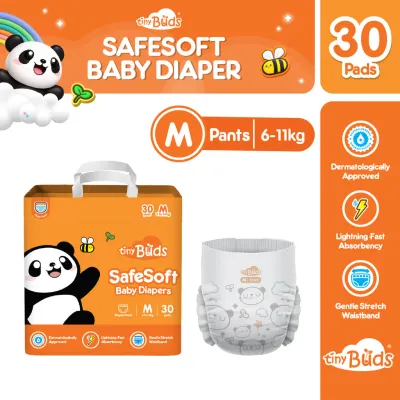
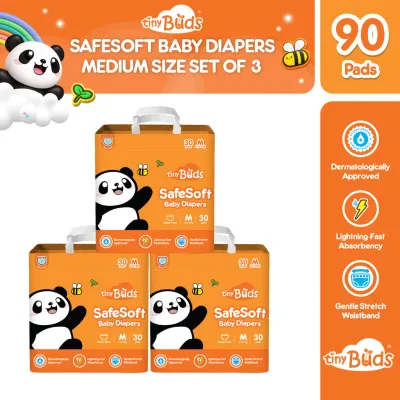
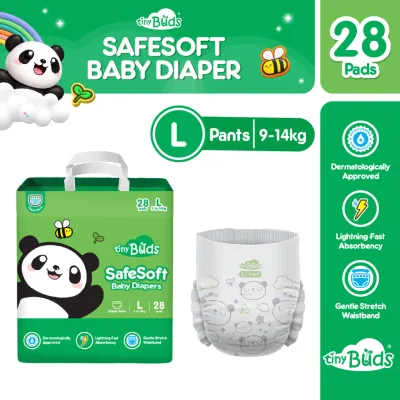
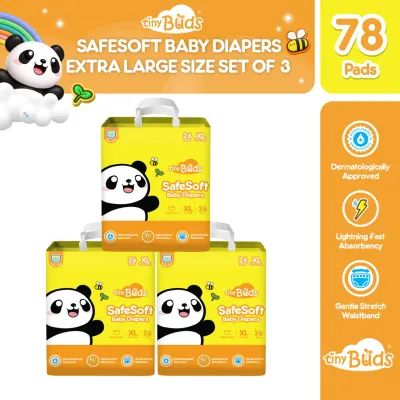
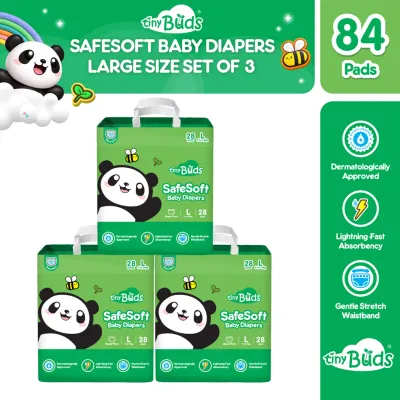
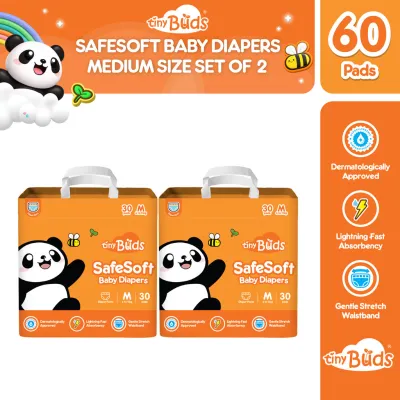
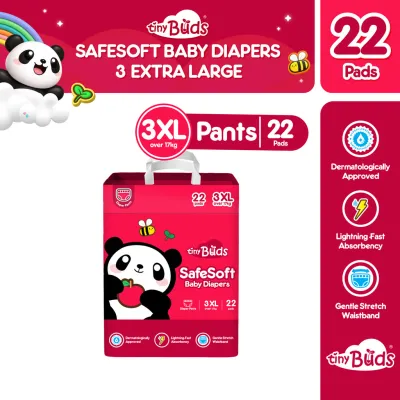
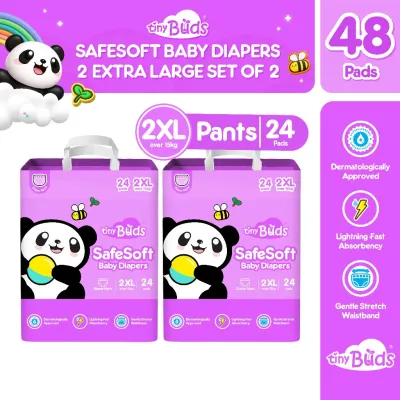
To navigate your choices, a conditional approach is highly effective. Tiny Buds SafeSoft is often selected by parents prioritizing local skin-care alignments and gentle, fragrance-free materials. Meanwhile, global giants like Pampers and Huggies bring decades of established absorbency technologies and specialized fit designs to the table. For households managing frequent daytime changes on a strict budget, Equator offers a highly practical, value-focused bulk option.
Ultimately, your purchasing decision should rely on active observation rather than marketing promises. Caregivers are encouraged to verify package labels for specific weight ranges and conduct small trial runs. Monitoring your baby’s skin reaction during the first few days of using any new brand is the most reliable way to ensure a safe, comfortable fit.
Products mentioned in this guide
Prices are valid at publication and may change. Please refer to the product page for the latest price.
Key Dimensions for Evaluating Diaper Performance
To make an informed comparison, you must look past eye-catching packaging and understand the structural elements of diaper design. Evaluating these key dimensions allows you to match a diaper’s physical features with your baby’s daily physical activities and sleep patterns.
Absorbency and Leak Protection The primary job of any diaper is to lock away moisture quickly to keep your baby’s skin dry. When examining diaper packaging, look for mentions of superabsorbent polymer cores or specialized distribution channels that spread liquid evenly rather than letting it pool in one spot. Double-layered leg cuffs are another critical feature to inspect, as they provide a physical barrier against side leaks during active play or side-sleeping. Wetness indicators that change color when wet also help caregivers avoid unnecessary changes while ensuring the baby does not sit in moisture.
Breathability and Skin Sensitivity In a warm, humid climate, trapped heat and moisture can rapidly lead to diaper rash or heat rash. Breathability is determined by the micro-pores in the outer cover of the diaper, which allow hot air to escape while keeping liquid contained. Parents of babies with highly reactive skin should prioritize labels that specify fragrance-free, hypoallergenic, or chlorine-free processing. Dermatological test certifications offer extra reassurance, though they do not eliminate the need for individual skin monitoring.
Fit and Comfort An poorly fitting diaper is a primary cause of both leaks and skin chafing. Look for diapers with highly stretchable waistbands and refastenable tape tabs that allow you to customize the snugness around your baby’s belly. The elasticity of the leg bands should be soft yet secure, leaving no deep red indentations on your baby’s thighs after a few hours of wear. Always refer to the manufacturer’s size-to-weight chart, keeping in mind that a baby with chubby thighs or a rounder belly might need to size up even if their weight falls within the lower end of the recommended range.
Observation over Claims While manufacturer specifications provide an excellent starting point, real-world observation remains your most powerful tool. Every baby’s body shape is unique, meaning a highly rated diaper might still leak or cause irritation on your child. During the first few days of trying a new brand, check your baby’s skin frequently for redness, localized warmth, or chafing along the waist and thighs. If you notice persistent dampness upon changing, it may indicate that the diaper’s absorbency rate cannot keep up with your baby’s output, signaling a need to adjust the size or try a different design.
Comparing the Contenders: What to Verify on the Label
When standing in the baby care aisle or browsing online marketplaces, comparing Tiny Buds SafeSoft, Pampers, Equator, and Huggies requires a systematic look at their product labels. Each brand targets different parental priorities, from specialized skin care to high-speed absorbency or budget-friendly bulk utility.

Tiny Buds SafeSoft Tiny Buds SafeSoft is widely recognized for its focus on natural, skin-friendly formulations designed with sensitive skin in mind. When reviewing their packaging, look for specific claims regarding the absence of harsh chemicals, artificial fragrances, and common allergens. This brand is suited for parents who prefer lightweight, soft materials that minimize contact irritation during hot, humid days. Because it emphasizes gentle skin contact, caregivers should verify whether the diaper’s absorbency capacity matches their baby’s needs for extended overnight wear or if it is best reserved for daytime use.
Pampers Pampers offers a wide array of product lines, ranging from premium soft options to standard dry lines designed for active toddlers. When evaluating Pampers, identify which specific line you are purchasing, as features like wetness indicators vary between tiers. Their packaging typically highlights advanced absorbency technologies designed to lock wetness away for up to several hours, making them a popular choice for overnight use. Ensure you check the specific weight recommendations on the pack, as their sizing can sometimes run slightly snugger compared to other global brands.
Huggies Huggies is highly regarded for its structural designs that cater to active, moving babies. When inspecting a pack of Huggies, look for features such as a pocketed waistband, which is specifically designed to trap runny bowel movements and prevent messy back blowouts. Their fastening systems are engineered to stay secure even when a baby crawls, rolls, or takes their first steps. Verify the waistband stretchability and core thickness to ensure it matches your baby’s current developmental milestones.
Equator Equator diapers are designed with a clear focus on practical, high-frequency utility and budget management. When examining Equator packaging, you will typically find straightforward, functional designs sold in larger bulk quantities. While lacking specialized skin-soothing additives, they provide the essential absorbency needed for regular daytime intervals. This makes them an excellent option to verify if your daily routine involves changing your baby immediately upon wetting, minimizing the time moisture sits against the skin without incurring high per-diaper costs.
Cross-Brand Verification Avoid relying solely on generic size labels like “Medium” or “Large,” as these dimensions vary between manufacturers. A medium diaper in one brand may have a completely different weight range or physical cut than a medium in another. Always locate the exact weight range printed on the back or side of the package and compare it against your baby’s most recent weight measurement. Additionally, pay attention to the diaper style—tape diapers are generally easier for adjusting the fit on newborns, while pants style diapers offer convenience for wriggling older babies.
Assessing Price and Value for Your Household Budget
Managing a household budget in the Philippines requires looking beyond the initial price tag on a diaper pack. A low shelf price does not always translate to long-term savings if the diaper’s performance requires you to use twice as many pieces per day.
Cost per Diaper Calculation To find the true economic value of any diaper brand, always calculate the cost per individual piece. You can easily do this by applying a simple formula: divide the total price of the pack by the number of diapers inside (Total Pack Price ÷ Number of Diapers). For example, a pack costing ₱500 containing 50 diapers results in a unit cost of ₱10 per diaper. Comparing these unit costs across different brands and packaging sizes prevents you from being misled by bulk packaging illusions that might actually cost more per change.
Hidden Costs of Leaks A cheaper diaper that suffers from frequent leaks can quickly become more expensive than a premium option. When a diaper fails, hidden costs accumulate through extra laundry water, electricity, stain removers, and rapid wipe consumption. Furthermore, frequent leaks during the night disrupt your baby’s sleep cycle—and your own—which carries an intangible but significant cost to your family’s daily well-being. Investing slightly more in a highly absorbent diaper for overnight use often yields better overall value.
Where to Check Current Prices Diaper prices, promotional discounts, and stock availability fluctuate constantly across different retail channels. To get the most accurate and up-to-date pricing in ₱, check the official online flagship stores of Tiny Buds, Pampers, Huggies, and Equator, or visit major local supermarkets and baby specialty stores in the Philippines. Buying in bulk during official brand sales on authorized ecommerce platforms lowers your cost per diaper, but always purchase from verified distributors to avoid counterfeit products.
Decision Framework: Which Diaper Should You Choose?
Selecting the right diaper involves balancing your baby’s physical comfort with your household’s practical needs. Use this structured framework to guide your final decision based on your primary caregiving priorities.
Choose Tiny Buds SafeSoft if: Your baby has highly sensitive skin that reacts easily to fragrances or synthetic materials, and you prefer a locally formulated option designed with gentle, skin-soothing properties. This choice is ideal for parents who prioritize lightweight comfort and are diligent about frequent daytime diaper changes.
Choose Pampers if: You require highly consistent, long-lasting absorbency that keeps your baby dry through the night or during long outings. This brand is highly suitable if you rely on clear wetness indicators to guide your changing schedule and want a widely available product with proven moisture-locking technology.
Choose Huggies if: Your baby is extremely active, crawling, or walking, and you need a secure fit that moves with them without sagging. It is also an excellent choice for younger infants prone to back blowouts, thanks to its specialized pocketed waistband design.
Choose Equator if: You are managing a tight household budget and prioritize high-frequency daytime changes where diapers are replaced immediately upon wetting. This option provides reliable, basic protection in bulk packaging, making it highly economical for daytime wear.
Verify First if: Your baby has a history of severe contact dermatitis, persistent eczema, or unexplained skin blistering in the diaper area. In these situations, do not rely solely on product packaging claims; consult a qualified pediatrician or pediatric dermatologist to identify specific material or chemical triggers before introducing a new diaper brand.
Frequently Asked Questions (FAQ)
How often should I change my baby's diaper to prevent rashes?
To maintain optimal skin health, pediatricians generally recommend checking your baby’s diaper every 2 to 3 hours, and changing it immediately following any bowel movement. In the warm and humid climate of the Philippines, urine can quickly break down into ammonia, which irritates delicate skin and creates a breeding ground for bacteria and yeast. Even if a highly absorbent diaper feels dry to the touch on the outside, leaving it on for too long keeps moisture trapped against the skin. Regular, timely changes are the most effective way to prevent diaper rash and keep your baby comfortable.
Can I mix different diaper brands for day and night use?
Yes, mixing different diaper brands for daytime and nighttime use is a highly practical and safe strategy used by many caregivers. For instance, you might choose a budget-friendly diaper like Equator for the daytime when you can change your baby frequently, and switch to a high-absorbency option like Pampers or Huggies for overnight sleep to prevent leaks. When mixing brands, always verify that both options fit your baby’s current weight and body shape properly. Ensuring a secure fit for both brands prevents friction marks during active day hours and leaks during long night stretches.

Community discussion
Share your experience or ask a question. Comments are reviewed before publication.