
Evaluating whether Tiny Buds rash cream is safe for your newborn requires a close look at its specific ingredient formulation, as infant skin is exceptionally delicate and highly absorbent. While many baby skincare products are formulated with mild, plant-derived ingredients designed to soothe irritation, parents must verify the exact label of the product batch in hand before application. In tropical climates like the Philippines, where high heat and humidity can exacerbate diaper rash and skin sensitivity, choosing a compatible barrier cream is essential for daily comfort.
Newborn skin is structurally different from adult skin, possessing a thinner stratum corneum and a developing acid mantle. This makes infants highly susceptible to contact dermatitis, chafing, and moisture-induced irritation from wet diapers. To determine if a specific cream is appropriate for your baby, you must learn how to decode the ingredient list, identify key protective agents, and recognize potential allergens that could trigger a reaction.
How to Check the Ingredient List on Your Tiny Buds Rash Cream
To ensure you are applying a safe formulation to your newborn, the physical packaging of your specific tube of Tiny Buds rash cream must be your primary source of truth. Manufacturers occasionally update their product formulas to improve texture, shelf life, or compliance with evolving cosmetic standards. Consequently, online product descriptions or older blog reviews might not reflect the exact bottle or tube you purchased from a local baby store or an authorized online marketplace.
Products mentioned in this guide

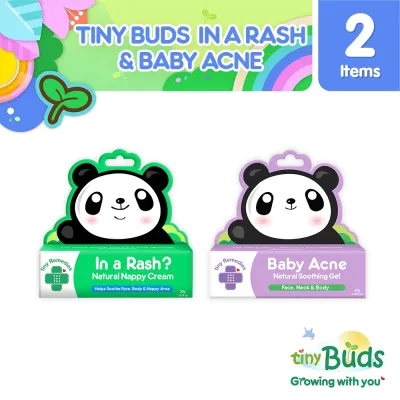
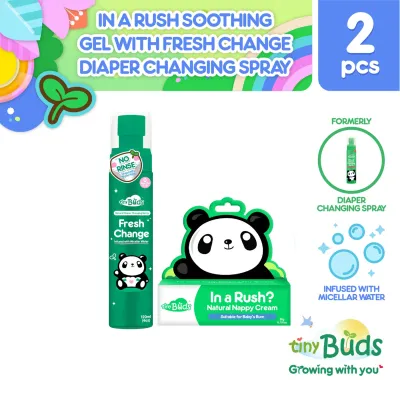
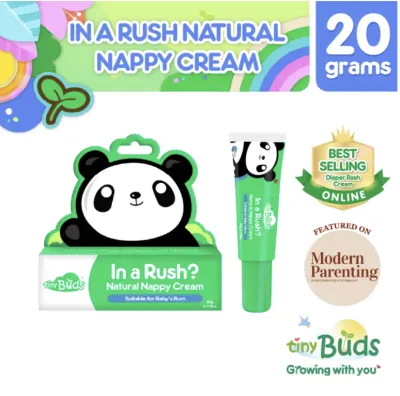
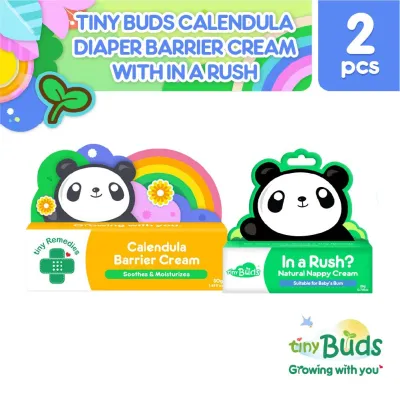
Prices are valid at publication and may change. Please refer to the product page for the latest price.
Start by locating the International Nomenclature of Cosmetic Ingredients (INCI) list, which is typically printed on the back of the outer cardboard box or directly on the tube’s crimp. The INCI system uses standardized, scientific names for all ingredients, ensuring transparency regardless of where the product was manufactured. If the text is too small to read clearly, you can use your smartphone camera to zoom in and capture a legible photo of the list.
Once you have located the physical label, cross-reference it with the product listing on the manufacturer’s official website or their verified flagship store on local e-commerce platforms. If you notice discrepancies between the physical packaging and the online description, always defer to the physical label on your product batch. This physical label represents the exact chemical composition of the batch that will come into contact with your newborn’s skin.
Additionally, check the packaging for a batch number and an expiration date, which are crucial for tracking product freshness. Skincare products that have expired or have been stored in warm, humid conditions can degrade, leading to ingredient separation or bacterial growth. Ensuring the product is well within its shelf life is just as important as verifying the ingredients themselves.
Key Barrier and Soothing Ingredients to Look For
When reviewing the ingredient list on your baby’s rash cream, you should look for components that serve two primary functions: creating a physical barrier against moisture and soothing inflamed skin. A high-quality diaper cream typically relies on a combination of these elements to protect the skin from the acidic nature of urine and stool.

Zinc oxide is one of the most common and effective barrier agents used in pediatric skincare. It forms a thick, impermeable layer over the skin, reflecting moisture away and preventing friction from the diaper’s edges. If zinc oxide is present, it is often listed near the beginning of the ingredient list, indicating a high concentration. Other common barrier bases include petroleum-based compounds or natural waxes, which seal in the skin’s natural moisture while keeping external wetness out.
In addition to barrier agents, look for soothing botanical extracts and natural oils that support the skin’s natural healing process. Ingredients such as calendula extract, chamomile, aloe vera, and coconut oil are frequently utilized in natural baby skincare lines like Tiny Buds. These ingredients help reduce redness, provide deep hydration, and calm the itching associated with heat rash and diaper chafing.
The order of the ingredients on the INCI label is highly significant. Ingredients are listed in descending order of concentration, meaning the components listed in the first five slots make up the vast majority of the product’s volume. If beneficial soothing agents are listed at the very end of a long list, they may only be present in trace amounts, whereas their presence near the top indicates a more potent, active formulation.
Potential Irritants to Check for Sensitive Newborn Skin
While natural ingredients are often marketed as inherently safe, some plant extracts and additives can still cause adverse reactions on a newborn’s highly sensitive skin barrier. Parents must remain vigilant and actively check the label for potential irritants that could trigger contact dermatitis or worsen an existing diaper rash.
Added fragrances and essential oils are among the most common culprits behind infant skin allergies. Even natural essential oils, such as lavender, tea tree, or citrus oils, contain volatile organic compounds that can irritate raw, broken skin. When evaluating the cream, look closely to see if “parfum,” “fragrance,” or specific essential oils are listed, especially if your baby has a family history of eczema or sensitive skin.
It is also vital to understand the distinction between “unscented” and “fragrance-free” on baby skincare labels. A product labeled as unscented may still contain masking fragrances—chemicals added specifically to neutralize the natural odor of the raw ingredients. To minimize the risk of irritation, look for products that are explicitly labeled as fragrance-free, hypoallergenic, and pediatrician-tested, and verify that no synthetic dyes or artificial colorants are included in the ingredient list.
Preservatives are necessary in water-based creams to prevent the growth of harmful mold and bacteria, but some preservatives are gentler than others. Avoid products containing parabens, formaldehyde releasers, or methylisothiazolinone (MI), which are known sensitizers. Instead, look for milder food-grade preservatives or self-preserving formulas that utilize natural shelf-life extenders, ensuring the cream remains sterile without compromising your newborn’s skin health.
How to Safely Test and Apply the Cream on a Newborn
Before applying any new rash cream to your newborn’s diaper area, performing a patch test is a critical safety step. Apply a tiny, pea-sized amount of the cream to a small, clean patch of healthy skin on your baby’s inner arm or thigh. Monitor the area closely for 24 hours; if you observe any redness, swelling, tiny bumps, or if your baby seems unusually fussy or itchy, wash the area immediately and do not use the product.
If the patch test is successful and no reaction occurs, you can proceed with applying the cream to the diaper area. First, ensure the skin is completely clean and thoroughly dry. In the humid climate of the Philippines, trapping even a small amount of moisture beneath a thick layer of barrier cream can create a warm, damp environment that encourages the growth of yeast and bacteria, potentially turning a mild diaper rash into a stubborn fungal infection.
When applying the cream, remember that diaper creams are designed to function as a physical shield rather than a daily moisturizing lotion. Instead of rubbing the cream completely into the skin until it disappears, apply a thick, visible layer over the affected areas. This white or opaque layer acts as a protective paste, absorbing friction from the diaper and preventing waste matter from directly contacting the healing skin.
Always wash your hands thoroughly with soap and water both before and after application to prevent introducing new bacteria to your baby’s sensitive skin. If you are using a tub or jar rather than a squeeze tube, use a clean spatula or cotton swab to scoop out the cream to avoid contaminating the remaining product inside the container.
When to Stop Using the Cream and Consult a Pediatrician
While over-the-counter barrier creams are excellent for managing mild diaper irritation, they are not a cure-all for every type of infant skin condition. Parents must monitor their newborn’s skin closely and know when to discontinue use of the product in favor of professional medical evaluation.
Stop using the cream immediately if you notice signs of an allergic reaction or localized contact dermatitis. These signs include a sudden increase in redness, the appearance of hives or raised bumps, swelling of the skin, or if your baby cries and shows discomfort immediately after the cream is applied. These symptoms suggest that an ingredient in the cream is actively irritating your baby’s skin rather than soothing it.
You should also seek professional medical advice if the diaper rash does not improve after three to four days of consistent application, or if it suddenly worsens. A persistent, bright red rash with defined borders and tiny “satellite” red spots often indicates a yeast infection, which requires a targeted antifungal treatment prescribed by a pediatrician. Similarly, if you observe blistering, peeling, pus-filled bumps, or weeping sores, these are signs of a bacterial infection that cannot be resolved with a standard barrier cream.
Never hesitate to consult your pediatrician or a pediatric dermatologist if you are unsure about the cause of your baby’s skin issues. They can provide an accurate diagnosis, recommend specialized medical treatments, and help you establish a safe, customized skincare routine tailored to your newborn’s unique skin profile.
Frequently Asked Questions (FAQ)
Can I use Tiny Buds rash cream on a newborn's face or other body parts?
You should always check the manufacturer’s label to see if the product is approved for multi-use application. While some gentle, plant-based barrier creams can be used on minor dry patches or heat rash on the body, you must avoid applying diaper creams near highly sensitive areas such as the eyes, mouth, nose, or mucous membranes. If your newborn has facial rashes, consult a pediatrician for a safe, face-specific recommendation.
How often should I reapply the cream during diaper changes?
For active diaper rash, you should apply a fresh, thick layer of the cream during every single diaper change after gently cleaning and thoroughly drying the skin. If you are using the cream as a preventive measure, applying it before bedtime or during long car rides when diaper changes might be delayed is usually sufficient. Always clean off any old, soiled cream gently before applying a fresh layer to prevent bacterial buildup.

Community discussion
Share your experience or ask a question. Comments are reviewed before publication.