
When welcoming a new baby home, parents want to ensure that every product touching their little one’s skin is as gentle and safe as possible. Tiny Buds Poot Poot, a popular choice among parents in the Philippines, is often sought after for its natural positioning and child-friendly formulations. However, determining whether this specific product is safe for a newborn requires a closer look at its actual ingredient list, your baby’s unique skin barrier, and proper application practices. Because newborn skin is highly delicate, thin, and still developing its natural protective barrier, even natural ingredients can sometimes trigger sensitivities or localized reactions.
To make an informed decision, parents must learn how to locate, read, and evaluate the product’s formulation details directly from official sources. Rather than relying solely on peer recommendations or online reviews, verifying the physical packaging and understanding standard cosmetic labeling is the most reliable way to safeguard your baby’s skin health. This guide provides a practical framework for evaluating the safety of Tiny Buds Poot Poot, performing a proper patch test, and knowing when to seek professional pediatric advice.
How to Verify the Official Ingredient List
When evaluating any baby skincare or wellness product, the physical packaging is your primary and most reliable source of truth. Manufacturers are legally required to print the complete, accurate, and up-to-date formulation details directly on the product container or its outer box. Before purchasing or applying Tiny Buds Poot Poot, locate the ingredient list on the back or side of the bottle. Formulations can occasionally undergo updates or regional adjustments, meaning the physical bottle in your hand always carries the most accurate information for that specific batch.
Products mentioned in this guide
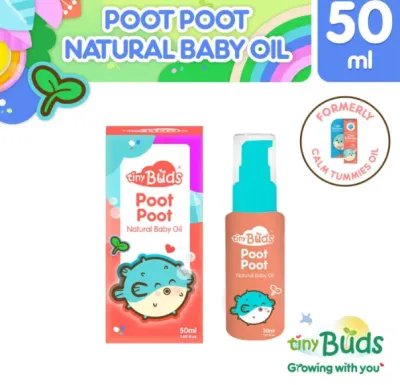
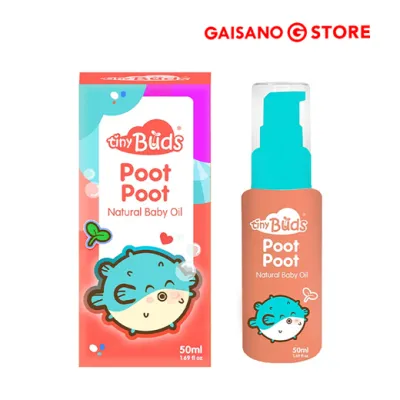
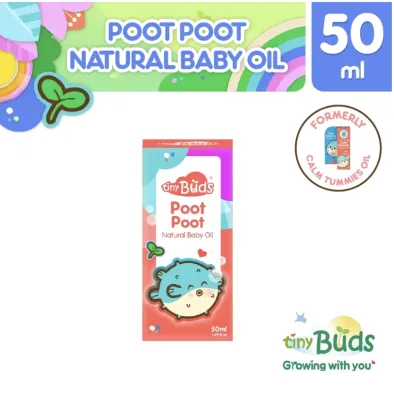
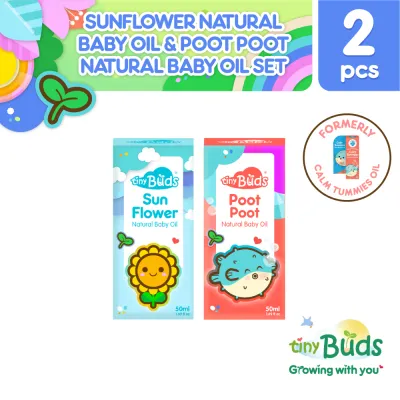
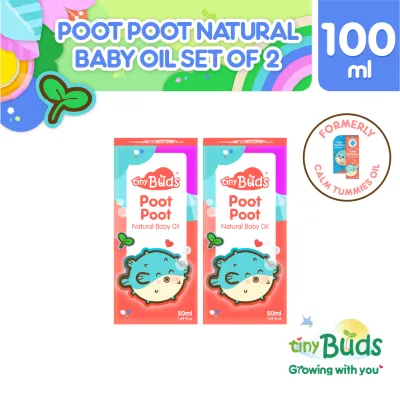
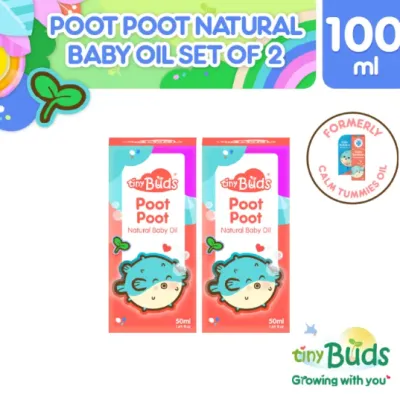
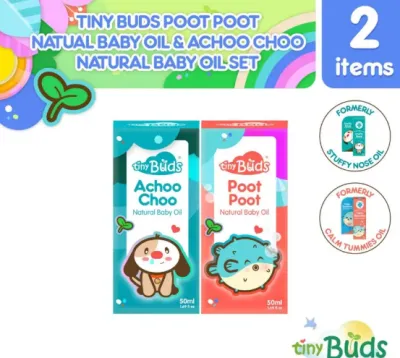
Prices are valid at publication and may change. Please refer to the product page for the latest price.
To ensure you are purchasing an authentic product with an unaltered ingredient list, always source your baby care items from official brand websites or authorized online storefronts. In the digital space, counterfeit products or older, expired batches can sometimes circulate on unauthorized online marketplaces. Buying directly from official flagship stores or established local pharmacies in the Philippines guarantees that the product has been stored correctly under temperature-controlled conditions, which is crucial for preserving the stability of natural ingredients in a hot, humid climate.
Reading a cosmetic label requires a basic understanding of the International Nomenclature of Cosmetic Ingredients (INCI) conventions. By international standard, ingredients are listed in descending order of concentration. This means the first few ingredients listed make up the vast majority of the product’s volume, while ingredients listed near the very end are present in only minute amounts, such as preservatives, stabilizers, or scent components. When reviewing the Tiny Buds Poot Poot label, pay close attention to the top three to five ingredients, as these will have the greatest impact on your newborn’s skin.
Evaluating Formulation Safety for Newborn Skin
Newborn skin is structurally different from adult skin; it is roughly thirty percent thinner, loses moisture more rapidly, and is highly susceptible to absorbing topical substances. When evaluating the ingredients of Tiny Buds Poot Poot, look for gentle, plant-derived base ingredients and recognized soothing agents. Safe baby formulations often utilize mild carrier oils, water-based gels, or natural extracts designed to calm the skin without clogging pores or disrupting the natural pH balance. In tropical environments like the Philippines, lightweight, non-greasy bases are particularly beneficial to prevent heat rash and sweat-induced irritation.

While natural ingredients are generally celebrated, they are not universally allergen-free. Parents should carefully inspect the label for potential irritants, such as added synthetic fragrances, strong essential oils, or harsh chemical preservatives. Essential oils like eucalyptus, peppermint, or citrus, while natural, can sometimes be too potent for a newborn’s respiratory system and sensitive skin barrier. Additionally, check for the presence of parabens, sulfates, or artificial colorants, which are generally discouraged in pediatric skincare due to their potential to cause contact dermatitis or systemic absorption.
Always verify the manufacturer’s stated age recommendations and specific usage warnings printed on the label. Many natural baby products are formulated for infants of a certain age, such as three months or older, rather than immediate newborns. If the packaging of Tiny Buds Poot Poot does not explicitly state that it is safe for newborns or babies under one month of age, it is best to delay use until your baby’s skin barrier has had more time to mature. Reading these warnings carefully ensures you do not inadvertently apply a product to an age group for which it was not thoroughly evaluated.
Essential Safety Steps Before Applying to Your Baby
Before introducing any new product into your newborn’s daily routine, performing a localized patch test is an essential safety protocol. This simple step allows you to observe how your baby’s skin reacts to the formulation on a very small scale, minimizing the risk of a widespread allergic reaction. To conduct a patch test, select a small, discreet, and clean area of your baby’s skin where they cannot easily rub or lick the product away. The inner forearm, the inside of the elbow, or just behind the ear lobe are ideal locations for this test.
Apply a tiny, pea-sized amount of Tiny Buds Poot Poot to the chosen area and gently pat it in. Do not cover the area with bandages or tight clothing, as this can trap moisture and artificially intensify a reaction. Leave the product on the skin and observe the area closely over a timeframe of twenty-four to forty-eight hours. During this observation period, keep the baby’s skin clean and dry, avoiding the application of other lotions, powders, or soaps to that specific spot so you can isolate any potential reaction.
Monitor the test site for any visible signs of sensitivity, which may include localized redness, swelling, dry or flaky patches, tiny raised bumps, or hives. If you notice any of these signs, or if your baby shows signs of discomfort such as scratching or fussiness when the area is touched, immediately stop using the product. Gently wash the affected area with lukewarm water and a mild, soap-free cleanser to remove any remaining residue, then pat the skin dry with a clean, soft towel. Keep a close eye on the spot over the next few days to ensure the irritation subsides naturally.
Navigating Allergies and Professional Guidance
Even if a product passes a localized patch test, a full-body application can sometimes reveal delayed sensitivities or contact dermatitis. Early signs of an adverse reaction after broader application include widespread dry patches, persistent redness in skin folds, or a sudden rash that develops in areas where the product was applied. In the warm and humid climate of the Philippines, it can sometimes be challenging to distinguish between a product-induced rash, a heat rash (bungang-araw), or diaper dermatitis. If you are unsure of the cause, pausing all scented or active skincare products is the safest initial step.
Before introducing new skincare items, it is also wise to consider your family’s medical history. If parents or siblings have a history of sensitive skin, severe allergies, asthma, or eczema (atopic dermatitis), the newborn is statistically more likely to inherit a compromised skin barrier. In such cases, the baby’s skin may react aggressively to botanical extracts or natural oils that are perfectly tolerated by other infants. Sharing this family history with your healthcare provider can help you select highly specialized, hypoallergenic products tailored to your baby’s genetic predisposition.
Ultimately, a pediatrician or a pediatric dermatologist is your best resource for personalized skincare advice. If your newborn experiences a persistent rash, skin peeling, or signs of discomfort that do not resolve within a day or two after stopping the product, schedule a consultation. Bring the physical bottle of Tiny Buds Poot Poot with you to the appointment so the doctor can review the exact ingredient list and help identify the specific compound that may have triggered the reaction. Seeking professional guidance ensures your baby receives a safe, accurate diagnosis and an appropriate, gentle treatment plan.
Frequently Asked Questions (FAQ)
Can I use Tiny Buds Poot Poot on a premature baby?
Premature babies have an exceptionally fragile and underdeveloped skin barrier that is significantly thinner than that of a full-term newborn. Their skin is highly permeable, meaning topical products are absorbed into the bloodstream much more easily, and their immune systems are not yet fully equipped to handle external chemicals or botanical extracts. Because of these unique physiological vulnerabilities, you should never use Tiny Buds Poot Poot or any other commercial skincare product on a premature baby without direct, explicit approval from your neonatologist or pediatrician. For premature infants, medical professionals often recommend using only plain water or highly specialized, sterile clinical emollients until their skin barrier has fully matured.
What should I do if my baby develops a rash after using the product?
If your baby develops a rash after using Tiny Buds Poot Poot, the immediate step is to stop using the product completely. Gently cleanse the affected area with lukewarm water to remove any lingering product residue, and pat the skin dry with a clean, soft cotton cloth without rubbing. Avoid applying home remedies, traditional herbal preparations, or over-the-counter steroid creams, as these can worsen the irritation or cause secondary infections on compromised newborn skin. Keep the baby in a cool, well-ventilated room to prevent sweat from further irritating the rash, and monitor their condition closely. If the rash does not improve, spreads rapidly, or is accompanied by a fever, lethargy, or poor feeding, consult a pediatrician immediately for a professional diagnosis and safe treatment options.
Community discussion
Share your experience or ask a question. Comments are reviewed before publication.