
Determining whether Tiny Buds mosquito repellent is safe for your baby requires looking closely at the specific product variant, your child’s age, and how you apply it. In tropical climates like the Philippines, where high humidity and seasonal rains create ideal breeding grounds for mosquitoes, protecting infants from insect bites is a constant priority for parents. However, because an infant’s skin barrier is still developing, any topical product must be evaluated with care. While many parents seek out plant-based alternatives to avoid synthetic chemicals, you must always verify the manufacturer’s instructions and age recommendations before application.
Every baby’s skin is unique, meaning what works safely for one infant might cause irritation for another. To ensure your child remains protected without experiencing adverse skin reactions, you must adopt a cautious, step-by-step approach to insect protection. This involves understanding the ingredients in your chosen repellent, applying it using safe techniques, and combining topical products with physical barriers.
Understanding the Safety Profile for Delicate Baby Skin
When evaluating any baby product, the first step is to carefully read the product label to identify the active ingredients. Tiny Buds offers several mosquito protection products, which may include patches, gels, or sprays. Many of these formulations utilize plant-based essential oils, such as citronella, eucalyptus, or lemongrass, rather than synthetic chemical repellents like DEET. While these botanical ingredients are popular among parents seeking gentler alternatives, it is vital to understand how they interact with delicate skin.
Products mentioned in this guide
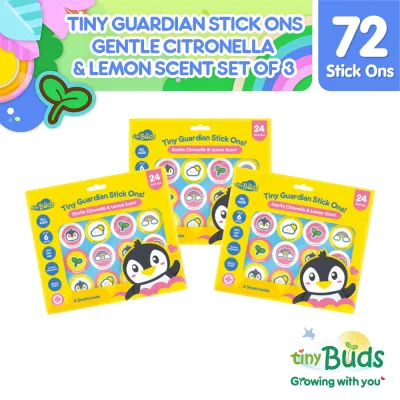
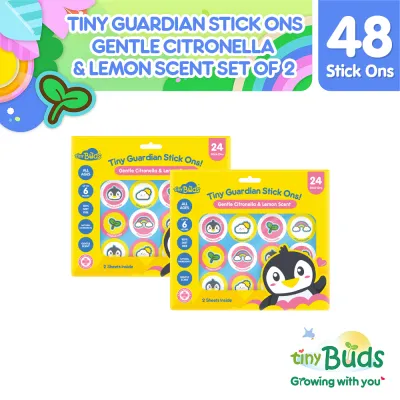
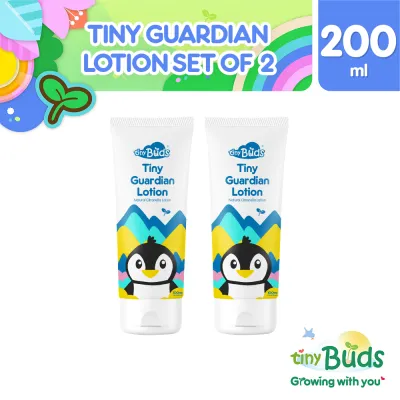
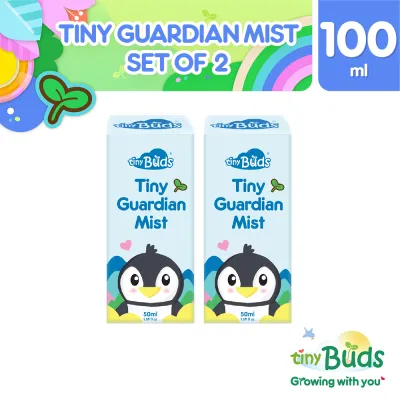
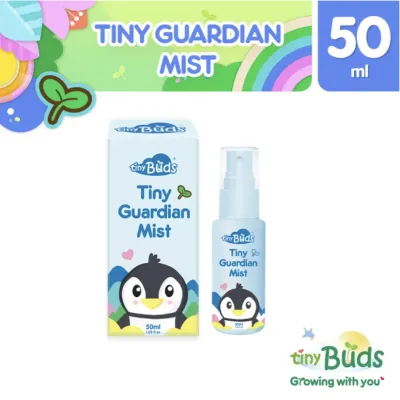
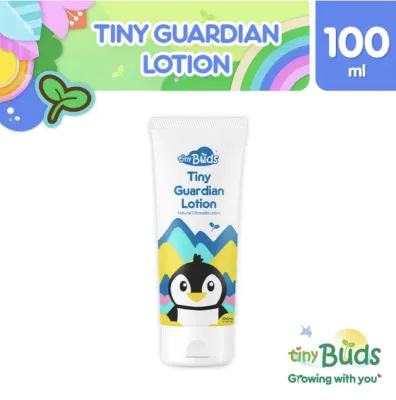
Prices are valid at publication and may change. Please refer to the product page for the latest price.
A common misconception is that “natural” or “organic” ingredients are automatically safe for newborns and infants. In reality, concentrated plant oils can be highly potent and may cause contact dermatitis or respiratory sensitivity in young children. Baby skin is significantly thinner, more fragile, and more permeable than adult skin, making it far more susceptible to absorbing topical substances and reacting to strong fragrances.
Before purchasing or applying any repellent, take the time to review the manufacturer warnings and contraindications printed on the packaging. Look for specific instructions regarding skin contact, inhalation risks, and age limits. Some products are designed to be applied directly to the skin, while others, like patches, are intended solely for application on clothing or baby gear. Misusing these products can lead to unnecessary exposure and potential skin issues.
Age Limits and Safe Application Methods for Infants
To protect your baby from potential adverse effects, you must locate and strictly follow the minimum age requirement specified on the exact product variant you have purchased. Manufacturers establish these age limits based on the concentration of active ingredients and the developmental stage of an infant’s skin and respiratory system. Never assume that a product is safe for a newborn simply because it features baby-friendly branding or natural imagery.

When applying a skin-safe repellent, you must avoid high-risk areas such as the baby’s hands, eyes, mouth, and any open wounds or broken skin. Babies frequently put their hands in their mouths and rub their eyes, which can easily transfer the repellent to sensitive mucous membranes, leading to painful irritation or accidental ingestion. If your baby has a scratch, diaper rash, or minor skin scrape, avoid applying the product anywhere near the affected area.
The safest way to apply topical repellent is to use the caregiver application method. Instead of spraying or dispensing the product directly onto your baby’s skin, squeeze or spray a small amount into your own hands first. Rub your palms together to distribute the product evenly, and then gently pat or rub it onto your baby’s exposed skin. This technique gives you precise control over where the product goes, prevents accidental inhalation of sprays, and ensures you apply a thin, even layer rather than an excessive amount.
Recognizing Potential Side Effects and Skin Sensitivities
Even when a product is labeled as hypoallergenic or gentle, you should always conduct a preliminary patch test before using it extensively. To perform a patch test, apply a tiny, pea-sized amount of the repellent to a small, clean area of your baby’s skin, such as the inner forearm or the side of the thigh. Leave the product on and monitor the area closely for 24 hours, keeping an eye out for any signs of localized irritation.
During and after the patch test, monitor your baby’s skin for visible signs of sensitivity or allergic reactions. These signs can include localized redness, swelling, small raised bumps, hives, dry or flaky patches, or signs of physical discomfort such as scratching, rubbing, or unusual fussiness. Because infants cannot communicate their discomfort verbally, paying close attention to their physical cues is essential.
If you observe any signs of skin irritation, you must take immediate action to minimize discomfort and prevent the reaction from worsening. Gently wash the affected area with cool water and a mild, fragrance-free baby soap to remove any remaining product residue. Pat the skin dry with a clean, soft towel rather than rubbing it, which can further irritate the skin. Discontinue use of that specific product immediately and keep the skin clean and dry while it heals.
When to Stop Use and Seek Pediatric Advice
While mild skin irritation can often be managed at home by washing the area, certain symptoms require you to stop using the product immediately and seek professional medical advice. If your baby develops a widespread rash, hives that spread across the body, or swelling of the face, lips, or tongue, these could be signs of a more severe allergic reaction. Additionally, if your baby begins coughing, wheezing, or showing signs of respiratory distress after you apply a scented repellent, seek medical care right away.
Special precautions must be taken if your baby has a pre-existing skin condition, such as eczema or atopic dermatitis. A compromised skin barrier is highly sensitive and prone to severe flare-ups when exposed to essential oils or other active repellent ingredients. You should avoid applying any topical repellents to a baby with eczema unless you have received explicit approval and guidance from your pediatrician.
If your baby shows a persistent intolerance to topical repellents, do not continue trying different brands or formulations in hopes of finding one that works. Instead, transition entirely to physical mosquito protection methods. Physical barriers are highly effective, completely non-invasive, and eliminate the risk of chemical or botanical skin irritation, allowing your baby’s skin to recover fully while remaining safe from insect bites.
Building a Safer Mosquito Protection Strategy
Relying solely on topical repellents is rarely the most effective way to protect your baby from mosquitoes. Instead, you should build a comprehensive defense strategy that prioritizes physical barriers, especially for newborns and young infants who are too young for topical products. Using fine-mesh mosquito nets over cribs, playpens, strollers, and baby carriers is an incredibly effective way to block insects without exposing your baby’s skin to any active ingredients.
When taking your baby outdoors, dress them in lightweight, loose-fitting, long-sleeved clothing and long pants. Opt for breathable fabrics like light cotton, which keep your baby cool in warm, humid weather while keeping their skin covered and protected. Topical repellents should be viewed as a supplementary measure, reserved for older babies during times of high mosquito activity, such as outdoor gatherings or late afternoon walks.
In addition to protecting your baby directly, you can significantly reduce mosquito risks by implementing environmental controls around your home. Regularly inspect your property and eliminate any sources of stagnant water, such as in flowerpot saucers, empty buckets, or clogged drains, where mosquitoes lay their eggs. Ensure that all window and door screens are intact and free of holes, and consider using indoor fans, as the steady airflow makes it difficult for mosquitoes to fly and land on your baby.
Frequently Asked Questions (FAQ)
Can I apply Tiny Buds mosquito repellent on a newborn?
Pediatric guidelines generally advise against applying any topical insect repellents, whether natural or synthetic, on newborns and infants under two months of age. A newborn’s skin is exceptionally thin and highly permeable, which increases the risk of systemic absorption of active ingredients. Instead of using topical products, you should rely entirely on physical barriers like mosquito nets and protective clothing to keep newborns safe. Always check the specific packaging of your Tiny Buds product to verify the manufacturer’s minimum age limit before use.
What should I do if my baby accidentally ingests the repellent?
If your baby accidentally ingests any mosquito repellent, act quickly but remain calm. Immediately wipe your baby’s mouth with a clean, damp cloth to remove any remaining product, and offer a small amount of water or milk if they are conscious and able to swallow. Do not attempt to induce vomiting, as this can cause the product to enter the lungs and lead to more severe respiratory complications. Contact a poison control center or your pediatrician immediately, and keep the product packaging nearby so you can read the exact ingredients to the medical professional.
How often can I safely reapply the repellent on my toddler?
To prevent overexposing your toddler’s skin to active ingredients, you must strictly follow the reapplication intervals printed on the product’s packaging. Do not apply the repellent more frequently than recommended, as over-application does not provide stronger protection but does increase the risk of skin irritation and systemic absorption. If your toddler is sweating heavily or playing in water, check the label to see if the product is water-resistant, and consider using physical barriers like long clothing to extend protection without reapplying topical products excessively.
Community discussion
Share your experience or ask a question. Comments are reviewed before publication.