
Determining whether a specific hand sanitizer is safe for an infant requires carefully reviewing the product’s actual label rather than relying on general brand assumptions. Because babies have highly permeable skin and frequent hand-to-mouth habits, parents must verify the exact alcohol concentration, ingredient profile, and manufacturer age guidelines for the specific Tiny Buds variant they hold. This guide outlines the essential safety checks, application boundaries, and alternative cleaning methods to help you make an informed decision for your baby’s hygiene routine.
In the tropical climate of the Philippines, keeping a baby clean can feel like a constant battle against heat, sweat, and dust. Whether you are taking a stroll in the park, visiting a local mall, or playing at home, quick hygiene solutions are incredibly convenient. However, a baby’s skin is vastly different from adult skin, requiring a much higher level of caution when introducing any topical product.
Before applying any hand sanitizer to your little one, understand that “baby-friendly” branding does not automatically guarantee suitability for every developmental stage. Newborns, infants, and toddlers have different skin thicknesses, metabolic rates, and behavioral patterns. A product that is perfectly safe for a two-year-old toddler might pose unnecessary risks to a two-month-old infant.
Products mentioned in this guide
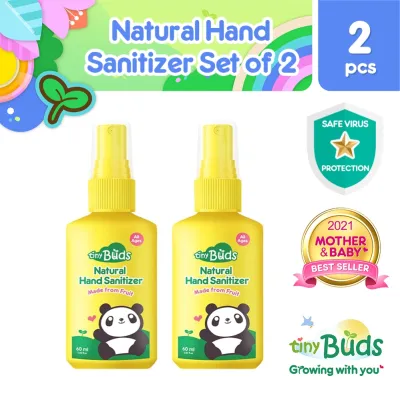
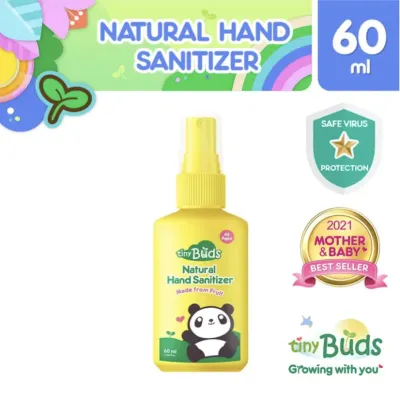
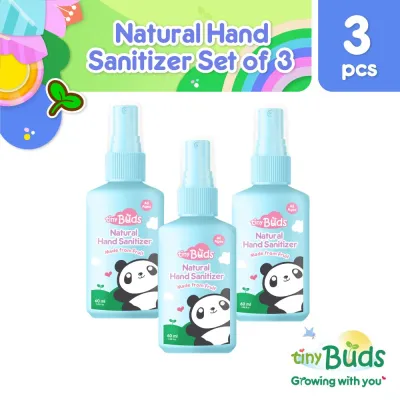
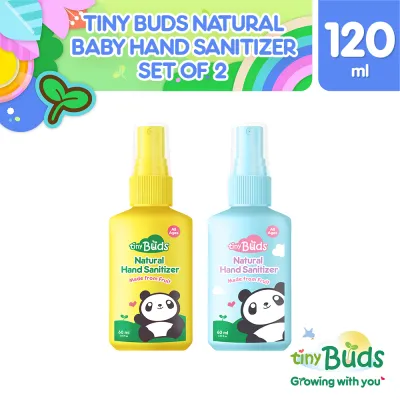
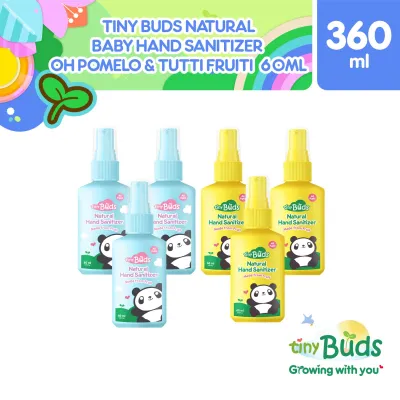
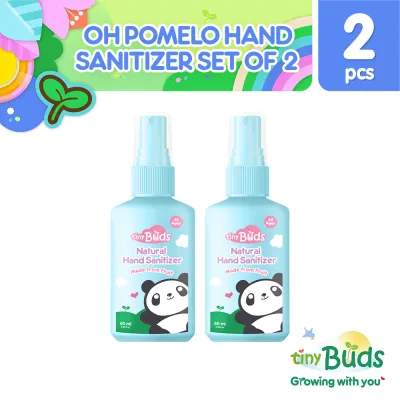
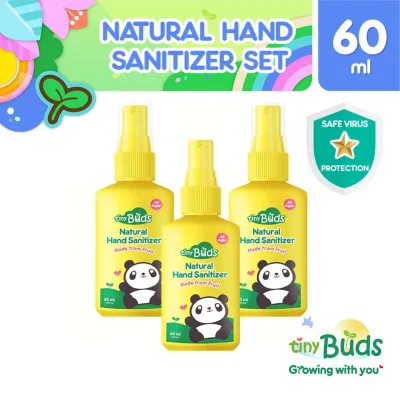
Prices are valid at publication and may change. Please refer to the product page for the latest price.
By learning how to decode ingredient labels, recognize age-specific warnings, and establish safe application habits, you can protect your baby from both harmful pathogens and potential skin irritation. This article will walk you through the precise steps to evaluate your hand sanitizer, helping you decide when to use it and when to opt for traditional soap and water instead.
How to Read the Ingredient List and Alcohol Content
When holding a bottle of Tiny Buds hand sanitizer, your first step should always be to turn the bottle over and examine the active and inactive ingredients list. Do not rely solely on front-of-pack marketing claims such as “natural” or “gentle.” Instead, look for the specific chemical names and percentages that dictate how the product interacts with your baby’s delicate skin barrier.
The primary active ingredient in most traditional hand sanitizers is alcohol, which typically appears as ethyl alcohol (ethanol) or isopropyl alcohol. Pediatric guidelines generally recommend avoiding high concentrations of alcohol on very young infants because their skin absorbs topical substances much faster than adult skin. If the label indicates a high percentage of alcohol, it is best to reserve that product for older children.
Beyond the active sanitizing agent, you must carefully scan the inactive ingredients for potential skin sensitizers. Many commercial sanitizers contain added synthetic fragrances, artificial dyes, or strong preservatives to make the product smell appealing. However, these additives are common culprits for contact dermatitis, especially in hot and humid tropical environments where sweat can trap irritants against the skin.
Look for formulations that prioritize simple, plant-derived, or food-grade ingredients, which are often highlighted in baby-specific brands. If you notice complex chemical names that you do not recognize, take a moment to research them or consult your pediatrician. A shorter ingredient list is generally preferable when choosing products for infant skin, as it minimizes the statistical likelihood of an allergic reaction.
Finally, cross-reference the ingredients with established pediatric safety standards. If a product contains ingredients that are known allergens or skin drying agents, it may compromise the natural lipid barrier of your baby’s hands. Keeping a close eye on these details ensures that your efforts to keep your baby germ-free do not inadvertently lead to painful skin irritation.
Checking Age Limits and Safe Application Steps
Manufacturer guidelines are your primary line of defense when determining if a hand sanitizer is appropriate for your baby’s current developmental stage. Always search the packaging for explicit age recommendations, which are often printed in small text near the directions. If a bottle states that it is suitable only for children over a certain age, do not attempt to use it on a younger infant.

The physiological differences between infants and older children explain why these age limits are so strictly enforced. Infants have a highly active hand-to-mouth reflex, using their mouths to explore their environment and soothe teething discomfort. If you apply hand sanitizer to an infant’s hands, there is a very high probability that they will ingest the residual product before it has a chance to fully evaporate.
To minimize these risks, you must establish a highly controlled and supervised application routine. Never allow a baby or toddler to handle the sanitizer bottle themselves, as they may accidentally squeeze a large amount into their eyes or mouth. Always store the bottle completely out of their reach, preferably in a secure pocket of your diaper bag.
When application is necessary, dispense a tiny, pea-sized amount of the sanitizer onto your own palms first, or directly onto the baby’s hands. Rub the product thoroughly over all surfaces of the baby’s hands, including the palms, the backs of the hands, and between their fingers. Continue rubbing gently until the liquid has completely evaporated and the skin feels dry.
The most critical step in this process is ensuring the product is entirely dry before letting your baby touch their face, toys, or mouth. Hold your baby’s hands gently for a minute or two to prevent them from sucking on their fingers while the sanitizer dries. If you can still smell the product on their hands, it has not fully evaporated.
When to Skip Sanitizer and Wash With Soap and Water
While hand sanitizers offer unmatched convenience when you are away from home, they are not a universal replacement for traditional handwashing. There are many common scenarios where sanitizers are completely ineffective, and relying on them can leave your baby exposed to harmful germs. Understanding these limitations is essential for maintaining proper hygiene.
First, hand sanitizers are designed to work on clean, dry skin; they cannot penetrate physical barriers of dirt, grease, or food residue. If your baby has been crawling on the floor, playing in the dirt, or eating sticky fruits, applying sanitizer will simply smear the dirt around. In these cases, you must wash their hands with running water and a mild baby soap.
Second, soap and water should always be your primary choice during active teething or meal times. Because soap rinses away completely with water, it leaves no chemical residue on the skin that the baby could later ingest. If you are preparing to feed your baby finger foods or if they are constantly chewing on their hands, a quick wash is infinitely safer.
Additionally, you must avoid using hand sanitizer on any areas of broken, irritated, or compromised skin. If your baby has active eczema flare-ups, scratches, or dry, peeling patches, the ingredients in hand sanitizers can cause intense stinging. Applying alcohol or chemical sanitizers to open wounds can also delay the natural healing process and increase the risk of localized skin irritation.
For times when you are traveling around the Philippines and clean running water is not readily available, prepare a portable washing kit. Keep a small bottle of clean tap water, a travel-sized container of liquid baby soap, and a clean cotton washcloth in your diaper bag. This simple setup allows you to perform a safe, residue-free wash even when you are far from a restroom.
Spotting Skin Reactions and Handling Accidental Ingestion
Even when you use a gentle, baby-specific product, there is always a small risk that your baby’s skin may react negatively. It is important to monitor your baby closely during and after the first few applications of any new hand sanitizer. Early detection of skin sensitivity can prevent a minor irritation from developing into a more severe skin condition.
Watch for immediate or delayed signs of contact dermatitis on your baby’s hands and wrists. These signs include localized redness, small raised bumps, dry or peeling skin, and signs of discomfort such as the baby rubbing their hands together. If you observe any of these symptoms, immediately wash the baby’s hands with cool, clean water and discontinue using that specific sanitizer.
Accidental ingestion is another serious concern that requires a calm but rapid response. If your baby manages to lick their hands while the sanitizer is still wet, or if they accidentally swallow a small amount from an unsecured bottle, do not panic. Wipe their mouth out with a clean, damp cloth and offer them a few sips of water or breastmilk to help rinse their mouth.
Never attempt to induce vomiting at home, as this can cause the swallowed liquid to enter the baby’s airway, leading to severe respiratory complications. If you suspect your baby has ingested a significant amount of hand sanitizer, or if they show any unusual symptoms such as extreme sleepiness, lethargy, or difficulty breathing, seek immediate medical attention. Keep the product bottle with you to show the healthcare providers.
Frequently Asked Questions (FAQ)
Can I use adult hand sanitizer on my baby in an emergency?
Using standard adult hand sanitizers on an infant is highly discouraged, even in temporary emergency situations. Adult formulations are designed for mature skin and typically contain much higher concentrations of alcohol, along with strong synthetic fragrances and chemical preservatives. These ingredients can easily penetrate a baby’s thin skin barrier, leading to rapid transdermal absorption, severe dryness, or painful chemical irritation.
If you find yourself in an emergency without access to running water or baby-specific sanitizer, look for safer alternatives. A gentle baby wipe or a clean cloth dampened with bottled water can physically remove a significant amount of dirt and bacteria from your baby’s hands. Once you reach a location with clean water and mild soap, perform a thorough wash to ensure their hands are completely clean.
Is alcohol-free hand sanitizer always safer for infants?
While alcohol-free hand sanitizers eliminate the risks of alcohol-induced skin dryness and accidental alcohol poisoning, they are not automatically safe or superior for infants. These products must rely on alternative active ingredients, such as benzalkonium chloride, to kill germs. Parents must still carefully research these alternative chemicals to ensure they are compatible with sensitive infant skin and do not cause allergic reactions.
Furthermore, alcohol-free sanitizers often have limitations in their overall effectiveness against certain types of viruses and bacteria compared to alcohol-based formulas. They also leave a chemical residue on the skin that does not evaporate, which your baby might still ingest through hand-mouthing behaviors. Ultimately, whether a sanitizer contains alcohol or not, it remains a secondary option that cannot match the safety and efficacy of washing with plain soap and water.

Community discussion
Share your experience or ask a question. Comments are reviewed before publication.