
Quick Answer: Can Tiny Buds Dry Wipes Work for Sensitive Skin?
When caring for a baby with sensitive skin, choosing the right wipe is a critical daily decision. Tiny Buds dry wipes offer a highly customizable alternative to traditional pre-moistened wipes, but whether they are the right choice for your baby depends on several specific factors. Fundamentally, dry wipes are dry sheets of fabric or fiber that contain absolutely no added liquid, preservatives, or fragrances until you decide to moisten them. This design allows you to eliminate the chemical preservatives and surfactants that pre-moistened wipes require to remain shelf-stable and mold-free in their packaging.
However, because dry wipes are inert on their own, their ultimate suitability for sensitive skin depends entirely on the liquid you use to activate them and your baby’s unique skin triggers. Without independent clinical testing data comparing them directly to other brands, parents must carefully evaluate packaging labels, material compositions, and perform localized patch tests to ensure safety and compatibility.
Evaluating Material Quality and Gentleness
To determine how Tiny Buds dry wipes compare to other brands, you must first inspect the physical material and its structural integrity. Start by checking the packaging for the exact material composition. High-quality dry wipes typically consist of 100% cotton, bamboo viscose, or synthetic blends like polyester and rayon. If your baby has known allergies or highly reactive skin, verifying these raw materials is essential. For instance, pure cotton is highly breathable and soft, whereas synthetic fibers can sometimes feel slightly rougher or trap heat against the skin.
Products mentioned in this guide
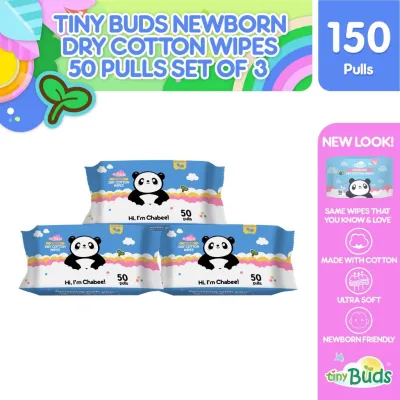
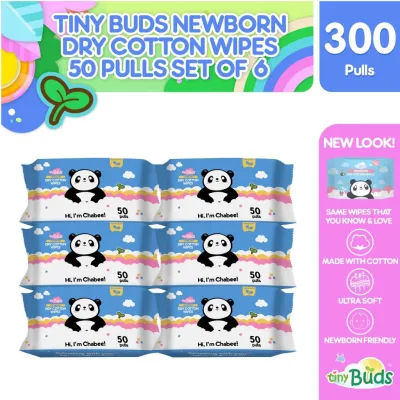
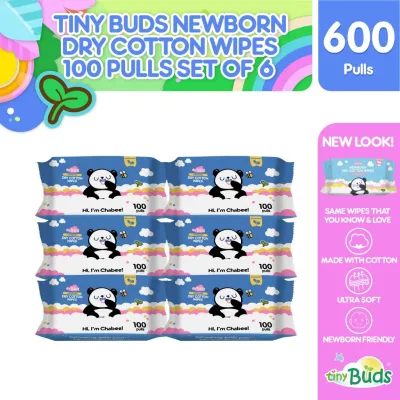
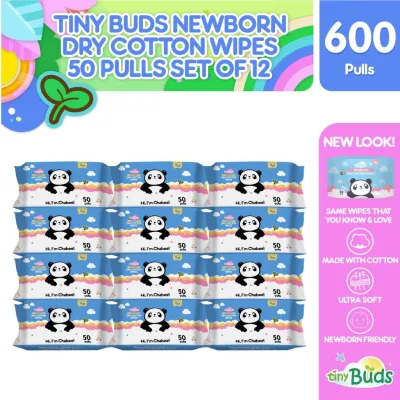
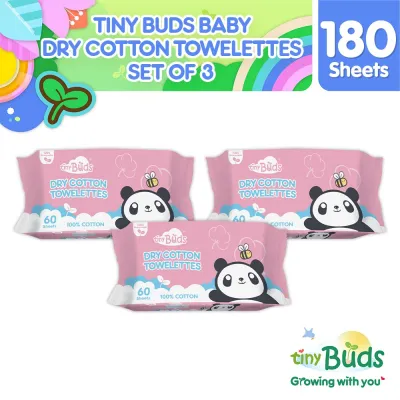
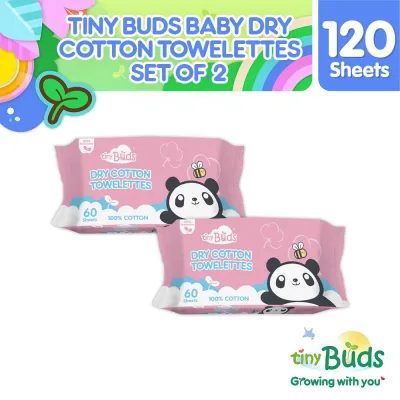
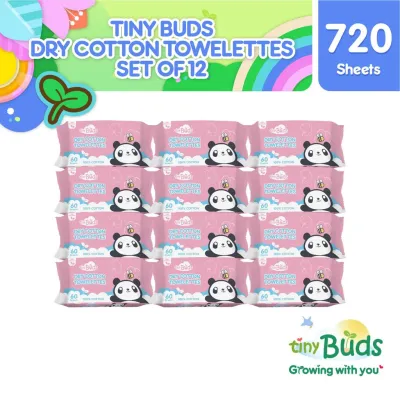
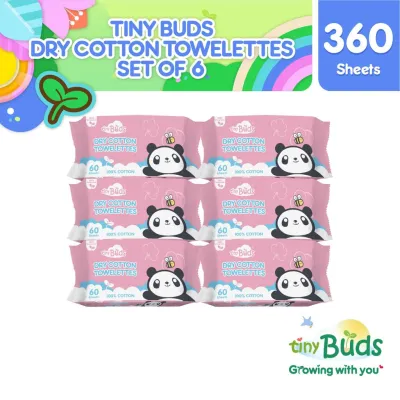
Prices are valid at publication and may change. Please refer to the product page for the latest price.

In the tropical climate of the Philippines, where high humidity and sweat can easily lead to friction-induced heat rashes, the physical texture of the wipe plays a massive role in preventing micro-abrasions. Look closely at the product labels. Dry wipes naturally avoid the liquid preservatives, parabens, alcohol, and artificial fragrances that are standard in wet wipes. However, you should still verify that the dry material itself has not been treated with any chemical softening agents or synthetic scents during manufacturing.
Finally, perform a tactile and visual test before using any new brand on your baby. Rub the dry wipe gently against the inside of your wrist to assess its texture. Look closely for any lint, loose fibers, or pilling. Wipes that shed fibers can leave tiny particles in the skin folds of a baby’s diaper area, which can trap moisture and sweat, leading to localized irritation or diaper rash. A high-quality dry wipe should remain intact and lint-free even when fully saturated with water.
Assessing Value and Cost per Use
Evaluating dry wipes also requires a practical look at your household budget and the true cost per use. When comparing Tiny Buds dry wipes to other brands or traditional wet wipes, start by looking at the upfront price in ₱ per pack. Divide this price by the number of sheets in the package to find the base cost per individual sheet. While dry wipes may sometimes appear more expensive or comparable to premium wet wipes on a per-sheet basis, you must also factor in the ongoing cost of the liquid used to activate them.
If you are moistening them with purified water, sterile saline, or specialized baby cleansers, these liquids add a small but continuous cost to your daily diapering routine. However, dry wipes offer distinct storage and shelf-life advantages that can offset these costs. Traditional pre-moistened wipes are prone to drying out, especially if the adhesive seal on the packaging loses its stickiness in hot, humid tropical weather. Once a pack of wet wipes dries out, it often becomes unusable, resulting in wasted money.
Dry wipes, by contrast, do not dry out, leak, or expire quickly in storage. This long shelf life means you can buy them in bulk without worrying about product degradation, ultimately reducing waste and making them a highly cost-effective option for long-term use.
Decision Framework: Choosing the Right Wipe for Your Baby
To decide whether to choose Tiny Buds dry wipes or an alternative brand, you can use a simple, condition-based decision framework.
First, consider your primary skin care goals and daily routine. You should choose Tiny Buds dry wipes if your baby has highly reactive skin and you want complete control over every ingredient that touches their body. By using dry wipes, you completely bypass the liquid preservatives, emulsifiers, and surfactants found in even the gentlest pre-moistened wipes. This option is ideal for parents who prefer to use only plain, purified water for daily cleaning.
Second, consider your lifestyle and convenience needs. You should choose pre-moistened sensitive skin wipes if you travel frequently, spend a lot of time outdoors, or need immediate, hassle-free diaper changes on the go. Pre-moistened wipes do not require you to carry a separate bottle of water or prepare wipes on demand, making them highly convenient for busy outings. If your baby does not have a history of reacting to standard, pediatrician-approved gentle wet wipes, the convenience of pre-moistened options may outweigh the customization of dry wipes.
Third, always verify material compatibility before making a bulk purchase. Even natural fibers like cotton or bamboo can occasionally cause reactions if a baby has a specific, rare contact allergy. Buy a single small pack first, test it under normal conditions, and observe your baby’s skin before investing in larger quantities.
Safe Usage and Preparation for Sensitive Skin
Using dry wipes safely requires strict adherence to hygiene and preparation practices to prevent skin irritation and bacterial contamination. When moistening dry wipes, use only purified water, sterile saline, or mild, pediatrician-recommended liquid cleansers. Avoid using harsh tap water, unverified essential oils, or heavily fragranced soaps, as these can easily trigger allergic contact dermatitis on sensitive baby skin.
Because dry wipes do not contain chemical preservatives, they lose their sterile properties once they are moistened. If you moisten a large batch of dry wipes and leave them in a container for several days, they can quickly become a breeding ground for bacteria, mold, and fungi—especially in warm, humid climates. To prevent this, only moisten the exact number of wipes you need for immediate use or for a single day. If you prefer to prepare a small batch for a day trip, store them in a clean, airtight container and discard any unused wet wipes at the end of the day.
Lastly, monitor your baby’s skin closely during any transition. If you notice any redness, excessive dryness, peeling, or a persistent rash after switching to dry wipes or changing your moistening liquid, stop use immediately. Revert to your previous safe routine and consult a pediatrician or pediatric dermatologist to identify the exact cause of the irritation.
Frequently Asked Questions (FAQ)
Are dry wipes better than pre-moistened wipes for eczema?
Dry wipes can offer theoretical benefits for babies with eczema because they allow you to completely avoid the liquid preservatives, alcohol, and surfactants that often trigger eczema flare-ups. However, the overall benefit depends entirely on the liquid you use to moisten them. If you use harsh tap water or an irritating cleanser, the eczema can still worsen. Because eczema-prone skin requires highly specialized care, you should always consult a pediatric dermatologist to establish a safe, comprehensive skincare routine rather than relying solely on a change in wipe brands.
Can I use tap water with Tiny Buds dry wipes?
While using tap water is highly convenient, it is not always the safest choice for babies with highly sensitive or compromised skin. Tap water quality can vary significantly depending on your location, and it may contain trace minerals, chlorine, or heavy metals that can irritate delicate skin barriers. For the safest and most consistent results, especially when dealing with diaper rash or sensitive skin, it is highly recommended to use boiled and cooled water, distilled water, or sterile saline to moisten your dry wipes.
Community discussion
Share your experience or ask a question. Comments are reviewed before publication.