
Over-the-counter vitamins, including most Tiki-Tiki variants, are generally not recommended for infants aged 0 to 6 months without a pediatrician’s explicit prescription. For young infants, breastmilk or formula provides complete and sufficient nutrition, and early supplementation carries unnecessary risks. Parents should always check the specific product label for age restrictions and consult a healthcare professional before giving any supplement to a baby in this age group. While vitamin brands are household staples for growing toddlers, the physiological needs of a newborn are vastly different, requiring extreme caution and medical oversight before any product is introduced.
Nutritional Needs of Infants Aged 0 to 6 Months
During the first six months of life, an infant’s nutritional requirements are uniquely streamlined. Exclusive breastfeeding or feeding with scientifically formulated infant formula is globally recognized as the gold standard for infant nutrition. Breastmilk is a dynamic fluid that adapts to a baby’s changing needs, providing the perfect balance of proteins, fats, carbohydrates, vitamins, and minerals. Similarly, modern infant formulas are meticulously designed to replicate this nutritional profile, ensuring that formula-fed babies receive all the essential micronutrients required for healthy development without the need for external supplementation.
Standard pediatric guidelines emphasize that healthy, full-term infants do not require routine multivitamin supplementation during this initial stage. A baby’s digestive tract is highly specialized but still immature, optimized to absorb nutrients in their natural, highly bioavailable forms found in milk. Introducing synthetic vitamins can disrupt this delicate digestive equilibrium, potentially interfering with the natural absorption of nutrients from breastmilk or formula.
Products mentioned in this guide
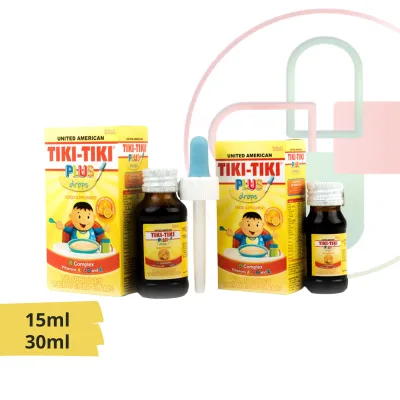

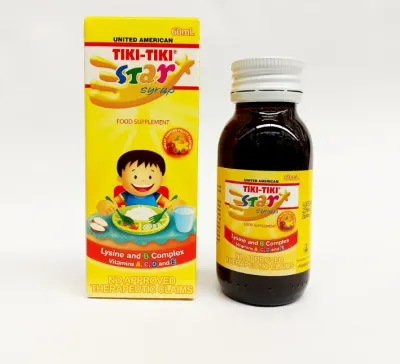
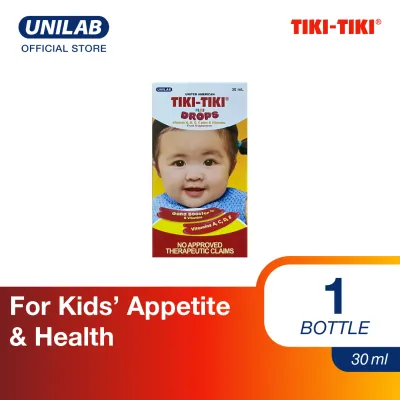
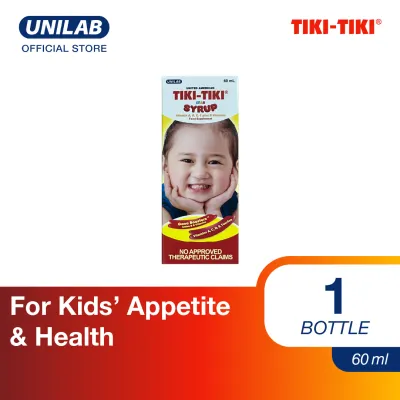



Prices are valid at publication and may change. Please refer to the product page for the latest price.
There are, however, specific medical exceptions where targeted supplementation is necessary. For example, because breastmilk naturally contains low levels of Vitamin D, pediatricians frequently prescribe a single-nutrient Vitamin D drop for breastfed infants to support bone development. Additionally, infants born prematurely or with low birth weight may require specialized iron drops or multi-nutrient supplements to support their rapid growth and prevent anemia. These interventions are highly individualized and must only be initiated under the direct supervision of a qualified healthcare professional who can calculate the precise dosage based on the baby’s weight and clinical needs.
Assessing Tiki-Tiki Products for the 0 to 6 Month Age Group
When evaluating Tiki-Tiki or any other vitamin brand for a young infant, parents must learn how to carefully read and interpret product labels. The packaging of any pediatric supplement contains critical information regarding age suitability, active ingredient concentrations, and dosage instructions. Parents should look for explicit statements indicating whether the product is formulated for “infants” (typically 0 to 24 months) or “children” (usually 1 year and older). If a product label does not explicitly state that it is safe for babies under six months of age, it should never be administered to a newborn.

A key distinction that parents must understand is the difference between infant drops and pediatric syrups. Drops are highly concentrated liquids designed to deliver a precise, small dose of nutrients in a tiny volume, making them easier for an infant to swallow. Syrups, conversely, are much less concentrated and require a larger volume per dose, which is suitable for toddlers but poses a significant choking hazard and digestive burden for a newborn. Even within the category of drops, the concentration of active ingredients can vary widely, meaning a dose that is safe for a nine-month-old could be highly toxic for a two-week-old baby.
It is also important to recognize that a brand’s general reputation or popularity does not guarantee safety for all age groups. While a specific vitamin brand may be highly recommended by family members or online communities for older children, those recommendations do not translate to newborns. A newborn’s metabolic pathways are not fully developed, meaning their ability to process, utilize, and excrete synthetic vitamins is severely limited compared to an older child. Parents must look past brand familiarity and focus entirely on the specific product formulation, age indications, and professional medical advice.
Potential Risks of Unprescribed Vitamin Supplementation
Administering over-the-counter vitamins to an infant aged 0 to 6 months without a doctor’s prescription carries significant physiological risks. The primary concern is vitamin toxicity, particularly from fat-soluble vitamins such as Vitamin A and Vitamin D. Unlike water-soluble vitamins, which the body can easily excrete through urine when consumed in excess, fat-soluble vitamins accumulate in the liver and fatty tissues. Exceeding the tolerable upper intake levels for these nutrients can place an overwhelming strain on a newborn’s developing kidneys and liver, potentially leading to organ damage, metabolic imbalances, and serious systemic illness.
Beyond the active vitamins, commercial liquid supplements contain various inactive ingredients, including preservatives, stabilizers, artificial flavorings, and sweeteners. A young infant’s gastrointestinal tract is exceptionally sensitive and lacks the mature mucosal barrier found in older children. Introducing these complex chemical additives can trigger acute digestive discomfort, resulting in severe colic, abdominal pain, increased spit-up, or diarrhea. In some cases, infants may develop allergic reactions to specific colorants or preservatives, manifesting as skin rashes, hives, or respiratory distress.
Another critical risk is the potential for oral supplements to interfere with a baby’s feeding patterns. Liquid vitamins often have a strong, metallic, or highly sweetened taste that can overwhelm a newborn’s sensitive palate. This unpleasant sensory experience can lead to feeding aversion, where the baby becomes fussy, resists the breast or bottle, or refuses to feed altogether. Because consistent intake of breastmilk or formula is vital for hydration and steady weight gain during the first six months, any disruption in feeding can quickly lead to dehydration and failure to thrive.
Safe Steps Before Giving Any Vitamin to Your Baby
To ensure your baby’s safety, parents should follow a structured approach before introducing any vitamin or supplement. The first and most essential step is to consult a pediatrician. During a routine well-baby checkup, the doctor will assess your baby’s growth milestones, weight gain, and overall health. If the pediatrician identifies a specific nutritional gap, they will write a prescription for the exact vitamin required, specifying the precise dosage and the duration of treatment. Never attempt to self-diagnose a nutritional deficiency or initiate supplementation based on advice from non-medical sources.
If a supplement is prescribed, parents must verify the product’s integrity before administration. Carefully check the expiration date printed on the box and the bottle to ensure the product is fresh. Inspect the safety seal; if the seal is broken, cracked, or missing, do not use the product and return it to the pharmacy. Additionally, store the vitamins strictly according to the manufacturer’s instructions. In warm, humid tropical climates, proper storage is crucial, as exposure to heat and moisture can degrade the active ingredients, rendering the supplement ineffective or potentially harmful.
When administering the prescribed vitamin, always use the measuring device—such as a dropper or syringe—that came packaged with that specific product. Never substitute a household spoon or a dropper from a different medicine, as this can easily lead to under-dosing or a dangerous overdose. After giving the dose, closely monitor your baby for any observable changes in behavior, sleep patterns, or digestion. Keep a written log of the time, dosage, and any physical reactions, and contact your pediatrician immediately if you observe any unusual symptoms or signs of discomfort.
Frequently Asked Questions (FAQ)
Can I give Tiki-Tiki to my baby if they are exclusively breastfed?
Exclusive breastfeeding provides a complete and highly bioavailable source of nutrition, meaning healthy, full-term infants rarely require over-the-counter multivitamins like Tiki-Tiki during their first six months. Breastmilk contains the ideal balance of vitamins and minerals tailored specifically to your baby’s developmental stage. However, because breastmilk naturally contains minimal Vitamin D, pediatricians frequently recommend a targeted, single-ingredient Vitamin D supplement for breastfed babies to support healthy bone and teeth development. If your pediatrician determines that your breastfed baby needs a specific nutrient, they will prescribe a dedicated, single-ingredient drop rather than a broad multivitamin, ensuring your baby receives only what they need without unnecessary additives.
What should I do if I accidentally gave my young infant a vitamin not meant for their age?
If you accidentally administer a vitamin formulation that is not intended for an infant under six months old, the first step is to remain calm and immediately assess your baby’s physical condition. Look for immediate signs of distress, such as difficulty breathing, persistent vomiting, sudden skin rashes, swelling of the face or tongue, or extreme lethargy. Contact your pediatrician or a local medical helpline immediately to report the incident. Have the vitamin packaging in hand so you can read the exact brand name, active ingredients, and concentration levels to the healthcare provider, along with an estimate of the volume your baby swallowed. If your baby exhibits any severe symptoms, such as choking, unresponsiveness, or continuous vomiting, bypass the phone call and seek emergency medical care at the nearest hospital immediately.
Community discussion
Share your experience or ask a question. Comments are reviewed before publication.