
Preparing for the arrival of a newborn often brings a mix of anticipation and overwhelming pressure to buy every baby product on the market. During the first 12 weeks of life, a newborn’s actual physical needs are remarkably simple, centering primarily on safe sleep, basic nourishment, hygiene, and temperature regulation. By focusing on high-frequency, safety-critical items and filtering out marketing-driven clutter, parents can create a practical, stress-free, and safe environment for their baby without overspending on unnecessary gadgets.
Understanding what qualifies as a true essential requires looking past aesthetic social media trends and focusing on daily utility. Many items marketed as absolute necessities are only useful for a few weeks, while others may not align with safe sleep guidelines. Prioritizing items that directly support your baby’s development and physical safety during this initial three-month window ensures that your home remains organized and your budget is spent where it matters most.
How to Evaluate What You Actually Need
To avoid impulse buying driven by parental anxiety, it is helpful to establish a practical framework for evaluating any baby product before adding it to your registry or shopping cart. The first step is to assess the daily usage frequency of the item. If a product does not serve a purpose that occurs multiple times a day—such as diapering, feeding, or sleeping—it is highly likely a non-essential item that you can purchase later if a specific need arises.
Products mentioned in this guide
![Newborn babyset starterpack cotton [[ hooded blanket 1hat 2mittens 1pair 2boties 1pair]]](https://img.lazcdn.com/g/p/a0274d10436639c16d431b36e9ce3696.jpg_400x400q80.jpg_.webp)
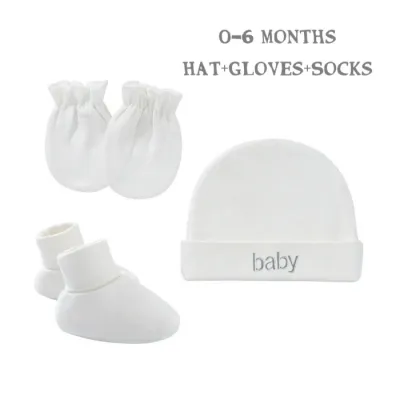
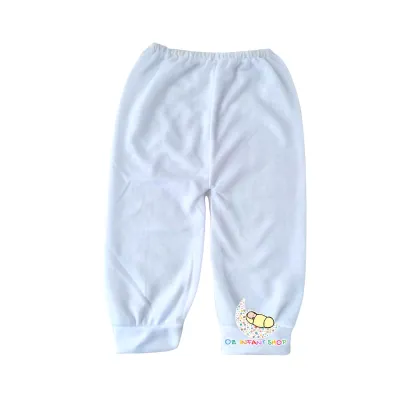
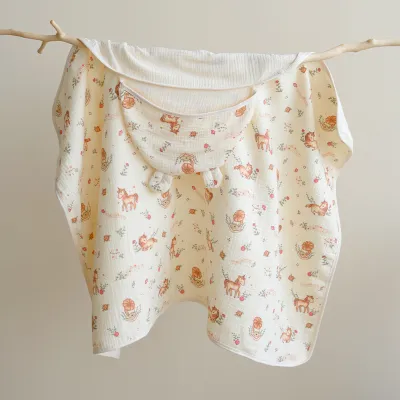
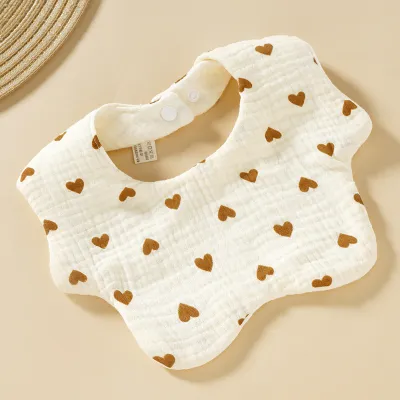
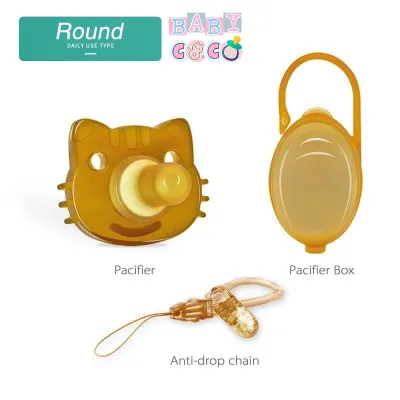
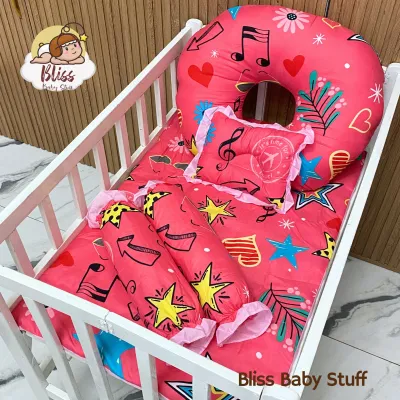
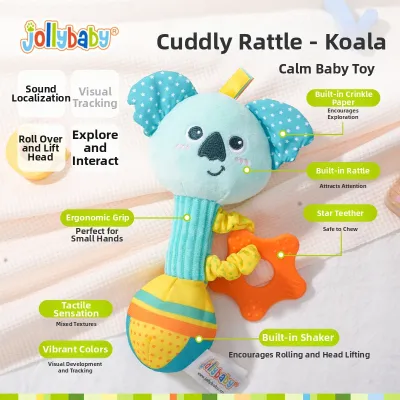
Prices are valid at publication and may change. Please refer to the product page for the latest price.
Another critical factor is verifying whether the product aligns with your baby’s immediate developmental stage. Newborns in their first three months have limited mobility, cannot sit up independently, and spend the majority of their time sleeping or feeding. Products designed for older infants, such as high chairs, activity jumpers, or complex toys, will only collect dust and occupy valuable living space during the first 12 weeks.
Safety must always take precedence over convenience or visual appeal. Before purchasing any hardware, sleep gear, or feeding equipment, parents should actively check for mandatory safety certification labels and manufacturer warnings. This involves verifying that the product meets recognized safety standards, checking for any active product recalls, and ensuring the item is designed for the specific weight and age range of a newborn.
The Core Newborn Essentials Checklist
Navigating the early weeks of parenthood is significantly easier when your home is stocked with a curated selection of genuinely necessary items. The core essentials for a newborn can be organized into three main pillars: sleep, feeding and hygiene, and clothing and bathing. By categorizing your shopping list this way, you can ensure that every purchase serves a direct, functional purpose in your daily routine.

When determining the quantities of these items to purchase, it is important to scale your inventory to your family’s specific laundry routine and living space. Families with daily access to washing machines and rapid drying conditions can easily manage with fewer clothing items and linens. Conversely, those who wash clothes weekly or live in highly humid environments where line-drying takes longer may need to increase their baseline quantities slightly to ensure a continuous supply of clean items.
Sleep and Nursery Basics
Creating a safe sleep environment is one of the most critical responsibilities of early parenthood. The centerpiece of this setup should be a certified crib, cot, or bassinet that meets current safety standards. When evaluating a sleep space, verify that the mattress is firm and fits snugly within the frame without leaving any gaps along the sides. If you are using a crib, check that the slat spacing is narrow enough to prevent a baby’s head from becoming trapped, which typically means verifying that the distance between slats is within the manufacturer’s certified safety specifications.
Appropriate sleepwear is essential for keeping your newborn warm without introducing the hazards associated with loose bedding. Wearable blankets, sleep sacks, or lightweight swaddles are excellent options that keep the baby secure while keeping their face clear. In warm, tropical climates, choose swaddles made from breathable, lightweight cotton or bamboo fabrics to prevent overheating, especially if your nursery does not have continuous air conditioning.
To maintain a safe sleep environment, parents must strictly exclude certain items from the crib or bassinet. Loose blankets, pillows, bumper pads, stuffed animals, and sleep positioners should never be placed in the baby’s sleep space, as they present serious suffocation and entrapment risks. The safest sleep space is a bare mattress covered only by a tight-fitting sheet, with the baby dressed in a suitable swaddle or sleep sack.
Feeding and Diapering Must-Haves
Whether you plan to breastfeed, formula-feed, or use a combination of both, having a baseline configuration of feeding tools ready before your baby arrives is highly practical. For breastfeeding parents, a few comfortable nursing bras, washable breast pads, and a reliable breast pump can ease the transition. If you are formula-feeding or expressing milk, you will need a set of newborn-friendly bottles with slow-flow nipples designed to prevent excessive air intake, along with a dedicated bottle brush for thorough cleaning.
Diapering is a high-volume daily task, with newborns typically requiring eight to twelve diaper changes every twenty-four hours. To prevent diaper rash, it is important to establish a routine of frequent changes and to apply a thin layer of a gentle barrier cream containing zinc oxide or petroleum jelly during changes. When stocking up on diapers and wipes, avoid over-hoarding newborn sizes, as babies grow rapidly during the first month; instead, keep a moderate supply of newborn diapers on hand and transition to size one as your baby approaches the manufacturer’s weight limit.
Setting up a safe and hygienic changing station does not require expensive, specialized furniture. A flat, secure surface—such as a sturdy chest of drawers equipped with a secure changing pad—works perfectly. Ensure that all diapering supplies, including wipes, diapers, barrier creams, and a change of clothes, are within arm’s reach so you never have to leave your baby unattended on an elevated surface.
Clothing and Bathing Essentials
When planning a minimalist wardrobe for a newborn, prioritize comfort, ease of dressing, and climate appropriateness over elaborate outfits. In warm and humid tropical regions, lightweight cotton bodysuits (both short-sleeved and long-sleeved) are the most practical daily wear. These items allow for easy diaper access via snap closures and can be layered easily if the indoor temperature drops due to air conditioning.
Bathing a newborn requires minimal equipment but a high level of care to protect their delicate skin barrier. A simple, slip-resistant infant bath tub that supports the baby’s head and torso is highly recommended. When selecting bathing products, carefully check the ingredient labels and opt for mild, fragrance-free, and soap-free cleansers designed specifically for sensitive infant skin, as synthetic fragrances and harsh surfactants can easily trigger dryness or irritation.
Basic grooming and nail care are also essential during the first three months, as newborn nails grow surprisingly fast and can be quite sharp. Standard adult nail clippers are too large and risky for tiny fingers, so invest in a pair of rounded-tip baby nail scissors or a gentle electric baby nail file. Additionally, keep a soft-bristled baby brush on hand to gently manage cradle cap and groom fine hair after bath time.
What You Can Safely Skip in the First 3 Months
It is easy to feel pressured by social media trends into buying a vast array of specialized baby gear, but many of these items offer very low utility during the first three months. Infant shoes, for example, are entirely unnecessary for a newborn who cannot walk or stand. Not only do they easily fall off and get lost, but rigid footwear can also restrict the natural development of a baby’s soft feet; simple socks or footed onesies are far more practical for keeping tiny toes warm.
Excessive quantities of newborn-sized clothing should also be avoided. Many babies outgrow newborn sizes within the first two to three weeks, and some larger infants bypass them entirely at birth. Purchasing dozens of newborn outfits often results in many items being donated or stored without ever being worn. Focusing your budget on 0-3 month sizes, which offer a bit more room and longevity, is a much smarter financial strategy.
Decorative crib accessories, such as matching quilts, heavy comforters, and fabric bumper pads, are another category to skip entirely. While they are frequently featured in beautifully styled nursery photos, they violate basic safe sleep guidelines and must be removed from the crib before the baby is placed inside. Similarly, complex electronic soothing gadgets, high-tech swings, and heavily padded infant positioners often carry high price tags but offer limited utility, as many babies prefer simple, low-cost soothing techniques like gentle rocking, skin-to-skin contact, or being carried in a basic infant wrap.
Building Your Shortlist: Budgeting and Sourcing
When allocating your preparation budget, it is wise to prioritize spending on high-impact safety gear that will be used daily. Investing more of your budget (₱) into a certified, high-quality car seat and a reliable, structurally sound crib or bassinet is far more beneficial than spending heavily on designer clothing, high-end nursery decor, or trendy toys. Safe travel and safe sleep are areas where quality, certification, and structural integrity should never be compromised.
To ensure you are purchasing genuine, safe products, always source your baby gear from authorized retailers or official brand stores on reputable online marketplaces. Counterfeit baby products, particularly infant carriers, car seats, and feeding equipment, are common on unverified platforms and often lack the structural integrity or non-toxic materials required for infant safety. Before finalizing a purchase, verify the seller’s credentials and review the return policy to ensure you can easily exchange items that do not meet your expectations.
Finally, make it a habit to check product batch numbers, expiration dates (especially on car seats, which degrade over time), and manufacturer recall registries before using any new or second-hand gear. Registering your high-value purchases with the manufacturer using the included registration card is a simple, effective way to ensure you receive immediate notifications in the event of a safety recall, keeping your baby’s environment as secure as possible.
Frequently Asked Questions (FAQ)
How many newborn-size outfits should I buy before the baby arrives?
It is practical to start with a minimal baseline of five to seven newborn-size bodysuits or sleepsuits to accommodate the frequent clothing changes required due to diaper leaks or spit-ups. Because babies grow at highly unpredictable rates, buying a large volume of newborn clothing before birth carries the risk that your baby may outgrow them within days. Focus the bulk of your wardrobe budget on 0-3 month sizes, which feature more generous dimensions and often include adjustable features like fold-over mittens and expandable necklines. When selecting fabrics, consider your local weather patterns; in warm, humid climates, lightweight, breathable cotton is ideal for daily wear, while a few slightly thicker layers can be reserved for air-conditioned indoor spaces.
Is it safe to buy second-hand newborn gear?
Buying second-hand is an excellent way to save money, but it requires strict safety boundaries. Items like baby clothing, plastic baby baths, and simple wooden bouncers are generally safe to purchase used, provided they are thoroughly cleaned and inspected for wear. However, you should never buy or accept a second-hand car seat, as it is impossible to verify its crash history, and invisible structural damage can compromise its safety performance. Cribs should also be approached with caution; older models may not meet modern safety standards regarding slat spacing or hardware durability. For any used item you consider, always verify the manufacturer’s model number against active recall lists, check for missing parts, and sanitize all textiles in hot water with a gentle, fragrance-free detergent before first use.
Community discussion
Share your experience or ask a question. Comments are reviewed before publication.