
WaterWipes generally suits babies with extreme skin sensitivities, active eczema, or newborn skin due to its highly minimalist formula, while The Honest Company offers a more robust, textured clean for babies who tolerate plant-based botanical extracts. In hot and humid tropical climates like the Philippines, baby skin is highly susceptible to heat rash, sweat irritation, and diaper dermatitis. Trapped moisture combined with friction from frequent wiping can quickly compromise a baby’s delicate skin barrier, making the choice of wipe a critical daily decision. Choosing the right wipe involves balancing the purity of the ingredients against the physical cleaning efficiency required to keep skin clean and dry. Parents navigating the baby care aisle often find themselves choosing between these two premium options, which approach skin health from entirely different angles—one focusing on extreme ingredient minimalism, and the other on plant-derived durability.
Ingredient Profiles and Skin Sensitivities
WaterWipes is widely recognized for its exceptionally short ingredient list, which typically features 99.9% purified water and a tiny drop of fruit extract. This minimalist approach is designed to minimize the risk of contact dermatitis, making it a common recommendation for the highly sensitive skin of newborns. However, parents should still inspect the packaging to verify the specific fruit extract used, as even natural botanical derivatives can occasionally trigger localized reactions in exceptionally sensitive individuals.
The Honest Company takes a different path, utilizing a plant-based formulation that incorporates various botanical extracts and skin-conditioning agents. These ingredients are selected to help soothe the skin while providing an effective clean, but the presence of multiple plant-derived components means there are more variables to consider. Many parents who support a premium baby care company love wipes that offer robust cleaning, but if your baby has highly reactive skin, you must carefully review their ingredient list to ensure your baby does not have a pre-existing allergy to specific plants like chamomile or calendula.
Products mentioned in this guide
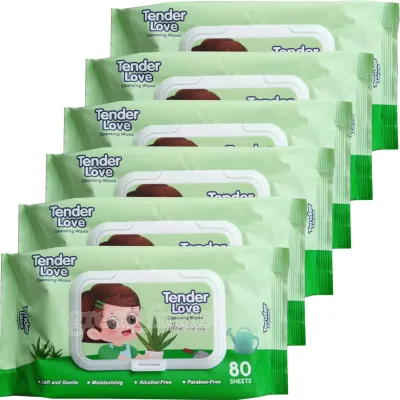
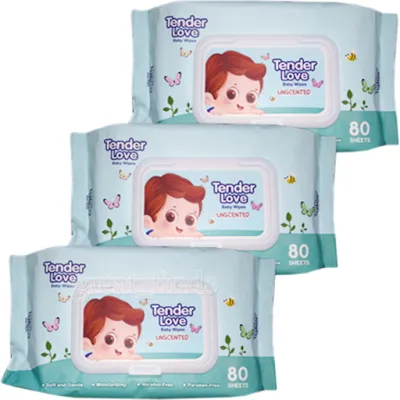
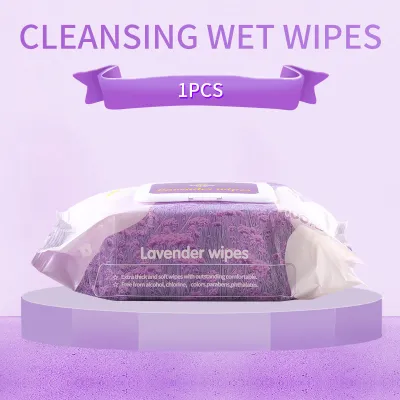
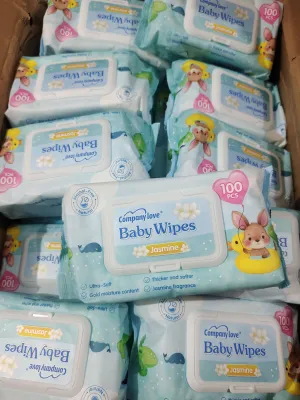
Prices are valid at publication and may change. Please refer to the product page for the latest price.
When evaluating any sensitive baby wipe, it is crucial to look beyond the front-of-pack marketing claims and scrutinize the full ingredient list on the back. Parents should check for the presence of hidden fragrances, masking agents, or specific preservatives like phenoxyethanol and parabens, which are sometimes added to extend shelf life but can irritate a compromised skin barrier. In tropical climates where sweat and friction already sensitize the skin, even mild preservatives or natural essential oils can cause redness or stinging during a diaper change.
A baby’s skin barrier is up to thirty percent thinner than an adult’s, meaning it absorbs topical substances much more rapidly and is highly susceptible to transepidermal water loss. When a wipe contains alcohol, harsh surfactants, or synthetic fragrances, it can strip away the natural lipids protecting the epidermis. Verifying that a wipe is free from these drying agents is a fundamental step in preventing chronic diaper rash and maintaining optimal skin hydration.
Texture, Thickness, and Cleaning Power
The physical build of a wipe directly impacts how many sheets you need to use during a single diaper change, which in turn affects both your budget and the amount of friction applied to your baby’s skin. The Honest Company wipes are generally designed with a thicker, heavier-weight material that provides a sturdy barrier between your hand and the mess. This added thickness helps prevent the wipe from stretching out of shape or tearing when you are dealing with heavy, solid waste.

In contrast, WaterWipes tend to have a smoother, slightly thinner profile that feels exceptionally soft and silk-like against the skin. While this smooth texture minimizes friction on highly inflamed or raw skin, it may require a more careful folding technique during cleanup to prevent hands from coming into contact with the mess. Parents should observe whether the lack of a heavy embossed texture requires them to use more wipes per session, which can inadvertently increase the overall friction on the baby’s skin.
Another physical characteristic to evaluate is whether the wipe material pilled, leaves lint behind, or tears during vigorous cleaning. High-quality sensitive wipes should maintain their structural integrity even when wiping sticky residues or cleaning folds of skin. If a wipe begins to disintegrate or leave tiny fibers behind, those fibers can trap moisture and bacteria against the skin, leading to localized irritation and discomfort in the diaper area.
Moisture Level and Dispensing Experience
The level of moisture saturation in a wipe pack plays a critical role in how easily it glides over the skin and how much residue it leaves behind. WaterWipes are known for their high water content, which can sometimes pool at the bottom of the pack, requiring parents to flip the package before opening to redistribute the liquid. While this high moisture level ensures a very gentle glide, parents in humid climates must be careful to let the baby’s skin air dry or gently pat it dry with a clean cloth before applying diaper cream, as trapped wetness can foster fungal growth.
The Honest Company wipes typically feature a more controlled moisture profile, where the liquid is evenly distributed throughout the embossed fibers without pooling excessively. This balanced wetness allows for efficient cleaning without leaving a heavy layer of water on the skin, which can speed up diaper changes. However, parents should monitor the pack as they reach the bottom to ensure the top wipes do not dry out prematurely due to exposure to warm, tropical air.
The design of the dispensing mechanism is a frequently overlooked factor that can cause significant daily frustration. A secure, rigid plastic flip-top lid is highly effective at locking in moisture and preventing the wipes from drying out in hot climates. If a brand relies solely on a peel-back adhesive sticker, the adhesive can quickly lose its stickiness when exposed to dust, diaper creams, or high humidity, leading to a dried-out pack that must be discarded. Additionally, check if the wipes dispense one at a time or pull out in a continuous, tangled chain, which can lead to waste and contamination during a messy change.
Price and Value Considerations
To determine which wipe offers the best value for your household, it is essential to look past the initial retail price of the package and calculate the true cost per wipe. You can easily do this by taking the local retail price in Philippine Pesos (₱) and dividing it by the total number of wipes in the pack. Because premium sensitive wipes generally carry a higher price tag than standard options, tracking this metric helps you understand exactly how much you are spending per diaper change.
Many parents find that purchasing wipes in bulk boxes, utilizing online marketplace bundle deals, or signing up for subscription services offers the most significant long-term savings. When buying in bulk, however, it is wise to first test a single pack to ensure your baby’s skin tolerates the formulation. Committing to a large box of wipes in ₱ only to discover they cause a localized rash can result in unnecessary waste and expense.
The physical performance of the wipe also directly influences its overall value. If a wipe is thin and requires you to use four or five sheets per diaper change, a cheaper pack may end up costing more over time than a thicker, more expensive wipe that gets the job done in just one or two sheets. Evaluating your actual consumption rate alongside the cost per wipe will give you a much more accurate picture of the true household expense.
How to Choose: Decision Framework
Choose WaterWipes if your baby has highly reactive skin, active eczema, or a history of contact dermatitis, as the minimalist water-and-fruit-extract formula minimizes potential chemical triggers. This option is also ideal for newborns whose skin barriers are still developing and require the gentlest possible care.
Choose The Honest Company if you prefer a highly durable, textured wipe that can handle heavy, sticky messes with fewer sheets, and your baby’s skin has shown no sensitivity to plant-derived botanical extracts. This is a strong choice for older babies who have transitioned to solid foods and require a more robust cleaning tool.
Always verify first if your baby has specific plant, fruit, or extract allergies before purchasing either brand in large quantities. Performing a patch test on a small area of your baby’s arm or leg over twenty-four hours is a safe way to observe any potential adverse reactions before using a new wipe on the sensitive diaper area.
Keep in mind that neither brand may be suitable if your baby has a severe medical skin condition that requires sterile, medical-grade cleansing cloths, or if you prefer completely dry, water-activated cotton wipes that contain absolutely zero preservatives or liquid additives.
Frequently Asked Questions (FAQ)
Can I use WaterWipes or The Honest Company wipes on a newborn's face and hands?
Both brands are formulated to be gentle, making them popular choices for cleaning a baby’s face, hands, and sticky fingers beyond the diaper area. However, because the skin on a baby’s face is exceptionally delicate and prone to dryness, parents should exercise caution and avoid wiping too close to the sensitive eye area. Always check the manufacturer’s packaging for specific warnings regarding facial use, and discontinue use immediately if you notice any redness or dry patches developing around the mouth or cheeks.
Do these wipes need to be rinsed off with water after use?
Under normal circumstances, neither WaterWipes nor The Honest Company wipes require rinsing with water after a standard diaper change or cleanup session. However, if your baby has highly reactive skin, a severe diaper rash, or an open skin barrier, any residual ingredients left on the skin can potentially cause mild irritation. In these specific cases, gently patting the area dry with a clean, soft cloth or performing a quick rinse with plain lukewarm water can help soothe the skin and prevent further irritation.
Why do some sensitive skin wipes have a shorter shelf life?
Sensitive skin wipes often feature a shorter shelf life because they omit strong, synthetic chemical preservatives in favor of milder alternatives or minimalist formulations. Without robust preservatives, the wipes are more susceptible to bacterial growth and mold if they are stored incorrectly or kept for too long. To prevent spoilage, store your wipe packs in a cool, dry place away from direct sunlight, ensure the packaging is sealed tightly after every use, and aim to use opened packs within the manufacturer’s recommended timeframe.
Community discussion
Share your experience or ask a question. Comments are reviewed before publication.