
Organizing a nursery in the Philippines requires a thoughtful approach to space, accessibility, and the local climate. The ideal storage shelf setup combines sturdy freestanding cubbies for heavy items, wall-mounted shelves for decorative keepsakes, and mobile rolling carts for daily essentials like diapers and feeding supplies. By selecting moisture-resistant materials and securing every unit properly, you can create a functional, clutter-free nursery that adapts as your child grows.
A well-organized baby room does more than just look tidy; it streamlines your daily caregiving routines. When you are holding a squirming infant during a midnight diaper change, knowing exactly where to reach for a fresh swaddle or a tube of rash cream is essential. The right shelving units keep these necessities within arm’s reach while ensuring that potentially hazardous items remain safely out of your baby’s curious grasp.
In tropical environments, choosing the right furniture also means considering factors like high humidity and seasonal dampness. Standard particle board can warp or attract mold quickly if not properly treated, making material selection a key part of your buying decision. By focusing on durable, easy-to-clean surfaces and robust installation methods, you can invest in storage solutions that remain safe and beautiful throughout your child’s early years.
Products mentioned in this guide
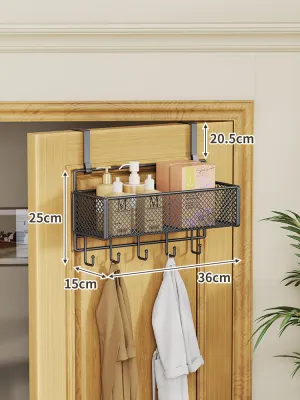
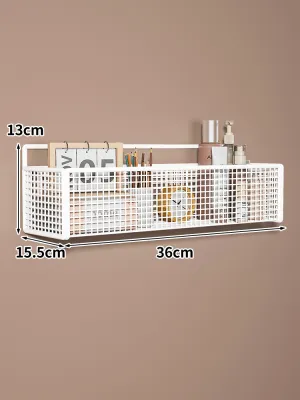
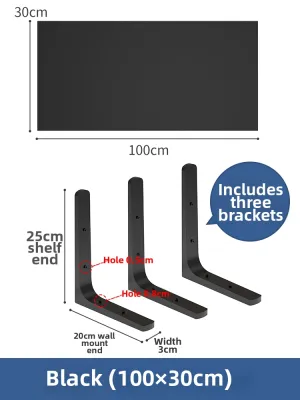
Prices are valid at publication and may change. Please refer to the product page for the latest price.
How to Choose the Right Storage Shelf for Your Nursery
Before purchasing any shelving unit, evaluate the physical layout of your nursery. Many homes in the Philippines feature compact bedroom footprints where floor space is at a premium. Take precise measurements of your available walls and floors, noting the positions of windows, electrical outlets, and door swings. If floor space is limited, prioritizing vertical wall-mounted shelves or slim, mobile units can prevent the room from feeling cramped and overcrowded.
Next, categorize the items you need to store by their weight and how often you will use them. Heavy items, such as bulk packs of diapers, large containers of baby wipes, and heavy toy bins, require sturdy, low-level storage like freestanding cubbies. Frequently used items like daily clothing, swaddles, and feeding supplies should be kept at waist-to-chest height for easy access. Decorative items, memory books, and milestone markers are best suited for high, out-of-reach wall shelves.
Material durability is another critical factor, especially given the tropical climate of the Philippines. High humidity levels can compromise low-grade manufactured wood, causing it to sag or develop mold over time. Look for solid wood, high-grade plastics, or powder-coated metals that resist moisture and are easy to sanitize. Since baby rooms are prone to spills, spit-up, and leaking bottles, ensure that all surfaces can be wiped down quickly with a damp cloth and mild soap without degrading.
Finally, establish a realistic budget framework before browsing online marketplaces or local furniture boutiques. High-quality nursery storage can range from budget-friendly plastic drawers costing under ₱1,000 to premium solid wood bookcases exceeding ₱8,000. When comparing options on ecommerce platforms, factor in the cost of shipping bulky items and the potential need for additional hardware, such as heavy-duty wall anchors or anti-tip safety straps.
Top Storage Shelf Types for Baby Room Organization
Selecting the right storage units involves understanding how different shelf designs serve distinct purposes within the nursery. Freestanding, wall-mounted, and mobile shelves each offer unique advantages and limitations. By combining these different types, you can create a multi-layered organization system that addresses every storage need, from heavy bulk supplies to lightweight daily essentials.

Each shelf type fits naturally into specific zones of the baby room. For instance, a mobile cart is ideal next to the crib or feeding chair, while floating shelves work beautifully above a changing table or in a dedicated reading corner. Understanding these relationships helps you avoid buying unnecessary furniture and ensures that every piece serves a clear, practical function.
Freestanding Bookcases and Cubbies
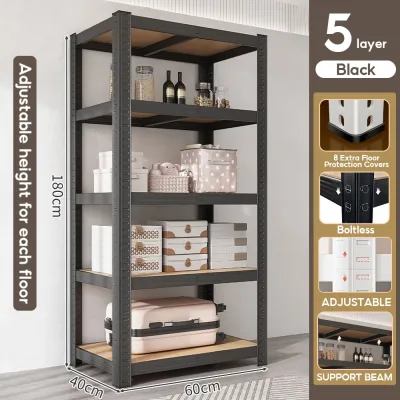
Freestanding bookcases and modular cubby organizers are the workhorses of nursery storage. These units excel at holding heavy, bulky items that would overwhelm lighter shelves. They are perfect for storing large fabric bins filled with toys, extra bedding, and bulk packages of diapers purchased during online sales. The deep shelves provide ample space to keep the room looking organized and clutter-free.
When shopping for freestanding units, look for features that enhance both usability and safety. Adjustable shelf heights allow you to reconfigure the space as your baby’s toys and gear grow larger. Rounded edges and smooth corners are essential to prevent bumps and bruises once your little one starts pulling themselves up to stand. A wide, sturdy base helps distribute weight evenly and minimizes the risk of the unit wobbling.
However, freestanding shelves do have notable limitations. They occupy a significant amount of valuable floor space, which can make small rooms feel restricted. More importantly, they present a serious tipping hazard as babies transition into curious toddlers who love to climb. Because of this, anchoring freestanding units securely to the wall is an absolute necessity, regardless of how heavy or stable the furniture appears to be.
Wall-Mounted Floating Shelves
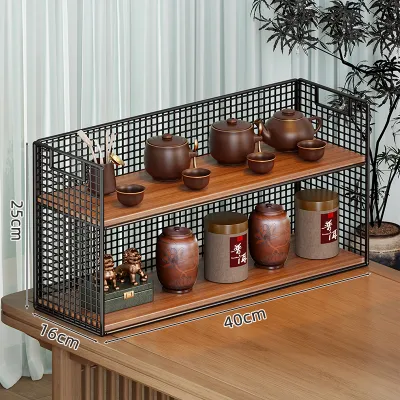
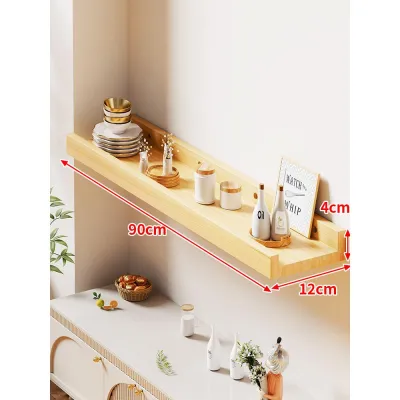
Wall-mounted floating shelves are an excellent way to utilize vertical space, keeping the floor clear for playmats and baby gear. These shelves are ideal for displaying lightweight items that add personality to the nursery, such as children’s books, small framed photos, plush toys, and decorative nightlights. They also keep delicate items, like glass lotion bottles or hand sanitizers, safely out of reach of young children.
Proper installation is critical to ensure that floating shelves remain secure over time. In the Philippines, many residential walls are constructed from concrete or hollow blocks, which require specialized masonry drill bits and heavy-duty plastic wall plugs rather than standard drywall anchors. If you are mounting shelves on a drywall partition, you must locate the wooden studs behind the wall to provide adequate support. Always verify the manufacturer’s maximum weight capacity and avoid overloading the shelves.
Safety should always dictate where you place wall-mounted shelves. Never install floating shelves directly above the crib, changing table, or play area, as falling objects could cause serious injury. Position them at a height that allows adult access but remains completely out of reach of a standing toddler. Regularly check the mounting brackets to ensure they have not loosened due to humidity or daily use.
Rolling Carts and Mobile Units
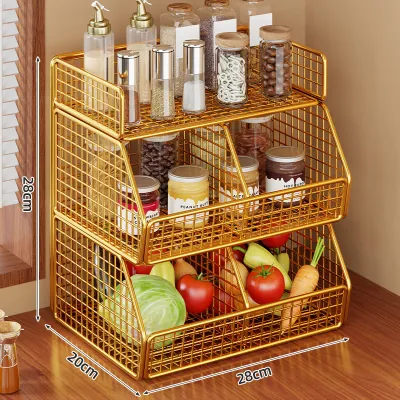
Rolling utility carts have become a favorite among parents in the Philippines due to their incredible versatility. These mobile units typically feature three tiers of open shelving, allowing you to transport essential supplies from room to room easily. They are particularly useful for organizing feeding supplies, breast pumps, burp cloths, and daily diapering essentials, allowing you to set up a temporary care station wherever you and your baby happen to be.
When selecting a rolling cart, look for models with lockable caster wheels that keep the unit firmly in place when stationary. The shelves should be made of water-resistant, easy-to-wipe materials like powder-coated steel or high-density plastic to handle accidental spills of baby oil or formula. Deep baskets or raised edges on each shelf are also beneficial, as they prevent tall bottles and round containers from tipping over when the cart is in motion.
Despite their convenience, mobile units have specific limitations that require careful management. They can pose a stability risk on uneven flooring, such as tiled floors with deep grout lines or thick area rugs. Because they are lightweight and move easily, they can also be pushed over by a toddler learning to walk. To maintain safety, avoid placing heavy items on the top shelf of a rolling cart, and always engage the wheel locks when the cart is parked.
Safety and Stability Checks for Nursery Furniture
Creating a safe environment is the single most important aspect of designing a baby room. Children are naturally curious and will eventually attempt to climb furniture to reach toys or books. To prevent devastating tip-over accidents, you must anchor all freestanding shelves, bookcases, and dressers to the wall. Use high-quality anti-tip kits, which often include heavy-duty straps or metal brackets, and ensure they are anchored into solid wall structures like concrete or wooden studs.
Safe load distribution is another simple yet highly effective way to improve furniture stability. Always place your heaviest items, such as bulk diaper boxes, heavy wooden toys, and thick blankets, on the very bottom shelves. This lowers the furniture’s center of gravity, making it much harder to tip over. Reserve the middle shelves for medium-weight items like folded clothes, and use the top shelves only for lightweight, non-breakable decorative pieces.
Before bringing any shelving unit into your home, carefully inspect its materials and finishes. Check product labels to verify that the furniture uses non-toxic, lead-free paints and finishes that will not off-gas harmful chemicals into the nursery air. Run your hands along all surfaces, edges, and corners to check for rough spots, splinters, or sharp metal edges that could scratch delicate baby skin. If a wooden shelf feels rough, a light sanding and a coat of baby-safe sealant may be necessary.
Finally, recognize when a project requires professional assistance. While assembling flat-pack furniture can be a straightforward DIY task, mounting heavy shelves onto concrete walls or installing complex anti-tip hardware requires proper tools and expertise. If you do not own a hammer drill, do not know how to locate wall studs, or feel unsure about the stability of your installation, hire a qualified local carpenter or handyman to ensure the job is done safely and securely.
Organizing Strategies for Diapers, Clothes, and Feeding Supplies
An efficient nursery layout is built around distinct functional zones that match your daily caregiving workflows. Zone 1 is the changing station, which should be centered around your changing pad or table. Keep your immediate diapering essentials—such as diapers, wipes, rash creams, and hand sanitizer—on the closest shelf at waist height. This allows you to keep one hand on your baby at all times while easily grabbing supplies with the other. Store backup diaper packs and bulk wipes on lower shelves or in nearby cubbies.
Zone 2 is the feeding area, which is typically located near a comfortable glider or nursing chair. If you are using a rolling cart, this is the perfect spot to park it. Organize your breast pump, clean bottles, formula dispensers, and burp cloths on the top two tiers for quick, hygienic access during late-night feedings. Keep a small, covered waste bin or a laundry bag for soiled burp cloths on the bottom tier to keep the area tidy.
Zone 3 focuses on clothing and bedding storage, where modular cubbies and shelf dividers are incredibly helpful. Because baby clothes are small and easily jumbled, using open fabric bins or plastic baskets on your shelves helps keep items organized by category. Label your bins by size (e.g., 0-3 months, 3-6 months) and season so you can easily rotate your baby’s wardrobe as they grow. Use shelf dividers to keep folded swaddles, receiving blankets, and crib sheets neatly stacked.
As your baby grows, their needs and abilities will change rapidly, requiring you to reconfigure your storage setup periodically. Every few months, audit your shelves to remove outgrown clothes, toys that are no longer age-appropriate, and supplies you no longer use. Lower shelves that once held decorative items should be transitioned to hold soft toys and board books that your toddler can safely access independently. Keeping your storage flexible ensures that your nursery remains organized and functional for years to come.
Frequently Asked Questions (FAQ)
How high should I install floating shelves in a nursery?
Floating shelves should be installed at a minimum height of 1.5 meters (about 5 feet) from the floor, ensuring they are well out of reach of a standing baby or toddler. If you are mounting shelves above a changing table, ensure there is at least 60 to 90 centimeters of clear space between the top of the changing pad and the bottom of the lowest shelf. This prevents you from accidentally bumping your head while tending to your baby and ensures that a growing infant cannot reach up and pull items down. Always account for your child’s future growth and climbing abilities when planning your layout.
Are plastic storage shelves safe for baby clothes and supplies?
Yes, high-quality plastic storage shelves are safe and highly practical for nurseries, provided you verify their material specifications. Look for products labeled as BPA-free, phthalate-free, and made from food-grade plastics like polypropylene (PP), which do not off-gas harmful chemicals. Plastic shelves are exceptionally durable in the humid climate of the Philippines, as they do not warp, rust, or harbor mold. To maintain hygiene, wipe the plastic surfaces weekly with a mixture of warm water and mild, baby-safe dish soap, and allow them to dry completely before restocking.
Community discussion
Share your experience or ask a question. Comments are reviewed before publication.