
Determining whether Tenderoo lotion is safe for your newborn requires a careful look at the product’s specific packaging, its ingredient list, and your baby’s unique skin profile. In tropical climates like the Philippines, where high humidity and heat can lead to sweat accumulation, choosing the right moisturizer is a delicate balancing act. Because newborn skin is highly permeable and still developing, parents must verify the manufacturer’s age recommendations and test any new product cautiously before committing to full-body application.
While many commercial baby lotions are formulated with mildness in mind, no single product is universally guaranteed to be safe for every infant. Your primary strategy should involve reading the physical label, understanding what ingredients to avoid, and observing how your baby’s skin reacts during a controlled trial. Consulting your pediatrician before introducing new skincare products remains the safest approach to protecting your newborn’s delicate skin barrier.
Understanding Newborn Skin and Lotion Requirements
Newborn skin is fundamentally different from adult skin, requiring specialized care and extreme caution when applying topical products. During the first few months of life, an infant’s skin barrier is still developing, making it up to 30% thinner than that of an adult. This thinness means that the skin loses moisture more rapidly and is significantly more susceptible to absorbing chemicals, environmental pollutants, and topical ingredients.
Products mentioned in this guide
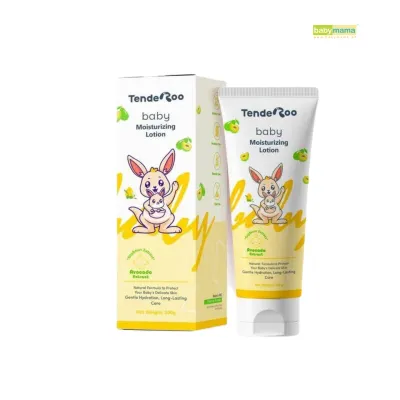
![[FDA Approved] Tenderoo Baby Moisturizing Lotion Avocado Plant Extract Gentle Safe Soothing 200ml](https://img.lazcdn.com/g/p/c4b1b26e9860d4042d490ad9bb21ae0e.jpg_400x400q80.jpg_.webp)
![[FDA Approved] Tenderoo Baby Moisturizing Lotion Avocado Plant Extract Gentle Safe Soothing 200ml](https://img.lazcdn.com/g/p/c537dad3153611e9e058bdbe2e97956d.jpg_400x400q80.jpg_.webp)
![【BUY 1 TAKE 1】Tenderoo Baby Moisturizing Lotion with Avocado Extract Gentle Soothing Care [ORIGINAL]](https://img.lazcdn.com/g/p/81a38c19d738308fa1a0f6871d63b2d1.png_400x400q80.png_.webp)

Prices are valid at publication and may change. Please refer to the product page for the latest price.
In warm, humid environments, newborn skin faces unique challenges. High humidity can trap moisture and sweat in skin folds, leading to heat rash or friction irritation, while air-conditioned nurseries can quickly strip away natural oils, leaving the skin dry and flaky. Consequently, any lotion applied to a newborn must support the skin barrier without clogging pores or introducing harsh substances that could trigger systemic absorption or localized contact dermatitis.
When evaluating any infant moisturizer, parents should look for formulations that are explicitly labeled as fragrance-free, hypoallergenic, and dye-free. Fragrances are among the most common triggers for skin allergies in infants, and even natural scents can cause adverse reactions. Hypoallergenic labels indicate that the product is formulated to minimize the risk of allergic reactions, though they do not offer an absolute guarantee of safety for every individual baby.
Before purchasing or applying Tenderoo lotion, it is essential to verify the manufacturer’s specifications and age recommendations directly on the packaging. Some baby products are designed for older infants or toddlers and may contain ingredients that are too robust for a newborn’s highly sensitive skin. Always look for clear indications that the product has been formulated specifically for newborns or infants from birth onward.
How to Evaluate Tenderoo Lotion Ingredients
To determine if Tenderoo lotion is appropriate for your newborn, you must locate and carefully read the ingredient list, which is typically found on the back of the physical bottle or packaging. Ingredients are listed in descending order of concentration, meaning the first few items make up the bulk of the product. If the ingredient list is not printed on the bottle, check the official brand website or contact the manufacturer directly before use.

When scanning the ingredient list, look out for common potential irritants that should ideally be avoided in newborn skincare. These include parabens, which are used as chemical preservatives, and phthalates, which are often used to soften plastics or stabilize fragrances. Additionally, synthetic fragrances, artificial colorants, and certain essential oils—such as lavender, tea tree, or citrus oils—can be highly irritating to a newborn’s respiratory system and skin barrier.
Many baby lotions feature claims such as “dermatologist-tested” or “pediatrician-approved” on their front labels. While these claims suggest that the product has undergone some level of professional evaluation, they are not standardized medical certifications. Parents should treat these claims as helpful indicators but still prioritize a thorough review of the actual ingredient list to ensure no known personal triggers are present.
If you encounter unfamiliar chemical names, complex compounds, or botanical extracts on the Tenderoo lotion label, pause and consult your pediatrician. A qualified healthcare professional can help decode the ingredient list and advise you on whether those specific components are safe for a newborn. Taking this precautionary step helps prevent unnecessary exposure to substances that could disrupt your baby’s delicate skin development.
Safe Application and Patch Testing for Babies
Before applying Tenderoo lotion to your newborn’s entire body, conducting a localized patch test is a critical safety measure. This simple test allows you to observe how your baby’s skin responds to the formulation on a very small scale, minimizing the risk of a widespread allergic reaction or severe irritation across the body.
To perform a patch test, select a small, discreet area of your baby’s skin, such as the inside of the elbow or the side of the upper arm. Apply a tiny, pea-sized amount of the lotion to this area and gently pat it in. Do not wash the area, and monitor it closely over a 24-hour to 48-hour period, looking for any signs of redness, swelling, tiny bumps, or dryness.
If the patch test reveals no adverse reactions, you can proceed with applying the lotion to other areas of the body. The best time to apply moisturizer is immediately after bath time, while the skin is still slightly damp. Gently pat your baby dry with a soft towel, leaving a hint of moisture on the skin, and then apply a very thin layer of lotion to lock in that hydration.
When applying the lotion, strictly avoid sensitive areas such as the face (unless the product is explicitly labeled as safe for facial use), the hands (as newborns frequently put their hands in their mouths), and any areas with broken skin, open scratches, or active diaper rash. Applying lotion to compromised skin can cause stinging, worsen irritation, or introduce unwanted chemicals directly into the bloodstream.
Warning Signs: When to Stop Using the Lotion
As a parent, you must remain vigilant for any visual or behavioral signs that your newborn is reacting poorly to Tenderoo lotion. Skin irritation can manifest quickly or develop gradually over several days of repeated use. Common visual indicators include localized redness, raised red bumps, dry or peeling patches, or a widespread rash.
Behavioral signs are equally important to monitor, as newborns cannot verbally communicate discomfort. If your baby becomes unusually fussy, restless, or attempts to rub their body against clothing or bedding shortly after you apply the lotion, they may be experiencing itching, burning, or stinging. Treat these behavioral changes as a signal that the product may not be suitable for their skin.
If you observe any signs of irritation, take immediate action to protect your baby’s skin. Gently wash the lotion off the affected area using lukewarm water and a mild, soap-free baby cleanser, taking care not to scrub the irritated skin. Pat the area dry with a clean, soft cloth, discontinue use of the lotion immediately, and do not apply any other new products to the irritated area.
While mild redness may resolve on its own once the product is removed, certain symptoms require prompt medical attention. Consult a pediatrician or a pediatric dermatologist if the rash spreads rapidly, develops blisters, oozes fluid, appears infected, or is accompanied by a fever. Additionally, always check the expiration date on your lotion bottle and store it in a cool, dry place away from direct sunlight to prevent the ingredients from degrading and causing irritation.
Frequently Asked Questions (FAQ)
Can I use Tenderoo lotion on my baby's face?
You should only use Tenderoo lotion on your baby’s face if the packaging explicitly states that it is formulated and safe for facial application. Facial skin is thinner and more sensitive than the skin on the rest of the body, making it highly susceptible to irritation and clogged pores. If the product is approved for facial use, apply a very small amount, taking extreme care to avoid the immediate eye and mouth areas to prevent accidental ingestion or eye irritation.
Is Tenderoo lotion suitable for babies with eczema?
If your newborn has eczema or highly compromised skin, you should consult your pediatrician or a pediatric dermatologist before applying Tenderoo lotion. Eczema-prone skin requires specialized, highly emollient barrier creams that are free from potential triggers. Look for products that carry official eczema association seals or certifications, and avoid introducing any new lotions during an active eczema flare-up unless specifically directed by a medical professional.
How often should I apply lotion to my newborn?
The frequency of lotion application should be guided by your pediatrician’s advice and your baby’s observable skin condition. In general, newborns do not require daily full-body moisturizing unless they have naturally dry skin or live in an environment that strips skin moisture, such as a constantly air-conditioned room. Applying a thin layer of moisturizer after their weekly baths is often sufficient to maintain a healthy skin barrier without overloading their delicate pores.

Community discussion
Share your experience or ask a question. Comments are reviewed before publication.