
Protecting your baby during dengue season requires a careful balance between effective mosquito defense and gentle skin care. Many parents in tropical climates look to botanical alternatives like the Tenderoo citronella patch to shield their little ones from bites without relying on synthetic chemicals. While these patches offer a convenient, hands-free way to diffuse natural scents, determining whether they are safe for your baby depends heavily on their age, how you apply them, and your baby’s individual sensitivities. Citronella is a widely recognized plant-based insect repellent, but its natural origin does not automatically make it universally safe for newborn skin or developing respiratory systems. To keep your infant protected, you must understand how to evaluate these patches, recognize potential adverse reactions, and integrate them into a broader, multi-layered defense strategy against dengue-carrying mosquitoes.
Understanding Citronella and Infant Skin Sensitivity
An infant’s skin is fundamentally different from adult skin, requiring a high level of caution when introducing any topical or aromatic product. During the first year of life, a baby’s skin barrier is still developing, making it thinner, more delicate, and highly permeable. This increased permeability means that any substance applied directly to the skin or kept in close contact with it is absorbed into the bloodstream much more rapidly than it would be in an adult. Because of this vulnerability, pediatricians generally advise extreme caution when introducing botanical extracts and essential oils to young babies.
While citronella is often marketed as a mild and natural alternative to synthetic chemical repellents, “natural” does not equate to “risk-free.” Essential oils are highly concentrated volatile organic compounds that can easily overwhelm a baby’s sensitive system. When these oils evaporate, they release strong aromatic molecules into the immediate environment. For a newborn or young infant, whose respiratory tract and immune system are still maturing, inhaling these concentrated vapors in enclosed spaces can trigger airway irritation or allergic sensitization. Understanding these physiological differences is the first step in making an informed decision about using citronella-based products.
Products mentioned in this guide
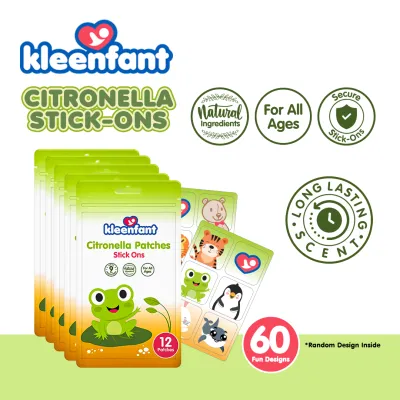
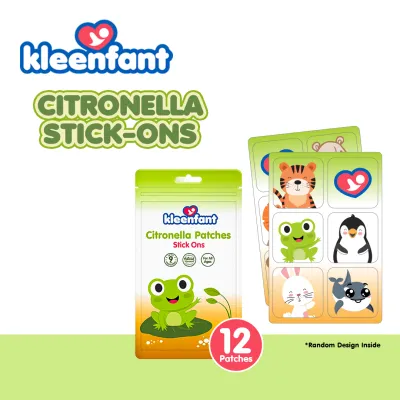
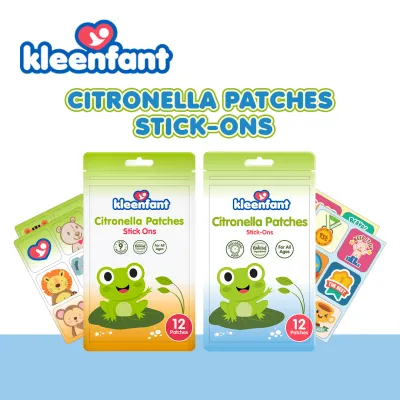
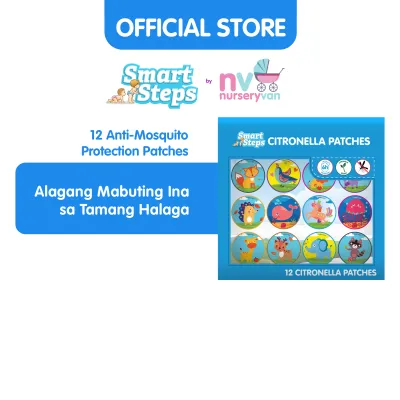
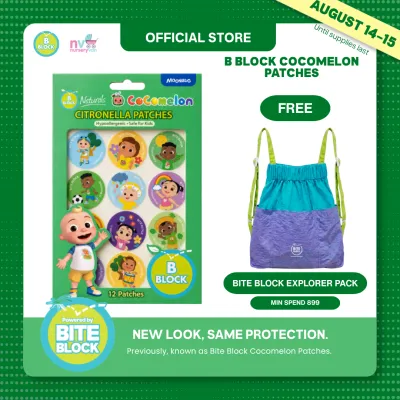
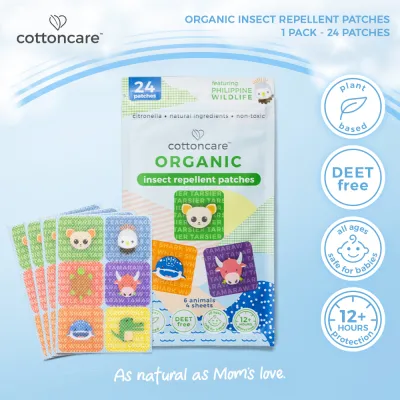
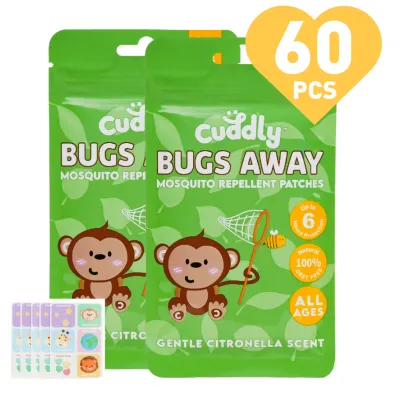
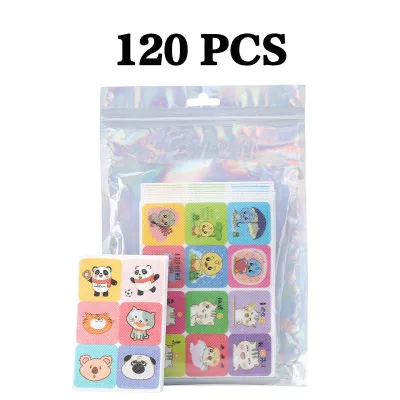
Prices are valid at publication and may change. Please refer to the product page for the latest price.
Evaluating Tenderoo Patches: What to Check on the Label
Before purchasing or applying any Tenderoo citronella patch, caregivers must carefully inspect the product packaging to verify its safety parameters. The most critical step is to locate and strictly follow the manufacturer’s stated minimum age recommendation. Many pediatric guidelines suggest avoiding the use of essential oil products on infants under a certain age, often six months or even two years, depending on the concentration. If the packaging does not explicitly state a safe minimum age, or if the labeling is vague, it is best to err on the side of caution and consult your pediatrician before use.

Next, examine the ingredient list closely to understand exactly what is in the product. You want to verify the concentration of citronella oil and check for the presence of other essential oils, such as eucalyptus or lemongrass, which may carry different age restrictions and sensitivity risks. Additionally, look at the adhesive components used on the back of the patch. Some patches use synthetic adhesives that can cause localized skin reactions if they accidentally come into contact with your baby’s skin or if the residue transfers to their clothing.
Finally, look for specific quality indicators, such as dermatological testing claims or safety certifications suitable for infant products. While these claims should always be verified rather than taken at face value, their presence indicates that the manufacturer has evaluated the formulation for sensitive skin. Be wary of products purchased from unverified online marketplaces, as counterfeit or poorly regulated patches may contain synthetic fragrances or industrial solvents not listed on the label. Stick to reputable retail channels where product sourcing and labeling standards are strictly maintained.
Potential Side Effects and Warning Signs
Even when using a botanical product like a citronella patch, parents must remain vigilant for potential side effects. The most common physical reaction associated with adhesive patches is contact dermatitis. This typically manifests as localized redness, swelling, itching, or even tiny blisters at the site where the patch was attached or where the adhesive residue touched the skin. If your baby has highly sensitive skin or an underlying condition like eczema, they may be more prone to these localized inflammatory reactions.
Respiratory irritation is another critical concern, particularly when patches are used in poorly ventilated spaces or placed too close to the baby’s face. The strong, distinctive scent of citronella is what deters mosquitoes, but those same volatile compounds can irritate an infant’s sensitive airways. Watch closely for signs of respiratory discomfort, such as sudden coughing, wheezing, rapid breathing, or watery eyes. These symptoms indicate that the concentration of the vapor is too high for your baby’s comfort and safety.
If you notice any of these warning signs, you must take immediate action to eliminate the exposure. Remove the patch immediately and move your baby to an area with fresh, clean air. For skin reactions, gently wash the affected area with mild baby soap and cool water to remove any lingering oils or adhesive residue. If the redness persists, if your baby seems in pain, or if you observe any breathing difficulties, seek immediate medical evaluation from a qualified pediatrician.
Safe Application and Placement Strategies
To minimize the risks of chemical absorption and physical irritation, proper application technique is essential. The most important rule when using Tenderoo citronella patches is to never apply them directly to your baby’s skin. Instead, attach the patch to the outside of your baby’s clothing, preferably in an area they cannot easily reach, such as the upper back or the outer shoulder. You can also apply the patches to external gear, such as the fabric canopy of a stroller, the outer frame of a playpen, or the perimeter of a crib, keeping the active vapor close enough to deter pests but far enough to prevent direct contact.
Physical safety is just as important as chemical safety when dealing with small adhesive objects. Babies are naturally curious and explore their world by putting objects in their mouths. A loose or poorly placed patch poses a serious choking hazard or risk of accidental ingestion. Ensure the patch is pressed down firmly onto a clean, dry fabric surface so it does not easily peel off. Always supervise your baby while they are wearing a patch, and inspect the patch regularly to ensure it remains securely attached and out of their reach.
Environmental conditions also play a major role in how these patches perform and affect your baby. In hot, humid tropical climates, the rate of essential oil evaporation increases, which can make the scent much stronger than it would be in a cooler environment. Always ensure the room or area where your baby is resting has adequate ventilation and air circulation. Avoid using multiple patches simultaneously in small, enclosed spaces like a closed car or a small, unventilated bedroom, as this can quickly lead to an overwhelming concentration of volatile organic compounds.
Complementary Dengue Protection Methods for Infants
While citronella patches can serve as a helpful supplementary tool, they should never be relied upon as the sole line of defense against dengue-carrying mosquitoes. The mosquitoes that transmit dengue are highly persistent, and botanical patches only offer localized, short-range deterrence. To provide comprehensive protection for your baby, especially during high-risk rainy seasons, you must implement a multi-layered approach that emphasizes physical and environmental barriers.
Physical barriers are the most reliable and risk-free way to protect infants from mosquito bites. Fitting your baby’s crib, playpen, and stroller with a fine, properly secured mosquito net creates an impenetrable physical shield without introducing any chemical or aromatic irritants. When outdoors or in areas where mosquitoes are active, dress your baby in light-colored, loose-fitting clothing that covers their arms and legs. Light colors are less attractive to mosquitoes, and loose fabrics make it more difficult for insects to bite through to the skin.
Environmental control is equally vital in reducing the local mosquito population around your home. Mosquitoes breed in clean, stagnant water, which can accumulate in even the smallest containers during the rainy season. Regularly inspect your surroundings and empty, cover, or eliminate standing water in flowerpots, gutters, pet bowls, and discarded containers. Ensuring that your home has well-maintained window and door screens further prevents mosquitoes from entering indoor living spaces, creating a safer environment for your entire family.
Frequently Asked Questions (FAQ)
Can I use Tenderoo patches on a newborn under two months?
It is highly recommended to avoid using citronella patches or any other essential oil-based products on newborns under two months of age. At this stage, an infant’s skin barrier is exceptionally thin, and their respiratory and immune systems are highly vulnerable to concentrated botanical vapors. Always check the product’s packaging for the manufacturer’s explicit minimum age label. Before introducing any type of insect repellent or aromatic patch to a newborn, consult your pediatrician to discuss the safest and most appropriate protective measures for their specific developmental stage.
What should I do if my baby gets a rash from the patch?
If you notice a rash, redness, or irritation near the area where the patch was applied, remove the patch immediately. Gently wash the affected skin with mild baby soap and cool water to remove any remaining essential oils or adhesive residue. Avoid applying any creams, lotions, or home remedies to the irritated area without professional guidance. Monitor the skin closely, and if the redness, swelling, or irritation does not improve within a day, or if it appears to worsen, contact your pediatrician for a proper medical evaluation.
Do citronella patches guarantee protection against dengue-carrying mosquitoes?
No, citronella patches do not guarantee absolute protection against dengue-carrying mosquitoes. Botanical repellents provide localized, short-range deterrence that diminishes as the essential oils evaporate, especially in hot and humid tropical climates. They are not a substitute for comprehensive mosquito control. For reliable protection during dengue season, patches should only be used as a secondary supplement alongside primary physical barriers, such as mosquito nets, protective clothing, and environmental measures to eliminate standing water around your home.
Community discussion
Share your experience or ask a question. Comments are reviewed before publication.