
Protecting your baby from mosquito bites is a top priority, especially during the humid rainy season when dengue risks rise. While Tendero mosquito patches offer a convenient, hands-free way to repel insects, determining if they are safe for your baby requires a close look at their active ingredients, age recommendations, and application methods. These patches are generally designed to be applied to clothing or gear rather than directly on delicate infant skin, making them a popular choice for parents seeking alternatives to topical sprays. However, safety is never automatic, and understanding how to evaluate these products is essential for protecting your little one.
To ensure your baby remains safe, you must verify the specific ingredients used in the patches, check the manufacturer’s age limits, and practice strict placement rules. Babies have highly sensitive skin and developing respiratory systems that can react to strong scents or adhesive materials. By learning how to read safety labels and implement physical barriers alongside or instead of patches, you can create a comprehensive defense against mosquitoes without exposing your infant to unnecessary risks.
Identifying Active Ingredients and Safety Labels
When evaluating Tendero mosquito patches, your first step should always be to locate and carefully read the active ingredient list on the product packaging. Manufacturers typically print this information on the back or side of the box, often accompanied by specific safety warnings and usage instructions. Because these patches are marketed for babies and children, they frequently utilize plant-based essential oils rather than synthetic chemical repellents. However, you should never assume a product is safe simply because it is labeled as natural or organic.
Products mentioned in this guide
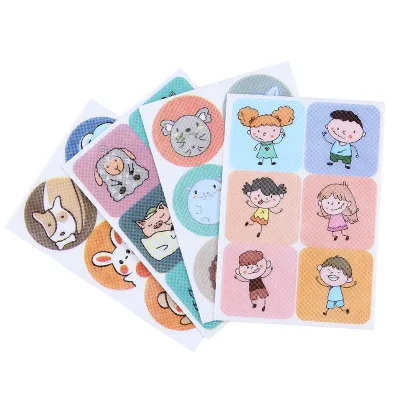
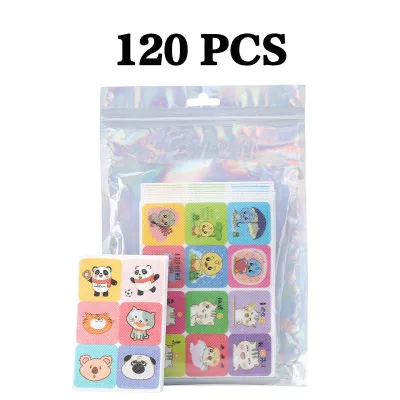
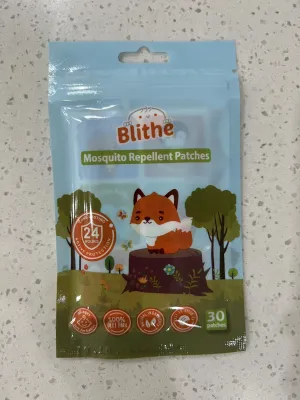
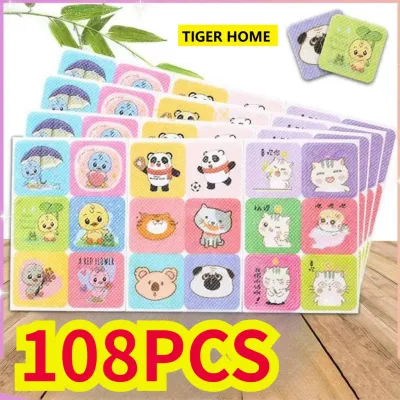
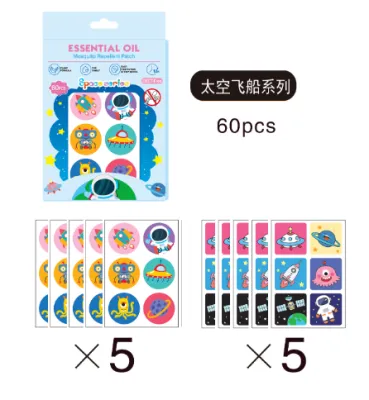
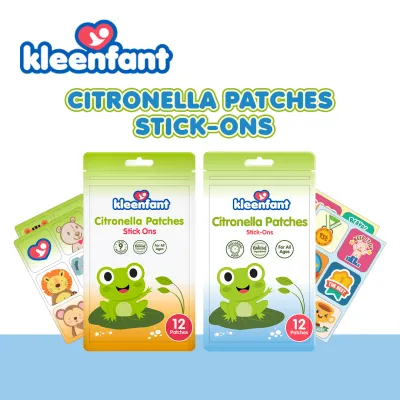
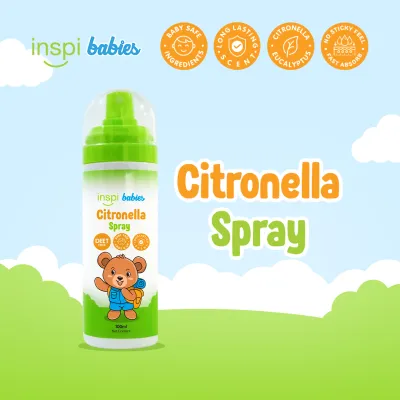
Prices are valid at publication and may change. Please refer to the product page for the latest price.
Common plant-based ingredients in mosquito patches include citronella, eucalyptus, and lemongrass oils. While these natural oils mask the scents that attract mosquitoes, they are highly concentrated and carry specific considerations for infant care. In contrast, synthetic chemical repellents like DEET or picaridin are clinically evaluated for topical use but are generally not recommended for infants under two months of age. Plant-based patches offer a non-topical alternative, but their safety depends on how the volatile oils interact with your baby’s environment.
One of the primary concerns with essential-oil-infused patches is the potential for respiratory irritation. Babies have sensitive, developing airways that can easily become overwhelmed by strong fragrances. In a warm, humid tropical climate, the rate of evaporation for these essential oils increases, which can concentrate the scent in enclosed spaces like a crib or a stroller. If you notice your baby coughing, sneezing, or showing signs of watery eyes after you apply a patch, the fragrance may be too intense for their respiratory system.
To minimize these risks, look for safety labels that specify the concentration of active ingredients and check for any warnings regarding inhalation or confined spaces. Avoid using multiple patches simultaneously in a small, unventilated room, as this can lead to an excessive buildup of strong vapors. Understanding the balance between repelling insects and protecting your baby’s breathing is crucial when choosing any scented protective product.
Checking Age Recommendations and Skin Sensitivity
Before purchasing or applying any mosquito patch, you must verify the manufacturer’s minimum age restriction, which is usually clearly printed on the packaging. These age limits are established based on the concentration of active ingredients and the developmental stage of the child. For newborn babies and infants under six months of age, many manufacturers advise against the use of scented patches or topical repellents altogether. Strictly adhering to these age guidelines is the simplest way to prevent adverse chemical exposures during your baby’s most vulnerable months.

Delicate infant skin is highly susceptible to contact dermatitis and adhesive irritation. Even if a patch is marketed as gentle, the adhesives used to keep the patch in place can cause redness, itching, or peeling if they come into contact with your baby’s skin. This is why mosquito patches are designed to be stuck onto fabrics rather than directly onto the body. However, accidental skin contact can still occur if a baby pulls a patch off or if a patch is placed on an area of clothing that rubs against bare skin.
If your baby has a history of sensitive skin or allergies, take extra precautions before introducing a new product. You can conduct a preliminary observation by applying a single patch to an external object, like the outside of a stroller canopy, while keeping your baby nearby. Observe your baby for any signs of discomfort, respiratory changes, or skin irritation over a few hours. This step allows you to evaluate how your baby tolerates the scent without risking direct physical contact.
If you observe any unusual behavior, such as fussiness or rubbing of the eyes, remove the patch immediately and ventilate the area. Remember that a baby’s immune system is still developing, and what might be a harmless scent to an adult can be a significant trigger for an infant. Taking a cautious, observational approach ensures that you do not inadvertently expose your baby to an allergen or irritant.
Safe Placement and Choking Hazard Prevention
To maximize the protective benefits of Tendero mosquito patches while minimizing physical and chemical risks, proper placement is absolutely critical. You should never apply a mosquito patch directly to your baby’s skin. The concentrated essential oils can cause chemical burns or severe irritation on bare skin, and the adhesive backing is not formulated for direct skin contact. Instead, always stick the patches onto clothing, strollers, baby carriers, or nearby furniture where the baby cannot easily touch them.
When applying a patch to clothing, strategic placement is key to preventing choking. Babies are naturally curious and explore their environment by putting objects in their mouths. A colorful, cartoon-designed patch can catch a baby’s eye, prompting them to peel it off and swallow it. To prevent this choking hazard, place the patch on the upper back of your baby’s shirt, completely out of their line of sight and reach. Alternatively, stick the patch to the underside of a stroller canopy, keeping it close enough to repel insects but far enough to remain inaccessible.
While the patch is in use, you must maintain active supervision and watch for any observable signs of an adverse reaction. If your baby begins to cough, wheeze, develop watery eyes, or show signs of skin redness where the clothing touches the patch, you must take immediate action. These symptoms indicate that the concentration of essential oils is too strong or that your baby is experiencing an allergic response to the vapors.
In the event of an adverse reaction, the exact condition requiring immediate removal of the patch is any sign of respiratory distress or localized skin irritation. Peel the patch off immediately, dispose of it safely in a closed trash bin where the baby cannot retrieve it, and move your baby to a well-ventilated area with fresh air. If the symptoms do not subside quickly, or if your baby shows signs of difficulty breathing, seek professional medical care right away.
Alternative Protection Methods for Infants
There are many scenarios where mosquito patches may not provide adequate coverage or may pose too high a risk for your individual baby. For instance, if your baby has severe respiratory sensitivities, asthma, or highly reactive skin, even the gentlest plant-based patches may be unsuitable. Additionally, during peak dengue season in highly infested areas, a single patch on a stroller may not offer sufficient full-body protection against aggressive day-biting mosquitoes. In these cases, relying solely on patches can leave your baby vulnerable to bites.
Fortunately, physical barriers provide highly effective, chemical-free protection that is completely safe for babies of all ages. Installing properly fitted mosquito nets over your baby’s crib, stroller, and playpen is one of the most reliable ways to keep insects at bay without introducing any scents or chemicals. When outdoors, dress your baby in lightweight, long-sleeved clothing and long pants made of breathable fabrics. This physical barrier physically blocks mosquitoes from reaching your baby’s skin while keeping them cool in warm, tropical weather.
Environmental controls in your home also play a vital role in reducing mosquito exposure. Ensure that window and door screens are intact to prevent mosquitoes from entering your living spaces. Using a fan in the room where your baby sleeps can also help, as the constant airflow disrupts a mosquito’s flight path and dilutes the carbon dioxide cues they use to locate hosts. Keeping your surroundings free of standing water where mosquitoes breed is another essential step in protection.
If physical barriers and environmental controls are not enough, or if you plan to travel to an area with high mosquito activity, you should consult your pediatrician. A qualified healthcare professional can recommend age-appropriate, clinically evaluated topical repellents that are safe for your baby’s specific age and weight. They can also provide personalized advice on how to safely apply these products and help you navigate the balance between insect protection and chemical safety.
Frequently Asked Questions (FAQ)
Can I apply a Tendero mosquito patch directly on my baby's skin?
No, you should never apply a Tendero mosquito patch directly to your baby’s skin. These patches are formulated with concentrated essential oils and adhesives that are designed exclusively for fabrics and hard surfaces. Direct skin contact can lead to chemical irritation, redness, or allergic reactions on your baby’s delicate skin. Always stick the patch onto your baby’s clothing, stroller, or nearby gear, ensuring it is placed in an area where they cannot reach or peel it off.
What should I do if my baby develops a rash near the patch?
If your baby develops a rash, redness, or skin irritation near the area where the patch was applied, you must remove the patch immediately. Carefully peel the patch off the clothing or surface and dispose of it safely out of your baby’s reach. Gently wash the affected skin with mild baby soap and cool water to remove any residual oils or adhesive residue. Monitor the area closely, and if the rash persists, spreads, or is accompanied by swelling or distress, consult your pediatrician for professional medical advice.
Are plant-based mosquito patches completely risk-free for infants?
No, plant-based mosquito patches are not completely risk-free for infants. While they do not contain synthetic chemicals like DEET, the concentrated essential oils used in these patches can still cause respiratory irritation or skin sensitivities in young babies. A baby’s developing airways can be sensitive to strong fragrances, especially in warm, unventilated spaces. Always check the manufacturer’s age recommendations, monitor your baby closely during use, and stop using the patches if you notice any signs of discomfort or breathing changes.
Community discussion
Share your experience or ask a question. Comments are reviewed before publication.