
Choosing the right baby wipe for sensitive skin in a warm, humid climate requires balancing effective cleansing with gentle formulation. While many parents consider Tender Love wet wipes as a budget-friendly option for daily diaper changes, determining how they compare to other brands depends entirely on your baby’s unique skin triggers and the specific ingredients listed on the packaging. There is no single baby wipe that works perfectly for every infant, as sensitive skin can react to different preservatives, fragrances, or fabric textures. To make an informed decision, caregivers must learn to evaluate Tender Love alongside alternative brands by analyzing physical characteristics, reading ingredient labels, and observing how the skin reacts during daily use. This guide provides a practical framework to help you compare these products systematically, ensuring your baby’s skin remains clean, dry, and free from irritation.
What to Look for When Comparing Sensitive Skin Wipes
When evaluating baby wipes for sensitive skin, the ingredient list on the back of the pack is your most reliable tool. Many commercial wipes contain synthetic fragrances, alcohol, or harsh preservatives like parabens and methylisothiazolinone, which can easily disrupt a baby’s delicate skin barrier. For sensitive skin, look for formulations that prioritize purified water and limit additives to mild, food-grade preservatives or soothing botanical extracts like aloe vera or chamomile. It is essential to verify that the product explicitly states it is alcohol-free and fragrance-free, as even natural scents can trigger contact dermatitis in highly sensitive infants.
The physical material and texture of the wipe also play a critical role in preventing skin irritation. In tropical climates where sweat and friction can quickly lead to chafing or heat rash, a rough or thin wipe can cause micro-tears in the skin during cleanup. High-quality sensitive wipes typically utilize thick, non-woven fabrics with embossed textures that lift messes efficiently without requiring excessive rubbing. When comparing brands, feel the fabric between your fingers to assess its softness and stretch; a wipe that tears easily or feels scratchy is likely to cause discomfort during frequent diaper changes.
Products mentioned in this guide
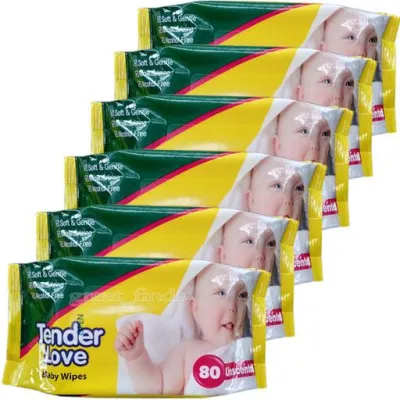
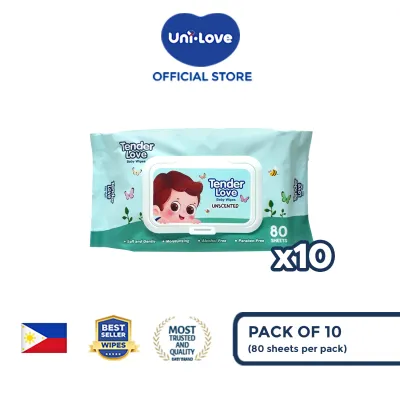
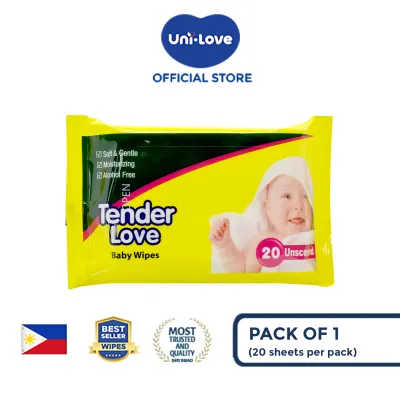
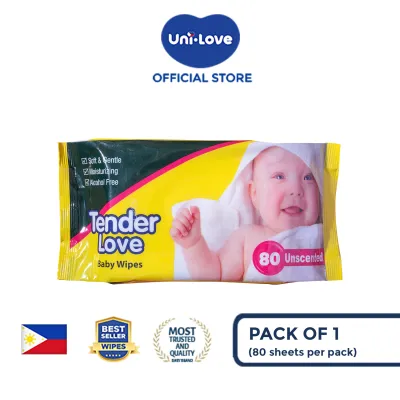
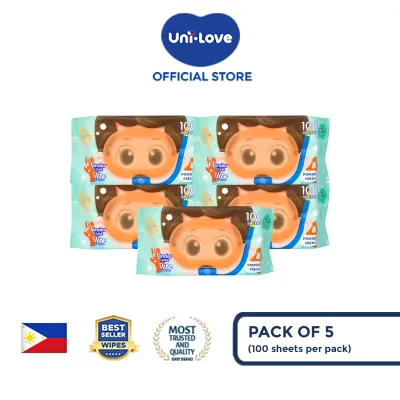
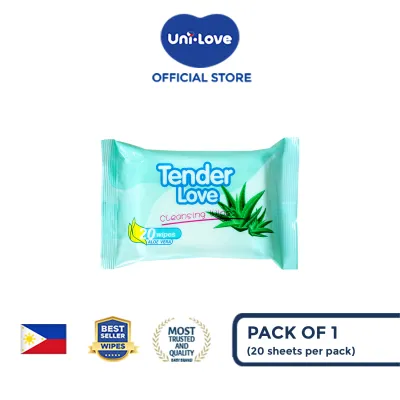
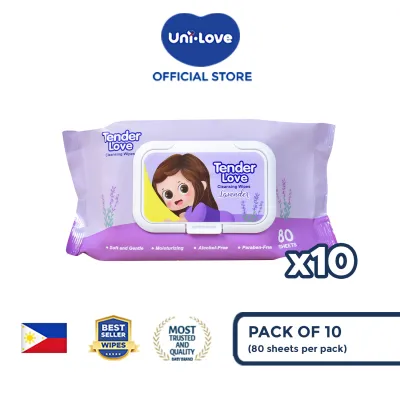
Prices are valid at publication and may change. Please refer to the product page for the latest price.
Finally, the moisture level and pH balance of the wipe are vital for maintaining a healthy skin barrier. Healthy baby skin has a slightly acidic pH, which helps protect against harmful bacteria and yeast infections. Wipes formulated to match this natural pH help preserve the skin’s acid mantle, especially when cleaning acidic diaper messes. The wipe should be sufficiently saturated to glide smoothly over the skin and dissolve residues, but not so wet that it leaves excess moisture trapped inside the diaper, which can lead to maceration and diaper rash in humid weather.
How to Verify Tender Love Wet Wipes Specifications
To determine if Tender Love wet wipes are suitable for your baby’s sensitive skin, start by locating the full ingredient list printed on the packaging. Rather than relying solely on front-of-pack marketing claims like “hypoallergenic” or “gentle,” turn the pack over to inspect the specific cleansing agents and preservatives used. Look for the presence of moisturizing elements, such as aloe vera or vitamin E, which are commonly added to help soothe dry skin. Ensure that the list does not contain drying alcohols or strong synthetic perfumes that could trigger a reaction on compromised skin.

Next, check the packaging for any specific testing claims or certifications. Manufacturers of sensitive skin products often print labels indicating that their formulas have undergone dermatological testing or pediatric evaluation. While these claims suggest a lower likelihood of irritation, caregivers should treat them as indicators to verify rather than absolute guarantees of safety. Look for clear statements regarding the absence of specific allergens, and check if the packaging specifies suitability for newborns or infants with highly reactive skin.
Once you open a new pack of Tender Love wipes, perform a physical inspection of the product. Pull a single wipe from the dispenser to observe how easily it separates from the rest; wipes that clump together can lead to contamination and waste. Assess the thickness of the sheet by holding it up to the light, and squeeze it gently to evaluate the moisture saturation. A well-formulated wipe should feel damp and soft to the touch, providing enough moisture to clean effectively without leaving a pooling residue on your baby’s skin.
How to Compare Tender Love with Other Brands
To make an objective comparison between Tender Love and alternative brands available in local supermarkets or online marketplaces, it is helpful to establish a structured evaluation checklist. This checklist should compare four primary dimensions: ingredient simplicity, material thickness, moisture retention, and overall value. By comparing these factors side-by-side, you can determine whether a premium water-based wipe or a budget-friendly option like Tender Love best serves your daily parenting needs.
One of the main distinctions you will encounter is the difference between water-based wipes and lotion-based wipes. Water-based wipes, which often advertise a 99% water formulation, are designed to mimic the gentleness of a damp cotton ball and are highly recommended for newborns or babies with active diaper rash. Lotion-based wipes, on the other hand, incorporate mild cleansing agents and emollients to help break down stubborn, oily messes while leaving a protective barrier on the skin. Consider your baby’s daily routine: water-based options may be preferable for frequent face and hand cleanups, while lotion-infused wipes might offer better protection against friction during heavy diaper cleanups.
Value assessment is another crucial factor, especially when managing a household budget. To calculate the true cost, avoid looking only at the retail price of the pack; instead, divide the total price by the number of sheets to find the price-per-wipe value (for example, comparing a pack that costs ₱1.20 per wipe against one that costs ₱2.50 per wipe). Keep in mind that a cheaper, thinner wipe may require you to use three or four sheets per change, whereas a thicker, slightly more expensive wipe might get the job done with just one. Evaluate how many wipes you actually use per diaper change to determine which brand offers the most practical long-term value.
Which Wipe Should You Choose for Your Baby?
Your final choice between Tender Love and other baby wipe brands should be guided by your baby’s skin tolerance and your specific usage scenarios. You may find that Tender Love is a highly suitable choice if your baby has normal to slightly sensitive skin, and the verified ingredients on the pack do not cause any visible redness or irritation. Its balance of affordability and standard cleansing properties makes it a practical option for daily, high-volume use, especially when paired with a protective diaper cream.
Conversely, you should opt for an alternative brand if your baby has extremely reactive skin, active eczema, or a history of contact allergies. In such cases, a minimalist, water-only wipe with medical-grade certifications or a pediatric-approved sensitive formula may be necessary to prevent flare-ups. If your baby’s skin barrier is already compromised, avoiding any added botanical extracts or complex preservative systems is often the safest path.
Before introducing any new wipe brand, always verify your baby’s skin status. If your child has a diagnosed skin condition, severe diaper dermatitis, or known allergies, consult a healthcare professional before switching products. Performing a patch test on a small, healthy area of your baby’s arm or leg for a few days can also help you observe any localized reactions before using the wipes for full diaper cleanups.
Safe Usage and When to Stop
Using baby wipes safely involves more than just choosing the right brand; proper application technique is essential to protect sensitive skin. When cleaning your baby, avoid rubbing or dragging the wipe across the skin, as physical friction can damage the delicate epidermal barrier, especially in hot and humid tropical conditions. Instead, use a gentle patting or sweeping motion to lift away messes. Always allow the skin to air-dry completely, or pat it dry with a clean, soft cloth before putting on a fresh diaper, as trapping moisture inside a tight diaper can quickly lead to yeast overgrowth and painful rashes.
Caregivers must remain vigilant for any observable signs of an adverse reaction. If you notice redness, dryness, a bumpy rash, peeling, or if your baby cries or flinches during wiping, discontinue use of the current wipe brand immediately. Persistent irritation indicates that the skin is reacting to either the physical friction of the wipe or a specific chemical ingredient in the formula.
If the skin reaction does not improve within a few days of stopping the wipes, or if you observe signs of infection such as blisters, pus, or extreme tenderness, stop using all commercial wet wipes entirely. Switch to using warm water and soft cotton balls or a gentle running tap to clean your baby, and consult a pediatrician or dermatologist promptly for a proper diagnosis and treatment plan.
Frequently Asked Questions (FAQ)
Can I use Tender Love wet wipes on a newborn's face and hands?
To determine if Tender Love wet wipes are safe for a newborn’s face and hands, you must carefully check the product packaging for specific age recommendations and approved areas of use. The skin on a newborn’s face is significantly thinner and more sensitive than the skin on their bottom, making it more susceptible to irritation from cleansing agents and preservatives. Regardless of the brand or formulation, always avoid using wet wipes near the baby’s eyes, nose, and mouth to prevent accidental ingestion or irritation of delicate mucous membranes. If the label does not explicitly state that the wipes are safe for facial use on newborns, it is best to use a soft washcloth dampened with plain warm water instead.
Are water-only wipes always better for sensitive skin than formulated wipes?
While water-only wipes are highly praised for their minimalist ingredient lists, they are not always the superior choice for every sensitive skin scenario. Water-only wipes lack the mild surfactants and emollients found in formulated wipes, which means they may require more physical friction and rubbing to clean sticky or oily diaper messes effectively. This increased friction can irritate sensitive skin and compromise the skin barrier. Formulated wipes that contain carefully selected, mild cleansing agents and soothing moisturizers can actually benefit dry or easily irritated skin by dissolving residues quickly with minimal wiping. The ideal choice depends on balancing the need for gentle ingredients with the need to minimize physical friction during cleanup.
Community discussion
Share your experience or ask a question. Comments are reviewed before publication.