
Parents in warm, humid climates like the Philippines often rely on baby powder to keep their infants comfortable, dry, and free from sweat rash, locally known as bungang-araw. When comparing talc and cornstarch, cornstarch-based powders are generally considered the safer choice for daily use. This preference is primarily due to the mineral purity concerns associated with talc mining. However, both types of powder carry physical inhalation risks for developing lungs, meaning safe application techniques are essential regardless of the ingredient you choose.
Understanding the Core Ingredients: Talc and Cornstarch
Talc is a naturally occurring mineral composed of magnesium, silicon, and oxygen. Mined from the earth, it is highly valued for its ability to absorb moisture, reduce friction, and prevent chafing. On the skin, talc has an incredibly silky, lightweight texture that glides effortlessly, making it a traditional favorite for keeping skin dry.
Cornstarch, on the other hand, is a plant-based starch derived from corn kernels. It is an organic compound that naturally absorbs moisture. When applied to the skin, cornstarch has a slightly heavier, denser feel than talc. If you rub it between your fingers, you might notice a subtle friction or squeak compared to the frictionless glide of mineral talc.
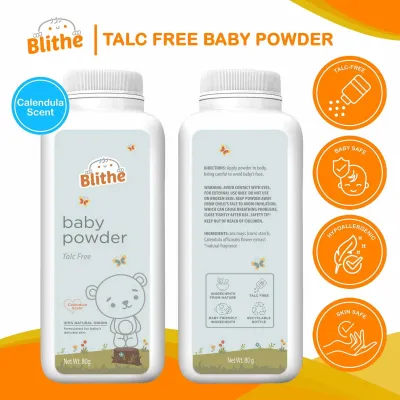
Products mentioned in this guide
![[BUY 2 FREE 1] Tender Care Pink Soft Baby Powder - Hypoallergenic & Dermatologically Tested 100g Value Pack of 3](https://img.lazcdn.com/g/p/ad2be73c4cad55275aa02c34d9e427fc.png_400x400q80.png_.webp)
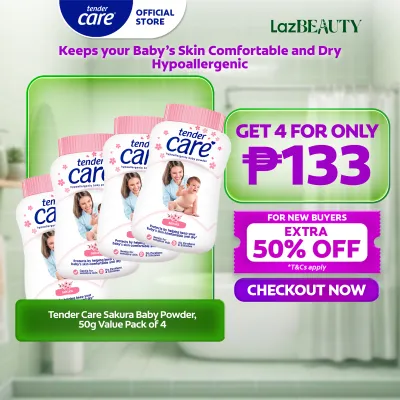
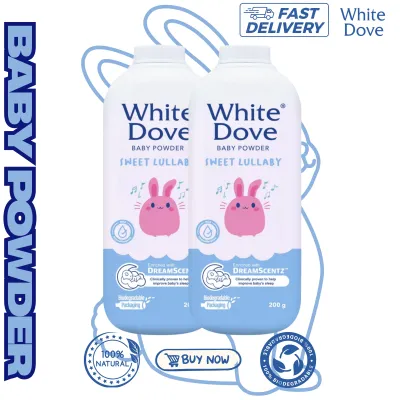
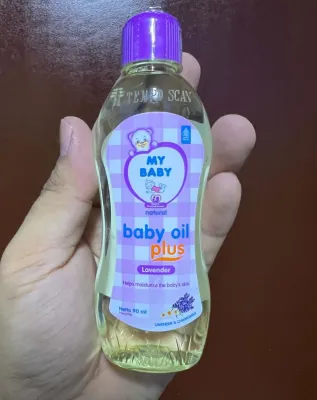
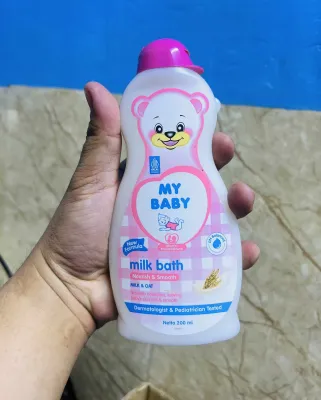
Prices are valid at publication and may change. Please refer to the product page for the latest price.
In tropical climates where humidity is constantly high, both ingredients serve to create a temporary barrier against sweat and friction. However, they interact with moisture differently. While talc repels water and keeps the surface dry, cornstarch absorbs wetness into its organic structure, which can lead to clumping if the skin is heavily saturated.
Evaluating Safety Concerns and Skin Compatibility
The most critical safety concern for any baby powder—whether mineral or plant-based—is the risk of inhalation. Babies have highly sensitive, developing airways. When powder is shaken into the air, it creates a fine dust cloud. If an infant inhales these microscopic particles, it can lead to respiratory irritation, coughing, or more severe breathing difficulties. Caregivers must treat both talc and cornstarch with equal caution regarding inhalation.

Talc-specific safety concerns center on the mining process. Because talc deposits in the earth often lie close to asbestos deposits, raw talc can sometimes be contaminated with asbestos, a known carcinogen. While cosmetic-grade talc is highly refined and tested to ensure it is asbestos-free, many parents prefer to avoid the mineral altogether to eliminate any potential risk. When choosing a talc-based product, it is vital to verify that the manufacturer explicitly guarantees rigorous testing for asbestos contamination.
Cornstarch-specific concerns are primarily dermatological rather than respiratory. Because cornstarch is a food-derived carbohydrate, it can serve as a nutrient source for fungi, particularly Candida albicans, the yeast responsible for severe diaper rashes. If your baby has an active yeast infection in the diaper area, applying cornstarch can trap moisture and feed the yeast, potentially worsening the rash. In these situations, a non-powder barrier cream is highly recommended.
How to Read Labels and Verify Product Safety
Navigating the baby care aisle requires a careful look at the ingredient panel. To identify talc-based products, look for terms like talc, talcum, magnesium silicate, or cosmetic talc. These are often listed as the primary active ingredient. If you prefer a plant-based option, look for Zea mays starch or cornstarch at the top of the list.
When evaluating talc products, search the packaging for explicit statements regarding purity. Reputable manufacturers will state that their product is asbestos-free or meets USP (United States Pharmacopeia) cosmetic-grade standards. If a label lacks clear quality-assurance claims or does not specify the purity grade of the mineral, it is best to choose an alternative.
Many baby powders feature labels like pediatrician-tested, dermatologist-approved, or hypoallergenic. While these terms suggest a level of safety, they are not standardized medical guarantees. Hypoallergenic simply means the product is formulated to minimize the risk of allergic reactions, but it does not eliminate the physical risk of inhalation or the potential for yeast growth. Always read the full ingredient list rather than relying solely on front-of-package marketing claims.
Safe Application Techniques and Alternatives
If you choose to use baby powder, modifying how you apply it can significantly reduce safety risks. Never shake the powder container directly onto your baby’s body or face. Instead, step slightly away from your infant, shake a small amount of powder directly into your own hands, and gently pat your hands together to settle any airborne dust. Once the dust has cleared, gently smooth the powder onto your baby’s skin folds, focusing on areas prone to chafing like the thighs and neck.
Always store baby powder completely out of reach of children. Toddlers can easily open containers and create accidental dust clouds, leading to severe inhalation injuries. Additionally, closely monitor your baby during and after application. If you observe any signs of respiratory discomfort, such as coughing, sneezing, rapid breathing, or flared nostrils, stop using the powder immediately and seek medical attention.
In many cases, modern pediatric guidelines suggest moving away from powders entirely in favor of safer moisture barriers. For diaper rash prevention and skin protection, liquid barrier creams, zinc oxide ointments, or pure petroleum jelly are highly effective. These products do not pose an inhalation risk and provide a more durable shield against wetness. For tropical heat rash, keeping the skin clean, dry, and dressed in breathable cotton clothing is often the safest and most effective approach.
Frequently Asked Questions (FAQ)
Can I use regular kitchen cornstarch for my baby?
Using regular kitchen cornstarch on your baby’s skin is not recommended. While it is the same basic plant source, kitchen cornstarch is milled for cooking rather than cosmetic use. It has a larger, more irregular particle size that can easily clump, trap moisture, and cause friction rather than reducing it. Furthermore, food-grade cornstarch is not sterilized for topical application on delicate skin and lacks the soothing, skin-compatible additives found in formulated baby powders.
Is it safe to apply powder near a newborn's umbilical cord stump?
No, you should never apply baby powder of any kind near a newborn’s umbilical cord stump. The stump must be kept completely clean and dry to heal and detach naturally. Applying powder to this area can trap moisture, introduce foreign particles into the healing tissue, and increase the risk of irritation or infection. Stick to standard cord care practices, such as keeping the area exposed to air and cleaning it only as directed by your pediatrician. If you notice redness, swelling, or discharge around the stump, consult a healthcare professional immediately.
Community discussion
Share your experience or ask a question. Comments are reviewed before publication.