
When choosing between talc and cornstarch baby powder, cornstarch is generally considered the safer option for your baby’s skin because it is a plant-derived ingredient free from the historical contamination risks associated with talc. However, safety is not determined by the base ingredient alone. Both types of loose powder carry respiratory risks if inhaled, and both require careful application and monitoring, especially in hot, humid tropical climates where sweat and friction are daily challenges.
To make the best decision for your infant, it is essential to understand how these ingredients behave on the skin, the physical risks associated with airborne particles, and the practical alternatives available for maintaining a healthy skin barrier.
Understanding the Core Differences Between Talc and Cornstarch
Talc is a naturally occurring mineral composed of magnesium, silicon, and oxygen. When mined and processed into a fine powder, it is highly valued for its ability to reduce friction, absorb moisture, and provide a silky, smooth texture that glides easily over delicate skin.
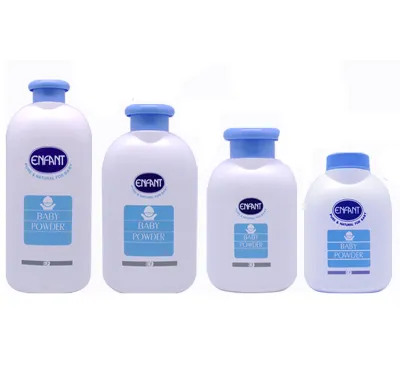
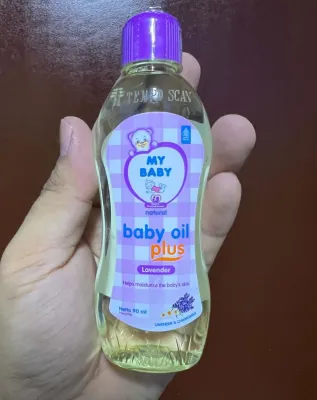
Products mentioned in this guide
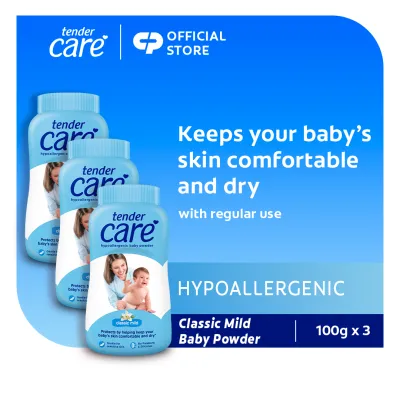
![[BUY 2 FREE 1] Tender Care Pink Soft Baby Powder - Hypoallergenic & Dermatologically Tested 100g Value Pack of 3](https://img.lazcdn.com/g/p/1a198013be52a2f9fc4725516f9fb01d.png_400x400q80.png_.webp)
![[BUY 1 FREE 1] Tender Care Classic Mild Baby Powder - Hypoallergenic & Dermatologically Tested 200g x2](https://img.lazcdn.com/g/p/302bc979d85a5d59e97e49efef54084b.png_400x400q80.png_.webp)
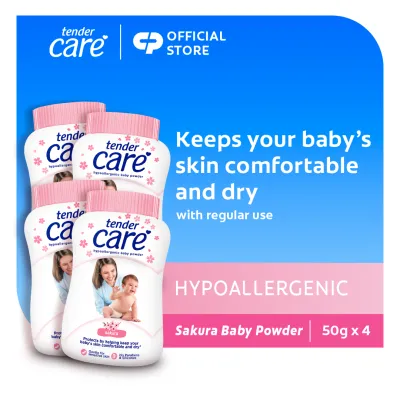
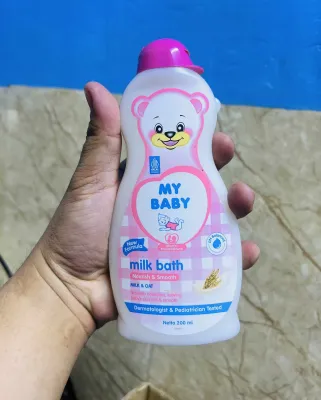
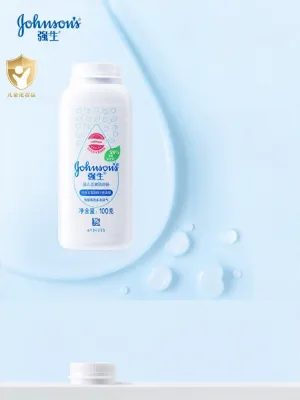
Prices are valid at publication and may change. Please refer to the product page for the latest price.
Cornstarch, by contrast, is a plant-based ingredient milled from the endosperm of corn kernels. It consists of natural carbohydrate polymers that are highly effective at absorbing moisture, though its physical texture is slightly heavier and more granular than the ultra-fine slip of mineral talc.
While both ingredients are used to keep skin dry, they interact with moisture differently. Talc tends to repel water and remain powdery on the surface, whereas cornstarch absorbs moisture directly into its organic structure. In conditions of heavy sweating, this absorption can cause cornstarch to clump more readily than talc.
Because packaging designs can look remarkably similar, caregivers should always inspect the product ingredient list to verify the primary base material. Look for “talc” or “zea mays (corn) starch” near the top of the ingredient list before making a purchase.
Evaluating Safety and Skin Compatibility
Delicate infant skin is highly sensitive and prone to irritation, particularly in warm climates where sweat and friction frequently lead to heat rash, commonly known as bungang-araw. Choosing the right powder requires understanding how these ingredients interact with your baby’s skin barrier under different environmental conditions.

Talc-Based Powders: What Parents Need to Know
The primary safety concern surrounding talc stems from its geological origin. Because natural talc deposits in the earth can occur in close proximity to asbestos veins, raw talc is at risk of cross-contamination with asbestos, a known carcinogen, during the mining process.
To address this risk, cosmetic manufacturers must use highly refined, cosmetic-grade talc that is certified to be asbestos-free. When evaluating talc-based products, parents should look for explicit packaging statements or manufacturer documentation confirming that the formulation has been tested and verified as asbestos-free.
Talc-based powders may be suitable for keeping dry, friction-prone areas comfortable, but they should be monitored closely. If you notice any signs of skin irritation, redness, or unusual dryness, stop using the product immediately and keep the skin bare to recover.
Cornstarch-Based Powders: Benefits and Limitations
Cornstarch-based powders offer a plant-derived alternative that completely eliminates the risk of asbestos contamination. This makes them a popular choice for daily moisture absorption and friction prevention in warm, humid environments where babies sweat frequently.
However, cornstarch has a notable limitation in persistently damp environments, such as a wet diaper. Because cornstarch is an organic carbohydrate, it can serve as a food source for naturally occurring fungi and yeasts, such as Candida, when mixed with sweat and urine.
If a baby is prone to yeast-based diaper rashes, applying cornstarch powder can inadvertently encourage fungal growth and worsen the infection. If you observe a bright red rash with defined borders or small red spots in the skin folds, stop using the powder immediately and consult a pediatrician.
The Inhalation Risk: A Crucial Safety Consideration
Regardless of whether you choose talc or cornstarch, the physical form of loose powder poses a significant respiratory hazard. Infants have small, rapidly developing airways and highly sensitive lungs, making them exceptionally vulnerable to inhaling fine airborne particles.
When loose powder is shaken or dusted onto a baby, it creates an invisible cloud of fine particles. If inhaled, these particles can travel deep into the baby’s lungs, leading to respiratory irritation, coughing, choking, or even chronic lung issues over time.
Because of this physical risk, pediatric health organizations generally advise against the routine use of loose baby powders. The danger of inhalation exists for both mineral and plant-based powders, meaning cornstarch is not a safer respiratory alternative to talc if it is allowed to become airborne.
To minimize this risk, caregivers must practice strict application safety. Never shake powder directly onto the baby’s body, and always keep the container well away from the baby’s face, hands, and any active drafts or fans in the room.
How to Choose and Use Baby Powder Safely
If you decide to use baby powder, start by carefully reading the product label. Verify the ingredient list, check for manufacturer warnings, and ensure the product is specifically formulated for infants rather than adults.
When applying the product, ensure you are in a well-ventilated area, preferably away from direct fan breezes that can scatter the particles. Pour a small, controlled amount of powder directly into your palm, away from the baby, and rub your hands together to minimize loose dust before gently patting it onto the baby’s skin folds.
Focus application only on areas prone to chafing, such as the outer thighs or neck folds, and avoid applying powder directly to the face or genital area. Keep the powder container closed and strictly out of reach of children during and after use.
Establish clear stopping conditions for powder use. If your baby begins to cough, sneeze, or show signs of respiratory discomfort during or after application, discontinue use immediately. Similarly, if the skin develops redness, dry patches, or a worsening rash, stop applying the powder and seek medical advice.
Alternatives to Traditional Baby Powders
For parents who prefer to avoid the risks associated with loose powders entirely, several highly effective, powder-free alternatives are available. These products provide excellent friction protection and moisture control without the danger of inhalation.
Diaper creams containing zinc oxide, petroleum jelly, or thick barrier lotions work by creating a physical shield over the skin. This barrier prevents moisture from urine and sweat from directly contacting the baby’s delicate skin, reducing the likelihood of diaper rash.
The most effective way to prevent skin irritation in tropical climates is to maintain a clean and dry diaper area. Frequent diaper changes, gentle wiping with water, and allowing the skin to air-dry completely before putting on a new diaper are the foundations of healthy infant skin care.
Select your barrier products based on your baby’s current skin condition. For daily prevention, a light barrier cream or petroleum jelly is often sufficient, while active rashes may require specialized pediatric-approved treatments.
Frequently Asked Questions (FAQ)
Can I use adult powder on my baby?
It is not recommended to use adult powders on infants. Adult formulations often contain strong synthetic fragrances, cooling agents like menthol, or other chemical additives that can easily irritate a baby’s highly sensitive skin barrier. Always choose products specifically formulated, tested, and labeled for infant use.
How do I apply powder without creating a dust cloud?
To prevent a dust cloud, never shake the bottle directly over your baby. Instead, dispense a small amount of powder into your own hand or onto a slightly damp cloth while standing a safe distance away from the infant. Gently pat the product onto the targeted skin folds rather than sweeping or dusting it across the body.
Community discussion
Share your experience or ask a question. Comments are reviewed before publication.