
Selecting the right tape diaper for your baby in the Philippines involves matching the diaper’s physical design—such as waistband stretch, core thickness, and tab flexibility—to your baby’s unique body shape, skin sensitivity, and your household’s daily routine. While Summiko, Pampers, Equator, and Huggies all offer tape-style options, there is no single diaper that works perfectly for every infant. Instead, each brand emphasizes different structural features, ranging from ultra-thin cores designed for tropical humidity to high-capacity padding or budget-friendly bulk packaging.
In a warm and humid climate, managing moisture and ensuring a secure, non-chafing fit are critical to keeping your baby comfortable and preventing skin irritation. By focusing on observable design elements and verifying manufacturer specifications on the packaging, you can systematically identify which diaper provides the right balance of protection, comfort, and value for your family.
How to Evaluate Tape Diapers: Key Decision Factors
When comparing tape diapers, looking past the marketing claims on the box and focusing on concrete design elements will help you make an objective choice. Absorbency is one of the most critical factors, but it should not be measured by capacity alone. A high-quality diaper must also distribute moisture evenly across the padding. In tropical climates, diapers that pool liquid in a single spot can quickly sag, pulling the waistband down and creating gaps around the thighs where leaks can easily occur. Look for cores with structured channels that guide liquid away from the skin and distribute it along the length of the diaper.
Products mentioned in this guide
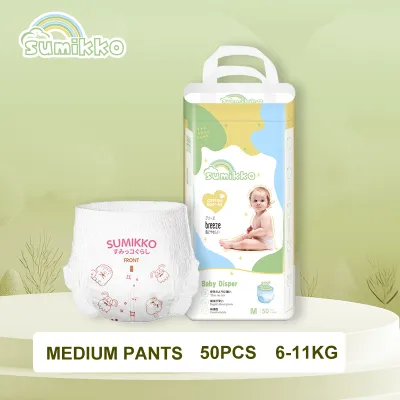
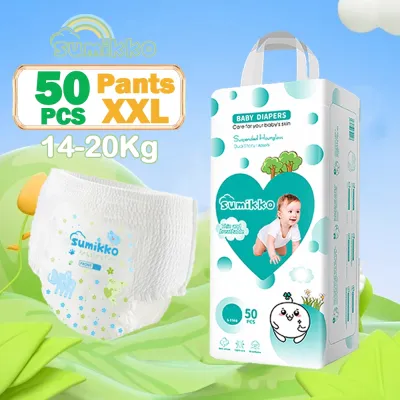
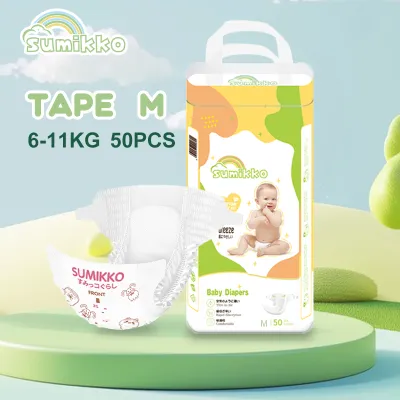
Prices are valid at publication and may change. Please refer to the product page for the latest price.
Fit and comfort are equally dependent on the diaper’s physical construction. Pay close attention to the flexibility of the side tabs and the stretch of the waistband. Stretchy side panels allow you to customize the fit around your baby’s waist as they transition between sitting, crawling, and lying down. Additionally, inspect the height and softness of the leg cuffs. These double-layered barriers must stand upright to catch liquid, but they must also be soft enough to prevent friction and red marks on chubby thighs.
Sizing is another area where parents must exercise caution, as dimensions vary significantly between manufacturers. A “Medium” diaper in one brand may have a completely different fit and weight range than a “Medium” in another. Always consult the manufacturer’s weight and size guide printed on the packaging as your primary reference. Because babies of the same weight can have vastly different body shapes, these guides should be treated as starting points rather than absolute rules.
Brand Profiles: What to Expect from Each Tape Diaper
Understanding the general design philosophy and physical construction of each brand helps narrow down your choices. Each manufacturer uses different materials, core structures, and fastening systems to address different parenting priorities. To ensure compatibility with your baby’s skin, always inspect the physical packaging for specific material lists, dermatological testing certifications, or fragrance-free labels.

Summiko Tape Diapers
Summiko tape diapers are characterized by their focus on a lightweight, modern construction. The brand typically utilizes a thin, compressed core designed to minimize bulkiness, which can be highly beneficial in hot and humid weather. This slim profile aims to allow more freedom of movement for active babies while keeping the overall diaper less noticeable under clothing.
The fastening tabs on Summiko diapers are designed to be soft and repositionable, allowing caregivers to adjust the fit multiple times during a change without tearing the outer cover. When evaluating these diapers, check the packaging for specific breathability claims, such as micro-porous backsheets that allow air circulation. Always verify the recommended weight range on the pack, as slim-profile diapers require a precise fit to prevent leaks during active play.
Pampers Tape Diapers
Pampers tape diapers are widely recognized for their emphasis on a slim-fit core and highly flexible side panels. The brand’s design philosophy often centers on minimizing wetness contact with the baby’s skin through specialized topsheets and distribution layers. This focus makes them a popular choice for parents looking to maintain skin dryness during long stretches, such as overnight sleep.
It is important to verify the specific product line you are purchasing, such as premium or standard variants, as the materials, softness, and specific features can differ significantly within the brand. Some lines feature wetness indicators and extra-stretchy tapes, while others focus on basic, reliable protection. Check the packaging details to confirm which features are included in your selected pack.
Equator Tape Diapers
Equator tape diapers generally position themselves as a practical, value-oriented option for families. They are commonly available in bulk packaging, making them a frequent choice for daytime use when frequent diaper changes are necessary to maintain hygiene. The design typically features a straightforward, functional core that prioritizes reliable daily containment.
When examining Equator diapers, pay close attention to the physical construction of the leak-guard barriers and the adhesion strength of the fastening tabs. Because value-focused brands may use different materials to manage costs, checking the softness of the inner lining and ensuring the tabs hold securely during active play is key to preventing accidental slips or leaks.
Huggies Tape Diapers
Huggies tape diapers are characterized by their robust construction, often featuring a distinct pocketed waistband designed to help trap runny messes at the back. The inner lining frequently incorporates textured patterns or embossed sheets intended to draw moisture away quickly. This structural design is particularly favored for newborns and infants who are still on a fully liquid diet.
The waistband on Huggies diapers tends to have a snug, elastic feel, which provides a secure fit but may require careful sizing. Caregivers should consult the specific size chart on the box, as the snugger waistband design means some babies might transition to the next size up sooner than they would in brands with flatter, more relaxed waistbands.
Feature-by-Feature Comparison Checklist
To make an informed decision, it is helpful to compare these brands side-by-side using observable physical traits and packaging specifications. Use the following checklist to evaluate diapers before and after purchase:
- Weight Range and Sizing: Check the weight limits printed on the packaging. If your baby is near the upper limit of a size range, it is often wise to size up, especially if you notice frequent leaks or red marks.
- Wetness Indicators: Look for a color-changing line on the outside of the diaper. This feature is highly convenient for quick visual checks without having to unfasten the tabs, particularly during outings or nighttime.
- Tab Refastening Capability: Test how well the adhesive or hook-and-loop tabs stick after being opened and closed multiple times. High-quality tabs allow you to check for wetness and readjust the fit without losing grip.
- Price per Piece (₱) Evaluation: To manage your household budget, calculate the cost per diaper rather than comparing total pack prices. Use this simple formula:
Price per Piece = Total Pack Price (₱) / Number of Diapers in the Pack
Compare this rate across different pack sizes (such as small travel packs versus mega boxes) at your local retail shops or online marketplaces to find the most economical option. - Post-Purchase Observation Checklist: After putting a new diaper brand on your baby, monitor their skin and comfort over a few hours. Check for:
- Red marks or deep indentations around the thighs or waist, which indicate the diaper is too tight or the elastic is too stiff.
- Sagging or drooping when the diaper is only slightly wet, which suggests the core is not distributing moisture effectively.
- Dampness on the baby's skin during a change, indicating the topsheet is not keeping moisture away.
- Any signs of skin irritation or redness, which warrant stopping use and consulting a pediatrician.
Which Brand Should You Choose? (Decision Framework)
Selecting the right diaper involves matching these design characteristics to your baby’s daily routine and physical build. Consider the following guidelines to help guide your choice:
- Choose Summiko if: You prefer a very slim, lightweight diaper that minimizes bulk under clothing, making it highly suitable for hot, humid days when your baby is active and moving around frequently.
- Choose Pampers if: Your primary goal is maintaining skin dryness during long periods, such as overnight sleep, and you prefer a highly flexible, body-hugging fit with stretchy side panels.
- Choose Equator if: You are looking for a practical, budget-friendly option for frequent daytime changes, allowing you to maintain a fresh diaper without high per-piece costs.
- Choose Huggies if: Your baby is prone to back leaks or runny messes, and you want a diaper with a structured, pocketed waistband and a textured inner lining to trap wetness quickly.
Verify first if: Your baby has highly sensitive skin or a history of diaper rash. Before committing to any brand, inspect the packaging for dermatological testing, hypoallergenic certifications, or fragrance-free labels. If your baby experiences persistent skin irritation, stop using the product immediately and consult a qualified healthcare professional.
The Golden Rule of Diaper Testing: Never buy a massive bulk box of a new brand right away. Always purchase the smallest available travel pack or trial pack first. This allows you to test the fit, absorbency, and skin compatibility on your baby under real-world conditions before making a larger financial commitment.
Frequently Asked Questions (FAQ)
How do I know if a tape diaper is the right size for my baby?
While the manufacturer’s weight guide on the packaging is your primary reference, you should also perform physical checks during use. A properly fitting diaper should sit symmetrically on your baby’s body. You should be able to slide two fingers comfortably between the diaper’s waistband and your baby’s tummy. Additionally, check the leg cuffs; they should wrap snugly around the thighs without leaving deep red marks or indentations. If you notice frequent leaks, blowout messes, or if the fastening tabs have to be secured at the very outer edges of the landing zone, it is time to transition to the next size up.
When should I switch from tape diapers to pants-style diapers?
The transition from tape diapers to pants-style diapers depends on your baby’s developmental stage and mobility rather than a strict age limit. Consider switching when your baby becomes highly active and starts rolling over, crawling, or standing up during diaper changes, making it difficult to secure tape tabs properly. Pants-style diapers can be pulled up quickly while the baby is standing or moving. However, if your baby is still cooperative during changes, or if you prefer the highly adjustable waist fit that tape diapers provide, you can comfortably continue using tape-style options.

Community discussion
Share your experience or ask a question. Comments are reviewed before publication.