
When comparing Sumikko wipes to other popular baby wipe brands, there is no single “best” option for every family. The right choice depends on your baby’s skin sensitivity, the specific messes you are cleaning, and your household budget. Rather than relying on marketing claims, evaluating wipes requires checking physical thickness, moisture retention, ingredient labels, and the true cost per sheet. This guide provides a practical framework to help you assess Sumikko wipes against competing options and determine which offers the most reliable value for your daily routine.
In the Philippines, where tropical heat and high humidity are constant factors, choosing the right baby wipe is more than a matter of convenience. Warm weather can exacerbate skin friction and diaper rash, making the physical and chemical properties of a wipe incredibly important. By learning how to analyze these products objectively, you can protect your baby’s skin barrier while keeping your household expenses manageable.
Core Metrics for Comparing Baby Wipes
To make an objective comparison between Sumikko wipes and other popular brands, you must first understand the core physical and chemical metrics that dictate how a wipe performs. The most critical factor is the material composition. Most baby wipes are made from non-woven fabrics, typically a blend of polyester and viscose or cotton. The ratio of these fibers determines the wipe’s softness, strength, and environmental impact. A higher percentage of natural fibers or viscose generally yields a softer sheet, whereas polyester adds durability and tear resistance.
Products mentioned in this guide
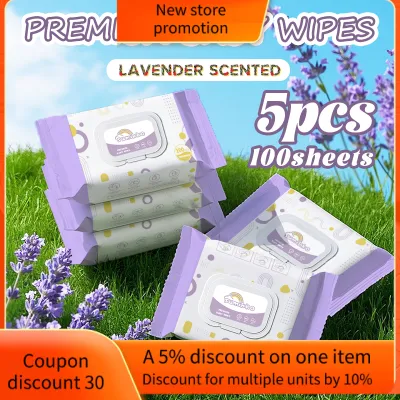
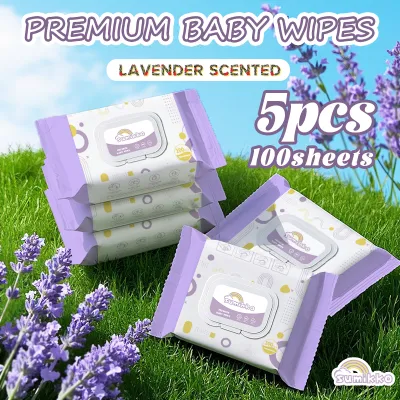
Prices are valid at publication and may change. Please refer to the product page for the latest price.
Another key metric is the ply count and fabric weight, often measured in grams per square meter (GSM). A higher GSM indicates a thicker, denser wipe that can absorb more liquid and shield your hands from messes during diaper changes. Single-layer sheets are common, but some premium brands utilize dual-layer or multi-layered structures to trap dirt more effectively.
Moisture retention and liquid distribution are equally vital. A high-quality wipe must hold enough liquid to cleanse without dripping, and that moisture must remain evenly distributed throughout the pack. This performance relies heavily on the packaging seal quality. In tropical climates, a flimsy sticker seal will quickly lose its adhesive properties due to humidity and dust, leading to dried-out, unusable wipes. Look for robust plastic flip-top lids with secure inner seals to ensure the product remains fresh from the first sheet to the last.
Checking Thickness and Moisture in Real Use
While packaging labels often boast about thickness and wetness, the most reliable way to compare Sumikko wipes with other brands is through simple, hands-on testing at home. You can perform a visual and tactile check by pulling a single wipe from the pack and holding it up to a light source. Observe the density of the fibers; a high-quality wipe will show a tight, uniform weave without obvious thin spots or gaps.

Next, test the wipe’s tear resistance and elasticity by pulling it gently in both horizontal and vertical directions. Wipes made with cross-laid fibers will stretch evenly without tearing easily or pilling. Pilling is a common issue where friction causes the fabric to break down into tiny lint balls, which can cling to your baby’s skin and cause irritation.
To evaluate moisture distribution, perform a squeeze test. Take a wipe from the top of a newly opened pack and squeeze it over a clean surface. Note how many drops of liquid are released. Repeat this test with a wipe from the middle of the pack. Ideally, the wetness should be consistent. If the top wipes feel dry while the bottom of the pack is waterlogged, the formulation lacks proper binding agents, or the packaging design is failing to prevent evaporation.
Finally, pay attention to the surface texture. Many modern wipes feature embossed patterns, such as raised dots, honeycombs, or pearl textures. These physical patterns are not just cosmetic; they create friction that helps lift stubborn, sticky messes off the skin with fewer strokes, reducing the need for repetitive wiping that can cause redness.
Calculating True Cost and Daily Value
Evaluating the financial value of baby wipes requires looking past the upfront price of a package. A pack of wipes that costs less on the shelf may actually end up costing you more over time if the individual sheets are small, thin, or dry out quickly. To find the true value, you must calculate the cost per sheet.
To perform this calculation, divide the retail price of the package by the total number of wipes inside. For example, if a pack costs ₱120 and contains 80 sheets, the cost per sheet is ₱1.50. Compare this figure across Sumikko wipes and other popular brands to establish a baseline for your budget.
However, cost per sheet is only half of the equation; you must also factor in sheet dimensions and thickness. If a cheaper brand offers sheets measuring 12 by 15 centimeters, you may find yourself using three or four wipes per diaper change to avoid getting your hands dirty. Conversely, a larger wipe measuring 15 by 20 centimeters with a higher GSM might allow you to complete the same diaper change with a single sheet. In this scenario, the more expensive wipe per sheet actually delivers better daily value.
Be cautious of bulk-buy promotions on online marketplaces. While purchasing cartons of wipes can lower the cost per sheet significantly, it introduces the risk of storage degradation. If the packaging seals are not highly durable, the wipes stored in your pantry may dry out before you have a chance to use them. Only invest in bulk quantities once you have verified that the brand’s packaging can withstand long-term storage in warm, humid conditions.
Ingredient Checks for Sensitive Skin
A baby’s skin barrier is significantly thinner and more permeable than an adult’s, making it highly susceptible to chemical irritants and environmental allergens. When comparing Sumikko wipes to other brands, the ingredient list on the back of the pack is your most important tool for protecting your child’s skin.
Start by identifying and avoiding common irritants. Alcohol, specifically isopropyl alcohol, should never be present in baby wipes as it strips natural oils and causes severe dryness. Parabens and phthalates, often used as preservatives or plasticizers, should also be avoided. Synthetic fragrances are a leading cause of contact dermatitis; even if a scent is marketed as “fresh” or “baby-powder clean,” it is safer to opt for fragrance-free formulations.
Next, look for pH-balanced claims. Healthy baby skin has a slightly acidic pH of around 5.5, which helps maintain the protective acid mantle. Wipes that are too alkaline can disrupt this barrier, leading to dryness and increased susceptibility to diaper rash. Because pH claims are not always strictly regulated, look for recognizable dermatological test labels or pediatrician approvals on the packaging to verify these assertions.
It is also helpful to understand the difference between water-based wipes and those containing added lotions. Water-based wipes typically consist of 99% or more purified water combined with a mild food-grade preservative to prevent bacterial growth. These are highly recommended for newborns and infants with extremely sensitive skin. Wipes with added ingredients like aloe vera, chamomile, or vitamin E can provide soothing benefits, but they also introduce more complex chemical compounds. If your baby has reactive skin, a minimalist, water-based ingredient list is generally the safest choice.
Decision Framework: Which Wipe Fits Your Routine?
Choosing between Sumikko wipes and other popular brands comes down to matching their observable characteristics with your family’s specific daily needs and your baby’s skin tolerance. Always verify the manufacturer’s age recommendations, usage instructions, and safety warnings on the product packaging before use.
Consider choosing Sumikko wipes if your hands-on evaluation shows that their physical thickness, moisture level, and ingredient profile align well with your baby’s skin sensitivity. If you prefer a specific texture or handling feel during diaper changes and find that the packaging successfully retains its moisture in your home environment, they can be an excellent fit for your daily routine.
On the other hand, you may want to opt for alternative popular brands if you require a significantly higher moisture content for cleaning heavy, sticky messes, or if another brand’s bulk pricing structure fits your monthly household budget better without compromising on sheet quality.
You should avoid both options if you observe that the sheets tear easily during use, leave lint or a soapy residue on your baby’s skin, or if the packaging lid fails to seal tightly, causing the wipes to dry out prematurely.
Always prioritize your baby’s health and safety. If your child has a diagnosed skin condition, such as eczema, or is experiencing persistent, severe diaper rash, stop using any commercial wipes immediately. Clean the area with warm water and a soft cloth, and consult a qualified pediatrician or dermatologist before introducing new brands or formulations to their skincare routine.
Frequently Asked Questions (FAQ)
Can I use baby wipes for cleaning surfaces or toys?
Baby wipes are formulated specifically for delicate skin and do not contain the disinfecting agents required to sanitize household surfaces or toys. While they can wipe away visible dust or light spills in a pinch, they will not kill bacteria or viruses. Always check the manufacturer’s label on both the wipes and the toy to ensure material compatibility and prevent leaving a sticky residue that could attract more dirt.
How should I store wipes to prevent them from drying out?
To maintain optimal moisture and longevity, keep your wipe packages tightly sealed and store them in a cool, dry place away from direct sunlight. In hot and humid climates, leaving a pack in a hot car or near a window will quickly dry out the adhesive or plastic lid seal. If the original packaging seal breaks or loses its stickiness, transfer the remaining wipes to an airtight plastic container or a dedicated wipe dispenser to preserve their wetness.

Community discussion
Share your experience or ask a question. Comments are reviewed before publication.