
Choosing between Sumikko, Pampers, Huggies, and Equator depends entirely on your baby’s unique body shape, skin sensitivity, and your household budget. Since real-world performance varies by individual, there is no single universal winner. The most reliable approach is to evaluate specific fit features, observe absorbency indicators during use, and read material labels carefully to find the best match for your baby’s daily needs.
In the tropical climate of the Philippines, diaper selection is closely tied to comfort and skin health. High humidity and heat mean that a diaper must not only absorb liquid quickly but also allow sufficient airflow to prevent heat rash and irritation. By understanding how these four brands differ in construction, sizing, and value, you can make an informed decision that keeps your baby dry and comfortable throughout the day and night.
Understanding the Core Differences in Diaper Design
When comparing Sumikko, Pampers, Huggies, and Equator, the first point of evaluation should be the physical construction of the diaper. Manufacturers use different combinations of non-woven fabrics, backsheets, and absorbent cores that affect how the diaper feels and functions. Checking the outer and inner layer materials listed on the packaging is a practical way to verify softness and breathability claims before purchasing a large pack.
Products mentioned in this guide
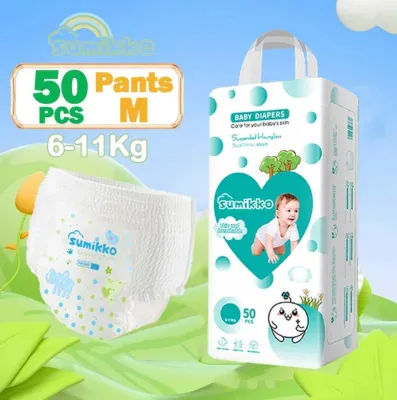
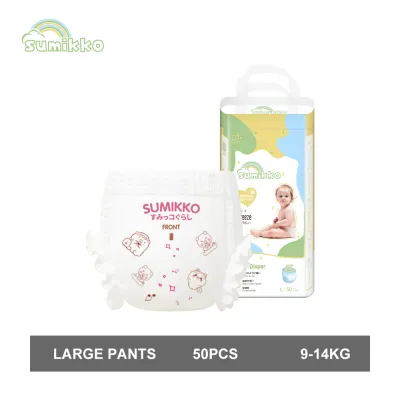
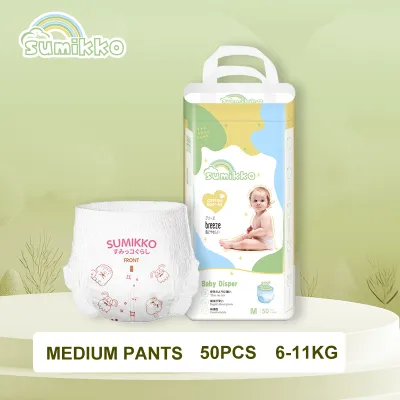
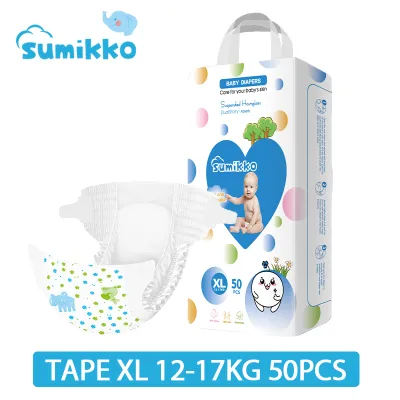
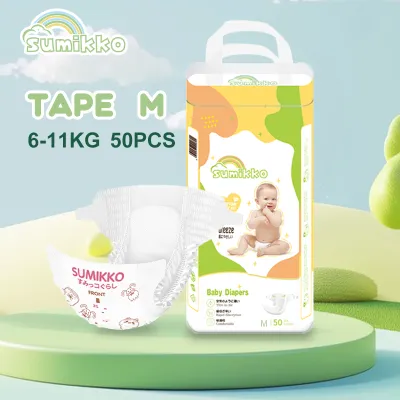
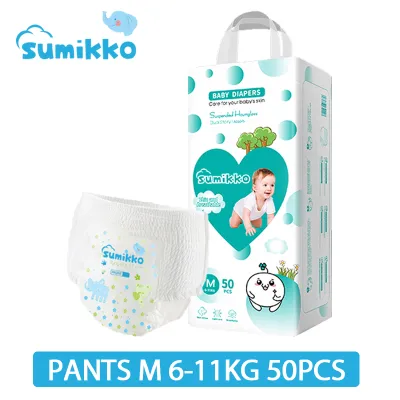
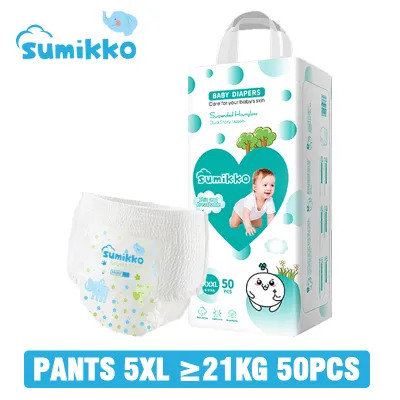
Prices are valid at publication and may change. Please refer to the product page for the latest price.
The inner lining, which sits directly against your baby’s skin, varies significantly across these brands. Some designs feature textured, 3D embossed sheets intended to minimize skin contact with wetness, while others rely on flat, woven sheets designed for rapid fluid transfer. The outer backsheet also plays a critical role in temperature regulation; a breathable, microporous outer layer allows heat and moisture vapor to escape, which is essential for preventing diaper rash in warm weather.
Absorbent core technology is another major differentiator. Modern disposable diapers generally utilize superabsorbent polymers (SAP) mixed with wood pulp, or structured channels that lock moisture away. Channel designs are engineered to distribute liquid evenly across the entire length of the diaper, preventing the core from swelling into a single heavy lump. When evaluating these brands, observe whether the core feels stiff or flexible when dry, as a highly flexible diaper conforms better to an active baby’s movements.
Thickness does not always equate to absorbency. Some older diaper designs rely on thick layers of pulp, which can feel bulky under clothing and restrict movement. Newer designs use thin, high-density SAP cores that remain slim even when wet. Assessing the physical thickness and flexibility of each diaper when stretched out will help you gauge how comfortable it will be under your baby’s daily outfits.
Evaluating Absorbency and Leak Protection
Real-world absorbency is best evaluated through direct observation during daily wear. While marketing materials often claim long hours of dryness, actual performance depends on your baby’s wetting patterns and position. Monitoring the wetness indicator line—a strip that changes color when exposed to moisture—helps you track how quickly and evenly the diaper absorbs liquid during heavy wetting periods.

As a diaper fills, the structural integrity of the absorbent core becomes apparent. Some diapers suffer from sagging or bunching after a single wet, which causes the absorbent material to clump together. This clumping not only causes discomfort but also creates empty spaces where liquid can bypass the core entirely, leading to premature leaks. Inspecting the diaper after a few hours of wear will reveal whether the core remains flat and stable or if it sags significantly between the baby’s legs.
Leak protection is heavily dependent on the barrier systems around the legs and waist. Double-layered leg cuffs, also known as leak guards, should stand upright and wrap snugly around the groin crease. The elasticity of these cuffs must be strong enough to contain liquid during sudden, heavy wetting, yet gentle enough to avoid leaving deep red marks on your baby’s delicate skin.
Waistband construction is equally vital for leak prevention, especially for babies who spend a lot of time lying down. A diaper with an elasticized back waistband helps seal the gap where liquid or loose stools can escape during sleep. When testing a new brand, observe whether the waistband maintains its tension over several hours or if it loosens and gaps when the baby crawls or rolls over.
Assessing Fit, Comfort, and Skin Sensitivity
An diaper that fits poorly will cause discomfort and skin issues, regardless of how absorbent its materials are. Because babies grow rapidly and change shape as they transition from crawling to walking, a diaper’s fit must be evaluated continuously. The waistband’s stretchability is a primary factor in comfort, as it must accommodate your baby’s belly expansion after feeding without restricting breathing or digestion.
To assess the potential for friction and chafing, perform a simple tactile test. Feel the inner lining, side tabs, and leg cuffs against your own sensitive skin, such as the inside of your wrist or forearm. This helps you identify any stiff seams, sharp plastic edges, or rough textures that could rub against your baby’s thighs and waist during movement.
In humid tropical environments, heat retention is a common trigger for diaper dermatitis. Watch closely for signs of localized sweating, dampness, or redness on your baby’s skin during routine diaper changes. If the skin under the diaper feels unusually hot or remains damp even when the diaper is not fully saturated, the material may lack the breathability required for your baby’s skin type.
Every baby’s skin chemistry is unique, meaning a material that works perfectly for one infant might cause irritation in another. When introducing a new brand like Sumikko or Equator, monitor the skin closely for the first few days. Look for early signs of sensitivity, such as mild redness or dry patches, particularly around the waistband and leg openings where friction is highest.
Comparing Value and Sizing Across Brands
Managing household expenses requires a clear understanding of diaper value, which goes beyond the retail price of a single pack. To find the true cost, calculate the price per piece (₱) by dividing the total pack price by the number of diapers inside. While larger bulk packs or box deals typically offer a lower price per piece, it is wise to purchase smaller trial packs first to ensure the fit and material compatibility are correct.
Sizing is not standardized across diaper manufacturers. A “Medium” diaper from Pampers may have a completely different physical cut, waist height, and weight recommendation than a “Medium” diaper from Huggies, Sumikko, or Equator. Always refer to the weight ranges printed on the packaging rather than relying solely on the size letter, and keep in mind that a baby near the upper limit of a weight range will often benefit from sizing up.
| Brand | Typical Sizing Characteristics | Availability Considerations |
|---|---|---|
| Sumikko | Often features a snug, compact cut; check weight limits carefully | Primarily available through specialized online retailers and select boutique stores |
| Pampers | Generally offers a standard, versatile fit with reliable stretch | Widely available in local supermarkets, convenience stores, and official online stores |
| Huggies | Known for a contoured fit with highly elasticized waistbands | Highly accessible across physical supermarkets and major e-commerce platforms |
| Equator | Focuses on a straightforward, functional cut designed for utility | Commonly found in local retail chains and budget-friendly online outlets |
Consistent availability is another practical factor to consider. Finding a diaper that fits your baby perfectly is of little use if you cannot easily restock when you run out. Consider how easily you can purchase your chosen brand from local supermarkets, department stores, or authorized online flagship stores to avoid sudden disruptions in your diaper supply.
How to Decide: A Conditional Selection Framework
To choose the right diaper from these four options, match your baby’s physical needs and your household priorities to the specific characteristics of each brand.
- Choose Sumikko if you want to test a specific inner lining texture and your baby shows no adverse skin reactions during a trial pack. This brand is often favored by parents looking for unique design patterns and specific material softness, provided they have a reliable online source for restocking.
- Choose Pampers if you prefer a widely available brand with a long history of standardized sizing. It is a practical choice if your baby fits well within its specific weight and cut parameters and you value the convenience of buying diapers at almost any local grocery store.
- Choose Huggies if your baby's thigh shape or active movements require a highly secure leg cuff seal and an elasticized waistband. This brand is suitable for babies who experience frequent back leaks or blowouts in diapers with less elasticized waist structures.
- Choose Equator if you are managing a strict household budget and your baby's skin tolerates the materials well during standard wear times. It serves as a highly functional option for daytime use when frequent changes are already part of your routine.
Regardless of the brand you select, safety and skin health must remain your top priorities. If your baby has a history of severe diaper rash, eczema, or highly sensitive skin, consult a pediatrician before switching to a new brand or material. A medical professional can help you identify specific material sensitivities and guide you on the best skincare routine to accompany your diapering choices.
Frequently Asked Questions (FAQ)
Can I mix different diaper brands for day and night use?
Yes, mixing diaper brands is a highly effective strategy for managing household costs and optimizing comfort. Many parents choose a budget-friendly diaper like Equator for daytime use, when changes are frequent and the diaper is rarely worn for more than a few hours. For overnight use, switching to a brand with higher absorbency or a more secure waistband, such as Pampers or Huggies, can help prevent leaks during long stretches of sleep. When mixing brands, ensure that both options fit your baby’s current weight range safely to avoid gaps and chafing.
How do I know when it is time to size up in a specific brand?
Several physical signs indicate that your baby has outgrown their current diaper size. If you notice deep red marks on your baby’s thighs or waist after use, the elastic is too tight and can cause skin irritation. Frequent leaks or blowouts, especially when the diaper is not fully saturated, often mean the diaper’s cup capacity is too small to contain waste. Additionally, if the fastening tabs do not easily reach the designated landing zone on the front of the diaper, or if the waistband sits significantly below your baby’s belly button, it is time to transition to the next size up.
Community discussion
Share your experience or ask a question. Comments are reviewed before publication.