
When managing a household budget in the Philippines, diapers represent one of the most consistent recurring expenses. Parents frequently ask whether choosing a pack of sumikko diaper pants 50pcs is the most cost-effective route compared to established household names like Pampers, Equator, and Huggies.
The short answer is that while the Sumikko 50-piece pack often presents a highly competitive upfront price, true cost-effectiveness cannot be measured by the checkout price alone. It requires a balanced evaluation of unit cost, diaper performance under tropical conditions, and how well the specific cut fits your baby’s unique body shape.
Calculating the True Cost-Per-Diaper for Bulk Packs
To find the most economical option, you must look past the total price tag on the shelf or screen and calculate the cost-per-diaper. The formula is straightforward: divide the total price of the pack by the number of diapers inside. This is the only reliable metric for comparing a sumikko diaper pants 50pcs pack against varying bulk sizes from Pampers, Equator, and Huggies, which often retail in packs of 40, 60, or 80 pieces.
Products mentioned in this guide
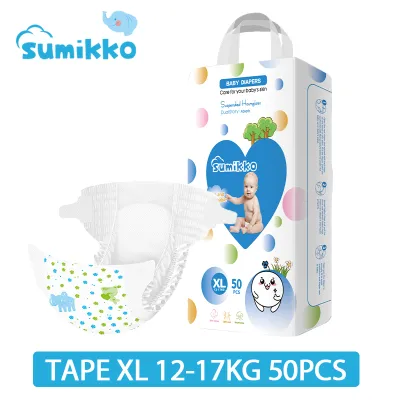
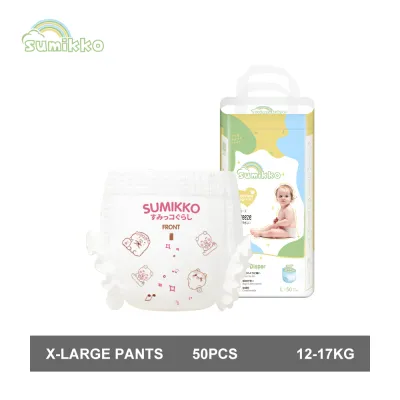
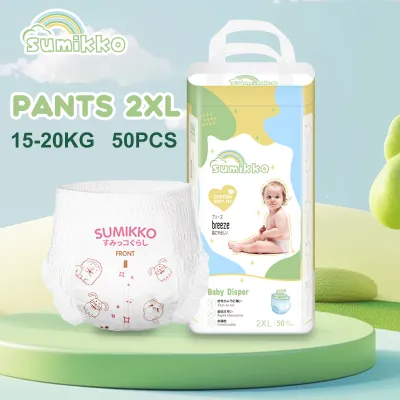
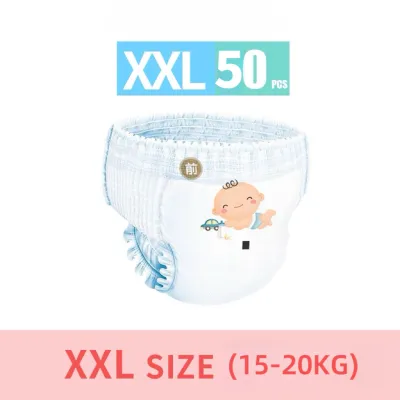

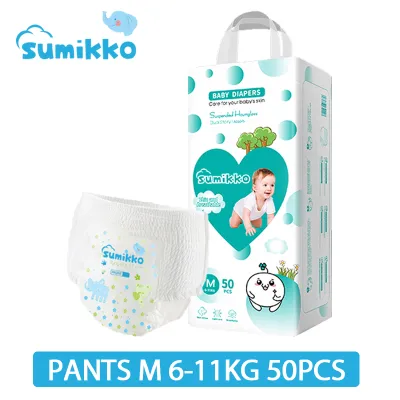
Prices are valid at publication and may change. Please refer to the product page for the latest price.
For example, if a 50-piece pack of Sumikko diaper pants is priced within a budget-friendly band of ₱300 to ₱400, the cost-per-diaper ranges from approximately ₱6.00 to ₱8.00. In contrast, a premium pack from Pampers or Huggies containing 40 pieces might retail for ₱450, resulting in a unit cost of ₱11.25. While the upfront cost of the premium pack is only slightly higher, the unit price reveals a substantial difference.
However, you must also factor in hidden expenses that affect your final checkout budget. Shipping fees on e-commerce platforms can quickly erase any unit-price savings, particularly for bulky items like diapers. A low-priced pack might carry a high delivery fee if dispatched from a distant warehouse, whereas a slightly more expensive pack might qualify for free shipping thresholds or shop-specific vouchers. Always calculate the “landed cost”—the total price including shipping, minus any platform-wide or payment-method discounts—divided by the total piece count.
Additionally, verify the exact piece count before completing your purchase. Do not assume a “large” pack always contains the standard number of diapers. Promotional bundles, twin packs, or special holiday editions can alter the piece count while keeping the packaging size similar. Always read the product description and packaging labels carefully to confirm the exact number of pieces inside.
The Decision Rule:
- Marginal Difference: If the cost-per-diaper difference between a budget option and a premium brand is less than ₱1.00, prioritize your baby's preferred fit and skin compatibility.
- Significant Difference: If the difference is ₱3.00 or more per diaper, the monthly savings can be substantial, making it highly worthwhile to test the more affordable option.
Evaluating Performance: When Cheaper Costs More
A diaper that costs half the price of a premium brand but leaks twice as often is not a bargain. If a diaper fails, it results in wasted diapers, extra baby wipes, additional laundry cycles, and potential skin issues that require expensive diaper creams.

Absorbency and Leak Protection in Humid Climates
In the Philippines, high relative humidity and warm temperatures place extra demands on disposable diapers. To evaluate absorbency, look past marketing claims like “ultra-dry” and examine the product specifications for core technology descriptions. High-quality diapers utilize Superabsorbent Polymer (SAP) grids or specialized absorbent channels designed to distribute liquid evenly. This prevents the wetness from pooling in one spot, which causes the diaper to sag and pull away from the baby’s body.
Leak guards and elastic leg cuffs are critical. Active babies who are crawling, walking, or rolling need flexible, double-layered barriers around the thighs to prevent leg leaks. For overnight use or heavy wetters, a diaper must maintain its structural integrity even when full. If a budget-friendly diaper lacks robust elastic cuffs or has a lower absorption capacity, you may find yourself changing your baby every two hours instead of every four to six hours. In such cases, the increased frequency of diaper changes means you will burn through a 50-piece pack much faster, ultimately spending more money than you would on a higher-capacity premium diaper.
Material Breathability and Skin Comfort
Tropical heat makes breathability a non-negotiable feature. Diapers with plastic-like outer sheets trap heat and moisture, creating a warm, damp environment that is a breeding ground for bacteria and yeast, leading to severe diaper rash. When evaluating the sumikko diaper pants 50pcs pack or options from Equator, check the packaging or official product listings for terms like “breathable backsheet,” “micro-porous outer layer,” or “cottony-soft lining.”
Dermatological testing and hypoallergenic claims are helpful indicators of material safety, but they are manufacturer-stated specifications. Because every baby’s skin chemistry is unique, these labels do not guarantee absolute compatibility.
Follow a safe testing protocol when introducing a new brand. Buy a single, smaller pack before committing to a bulk purchase. When you begin using the new diaper, monitor your baby’s skin closely—especially around the waistband and leg elastics—for any signs of redness, chafing, or small bumps. If any irritation or allergic reaction occurs, stop using the diaper immediately and consult a pediatrician or qualified healthcare professional.
Navigating Brand Tiers and Sizing Differences
Comparing diapers requires comparing equivalent product tiers and understanding how sizing standards vary across manufacturers.
Comparing Premium and Budget-Friendly Product Lines
It is a common mistake to compare a budget-friendly diaper directly with a top-tier premium diaper. Major brands like Pampers and Huggies segment their offerings into distinct product lines. For example, Pampers offers both its everyday value line (such as Pampers Baby Dry) and its premium line (such as Pampers Premium Care). Huggies similarly ranges from its standard Dry pants to its premium Nature Care or Ultra lines.
In contrast, brands like Sumikko and Equator generally position themselves as high-value, budget-friendly alternatives that focus on core functionality without the premium price tag. To make an accurate comparison, you must compare Sumikko diaper pants to the standard or everyday lines of Pampers and Huggies, rather than their ultra-premium, specialized variants. Premium lines often feature advanced additions like organic cotton topsheets, specialized pH-balancing lotions, or extreme ultra-thin profiles. If your baby does not have highly sensitive skin or a specific medical need for these premium features, a standard budget-friendly diaper pant can deliver excellent everyday value.
Checking Weight Ranges and Fit Consistency
Diaper sizing is not standardized. A size Large in Sumikko diaper pants may fit very differently than a size Large in Pampers, Equator, or Huggies. The weight ranges printed on the packaging (e.g., 9 to 14 kg for size Large) are merely general guidelines. The actual fit depends heavily on your baby’s body shape, such as whether they have a rounder tummy or chubbier thighs.
Before purchasing a 50-piece pack, review the manufacturer’s specific sizing charts and any physical dimensions they provide. A diaper that is too tight will cause painful red marks and chafing, while a diaper that is too loose will inevitably leak.
Sizing inconsistencies also introduce financial risks. If a diaper brand runs small and your baby is near the upper limit of the recommended weight range, they may outgrow the size rapidly. If you purchase a bulk 50-piece pack right before a growth spurt, you risk being left with half a pack of unusable, undersized diapers. This waste significantly increases your actual cost-per-diaper, wiping out any initial savings.
Smart Purchasing Strategies for Maximum Budget Value
Maximizing your diaper budget requires strategic planning, smart shopping habits, and proper product care.
- Evaluate Pack Sizes Wisely: While massive mega-boxes (containing 80 to 100+ diapers) often offer the lowest theoretical cost-per-diaper, they require a high upfront payment and a long-term commitment to a single size. A 50-piece pack, such as the sumikko diaper pants 50pcs, represents an ideal middle ground. It offers a low enough unit price to be highly economical while remaining small enough that you can easily transition to the next size up when your baby experiences a sudden growth spurt.
- Leverage Online Marketplaces Safely: When shopping on e-commerce platforms, always purchase from official brand stores, flagship stores, or authorized distributors. This ensures you receive authentic products that have been stored in clean, climate-controlled environments. To drive down the cost-per-diaper, stack platform vouchers, store coupons, and payment-method discounts (such as credit card promos or e-wallet cashbacks). Major monthly shopping events (such as 8.8, 9.9, or payday sales) are excellent times to find steep discounts on diaper pants.
- Avoid Excessive Stockpiling: It is tempting to buy multiple bulk packs when you spot a great deal, but over-stockpiling can backfire. Babies grow at unpredictable rates, and they can easily jump a size within a few weeks. Furthermore, storing large quantities of diapers in the humid Philippine climate can degrade the materials over time. High humidity can weaken the elastic bands, cause the wetness indicator to change color prematurely, or compromise the absorbent core's efficiency. Store your diaper packs in a cool, dry place, keeping them sealed in their original packaging until they are ready for use.
- Prioritize Skin Health and Safety: The ultimate rule of diaper budgeting is that safety must always come first. If a cheaper diaper brand causes persistent skin irritation, diaper rash, or discomfort, the financial savings are immediately lost to the cost of medical consultations, prescription creams, and the stress of caring for an uncomfortable baby. If a product does not agree with your baby's skin, discontinue use immediately and switch to a compatible alternative.
Frequently Asked Questions (FAQ)
Is a 50-piece pack always the lowest cost-per-diaper option?
Not necessarily. While larger mega-packs or box sets typically offer a lower cost-per-diaper, a 50-piece pack can sometimes match or beat their unit price during flash sales, holiday promotions, or when combined with store vouchers. Always calculate the final unit price at checkout by dividing the total price by the number of pieces.
What should I check before switching to a new budget diaper brand?
Before switching, verify the manufacturer’s weight guidelines, check the packaging for breathability and hypoallergenic claims, and buy a small trial pack first. Use the trial pack to test the physical fit and monitor your baby’s skin for any adverse reactions or redness before committing to a bulk purchase.

Community discussion
Share your experience or ask a question. Comments are reviewed before publication.