
Quick Answer: How to Choose the Right Diaper Rash Cream for Your Baby
Choosing the right diaper rash cream for your baby depends on three main variables: your baby’s skin sensitivity, the severity of the rash, and whether you are trying to prevent daily irritation or treat an active flare-up. In the tropical climate of the Philippines, where heat and humidity can quickly worsen skin friction, selecting the appropriate barrier is essential for your baby’s daily comfort.
Sudocrem is a multi-ingredient, zinc-oxide-based soothing paste that excels at calming mild to moderate redness while forming a durable, water-repellent barrier. However, other products might serve your needs better if you require an ultra-high-concentration zinc oxide paste for severe weeping rashes, a simple petroleum-based ointment for pure moisture locking, or a botanical, fragrance-free formula for babies with highly sensitive skin or specific allergies. There is no single universal winner; instead, matching the formula to your baby’s current skin condition and your daily routine is the key to maintaining a healthy, comfortable diaper area.
Understanding Sudocrem: Key Ingredients and How It Works
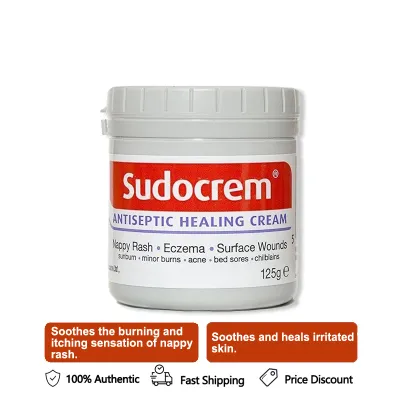
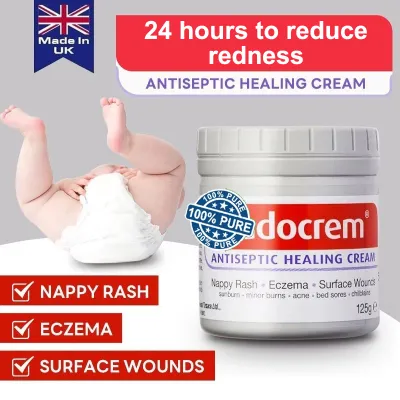
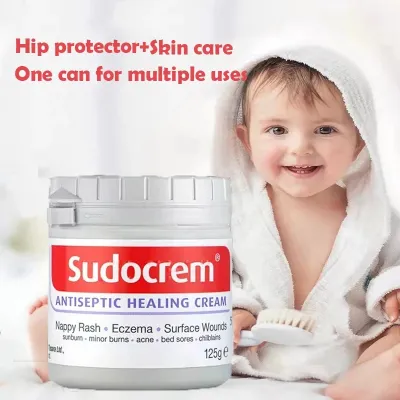
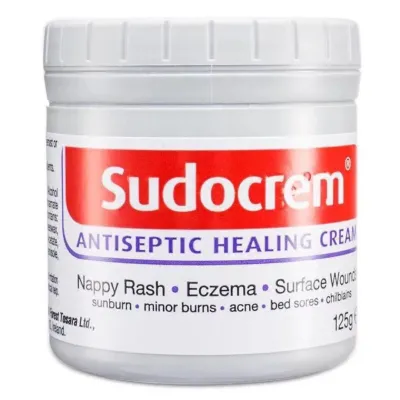
Sudocrem has long been a staple in nursery cabinets, recognized globally as a versatile protective cream. To understand why it remains a popular choice for diaper care, it is helpful to look closely at its formulation and how these ingredients interact with your baby’s skin. The cream is designed to perform a dual role: soothing existing irritation while establishing a physical shield against future moisture.
Products mentioned in this guide
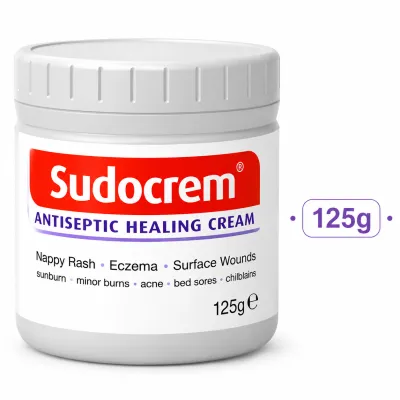
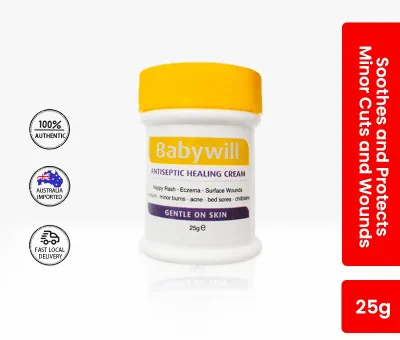

Prices are valid at publication and may change. Please refer to the product page for the latest price.

The active profile of Sudocrem typically features a blend of zinc oxide, anhydrous hypoallergenic lanolin, benzyl alcohol, benzyl benzoate, and benzyl cinnamate, all set within a water-repellent paraffin and wax base. Zinc oxide is the cornerstone ingredient, widely valued in pediatric skincare for its mild astringent properties and its ability to reduce tissue fluid loss. Lanolin acts as an emollient, working to soften and soothe dry or chafed skin. Meanwhile, benzyl alcohol serves as a mild local anesthetic, which helps to take the sting out of raw, inflamed skin during diaper changes.
Together, these components create a robust, physical barrier over the epidermis. When applied, the cream does not simply absorb into the skin; instead, it sits as a thick, white, water-repellent layer. This layer physically blocks urine and feces—the primary chemical triggers of diaper dermatitis—from coming into contact with your baby’s delicate skin. In the high humidity of the Philippines, where sweat can mix with diaper wetness to accelerate skin breakdown, this water-repellent quality is particularly effective.
Because product formulations can occasionally vary by region or undergo updates, caregivers should always check the physical packaging of their specific tub for the exact ingredient list, age recommendations, and manufacturer warnings. Unlike light daily lotions, Sudocrem has a signature dense, paste-like consistency. It requires a gentle but deliberate application to spread evenly, and a small amount generally goes a long way in covering the diaper area.
Sudocrem vs. Other Diaper Cream Categories: A Practical Comparison
To make an informed decision, it helps to compare Sudocrem against the other major categories of diaper creams available on the market. Diaper care products generally fall into three distinct groups: high-zinc oxide barrier creams, petroleum-based ointments, and botanical or minimalist sensitive-skin creams. Each category has its own set of advantages and trade-offs.
High-Zinc Oxide Barrier Creams
While Sudocrem contains a moderate concentration of zinc oxide (typically around 15.25%), some dedicated treatment creams on the market offer much higher concentrations, often ranging from 20% to 40%. These heavy-duty formulations are specifically engineered to address severe, stubborn, or weeping diaper rashes that require maximum physical isolation from moisture.
The primary trade-off with these high-zinc alternatives lies in their density and ease of use. A 40% zinc oxide cream is exceptionally thick and opaque, forming a plaster-like shield that stays in place even under heavy friction. However, this extreme thickness makes the cream difficult to spread smoothly over raw skin and equally challenging to wipe off during diaper changes. Sudocrem offers a more balanced middle ground, providing a substantial zinc barrier that remains relatively easier to apply and clean compared to maximum-strength industrial pastes. Caregivers should verify the exact zinc oxide percentages on product labels to match the cream’s strength to the current state of the baby’s skin.
Petroleum-Based Ointments and Balms
Petroleum-based products, often referred to as healing ointments or multi-purpose balms, function primarily as pure occlusive seals. Unlike Sudocrem, which combines active soothing agents with a barrier, these ointments typically rely on petrolatum, mineral oil, or ceresin to lock in existing skin moisture while locking out external wetness.
The texture of petroleum-based ointments is greasy, translucent, and highly slippery. They glide effortlessly onto the skin, making them incredibly quick and easy to apply to a squirming baby. They do not leave a thick white residue on the skin or on your hands, which simplifies the cleanup process. While these ointments are highly effective for daily prevention and protecting healthy, intact skin, they lack the active soothing, astringent, and mild anesthetic properties that zinc-based pastes like Sudocrem provide. When a baby is already suffering from an active, red, or raw rash, a simple petroleum barrier may not offer enough therapeutic support to calm the inflammation.
Botanical and Minimalist Sensitive Skin Creams
For infants with highly reactive skin, traditional multi-ingredient creams can sometimes present challenges. Sudocrem contains components such as lanolin, which can occasionally trigger allergic contact dermatitis in sensitive individuals, as well as synthetic fragrances and preservatives that contribute to its classic clean scent.
Botanical and minimalist diaper creams are formulated specifically to exclude these common sensitizers. These products typically avoid lanolin, parabens, phthalates, and synthetic fragrances, relying instead on plant-derived emollients like calendula, chamomile extracts, sunflower seed oil, or virgin coconut oil—a popular local ingredient in the Philippines known for its natural moisturizing properties. While these natural formulations are highly gentle and carry a very low risk of triggering allergic reactions, they may not always provide the same heavy-duty, long-lasting water-repellent barrier as paraffin- or petroleum-based creams. Caregivers must carefully cross-reference ingredient lists with their baby’s known sensitivities to find the right balance between purity and barrier performance.
Key Factors to Consider Before Buying a Diaper Rash Cream
Selecting the ideal diaper rash cream involves more than just reading the ingredient list. You must also consider how the product fits into your daily caregiving routine, your baby’s specific skin needs, and your choice of diapering materials.
Prevention vs. Active Treatment
The current state of your baby’s skin is the most critical factor in determining which cream to use. For daily prevention, your primary goal is to maintain a simple barrier that keeps wetness away from healthy skin. A light, easily spreadable petroleum-based ointment or a thin, daily-wear barrier cream is often the most practical choice for this stage. It is quick to apply during consecutive daytime diaper changes and washes away easily without heavy scrubbing.
When an active rash develops, however, the skin’s natural barrier is compromised, and the pH of the diaper area rises due to the presence of ammonia from urine and enzymes from stool. At this point, you need an active treatment cream like Sudocrem. The zinc oxide and soothing agents work to actively calm the chemical irritation, while the thick paste physically isolates the raw skin, giving the underlying tissue a safe environment to heal. Using a heavy treatment paste when there is no rash is generally unnecessary, while using a light preventative ointment on a severe rash is often ineffective.
Texture, Application, and Cleanup
In the warm, humid climate of the Philippines, the physical texture of a diaper cream can significantly impact your comfort and your baby’s experience. Thick, heavy pastes provide excellent, long-lasting protection, but they can feel sticky in hot weather and can be challenging to clean off during diaper changes.
Attempting to scrub off stubborn zinc residue can cause further friction and pain to an already irritated diaper area. To clean thick paste safely, you may need to use a soft cotton pad dipped in a small amount of baby oil or virgin coconut oil to gently dissolve the barrier before wiping. If you prefer a fast, low-maintenance routine—especially during middle-of-the-night diaper changes—you might find that a lighter, more slippery ointment fits your lifestyle better, even if it requires more frequent reapplication.
Cloth Diaper Compatibility
If you use modern cloth diapers, the compatibility of your diaper cream is a major functional constraint. Traditional zinc oxide pastes and petroleum-based ointments are hydrophobic, meaning they repel water. When these ingredients transfer from your baby’s skin onto the inner lining of a cloth diaper, they can build up over time, clogging the fabric fibers and causing the diaper to repel liquid rather than absorb it, leading to leaks.
Sudocrem, with its paraffin and zinc base, is not considered safe for direct use with cloth diapers. If you wish to use Sudocrem while cloth diapering, you must place a disposable liner or a highly washable fleece liner between your baby’s skin and the diaper fabric to prevent transfer. Alternatively, you will need to look for specialized, cloth-safe diaper creams that utilize natural plant oils and waxes, which are designed to wash out easily with standard laundry detergents and hot water.
Decision Framework: When to Use Sudocrem vs. Alternatives
To help you make the final choice for your baby’s nursery, use this structured decision framework to match your current situation with the most appropriate product category.
- Choose Sudocrem if:
- Your baby is experiencing mild to moderate redness, chafing, or diaper irritation.
- You want a multi-action paste that both protects the skin and actively soothes discomfort using mild anesthetic properties.
- You need a highly durable, water-repellent barrier for overnight use, helping protect your baby's skin during long stretches of sleep between diaper changes.
- Choose High-Zinc Alternatives if:
- Your baby has a severe, highly inflamed, or weeping diaper rash that has not responded to standard diaper creams.
- A pediatrician recommends a maximum-strength physical barrier (such as a 40% zinc oxide paste) to completely isolate compromised skin from moisture.
- Choose Petroleum or Minimalist Ointments if:
- Your primary goal is daily, routine prevention on healthy, unbroken skin.
- Your baby has a known allergy or skin sensitivity to lanolin, synthetic fragrances, or specific preservatives found in complex, multi-ingredient creams.
- You prefer a clear, lightweight barrier that is easy to apply quickly and simple to wipe away during regular daytime changes.
- Verify first if:
- Your baby has broken skin, bleeding, or oozing sores in the diaper area.
- The rash exhibits signs of a secondary infection, such as bright red dots (satellite lesions) outside the main rash area, blisters, or pus.
- The diaper rash does not show any signs of improvement after three to four days of consistent care and cream application.
Safe Application Steps and When to See a Pediatrician
Applying diaper cream correctly is just as important as choosing the right formula. To ensure maximum efficacy and safety, follow these low-risk application steps during your baby’s diaper changes:
- Clean the area gently: Carefully cleanse the diaper area using lukewarm water and a soft washcloth, or use alcohol-free, fragrance-free baby wipes. Avoid rubbing or scrubbing, which can worsen skin irritation.
- Dry the skin completely: Allow the skin to air-dry thoroughly. In the humid Philippine climate, giving your baby a few minutes of "diaper-free time" is an excellent way to ensure no moisture is trapped beneath the cream. Applying barrier cream to damp skin can trap water underneath, creating a breeding ground for bacteria and yeast.
- Apply a thin, even layer: Using clean hands, apply a visible layer of Sudocrem or your chosen cream over the affected areas. Be sure to pay close attention to the skin folds and creases where moisture and friction are most concentrated.
- Wash your hands: Always wash your hands thoroughly before starting the diaper change and immediately after applying the cream to prevent the spread of bacteria.
Always read the specific product label on your diaper cream for any age limits, application frequencies, and manufacturer-specific warnings.
While most cases of diaper rash resolve with consistent home care, some situations require professional medical attention. Diaper dermatitis can easily become complicated by secondary fungal (yeast) or bacterial infections, which cannot be cured by standard barrier creams. Stop using over-the-counter creams and consult a pediatrician immediately if you observe any of the following red flags:
- The rash spreads significantly beyond the immediate diaper area, such as onto the abdomen or thighs.
- The appearance of blisters, pimples, boils, or open, bleeding sores.
- The skin becomes bright red, raw, and develops distinct, small red spots (satellite lesions) around the edges of the main rash, which typically indicates a yeast infection.
- Your baby develops a fever, appears unusually fussy, or seems to be in significant pain during diaper changes.
- The rash persists or continues to worsen after 72 hours of consistent barrier cream application.
Frequently Asked Questions (FAQ)
Can I use Sudocrem on my baby's face or for eczema?
While some caregivers use Sudocrem to soothe minor dry patches or localized skin irritations, the skin on a baby’s face is exceptionally thin and highly sensitive. Sudocrem contains fragrance and benzyl alcohol, which may cause irritation to delicate facial skin or cause discomfort if it accidentally comes into contact with the eyes or mouth. For chronic skin conditions like eczema, the skin barrier is compromised, and specialized, fragrance-free emollient creams are typically required. Always check the physical product label for approved application sites, and consult your pediatrician before applying any diaper cream to your baby’s face or using it to manage chronic skin conditions.
Does Sudocrem expire, and how should I store it?
Yes, Sudocrem does expire. You should always locate and check the expiration date or the Period After Opening (PAO) symbol—which looks like an open jar with a number, such as 12M—printed on the packaging. In the hot and humid climate of the Philippines, proper storage is vital for maintaining product integrity. Store the tub in a cool, dry place, away from direct sunlight and heat sources, to prevent the ingredients from separating or degrading. If you notice a significant change in the cream’s texture, color, or smell, discard the product immediately and replace it with a fresh tub.
Is it safe to use diaper cream at every change?
Using a protective barrier cream at every diaper change is a common and highly effective preventative measure, particularly for babies who are prone to frequent skin irritation. However, the specific type of product you use matters. Lighter, petroleum-based ointments or thin daily barrier creams are ideal for routine, consecutive use on healthy skin. Thicker, active treatment pastes like Sudocrem are generally best reserved for preventing overnight wetness during long sleep stretches or for treating active redness and irritation. Always follow the specific manufacturer instructions on your chosen product’s label regarding daily application frequency.
Community discussion
Share your experience or ask a question. Comments are reviewed before publication.