
Quick Answer: Is Sudo Cream the Right Choice for Your Baby?
In the tropical climate of the Philippines, high humidity and heat create a challenging environment for a baby’s delicate skin. The constant warmth accelerates moisture buildup inside diapers, making diaper rash a very common concern for local parents. When managing this discomfort, finding the right topical solution is essential for keeping your baby happy and healthy.
Many Filipino families turn to sodocream as a trusted household name for soothing irritated skin. However, deciding whether this specific product is the absolute best choice for your little one requires looking closely at your baby’s unique skin needs. The ideal diaper rash cream is never a one-size-fits-all solution; instead, it depends on the severity of the rash, your baby’s skin sensitivity, and whether your primary goal is daily prevention or active treatment.
Sudo Cream is widely recognized for its multi-action formula, which combines protective barrier properties with mild antiseptic and soothing agents. This makes it highly effective for treating active, red, and uncomfortable rashes that require immediate relief. In contrast, standard barrier creams, such as plain zinc oxide or petroleum-based ointments, focus primarily on blocking moisture and friction without the addition of active therapeutic ingredients.
Products mentioned in this guide
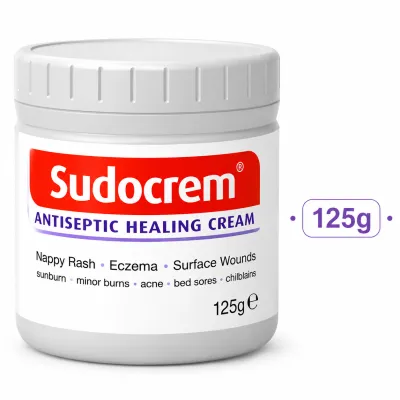
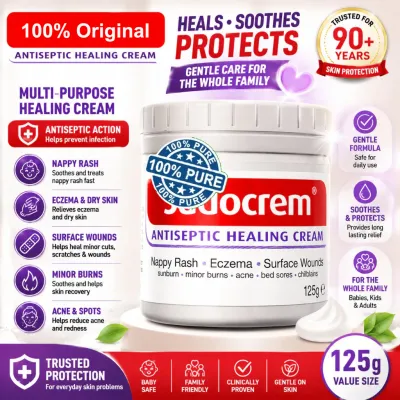


Prices are valid at publication and may change. Please refer to the product page for the latest price.
To make a quick decision, choose Sudo Cream if your baby is currently experiencing an active, uncomfortable diaper rash that needs active soothing, provided you have verified they have no known sensitivities to its ingredients. On the other hand, choose standard barrier alternatives if your main goal is heavy-duty, overnight moisture blocking for a healthy diaper area, or if your baby has highly reactive skin that requires minimalist, fragrance-free formulations.
What Makes Sudo Cream Unique? Ingredients and Benefits
Understanding what goes into your baby’s skin care products helps you make informed decisions about their daily care. Sudo Cream stands out from basic barrier ointments because of its complex, multi-ingredient formulation designed to address multiple symptoms of diaper dermatitis simultaneously. Each component plays a distinct role in protecting and healing irritated skin.

The primary active ingredient in Sudo Cream is zinc oxide, a classic dermatological compound that forms a physical barrier on the skin’s surface. This barrier reflects moisture and prevents acidic urine, enzymes, and fecal matter from coming into direct contact with vulnerable skin. In the humid climate, where babies sweat frequently, this physical shield is crucial for preventing the breakdown of the skin barrier.
Another key component is benzyl alcohol, which serves as a mild local anesthetic. When applied to raw, inflamed skin, benzyl alcohol helps to temporarily numb the area, easing the burning sensation and discomfort that often causes babies to cry during diaper changes. This active soothing effect is one of the main reasons parents choose Sudo Cream over simple, non-medicated petrolatum balms.
The formulation also includes benzyl benzoate and benzyl cinnamate, ingredients known for their mild antiseptic and antibacterial properties. These components help prevent secondary bacterial infections from developing in the warm, damp environment of a diaper. Additionally, an emollient base containing lanolin works to soften the skin while providing a water-repellent layer that keeps external wetness at bay.
While these ingredients offer comprehensive protection, parents must always check the specific product label of the tub purchased in the Philippines. Formulations, regional packaging, and compliance standards can vary, so verifying the exact ingredient list, age recommendations, and potential allergens is essential. Lanolin, for instance, is a natural emollient derived from sheep’s wool that can occasionally trigger allergic reactions in infants with highly sensitive skin or eczema.
Sudo Cream vs. Other Types of Diaper Rash Creams
To find the most suitable product for your baby, it is helpful to compare sodocream against other major categories of diaper rash treatments available in local pharmacies and online marketplaces. Each category offers distinct advantages and trade-offs depending on your baby’s daily routine and skin condition.
Zinc Oxide-Based Creams (Standard Barrier Creams)
Standard zinc oxide creams are the traditional go-to for diaper rash protection, often containing varying concentrations of zinc oxide ranging from 10% to 40%. Unlike Sudo Cream, which balances zinc oxide with anesthetic and antiseptic agents, these standard barrier creams focus almost exclusively on creating a thick, impenetrable physical wall against moisture. They are designed to stay on the skin for extended periods, even through multiple wet diapers.
One major difference parents notice is the texture and ease of application. Standard high-percentage zinc oxide creams are typically very thick, pasty, and can be difficult to wipe off during diaper changes. While this heavy texture is excellent for long-lasting, overnight protection, wiping it off raw, inflamed skin can sometimes cause further friction and discomfort. Sudo Cream, with its smoother emollient base, is often easier to spread gently over active rashes while still delivering targeted soothing relief.
If your baby does not have an active, painful rash but is prone to heavy wetting during long night sleeps, a high-concentration standard zinc oxide cream may be the more practical choice. It provides a durable shield that remains intact until morning. However, if the skin is already red, raw, and causing visible distress, the multi-action soothing properties of Sudo Cream make it a more appropriate therapeutic option.
Petroleum-Based Ointments and Balms
Petroleum-based ointments, commonly referred to as petrolatum or petroleum jelly, are widely popular due to their affordability and versatility. These products act as pure occlusive barriers, meaning they seal the skin to prevent moisture loss and protect against external wetness. They are highly effective at reducing friction between the diaper and the baby’s delicate thighs, especially during active daytime play.
The primary advantage of petroleum jelly is its minimalist formulation. Because it typically contains only one ingredient, the risk of an allergic reaction or contact dermatitis is extremely low, making it exceptionally safe for babies with highly reactive skin or severe eczema. It does not contain fragrances, preservatives, or active chemicals that might sting or irritate compromised skin.
However, petroleum ointments lack the active soothing, anesthetic, and antiseptic properties found in Sudo Cream. If your baby already has an active, inflamed rash, petroleum jelly will not actively reduce the soreness or fight off bacteria; it will only prevent further wetness from touching the area. Therefore, petroleum-based balms are best reserved for daily prevention and routine skin maintenance, while Sudo Cream is better suited for active intervention when a rash develops.
Botanical and Hypoallergenic Creams
For parents who prefer natural skin care or have babies with diagnosed skin conditions, botanical and hypoallergenic diaper creams offer a gentler alternative. These formulations often replace synthetic chemicals and mineral oils with plant-derived ingredients such as calendula, chamomile, aloe vera, and shea butter. They aim to soothe inflammation and support the skin’s natural healing processes without relying on heavy medication.
When comparing Sudo Cream to these botanical options, the presence of potential allergens is a key consideration. Sudo Cream contains ingredients like lanolin and benzyl alcohol, which, while safe for the vast majority of infants, can occasionally cause contact sensitivity in babies with highly reactive skin. Minimalist, plant-based, or strictly hypoallergenic creams are specifically formulated to exclude these common sensitizers, making them a safer default for eczema-prone babies.
It is important to review ingredient labels carefully, as even natural botanical creams can sometimes contain essential oils or herbal extracts that may trigger sensitivities. In the hot and humid Philippine climate, heavy botanical creams can also sometimes trap sweat in the skin folds, potentially leading to heat rash (miliaria) alongside diaper dermatitis. Choosing a lightweight, easily absorbed hypoallergenic cream can help balance moisture protection with skin breathability.
How to Choose the Right Cream Based on Your Baby's Needs
Selecting the right diaper rash cream does not have to be a trial-and-error process. By assessing your baby’s current skin condition, daily habits, and sensitivity levels, you can easily match their needs to the correct product category. Use this conditional framework to guide your decision-making.
- Choose Sudo Cream if: Your baby has an active, red, and visibly uncomfortable diaper rash that requires immediate soothing and pain relief. It is also suitable if you want a multi-action treatment that provides a physical moisture barrier while offering mild antiseptic protection, provided you have verified the product label and confirmed your baby has no known sensitivities to lanolin or benzyl alcohol.
- Choose a standard high-zinc oxide cream if: You need a heavy-duty, long-lasting physical barrier to protect your baby's skin during long stretches of sleep or overnight use. This option is ideal if your baby is a heavy wetter, and you require a thick paste that will not easily dissolve or wipe away with the first wet diaper.
- Choose a petroleum ointment if: Your baby's skin is currently healthy, and you want a simple, cost-effective product for daily prevention and friction reduction. This is also the best choice if your baby has extremely sensitive skin, eczema, or a history of reacting to multi-ingredient creams, and you require a minimalist, single-ingredient formula.
- Choose a hypoallergenic or botanical cream if: Your baby has a known allergy or sensitivity to lanolin, benzyl alcohol, synthetic preservatives, or artificial fragrances. It is also excellent if you prefer using plant-derived, sustainable ingredients to support your baby's skin barrier health or if you want a lighter, more breathable formulation for hot weather.
Regardless of which product type you select, always make it a habit to verify the age suitability, usage instructions, and manufacturer warnings on the packaging before applying a new cream to your baby’s skin. Since infant skin is thin and absorbs topically applied substances more readily than adult skin, adhering strictly to the manufacturer’s guidelines is a vital safety practice.
Best Practices for Applying Diaper Rash Creams
Even the highest-quality diaper rash cream cannot perform effectively if it is applied incorrectly. To maximize the protective and healing benefits of your chosen product, establishing a gentle and consistent diapering routine is essential. Following a few simple application steps can make a significant difference in how quickly your baby’s skin recovers.
The most critical rule of diaper rash management is ensuring the skin is completely clean and dry before applying any cream or ointment. Applying a barrier cream over damp skin can trap moisture and bacteria directly against the skin barrier, which can actually worsen the irritation and encourage fungal growth. After gently cleaning the diaper area, allow the skin to air-dry completely for a few minutes—a practice often referred to locally as giving your baby some “presko” or diaper-free time.
When applying your chosen product, match your technique to the type of cream you are using. For heavy-duty barrier creams and standard zinc oxide pastes, apply a thick, visible layer over the vulnerable areas, similar to frosting a cake. For active treatment creams like Sudo Cream, apply a slightly thinner, even layer, gently patting it onto the reddened areas rather than rubbing vigorously, which can further irritate raw skin.
During diaper changes, prioritize gentle cleaning methods to avoid stripping away the baby’s natural skin oils or scrubbing off the remaining protective cream layer. Instead of harsh rubbing, use a soft cloth dampened with lukewarm water or high-quality, alcohol-free, and fragrance-free baby wipes. If a thick layer of barrier cream is still present and clean, you do not need to scrub it completely off; simply clean the soiled surface and apply a fresh layer of cream on top to maintain continuous protection.
When to Stop Home Treatment and Consult a Pediatrician
While most mild cases of diaper rash can be successfully managed at home with proper hygiene and over-the-counter creams, parents must remain vigilant. Knowing when to transition from home care to professional medical advice is crucial for your baby’s health and safety. Some rashes require targeted prescription medications that standard barrier creams cannot provide.
You should stop home treatment and consult a pediatrician if you observe any of the following warning signs:
- The diaper rash does not show any signs of improvement after three to four days of consistent treatment and proper hygiene practices.
- The rash begins to spread rapidly beyond the immediate diaper area, moving onto the baby's abdomen, thighs, or back.
- You notice the presence of blisters, open sores, pus-filled pimples, peeling skin, or bleeding in the affected area.
- Your baby develops a fever, becomes unusually irritable, or shows signs of severe pain when the diaper area is touched.
Persistent or worsening rashes are often a sign of a secondary fungal (yeast) or bacterial infection. A yeast infection, typically caused by Candida, thrives in the warm, humid environment inside a diaper and presents as bright red, raised spots with small “satellite” lesions nearby. Standard diaper creams, including Sudo Cream, do not contain antifungal medications and cannot cure a yeast infection; in fact, trapping a fungal infection under a heavy barrier cream can sometimes make it worse. A pediatrician will be able to provide an accurate diagnosis and prescribe the appropriate targeted treatment to resolve the issue safely.
Frequently Asked Questions (FAQ)
Can I use Sudo Cream on a newborn?
You should always check the specific product label for age restrictions and manufacturer instructions before using any medicated cream on a newborn. While plain, single-ingredient barrier ointments like petroleum jelly are generally safe from birth, multi-ingredient formulations containing active soothing agents, preservatives, or fragrances may have specific age recommendations. Because a newborn’s skin barrier is exceptionally thin and highly absorbent, it is best to consult your pediatrician before applying multi-ingredient creams to an infant under one month of age.
Does Sudo Cream treat yeast diaper rash?
No, Sudo Cream is not formulated to treat yeast diaper rashes. While it contains mild antiseptic ingredients that help protect against common skin bacteria, it does not contain targeted antifungal medications required to eliminate a Candida yeast infection. If your baby’s rash is bright red, has defined borders with small red spots spreading outward, and does not improve with standard barrier creams, consult a pediatrician. They can diagnose the infection and prescribe a safe, infant-appropriate antifungal ointment.
How often should I reapply the cream?
Diaper rash cream should generally be reapplied at every diaper change while you are actively treating an irritated or red diaper area. This ensures continuous protection against the irritating effects of urine and stool. Before each reapplication, make sure the skin is gently cleaned and allowed to dry completely. If you are using the cream purely for daily prevention, applying it before bedtime or before long car rides is often sufficient to maintain a healthy skin barrier. Always follow the specific application frequency recommended on your product’s packaging or advised by your pediatrician.
Community discussion
Share your experience or ask a question. Comments are reviewed before publication.