
Quick Answer: Which Cup Design Fits Your Baby's Stage?
Introducing solids and water is an exciting milestone in your weaning journey, but finding the right water bottle for baby can feel overwhelming given the sheer variety of designs available. There is no single, universally perfect cup for every infant; instead, the ideal choice depends on your child’s age, oral motor development, and your daily lifestyle. In the warm, humid climate of the Philippines, keeping your little one hydrated is a top priority, making the choice of vessel both a developmental and a practical decision.
For early weaning around six months, a soft spout cup offers a familiar, bottle-like transition. As your baby reaches nine months and older, a straw cup becomes highly beneficial for building advanced suction skills, jaw stability, and independent coordination. Meanwhile, sippy cups—especially modern 360-degree rim designs—excel at preventing messy spills during stroller rides or family trips while teaching the mechanics of drinking from a cup edge. Ultimately, all of these designs serve as temporary stepping stones toward the final goal: drinking confidently from an open cup.
Defining the Contenders: Straw, Spout, and Sippy Cups
To make an informed choice, it helps to understand how these three cup styles differ in design and function, especially since terms are often used interchangeably on e-commerce platforms.
Products mentioned in this guide
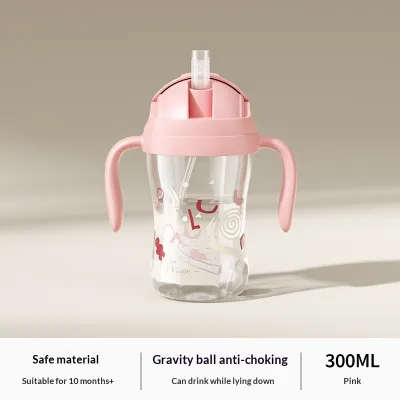

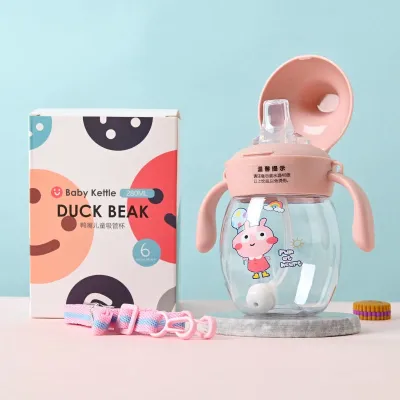
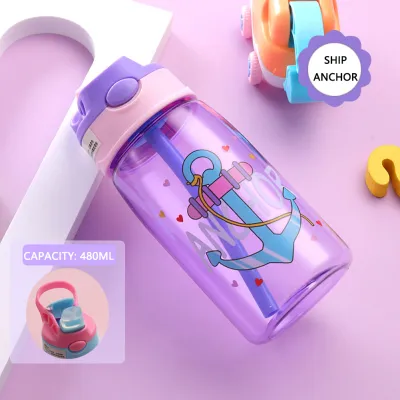
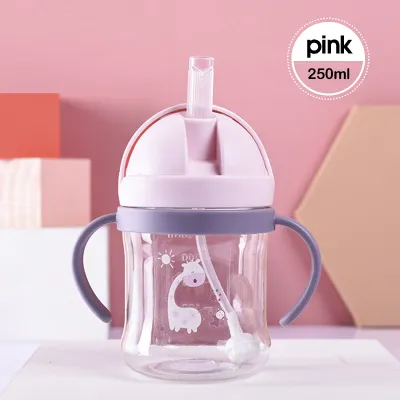
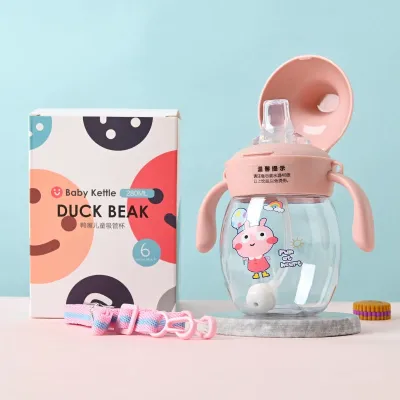
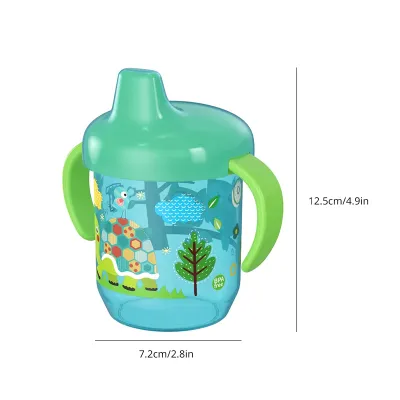
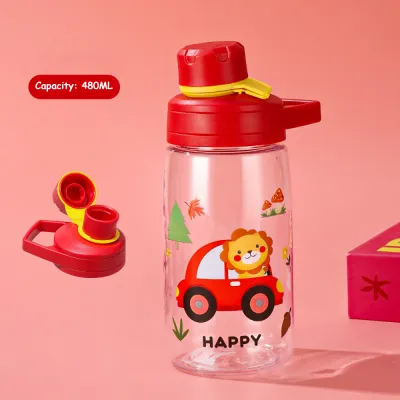
Prices are valid at publication and may change. Please refer to the product page for the latest price.

Spout cups feature a protruding mouthpiece made of either soft, flexible silicone or rigid plastic. The design regulates the flow of water, allowing your baby to tilt the cup back and sip without being overwhelmed by a sudden rush of liquid. This makes them a gentle introduction for babies who are transitioning away from the nipple of a breast or bottle.
Straw cups utilize a built-in tube, which is frequently weighted at the bottom to ensure the straw remains submerged in water regardless of the angle at which the baby holds the cup. Drinking from a straw requires a completely different physical mechanism, forcing your baby to seal their lips tightly, retract their tongue, and use active suction to draw liquid upward.
Sippy cups traditionally refer to hard-spouted cups equipped with internal, spill-proof silicone valves that require active biting or strong suction to release liquid. In recent years, this category has evolved to include innovative 360-degree rim cups. These valve-controlled, spoutless cups allow your baby to drink from any position along the rim, mimicking an open cup while remaining completely leak-proof when dropped or tipped.
How Straw, Spout, and Sippy Cups Compare Across Key Needs
Developmental Readiness and Oral Motor Skills
Each cup design places distinct physical demands on your baby’s developing mouth, jaw, and tongue muscles. Soft spout cups are highly accessible for beginners because they require a simple sucking pattern similar to feeding from a bottle. This helps six-month-old infants coordinate the basic “sip, swallow, and breathe” sequence without the risk of choking on a fast-flowing open stream.
Straw cups, on the other hand, promote a more mature oral motor pattern. To draw water up the straw, your baby must learn to purse their lips, stabilize their jaw, and pull their tongue backward rather than pushing it forward. These precise movements strengthen the facial muscles used for chewing solid foods and, eventually, producing clear speech sounds.
While hard-spout sippy cups are convenient, relying on them for too long can reinforce an immature sucking reflex known as tongue thrust. This occurs when the tongue continuously pushes forward against the hard plastic spout during swallowing. Transitioning your baby to straw cups or 360-degree designs as they grow helps prevent this habit and encourages natural oral development.
Leak Resistance and On-the-Go Convenience
Keeping your baby hydrated during outdoor trips—whether walking through a humid local park or running errands at an air-conditioned mall—requires a water bottle that can survive being tossed into a diaper bag. Traditional valve-equipped sippy cups and modern 360-degree rim cups are the undisputed champions of leak resistance. Their internal pressure-activated valves ensure that water only flows when your child’s lips press down, keeping your bags dry even if the cup is dropped repeatedly onto the pavement.
Straw cups offer moderate leak protection but are more prone to occasional drips. When the temperature changes or when a baby vigorously shakes or squeezes a straw cup, liquid can sometimes travel up the straw and pool in the lid. Many manufacturers address this by adding sliding or flip-top covers that seal the straw away, but they may still leak if left upside down in a bag.
Basic spout cups without internal valves offer the least resistance to spills. Because they rely on simple gravity to flow, tipping them over will result in water pouring out onto your baby’s high chair or lap. While this free-flowing design is excellent for teaching babies that tilting the cup yields water, it is best reserved for supervised mealtimes at home rather than active travel.
Cleaning Effort and Hygiene
In a tropical, high-humidity environment like the Philippines, keeping baby gear clean and dry is a constant battle against mold and bacterial growth. The ease of cleaning should be a major consideration when selecting a water bottle for baby, as some designs require significantly more maintenance than others.
Straw cups are generally the most labor-intensive options to clean. The long, narrow silicone straws can easily trap moisture, milk residue, or tiny food particles, providing an ideal breeding ground for mold. To clean them thoroughly, you must use specialized, ultra-thin wire brushes to scrub the inside of the tube daily, and disassemble the weighted base after every single use.
Sippy cups with complex, multi-part spill-proof valves also demand careful attention. These valves often contain small crevices, rubber gaskets, and hidden chambers where moisture can linger. If you do not completely dismantle these components before washing, mold can quickly develop unseen, posing a health risk to your baby.
Simple spout cups and 360-degree rim cups are typically the easiest to maintain. They generally consist of fewer parts—often just a cup, a lid, and a single flat silicone seal. Many of these designs are safe for the top rack of the dishwasher and can be quickly hand-washed, air-dried, and reassembled without the need for specialized cleaning tools.
Dental Health and Speech Development
As your baby’s primary teeth begin to emerge, the physical structure of their mouth undergoes rapid changes. Pediatric dentists and speech-language pathologists frequently emphasize the impact of drinking vessels on dental alignment and speech clarity. Prolonged, frequent use of hard-spout cups can alter the natural shape of the developing palate and potentially cause the front teeth to tilt outward.
To support optimal dental health, experts generally suggest limiting the use of traditional hard-spout sippy cups and transitioning babies toward straw drinking or open cups. Straws encourage the tongue to rest in a natural, retracted position at the roof of the mouth, which supports proper jaw alignment and healthy dental development.
If you have specific concerns regarding your baby’s oral motor progress, dental alignment, or physical swallowing mechanics, it is always best to consult your pediatrician or a pediatric speech therapist. They can evaluate your baby’s unique developmental milestones and recommend a customized approach tailored to their physical needs.
Decision Framework: Choosing the Right Water Bottle for Your Baby
With several options on the market, choosing the right water bottle for baby comes down to matching the cup’s features to your family’s daily routine and your child’s developmental stage. Prices for quality baby cups in the Philippines generally range from budget-friendly options around ₱300 to premium, insulated models priced up to ₱1,200 or more.
Consider choosing a spout cup if:
- Early weaning stage: Your baby is in the early stages of weaning (around 6 months of age).
- Familiar transition: They are transitioning directly from breastfeeding or bottle-feeding and need a familiar, soft texture.
- Supervised home use: You plan to use the cup primarily at home during supervised mealtimes where minor spills are easy to clean.
Consider choosing a straw cup if:
- Established swallowing skills: Your baby is 9 months or older and has already mastered basic swallowing coordination.
- Oral motor training: You want to actively promote advanced oral motor skills, strong lip seals, and healthy jaw development.
- Upright posture: Your baby enjoys sitting upright and drinking independently without needing to tilt their head backward.
Consider choosing a sippy or 360-degree cup if:
- On-the-go lifestyle: You need a highly reliable, leak-proof water bottle for travel, stroller rides, or daycare.
- Drop protection: Your baby has a habit of throwing their cup onto the floor and you want to avoid constant cleanups.
- Open cup preparation: You want to prepare your child for open-cup drinking by teaching them to sip directly from a cup's rim.
Before making a purchase, always verify your baby’s specific developmental status. If your baby was born prematurely, experiences swallowing difficulties, shows signs of oral aversion, or is currently undergoing feeding therapy, consult a qualified healthcare professional or pediatric occupational therapist. They can guide you toward specialized cup designs that support your child’s specific therapeutic goals.
Transitioning Between Cups: A Practical Guide
Moving your baby from a familiar bottle or breast to a transitional cup requires patience, as it involves learning an entirely new physical skill. A logical, gradual progression can help minimize frustration for both you and your baby. A common pathway begins with a soft silicone spout cup around 6 months, moves to a straw or 360-degree cup around 9 months, and eventually leads to a small, open cup by 12 to 18 months.
When introducing a new cup, it is highly recommended to fill it with water rather than breast milk or formula. Babies associate their primary comfort milk with their bottle or breast, and offering it in an unfamiliar vessel can sometimes trigger resistance or refusal. Using water keeps the stakes low, allowing your baby to play, explore, and experiment with the new cup without any pressure.
Children learn rapidly by observing their parents and caregivers. You can model the correct behavior by taking a similar cup, drinking from it yourself, and exaggeratedly showing your baby how to sip. Keep the learning environment relaxed, positive, and free of pressure; if your baby rejects the cup, simply put it away and try again a few days later.
Safety and Maintenance Rules for Baby Cups
Ensuring the safety and hygiene of your baby’s drinking cups requires consistent daily habits and regular inspections. Over time, active babies who are teething may bite, chew, or pull on silicone straws, spouts, and valves.
- Inspect parts regularly: Examine all silicone spouts, straws, and pressure valves before each use. Look for visible bite marks, tears, thinning material, or loose pieces that could detach and pose a choking hazard. If you notice any damage, discard and replace the part immediately.
- Check manufacturer instructions: Always refer to the product manual or packaging for specific care instructions. Heat tolerances vary significantly between materials; some plastics can handle boiling water or steam sterilization, while others may warp or release chemicals if exposed to high temperatures.
- Supervise active drinking: Never allow your baby to walk, run, or play while holding or drinking from a cup. A sudden fall with a hard spout or straw in their mouth can cause severe oral injuries or choking. Ensure your baby is seated securely in a high chair or sitting upright on the floor during hydration breaks.
Frequently Asked Questions (FAQ)
When should my baby stop using a sippy cup?
Pediatric dentists and feeding specialists generally recommend weaning children off traditional hard-spout sippy cups and suction valves between 12 and 24 months of age. Prolonged use past this window can interfere with mature swallowing patterns and impact the alignment of emerging teeth. Transitioning your child to straw cups, 360-degree cups, or small open cups during this period helps encourage proper oral development, jaw stability, and independent coordination.
Can I put milk or juice in a straw cup?
While straw cups can physically hold milk, pediatricians and dental professionals recommend using them primarily for water throughout the day. Offering milk or sugary juices in a transitional cup that your baby sips on continuously can lead to liquid pooling around the teeth, significantly increasing the risk of early childhood tooth decay. If you do offer milk in a straw cup, it is best served during scheduled, seated mealtimes rather than as a constant companion for on-the-go hydration.
Community discussion
Share your experience or ask a question. Comments are reviewed before publication.