
Quick Answer: Which Cup is Best for Your Weaning Baby?
When your baby transitions to solid foods around six months of age, choosing the right first cup is a vital step in their developmental journey. Pediatric dental and speech therapy guidelines generally recommend straw cups or 360-degree cups over traditional hard-spout sippy cups. These modern designs support proper oral motor development, promote a mature swallowing pattern, and help build the muscle coordination necessary for clear speech.
While traditional sippy cups remain a familiar household staple, they should be viewed as a short-term transition tool rather than a long-term solution. The “best” cup ultimately depends on your baby’s specific weaning stage, their current motor skills, and your daily lifestyle needs. For instance, a baby who has already mastered the sucking reflex on a bottle may adapt quickly to a weighted straw cup, whereas a toddler showing interest in drinking from an adult’s open glass may transition more naturally to a 360-degree rim-style cup.
Ultimately, the goal of weaning is to help your child develop the physical coordination to drink from a regular open cup. By selecting a transition cup that aligns with their physiological milestones, you can minimize spills while actively supporting their dental health and speech development. Always supervise your baby during drinking sessions and monitor their progress closely as they learn this new skill.
Products mentioned in this guide
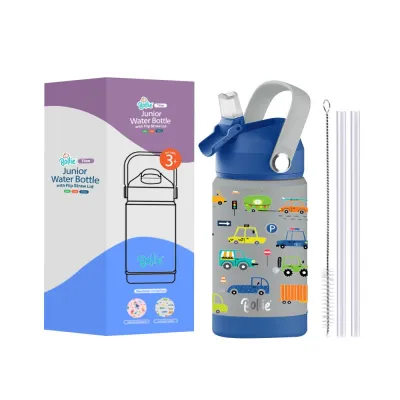
Prices are valid at publication and may change. Please refer to the product page for the latest price.
Understanding the Three Main Transition Cups
To make an informed decision for your child, it is essential to understand how each of the three primary transition cups operates. While browsing options from popular baby care labels like Bollie Baby or other local and international brands, you will find that most transition cups fall into one of these three structural categories. Checking the specific drinking action and material safety of each cup is much more important than relying on brand recognition alone.

Traditional Sippy Cups
Traditional sippy cups feature a protruding spout that the baby places in their mouth to drink. These spouts are generally classified into two categories: hard spouts, which are made of rigid plastic, and soft spouts, which are typically made of flexible silicone. The liquid flows when the cup is tilted upward and the baby sucks on the spout. Many models include a removable one-way valve inside the lid to prevent leaks when the cup is dropped or turned upside down.
Straw Cups
Straw cups utilize a straw mechanism that requires the baby to draw liquid upward using active suction without tilting the cup. These cups come in standard vertical straw designs or weighted straw configurations. Weighted straw cups feature a small, heavy anchor at the base of a flexible silicone straw. This weight moves with the liquid, allowing your baby to drink successfully from any angle—even when lying down or tilting the cup backward like a bottle.
360-Degree Cups
360-degree cups feature a round, rim-like design with a circular silicone valve situated in the center of the lid. To drink, the baby places their lips anywhere along the edge of the rim and applies gentle suction while tilting the cup. The pressure of their lips releases the seal, allowing liquid to flow over the rim just like an open cup. Once the baby stops drinking, the silicone valve automatically seals itself to prevent spills.
Key Comparison Dimensions for Weaning Babies
Evaluating transition cups requires looking beyond basic spill-proof claims. Parents must consider how each cup affects physical development, daily usability, and kitchen maintenance, especially when managing the busy routine of a growing family.
Oral Motor Development and Speech
During infancy, babies use an forward-and-backward tongue movement known as an infantile suckle to draw milk from a breast or bottle. As they transition to solid foods, they must develop a mature swallow pattern, which involves elevating the tip of the tongue to the roof of the mouth and retracting it.
Prolonged use of hard-spout sippy cups can interfere with this natural oral maturation. Because a hard spout rests on top of the tongue, it holds the tongue down and forward, reinforcing the infantile suckle. In contrast, straw cups and 360-degree cups encourage excellent lip rounding, cheek tension, and tongue retraction. These physical movements strengthen the very muscles your baby will eventually use to produce complex speech sounds.
Spill Resistance and Independence
Teaching a baby to drink independently is a messy process, making spill resistance a top priority for caregivers. A cup that leaks when dropped can quickly turn mealtime into a stressful cleanup chore. Furthermore, in tropical climates like the Philippines, spilled milk or sweetened juice can rapidly attract ants and other pests if not cleaned immediately.
Weighted straw cups and 360-degree cups offer excellent spill resistance, allowing babies to handle their cups independently during playtime or car rides. This independence builds confidence and fine motor coordination, as babies learn to grip handles, lift the cup to their mouths, and control the flow of liquid without constant adult intervention.
Ease of Cleaning and Hygiene
Keeping baby gear clean is vital for protecting your child’s developing immune system. However, transition cups often feature intricate parts, including silicone valves, sliding lids, and narrow straws, which can trap moisture and organic residues.
In warm, humid environments, mold and bacteria can develop inside these hidden crevices in as little as 24 hours. When choosing a cup, caregivers must evaluate how easy it is to completely disassemble all components. Complex valves and long, narrow straws require specialized cleaning brushes and extra maintenance time. Always verify the manufacturer’s sterilization instructions, as some materials may warp or degrade under high-heat steam or UV sterilization.
Straw Cup vs. Sippy Cup vs. 360 Cup: Detailed Breakdown
To help you weigh your options, let us examine the specific advantages, drawbacks, and ideal scenarios for each cup type.
Traditional Sippy Cups
- Pros: Traditional sippy cups are highly spill-resistant, widely available, and very intuitive for babies who are already accustomed to holding a bottle. Because they require a simple tilting motion, most babies can figure out how to use them with minimal parental guidance.
- Cons: Hard spouts can pose a physical safety hazard if a toddler falls while walking or running with the cup in their mouth. From a developmental standpoint, the rigid spout prevents the tongue from elevating, which can contribute to a tongue-thrust swallowing pattern and potentially impact early dental alignment if used excessively.
- Ideal Use Case: Soft-spout models can serve as a brief, temporary transition tool for travel or daycare, but they should be phased out quickly in favor of more developmentally supportive options.
Straw Cups
- Pros: Straw drinking is highly recommended by pediatric speech-language pathologists and dentists. It promotes excellent lip seal, cheek strength, and tongue retraction, keeping sugary liquids away from the front teeth to reduce the risk of early childhood caries. Weighted straw versions are exceptionally versatile for younger babies who still instinctively tilt their cups.
- Cons: Standard straws can be messy if a baby decides to bite or squeeze the tip, causing liquid to squirt out. Additionally, straws are notoriously difficult to clean thoroughly without a dedicated, ultra-thin straw brush, and they must be replaced immediately if they show signs of tearing or mold accumulation.
- Ideal Use Case: Excellent as a primary everyday cup for babies aged six months and older who are actively developing their oral motor skills and learning to sit upright independently.
360-Degree Cups
- Pros: These cups perfectly mimic the physical mechanics of drinking from a regular open glass. They allow your baby to drink from any side of the rim, supporting natural jaw alignment and lip muscle development without the risk of spills. The silicone valve is highly effective at preventing leaks even when the cup is dropped from a high chair.
- Cons: Drinking from a 360 cup requires a coordinated combination of lip pressure and suction, which can be frustrating for younger infants to master. If the silicone valve is not pulled apart and scrubbed daily, milk residue can easily build up underneath the seal, creating a hygiene risk.
- Ideal Use Case: Perfect for older babies and toddlers (around 9 to 12 months) who are preparing to transition to regular open cups but still need reliable spill protection during meals.
How to Choose the Right Cup for Your Baby's Stage
Selecting the right cup is not a one-size-fits-all decision. By matching the cup’s design to your baby’s current developmental stage, you can ensure a smoother transition and support their natural growth.
Choose a Straw Cup If:
Your baby is around six to nine months old, is beginning to sit up independently, and is ready to learn the mechanics of suction and tongue retraction. Straw cups are also ideal if you want to protect your baby’s emerging front teeth from direct contact with liquids or if you want a cup that your baby can easily use while seated in a stroller or high chair.
Choose a 360 Cup If:
Your baby is nine months or older, has already mastered basic cup-handling skills, and is showing a strong interest in drinking from adult cups. This option is perfect for parents who want to encourage natural rim-drinking habits while maintaining complete spill protection at the family dining table.
Choose a Sippy Cup (Soft Spout Only) If:
You need a highly durable, budget-friendly, and leak-proof option specifically for short-term travel, outdoor excursions, or transition periods. If you choose this route, select a flexible silicone spout rather than a rigid plastic one, and plan to transition your baby to a straw or 360 cup within a few weeks.
Important Verification Checks Before Purchasing
Before buying any transition cup, always perform the following safety and quality checks:
- Age Recommendations: Check the manufacturer's packaging for the recommended age range to ensure the cup's flow rate and weight are appropriate for your baby.
- Material Safety: Verify that the cup is explicitly labeled as BPA-free, phthalate-free, and made from food-grade silicone or high-quality, shatter-resistant plastics.
- Replacement Parts: Confirm whether the brand sells replacement straws, valves, or lids separately, as these components will wear out over time and need periodic replacement.
- Sterilization Compatibility: Check the product manual to see if the cup can withstand boiling water, steam sterilizers, or UV sterilizers without releasing harmful chemicals or warping.
Tips for a Smooth Transition to a Cup
Introducing a transition cup requires patience, consistency, and a relaxed approach. Here are practical, low-risk steps to help your baby master this new skill:
- Start with Small Volumes: When first introducing a cup, fill it with only 1 to 2 ounces of water, expressed breastmilk, or prepared formula. This minimizes waste and limits the mess if the cup is dropped or tipped over.
- Model the Behavior: Babies learn rapidly through imitation. Sit with your baby during mealtimes, take a sip from your own open glass or a similar transition cup, and exaggerate your movements so they can see how you lift, drink, and swallow.
- Incorporate Playful Practice: If your baby struggles to understand a straw, you can place a small drop of water or breastmilk on the tip of the straw to encourage them to wrap their lips around it. Once they taste the liquid, they will often instinctively apply suction.
- Expect and Accept Messes: Learning to drink from a cup is a complex motor skill that takes weeks or even months to master. Allow your baby to explore the cup, shake it, and occasionally spill. Keep a soft cloth nearby and maintain a positive, stress-free atmosphere.
- Plan the Open Cup Transition: Remember that transition cups are stepping stones, not the final destination. Plan to introduce a small, open cup (with close parental assistance) around 12 to 18 months of age to help your child fully master independent drinking.
Frequently Asked Questions (FAQ)
At what age should I introduce a straw or 360 cup?
Most pediatricians and pediatric dentists recommend introducing a transition cup around six months of age, coinciding with the introduction of solid foods. At this stage, babies typically have the core stability to sit upright with support and are developing the hand-eye coordination required to grasp handles. Always consult your pediatrician to ensure your baby has reached the necessary developmental milestones before introducing liquids other than breastmilk or formula.
Can I put formula or breastmilk in a 360 cup?
Yes, you can put breastmilk or formula in a 360-degree cup. However, because these cups rely on a silicone valve to regulate flow, thicker liquids may require more suction effort from your baby. If you choose to put milk in a 360 cup, it is absolutely critical to disassemble and wash the silicone valve immediately after use. Milk fat and proteins can easily cling to the underside of the valve, creating a breeding ground for bacteria if left unwashed.
How do I clean the valves and straws to prevent mold?
To prevent mold growth, particularly in warm and humid climates, you must clean transition cups thoroughly after every use. Start by completely disassembling all parts, including the straw, weighted anchors, silicone valves, and rubber gaskets. Wash each component in warm, soapy water using a specialized, ultra-thin straw brush to scrub the inside of the straw and the tiny crevices of the valve. Rinse all parts thoroughly with clean water, and lay them out on a clean, well-ventilated drying rack. Ensure every piece is completely dry before reassembling the cup for its next use.
Community discussion
Share your experience or ask a question. Comments are reviewed before publication.