
Choosing the right baby door lock for your home depends entirely on the physical design of your doors, your living situation, and your child’s developmental stage. There is no single lock type that excels in every scenario; instead, the ideal choice balances security with daily convenience. By understanding how different locking mechanisms interact with your existing hardware, you can create a secure environment without causing unnecessary daily frustration.
Doors present unique hazards for curious toddlers, from pinched fingers to unsupervised access to high-risk areas like bathrooms, kitchens, or stairwells. Securing these entryways requires a systematic approach that evaluates your home’s layout and your child’s physical capabilities. Before purchasing any childproofing hardware, it is essential to analyze your specific doors and household needs.
Assessing Your Doors and Childproofing Needs
Before buying any childproofing hardware, you must evaluate the physical characteristics of your entryways. Walk through your home and note whether you have modern lever-style handles, traditional round doorknobs, or sliding glass doors. The physical shape of the handle dictates which locking mechanisms can physically fit and function.
Products mentioned in this guide
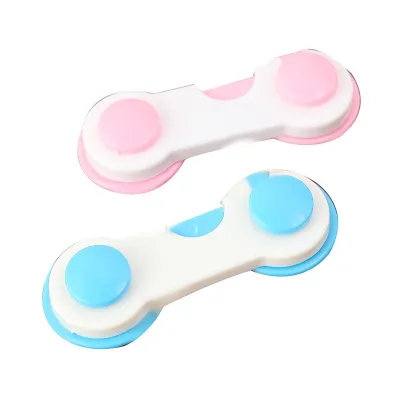
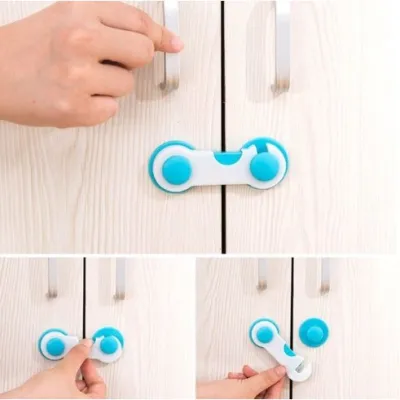
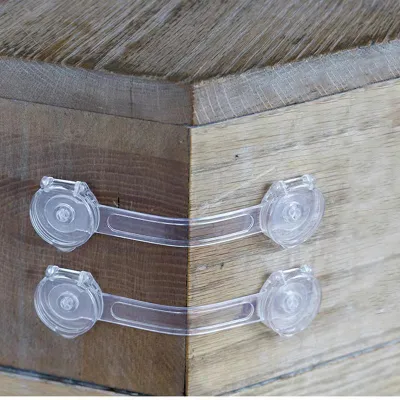
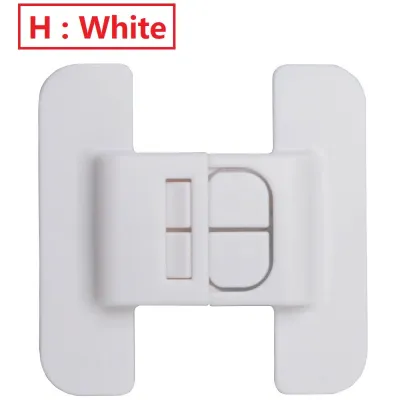

![[Fast Shipping] 5pcs Cabinet Door Locks for Baby Proof and Child Safety Refrigerator Door Lock with Adhesive](https://img.lazcdn.com/g/p/4b54dbdd78859cc50f2c111ab9adb66f.jpg_400x400q80.jpg_.webp)
Prices are valid at publication and may change. Please refer to the product page for the latest price.
Additionally, measure the thickness of your doors and the gap between the door and the frame. Some heavy wooden doors or thick panel doors common in older homes require longer screws or stronger magnetic fields to operate. If you have lightweight hollow-core doors, you must be careful when drilling to ensure the screws have enough material to grip securely.
Your child’s age, mobility, and problem-solving skills are equally important. A curious two-year-old might easily bypass a simple plastic latch but struggle with a mechanism requiring dual-hand coordination. Observe how your child interacts with doors; if they are highly persistent or mimic your movements, you will need a more sophisticated or hidden locking system.
Finally, consider your housing situation. If you are renting a condo or apartment, drilling permanent holes into wooden frames or doors might violate your lease agreement. In these cases, non-invasive adhesive options are preferable, though you must account for how local tropical humidity might affect adhesive longevity over time.
Strap Locks: Flexible Coverage for Various Handles
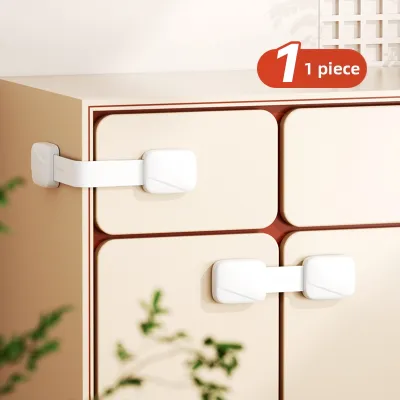
Strap locks consist of a flexible plastic or fabric band anchored by two adhesive mounts. This design makes them highly versatile, as they can bend around corners, bridge gaps, and secure non-standard door configurations. They are a popular choice for families looking for a quick, adaptable solution.

These locks are particularly effective for lever handles, sliding patio doors, and heavy appliances like refrigerators or washing machines. Because they do not rely on a specific handle shape, you can mount them high on the door, completely out of your child’s reach. This height advantage adds an extra layer of security, as toddlers cannot physically touch the mechanism.
When selecting strap locks, pay close attention to the adhesive backing. High-quality, heat-resistant adhesives are essential in warm, humid climates where standard glue can soften and slip over time. Look for reputable adhesive brands specified on the packaging, and ensure the surface is completely clean before application.
The primary drawback of strap locks is their high visibility. They remain fully exposed on the exterior of your doors, which may disrupt your home’s interior design. Furthermore, removing them later can leave a stubborn residue or lift paint if not done carefully, requiring a slow removal process with mild heat or adhesive solvents.
Magnetic Locks: Hidden Security for Standard Doors
Magnetic locks offer a completely concealed childproofing solution. The locking mechanism mounts entirely inside the door or cabinet frame, keeping it completely invisible from the outside. This makes them an excellent choice for parents who want to maintain their home’s aesthetic without visible plastic latches.
To open the door, you must place a specialized magnetic key against the exterior surface directly opposite the internal latch. This system is highly secure because there are no visible parts for a toddler to pull, press, or figure out. Without the key, the door remains firmly shut, preventing even the most persistent children from gaining access.
However, installation is more demanding than other options. Many magnetic locks require drilling pilot holes and using screws to secure the latch and catch plate inside the door frame. This permanent installation provides excellent durability but requires basic tools, precise alignment, and a bit of DIY confidence.
You must also verify the maximum door thickness supported by the magnet. If your doors are made of thick solid wood, the magnetic key may not be strong enough to disengage the internal latch. Always keep the magnetic key stored safely out of reach but easily accessible to adults, and consider keeping a spare key in a designated high spot to avoid accidental lockouts.
Knob Covers: Simple Protection for Round Handles
Knob covers are hollow plastic shells that snap directly over standard round doorknobs. They work by spinning freely when a child attempts to turn the knob, preventing the latch from retracting. This simple mechanical bypass is highly effective for restricting access to standard interior rooms.
To open the door, an adult must insert their fingers through designated holes in the cover to grip the actual metal knob underneath. This action requires a level of hand size and squeeze strength that young children have not yet developed. It allows adults to pass through easily while keeping toddlers safely contained.
These covers are highly affordable and require absolutely no tools, drilling, or adhesives to install. They simply snap together over the knob, making them an excellent temporary solution or travel-friendly option when visiting relatives or staying in holiday rentals.
The limitation of knob covers is their strict compatibility. They are completely useless on lever handles, sliding doors, or modern square knobs. You must also check that the cover fits snugly on your specific doorknob model; if the cover slips or grips too tightly, it may fail to spin freely or make it too difficult for adults to operate.
Comparing Mechanisms: Which Lock Fits Your Setup?
To help you visualize the differences, the table below compares the three primary door lock types across key performance and installation criteria.
| Lock Type | Best Handle Compatibility | Installation Method | Visibility | Adult Ease of Use |
|---|---|---|---|---|
| Strap Locks | Lever handles, sliding doors, appliances | Adhesive backing | High | Moderate (requires two hands) |
| Magnetic Locks | Standard doors, cabinets, drawers | Screws or heavy-duty adhesive | None (hidden) | Easy (requires magnetic key) |
| Knob Covers | Round doorknobs only | Snap-on (no tools) | Moderate | Easy (requires squeezing) |
When comparing these mechanisms, consider the daily traffic through each door. A door you access dozens of times a day, such as a kitchen pantry or bathroom, requires a lock that does not cause excessive adult frustration. Magnetic locks or simple knob covers are often preferred for high-traffic areas due to their quick operation.
Conversely, doors leading to high-hazard areas like utility rooms, home offices, or balconies demand the highest level of security, even if it means a slightly more complex opening process. Strap locks mounted high out of reach provide excellent peace of mind for these critical boundaries.
Always measure your door frames, handle diameters, and clearance gaps before purchasing. Having these exact dimensions on hand prevents the common frustration of buying hardware that cannot physically fit your home’s existing fixtures. Check the product specifications carefully to ensure compatibility with your door’s material and design.
Making the Final Decision for Your Home
Your final choice should align with your specific door hardware, rental status, and daily habits. By matching the lock mechanism to your specific constraints, you can create a secure environment without unnecessary daily hassle.
Choose strap locks if you live in a rental property where drilling is prohibited, or if you need to secure lever handles, sliding glass doors, or kitchen appliances. Their flexibility makes them the ultimate utility option for non-standard layouts and temporary living situations.
Opt for magnetic locks if you prefer a clean, minimalist aesthetic and have standard doors that allow for permanent screw installation. They are ideal for long-term childproofing where you want to keep safety hardware completely out of sight and maintain your home’s original interior design.
Select knob covers if your home features traditional round doorknobs and you want a simple, budget-friendly, and tool-free installation. They are also highly portable, making them excellent for visiting relatives or taking on family trips where temporary safety is needed.
Before finalizing your purchase, always verify the manufacturer’s age and weight recommendations. Remember that childproofing products are designed to delay, not completely prevent, access, and they should always be paired with active supervision and safety education.
Installation and Ongoing Safety Checks
Proper installation is critical to ensuring any childproofing lock functions as intended. For adhesive-based locks, thoroughly clean the mounting surface with isopropyl alcohol to remove dust, grease, and moisture before application. Avoid using household cleaners, as they can leave a residue that weakens the bond.
In warm and humid tropical environments, allow the adhesive to cure for a full 24 hours before applying any tension or testing the lock. Premature use is the leading cause of adhesive failure, especially on painted wood or laminate surfaces.
For hardware-mounted locks, use the correct drill bit size to avoid splitting wooden door frames. Ensure all screws are flush with the mounting plates so they do not catch on clothing or scratch adjacent surfaces. If mounting on a hollow-core door, use appropriate wall anchors if the wood veneer is too thin to hold a screw.
Establish a routine to inspect all childproofing devices at least once a month. Check for hairline cracks in plastic components, loose screws, or peeling adhesive edges. High-humidity areas, like bathrooms, require more frequent checks as moisture can accelerate wear.
If a lock becomes loose, cracked, or if your child successfully figures out how to bypass it, stop using it immediately. Replace the worn hardware or upgrade to a more complex locking mechanism to maintain a secure home environment.
Frequently Asked Questions (FAQ)
Can baby door locks damage my doors or paint?
Adhesive-based locks can potentially peel paint or leave sticky residue behind, especially on low-quality finishes or in high-humidity areas. To minimize damage, use a hair dryer on a low heat setting to soften the adhesive before gently peeling it off, and clean any remaining residue with a mild adhesive remover. For drilled installations, keep in mind that filling small screw holes with wood putty and matching paint is often easier than repairing torn drywall or damaged wood veneer.
Are lever handle locks different from round knob covers?
Yes, they are completely different in design and mechanical function. Lever handle locks typically block the downward movement of the lever arm, whereas round knob covers enclose the entire knob to prevent it from being gripped and turned. Always check the product packaging and specifications to ensure the lock model is explicitly designed for your specific handle type, as they are not interchangeable.
What should I do if my toddler figures out the lock?
Children develop problem-solving skills at different rates, and many will eventually figure out how to operate basic childproofing locks. If your child bypasses a lock, immediately upgrade to a more complex mechanism, such as transitioning from a simple strap lock to a hidden magnetic system. Additionally, use these moments to teach your child about door safety and establish clear, consistent boundaries about which rooms are off-limits.
Community discussion
Share your experience or ask a question. Comments are reviewed before publication.