
Choosing the right oven door lock for your kitchen depends entirely on your appliance’s surface material, handle design, and your household’s daily cooking routine. There is no single lock type that works perfectly for every home; instead, you must match the physical characteristics of your oven with the specific mechanism of the lock. Strap locks offer broad compatibility for flat surfaces, magnetic locks provide a discreet fit for specific metal frames, and latch locks rely on compatible handle shapes. Before purchasing, you must verify your appliance’s exterior materials and heat output to ensure the lock will adhere safely and function reliably without damaging your oven.
In tropical environments like the Philippines, high ambient humidity and kitchen heat can significantly affect how safety devices perform. Adhesives can degrade faster under these conditions, making it essential to understand how each lock type interacts with your specific appliance. By evaluating your kitchen habits and the physical layout of your oven, you can select a child-proofing solution that keeps your little ones safe while maintaining a functional cooking space.
Understanding the Three Main Types of Oven Door Locks
To make an informed decision, you first need to understand how the three primary categories of oven door locks operate. Each type utilizes a distinct mechanical or physical principle to keep the oven door securely closed against curious toddlers.
Products mentioned in this guide
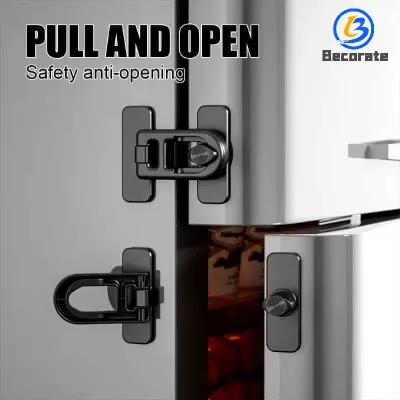
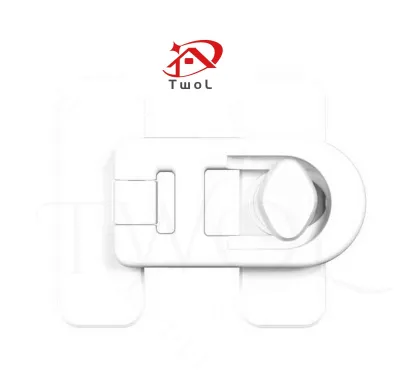
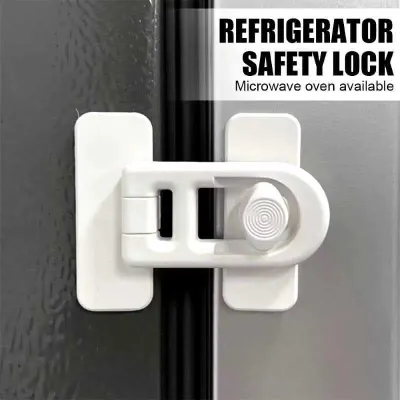
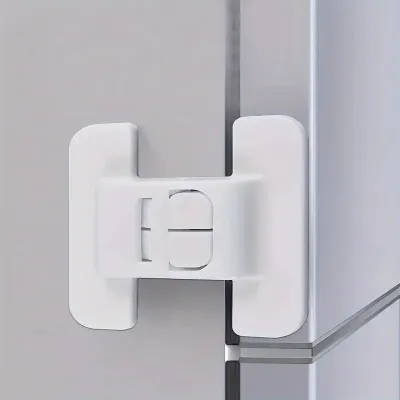
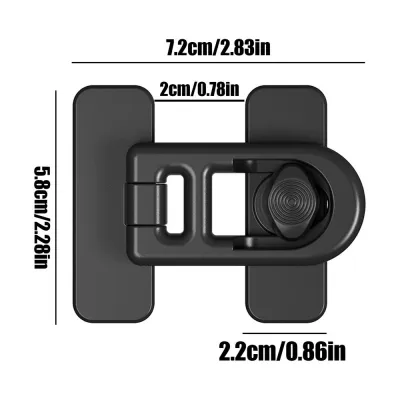
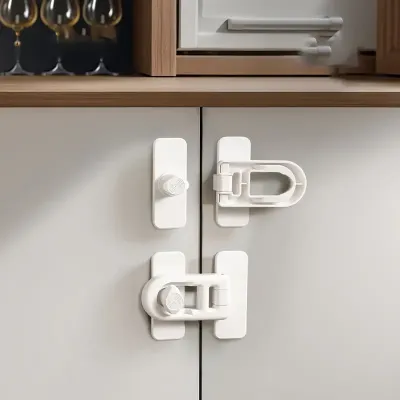
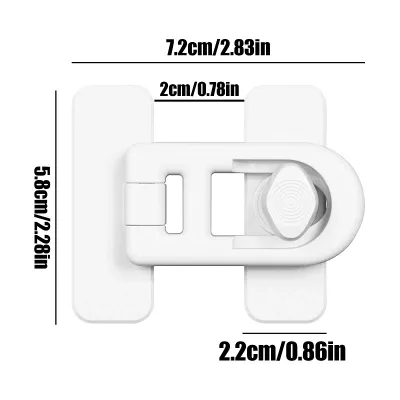
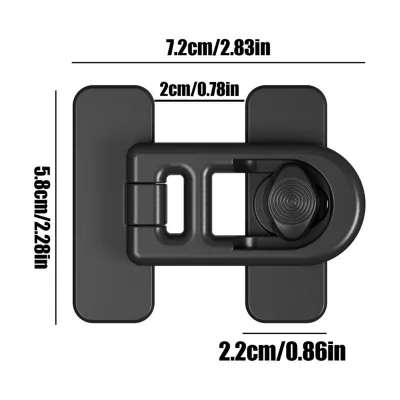
Prices are valid at publication and may change. Please refer to the product page for the latest price.
Strap locks are adhesive-based, flexible safety devices designed to bridge the gap between the oven door and the main appliance frame. They typically consist of a durable plastic or fabric strap anchored by two adhesive pads. One pad is mounted on the stationary side or top of the oven, while the other is fixed to the opening door. The flexibility of the strap allows it to wrap around corners, handles, or control panels, relying heavily on surface tension and adhesive strength to resist pulling forces.
Magnetic locks utilize a surface-mounted or hidden catch mechanism that remains locked until a matching magnetic key is applied to the release point. These systems are designed to keep the locking hardware out of sight or integrated cleanly with the appliance’s exterior. To function correctly, they require specific frame clearance and a compatible metal depth on the oven chassis to secure the magnetic components. They offer a sleek appearance but depend on precise alignment and the presence of magnetic metals.
Latch locks are purely mechanical catches that hook directly onto the oven handle or the door frame. Unlike strap or magnetic locks, they do not rely on adhesives or magnetic fields to stay closed. Instead, they utilize physical barriers, such as a pivoting arm or a clamp, to physically block the door from opening. These locks are highly dependent on the specific geometry of your oven’s handle and require a compatible shape to latch securely.
Key Factors to Check Before Buying an Oven Door Lock
Before purchasing any oven door lock, you must conduct a thorough inspection of your appliance and kitchen environment. Choosing a lock without verifying these details can lead to installation failures, damage to your oven, or a lock that your child can easily bypass.

First, examine the oven’s surface and handle materials. Modern ovens feature a variety of finishes, including tempered glass, brushed stainless steel, powder-coated metals, and heat-resistant plastics. Adhesives bond differently to each of these surfaces. For instance, smooth tempered glass generally provides an excellent bonding surface for high-quality adhesives, whereas textured or coated metals may prevent the adhesive from forming a complete seal. You must verify if the lock’s adhesive is rated for your specific oven finish.
Next, measure the handle shape, thickness, and the clearance space around the door. Mechanical latch locks require a specific amount of clearance behind the handle to hook or clamp in place. If your oven features a sleek, recessed handle or a curved design with minimal clearance, a standard latch lock may not fit at all. Take precise measurements of the distance between the handle and the door face, as well as the thickness of the handle itself, before comparing product specifications.
Heat resistance is another critical factor, particularly in warm, humid kitchens where ambient temperatures are already elevated. Ovens radiate significant heat through their doors and frames during operation. Any adhesive used near the oven door must be rated to withstand these elevated temperatures without melting, slipping, or releasing toxic fumes. You should check the manufacturer’s specifications to ensure the adhesive can handle the heat output of your specific oven model.
Finally, balance adult convenience with child resistance. A lock that is too difficult for adults to open can become a safety hazard in a busy kitchen, especially when you are holding a hot tray. Look for dual-action releases that require two distinct movements to open—such as pressing two buttons simultaneously—which are easy for adult hands but difficult for toddlers to coordinate. Consider whether you can operate the lock with one hand while managing your cooking.
Strap Locks vs. Magnetic Locks vs. Latch Locks: A Feature Comparison
To help you evaluate the trade-offs between these three options, it is helpful to compare their key characteristics side by side. Each lock type excels in different areas, and understanding these differences will guide you to the right choice for your home.
| Feature | Strap Locks | Magnetic Locks | Latch Locks |
|---|---|---|---|
| Installation Method | Adhesive backing; no tools required | Adhesive or screw-mounted plates | Mechanical clamp or hook; tool-free |
| Oven Compatibility | Highly universal; fits flat and curved surfaces | Requires flat metal frame and key storage | Requires protruding, compatible handle |
| Adult Ease of Use | Moderate; usually requires two hands to press release | High; requires holding the magnetic key to release | High; simple mechanical press or slide |
| Routine Maintenance | Check adhesive bond and strap wear | Keep track of the key; check plate alignment | Check clamp tension and hinge wear |
When evaluating these options, keep in mind that heat exposure can significantly affect adhesive longevity. In humid tropical environments, the combination of moisture and oven heat can accelerate the breakdown of adhesive bonds. If you choose an adhesive-based strap or magnetic lock, you must regularly inspect the adhesive pads for signs of peeling or sliding, and check the manufacturer’s stated temperature limits to ensure compatibility with your cooking habits.
Magnetic locks offer a very clean aesthetic, but they can fail to engage if the oven frame lacks sufficient metal depth or if the door seal is exceptionally thick. If the magnet cannot get close enough to the internal catch, the lock will not hold. You must verify that your oven’s frame has a flat, magnetic metal surface of sufficient size to accommodate the lock’s mounting plates.
Latch locks avoid adhesive issues entirely but require precise handle alignment. They are generally incompatible with modern, recessed, or highly curved handle designs. If your oven handle does not have a straight, uniform bar with adequate clearance behind it, a mechanical latch lock will likely slip out of place or fail to latch securely, rendering it ineffective against a determined toddler.
How to Decide: Which Lock Fits Your Household?
Selecting the right oven door lock involves matching your verified appliance specifications with your family’s daily kitchen habits. Use the following guidelines to determine which mechanism aligns best with your needs.
Choose Strap Locks if your oven has a smooth, flat exterior surface and a standard protruding handle, and you need a highly versatile, easily adjustable option. Strap locks are ideal for households with non-standard oven configurations or those who want a straightforward installation that does not require precise mechanical alignment. They are also a practical choice if you want to secure other appliances, such as refrigerators or microwaves, using the same style of lock.
Choose Magnetic Locks if you prefer a discreet, low-profile look that does not disrupt the aesthetic of your kitchen, and you have a compatible metal frame with adequate clearance. This option is excellent for parents who want to avoid leaving visible adhesive residue on the front glass of the oven door. However, you must be disciplined about keeping the magnetic key in a safe, high place that is easily accessible to adults but completely out of reach for children.
Choose Latch Locks if your oven handle design allows for a secure mechanical hook and you prefer a non-adhesive, reusable solution. Latch locks are perfect for rental homes where you want to avoid any risk of damaging appliance finishes or leaving stubborn adhesive residue behind. They are also highly durable since they do not rely on chemical bonds that can degrade over time in humid conditions, and they are highly cost-effective, typically costing between ₱300 and ₱800 depending on the design.
Verify first if your oven is currently under warranty, as applying certain heavy-duty adhesives or drilling holes for hardware can void your coverage. Additionally, if your oven features a self-cleaning cycle, you must exercise extreme caution. Self-cleaning cycles generate extreme exterior heat that can melt plastic components or cause adhesives to fail completely. Always verify the lock’s heat ratings against your oven’s self-cleaning specifications before installation.
Installation and Safety Checks for Oven Door Locks
Proper installation and ongoing maintenance are essential to ensure your oven door lock remains effective and does not cause damage to your appliance. Even the highest-quality lock can fail if it is not installed correctly or if its condition is allowed to deteriorate.
For adhesive-based locks, thorough surface preparation is the most critical step. Begin by cleaning the mounting area with rubbing alcohol to remove all grease, oil, and food residue. Avoid using household glass cleaners or soapy water, as these can leave a thin film that prevents the adhesive from bonding fully. Allow the surface to dry completely before applying the adhesive. Once applied, press firmly for at least thirty seconds and allow the adhesive to cure for the manufacturer’s recommended time—usually 24 hours—before subjecting it to any tension or heat.
Before attaching any aftermarket safety device, always check your oven’s manufacturer manual. Some manufacturers explicitly warn against attaching items to the glass door or control panel, as this can interfere with ventilation, heat dissipation, or the structural integrity of the tempered glass. Ensuring compliance with your appliance’s manual helps prevent accidental damage and maintains safe operating conditions.
Establish a routine to test the lock’s grip and mechanical action regularly. This check is especially important after you have used the oven at high temperatures, which can temporarily soften adhesives or cause plastic components to expand. Give the lock a firm pull to ensure the adhesive is not peeling and the mechanical latch is engaging smoothly without slipping.
Finally, know when to stop using a lock and consult a professional or the manufacturer. If you notice the adhesive peeling, the plastic warping from heat, or the latch mechanism slipping, the lock is no longer safe. Remove the damaged lock immediately to prevent it from failing when your child interacts with the oven. If you are unsure about the safety of a lock on your specific appliance, consult the oven manufacturer for approved child-proofing recommendations.
Frequently Asked Questions (FAQ)
Can oven door locks withstand the heat of a self-cleaning cycle?
Oven self-cleaning cycles generate extremely high internal temperatures, which translate to significantly higher exterior surface temperatures than normal cooking. You must check the lock manufacturer’s maximum temperature rating on the packaging or product label before running a self-cleaning cycle. If the exterior glass or frame is expected to exceed the lock’s rated limit, you should remove or disengage the lock beforehand to prevent the plastic from melting or the adhesive from failing completely.
Will removing an adhesive oven door lock damage the glass or stainless steel?
Removing an adhesive lock does not have to damage your appliance if you use the correct technique. To safely remove a lock, apply gentle heat to the adhesive pad using a hairdryer on a low setting to soften the bond. Once softened, slowly peel the pad away. Use an approved, surface-safe adhesive remover or a small amount of cooking oil to clean up any remaining residue. Never use sharp metal scrapers, steel wool, or abrasive pads, as these can permanently scratch tempered glass or strip the protective coating off stainless steel.
Are oven door locks enough to keep toddlers safe in the kitchen?
While an oven door lock is an excellent safety tool, it is a secondary physical barrier and should never replace active adult supervision. Children are highly observant and can eventually learn how locks operate by watching adults. For comprehensive kitchen safety, combine your oven door lock with other measures, such as installing stove knob covers, using the back burners whenever possible, and keeping hot cookware turned inward away from the edge of the counter.
Community discussion
Share your experience or ask a question. Comments are reviewed before publication.