
Deciding on the right high chair is one of the most significant nursery furniture decisions parents face. In the Philippines, where family meals are a central part of daily life, finding a seat that keeps your child safe, comfortable, and integrated into the dining experience is essential. The Stokke high chair, known globally for its iconic wooden design, often sits at the top of premium recommendation lists. However, its substantial price tag in ₱ leaves many local parents wondering if the investment is truly justified compared to more affordable, widely available alternatives.
Whether this premium high chair is worth the cost depends on a careful balance of your household budget, available dining space, and long-term parenting goals. While some families prioritize a single purchase that lasts from infancy through childhood, others prefer lightweight, easily cleanable options that serve a temporary purpose. By evaluating how different high chair designs align with your daily routine, you can make an informed decision that fits your family’s specific needs.
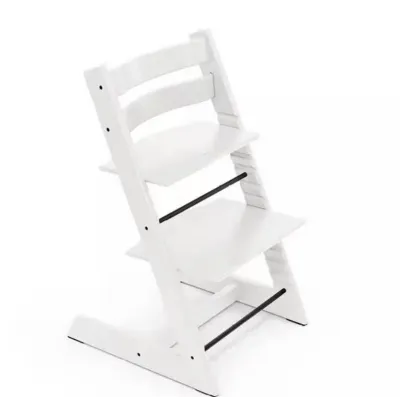
Understanding the Stokke Tripp Trapp Design and Value
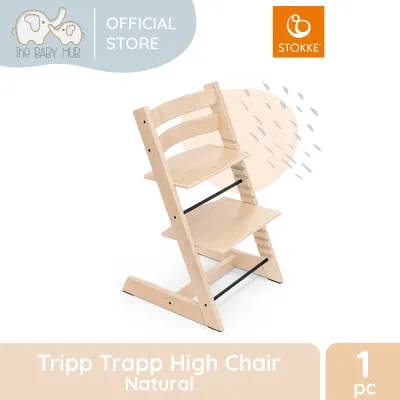
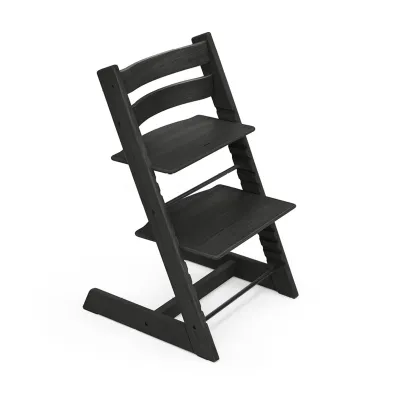
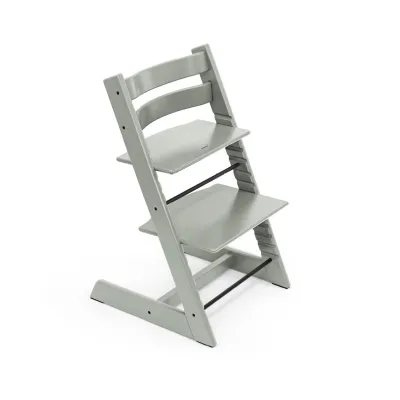
The core appeal of the Stokke high chair lies in its focus on ergonomics and longevity. Unlike traditional high chairs that a child outgrows within a couple of years, this wooden chair is engineered to adjust as your child grows. It features adjustable seat and footplate depths and heights, allowing parents to customize the support based on the child’s developmental stage. To ensure safety and proper posture, caregivers must consult the manufacturer’s product documentation to verify the correct configuration, weight limits, and age ranges for each adjustment level.
Products mentioned in this guide
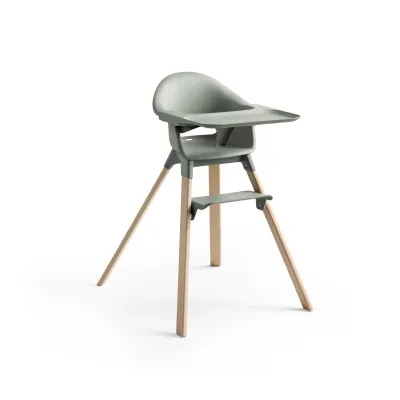
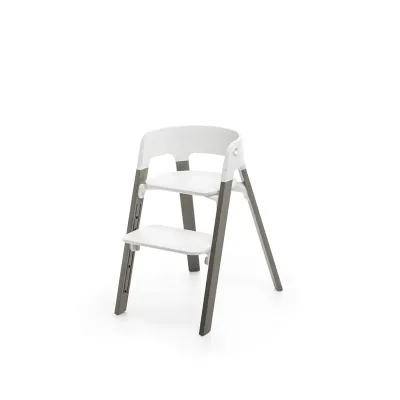
Prices are valid at publication and may change. Please refer to the product page for the latest price.
Material selection plays a major role in both the durability and aesthetic footprint of the chair. Constructed from solid wood, such as beech or oak, it is designed to blend seamlessly with standard dining room furniture rather than looking like a temporary baby accessory. However, using solid wood in tropical climates like the Philippines requires specific care. High humidity levels can affect natural wood over time, meaning parents must regularly inspect the joints, keep the chair away from direct moisture, and wipe spills immediately to prevent warping or mold development.
The concept of longevity is a key driver of the chair’s value proposition. When configured with compatible infant attachments, it can support a newborn at table height, transitioning later into a toddler high chair, a youth chair, and eventually an adult seat. This multi-decade utility is a stark contrast to standard baby gear, but it relies entirely on the user following the manufacturer’s assembly instructions and safety guidelines over years of continuous use.
Stokke vs. Alternative High Chair Categories
To determine if a premium wooden chair is the right choice, it is helpful to compare it against other common high chair categories found in the local market. Each category serves different lifestyle priorities, space constraints, and budget levels.

Standard plastic high chairs are a highly popular choice for many Filipino households. These chairs are typically lightweight, easy to move from the kitchen to the dining area, and feature a lower initial cost. They often come with removable, easy-to-clean plastic trays that make cleaning up after messy self-feeding sessions straightforward. However, their splayed metal or plastic legs can create a larger physical footprint, and their aesthetic may not match formal dining spaces. They also have a limited lifespan, usually becoming obsolete once the child reaches three or four years of age.
Convertible multi-stage high chairs offer a middle ground, transitioning from a traditional high chair to a booster seat or a small toddler chair and table set. These models provide excellent versatility and space efficiency over several years. However, because they often consist of multiple interlocking plastic and metal components, they can have numerous crevices where food crumbs and liquids accumulate, requiring diligent disassembly for deep cleaning.
For families with limited space or those who travel frequently, travel or clip-on high chairs are highly practical alternatives. These compact seats either fold flat for storage or clamp directly onto the edge of a dining table. While they excel in portability and saving floor space, they require strict safety checks. Parents must verify table thickness, material strength, and weight compatibility before every single use to prevent accidental tipping or detachment.
The following comparison matrix outlines the general characteristics of each category to help you evaluate their practical trade-offs:
| High Chair Category | Primary Material | Typical Lifespan | Portability | Cleaning Effort | Ideal Use Case |
|---|---|---|---|---|---|
| Stokke Tripp Trapp | Solid Wood | Infancy to Adulthood | Low (Heavy wood) | Moderate (Wipe wood dry) | Long-term use, seamless dining integration |
| Standard Plastic | Plastic & Metal | Infancy to Toddlerhood | High (Lightweight) | Low (Waterproof wipe-down) | Budget-conscious, quick cleanup |
| Convertible Multi-Stage | Mixed Materials | Infancy to Early Childhood | Moderate | Moderate to High (Crevices) | Versatile configurations, mid-range budget |
| Travel / Clip-On | Fabric & Metal/Plastic | Infancy to Toddlerhood | Very High | Moderate (Fabric wash) | Small spaces, dining out, frequent travel |
Matching the High Chair to Your Daily Routine and Space
Choosing the right high chair requires looking beyond product specifications and assessing your actual living environment. The size and layout of your dining area are critical factors. Standard high chairs with wide, splayed legs can easily become tripping hazards in compact dining rooms or tight condo spaces. In contrast, a chair designed to slide completely under the dining table when not in use helps keep walkways clear, though you must first measure your table’s underside clearance to ensure a proper fit.
Your daily cleaning routine and tolerance for mealtime messes should also guide your choice. Feeding a baby is inherently messy, involving spilled purees, dropped rice, and scattered liquids. Plastic trays can be easily detached and washed in the sink, making them highly convenient for quick cleanups. Wooden high chairs require a bit more care; because wood is porous, spills must be wiped up promptly with a damp cloth and dried thoroughly. In the warm, humid climate of the Philippines, leaving damp food residue in wooden joints can encourage bacterial growth or compromise the wood finish, making immediate post-meal maintenance essential.
Finally, consider your budget allocation over the long term. While a premium wooden chair demands a significant upfront investment in ₱, its potential to serve your child through school age and beyond can lower its long-term cost-per-use. If you plan to have multiple children, a durable wooden chair can be passed down through generations. However, if you prefer to allocate your budget to other immediate baby essentials, a lower-cost plastic chair provides a practical, functional solution for the first few years of life, even if you need to purchase alternative seating later.
Safety Checks and Quality Verification Before Purchase
Regardless of which high chair category you choose, safety must remain your primary consideration. Before making a purchase, parents should independently verify that the product meets recognized international safety standards. Look for certification marks such as EN 14988 (European standard) or ASTM F407 (American standard) printed on the product label or packaging. Do not rely solely on brand reputation; always verify these details directly on the physical product or official documentation.
When inspecting a high chair in-store or upon delivery, pay close attention to its physical construction. Test the harness system to ensure it is secure, easy for caregivers to operate, but difficult for a child to release; a five-point harness is highly recommended for infants. Check the stability of the base by gently pushing the chair from different angles to ensure it does not tip easily. If the chair features wheels, verify that the locking mechanisms engage securely and prevent any unwanted movement on your dining room floor.
Additionally, always verify the warranty terms and return policies offered by the local retailer or distributor. Keep your proof of purchase secure to facilitate any future warranty claims. It is also crucial to check official manufacturer websites and consumer product safety databases regularly for any active product recalls, ensuring that your specific model and manufacturing batch are safe for continued use.
Making Your Final Decision
To make a confident final decision, match your family’s lifestyle priorities to the strengths of each high chair type. A premium wooden adjustable chair like the Stokke is an excellent choice if you value long-term durability, ergonomic support that adapts to your growing child, and a classic design that integrates beautifully with your home furniture. This option is ideal for families willing to invest more upfront for a single, multi-stage seating solution.
Conversely, if portability, effortless cleanup, and a lower initial financial commitment are your top priorities, a standard plastic or convertible high chair may be the more practical choice. These models allow you to manage mealtime messes with minimal fuss and adapt easily to changing household needs during the early years. Before finalizing your purchase, remember to verify current stock levels, check for authorized local retailers to avoid counterfeit products, and confirm exactly which accessories—such as trays, harnesses, or infant cushions—are included in your selected package.
Frequently Asked Questions (FAQ)
Is it safe to buy a second-hand Stokke high chair?
Buying a pre-owned premium wooden high chair can be a cost-effective option, but it requires thorough safety checks. Inspect the chair carefully for any structural damage, such as hairline cracks in the wood, stripped screw holes, or worn-out plastic components. Ensure that all original hardware is present and that the harness system functions perfectly. Additionally, locate the manufacturing date and serial number (typically printed on the bottom of the chair) and cross-reference them with official manufacturer recall databases to ensure the older model complies with current safety standards.
Do I need to buy the newborn and baby sets separately?
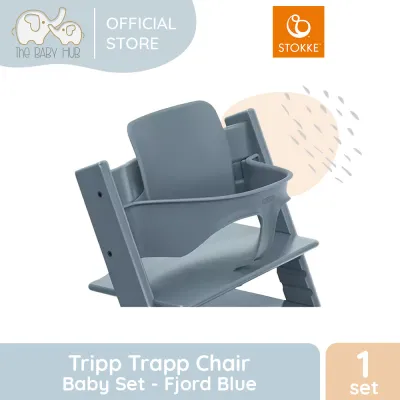
Yes, the base wooden high chair is typically sold as a standalone frame designed for older children and adults. To use the chair safely with a newborn or an infant who cannot yet sit up unassisted, you will need to purchase compatible attachments, such as the newborn set or the baby set with a harness, separately. Always check the specific bundle options offered by authorized retailers before purchasing, and consult the manufacturer’s age, weight, and developmental guidelines to ensure each accessory is used safely.
Community discussion
Share your experience or ask a question. Comments are reviewed before publication.